14 Event Production Moves to Make Before Your Busy Season Starts
The busy season in NYC doesn’t creep in. It hits all at once. One week you’re event planning, the next you’re juggling back-to-back events, last-minute changes, and vendor timelines that suddenly feel way too tight.
The event planners who stay in control through summer aren’t better at reacting. They’re better at locking in production decisions early, before the calendar fills and flexibility disappears.
If you want your events to feel tight, high-end, and easy to run, these are the production moves to make now.
1. Find a Go-To Floor Plan Strategy That Works Across NYC Venues
Every venue in NYC comes with its own quirks. Columns, tight load-ins, odd room shapes, noise restrictions.
If you’re reinventing your layout every time, you’re slowing yourself down.
Smart planners already have:
- A few tested layout formats that adapt easily
- Clear flow for entry, bar, and main activation areas
- Built-in flexibility for guest count swings
They’re not guessing how a room should work. They’re applying what already performs.
2. Pre-Book Your Core Production Crew Before Schedules Fill
The best techs, coordinators, and production assistants don’t stay available long.
If you wait until your event is confirmed to build your crew, you’re pulling from whoever’s left.
Right now, top NYC planners are:
- Locking in their preferred leads across multiple dates
- Confirming availability for peak weeks in advance
- Building a consistent team that knows how they operate
That consistency shows up in how smoothly your event runs.
3. Build a Run-of-Show Template You Don’t Have to Rewrite Every Time
Your run-of-show shouldn’t feel like starting from scratch.
The event planners who stay efficient during busy season have:
- A base timeline that works for most event formats
- Pre-built checkpoints for vendors, talent, and transitions
- Clear internal notes that keep everyone aligned
They adjust details, not structure. That saves hours and cuts down on mistakes when things get busy.
4. Lock in Backup Plans for Outdoor and Rooftop Variables
If you’re producing summer events in NYC, something will shift.
Weather, building rules, noise restrictions, elevator delays. It’s part of the job.
The difference is whether you’ve planned for it.
Right now, smart planners are:
- Securing indoor contingency spaces early
- Confirming rain plans that don’t kill the experience
- Aligning vendors on backup setups before event day
They’re not scrambling when something changes. They’re switching to plan B without missing a beat.
5. Pre-Design Your Lighting Approach Instead of Figuring It Out Onsite
Lighting is one of the fastest ways to elevate or flatten an event.
And it’s one of the most overlooked until it’s too late.
The planners producing high-end NYC events already:
- Map out lighting zones before load-in
- Plan for transitions as the event progresses
- Use lighting to guide attention, not just fill space
They’re not asking “what can we do here?” on event day. They already know.
6. Standardize Your Load-In and Load-Out Game Plan
If you’ve ever dealt with a Manhattan freight elevator during peak hours, you know this matters.
Load-in delays can throw off your entire timeline.
The planners who stay ahead:
- Build detailed load-in schedules by vendor
- Account for NYC-specific constraints like union rules or shared docks
- Communicate expectations clearly before event day
They’re not figuring out logistics in real time. They’ve already pressure-tested them.
7. Lock Your Catering Flow So It Matches Guest Behavior
Food and beverage timing can make or break the energy of your event.
Too early, and it feels empty. Too late, and guests lose patience.
Right now, experienced planners are:
- Aligning service timing with guest arrival patterns
- Coordinating with catering teams on pacing and replenishment
- Designing food moments that feel intentional, not reactive
They’re treating catering as part of the experience, not just a requirement.
8. Pre-Select Entertainment That Drives Energy, Not Just Fills Time
Entertainment isn’t background noise in NYC events. It sets the tone.
The planners who get this right:
- Choose acts that match the audience and environment
- Plan transitions between segments so energy doesn’t drop
- Coordinate timing with the rest of the run-of-show
They’re not booking talent just to check a box. They’re using it to control the room.
9. Build a Clear Guest Flow From Entry to Exit
Crowd flow is one of those things guests don’t notice when it works and absolutely feel when it doesn’t.
Before busy season, smart planners are:
- Mapping out entry, check-in, and first impression moments
- Eliminating bottlenecks around bars, activations, and exits
- Making sure movement through the space feels natural
In NYC venues where space is tight, this step is non-negotiable.
10. Pre-Align Vendors on Communication Protocols
During an event, no one has time for confusion.
The planners who stay in control:
- Define who communicates what and when
- Set expectations for check-ins and updates
- Make sure every vendor knows the chain of command
They’re not chasing answers mid-event. Everyone already knows how to operate.
11. Lock in Your AV Setup Based on Experience, Not Equipment Lists
More equipment doesn’t mean better production.
What matters is how it’s used.
The planners producing strong NYC events:
- Design AV setups around what guests will see and hear
- Avoid overcomplicating the setup just because it’s available
- Work with teams who understand venue limitations
They’re focused on impact, not excess.
12. Pre-Plan Your Onsite Team Roles So Nothing Falls Through
When busy season hits, unclear roles turn into missed details fast.
Right now, top planners are:
- Assigning specific responsibilities across their team
- Making sure coverage exists for every key moment
- Preparing backups for critical roles
They’re not assuming things will get handled. They’re making sure they do.
13. Create a System for Last-Minute Changes That Doesn’t Break Your Flow
There will be changes. Always.
The difference is whether those changes derail your event.
The planners who stay steady:
- Build buffer time into their schedules
- Keep flexible options for key elements like seating and timing
- Train their teams to adapt without overreacting
They expect movement, so it doesn’t throw them off.
14. Pressure-Test the Entire Experience Before You Go Live
The best planners don’t wait until event day to see how things come together.
They walk through it. They question it. They tighten it.
Right now, they’re:
- Reviewing the full guest journey from arrival to exit
- Identifying weak points before they become problems
- Making adjustments while there’s still time
That’s how events feel seamless when they actually happen.
Where NYC Event Planners Go to Refine Production and Stay Sharp
If you want your event production to hold up during the busiest stretch of the year, you need more than a checklist.
You need exposure to what’s working right now across the NYC event scene.
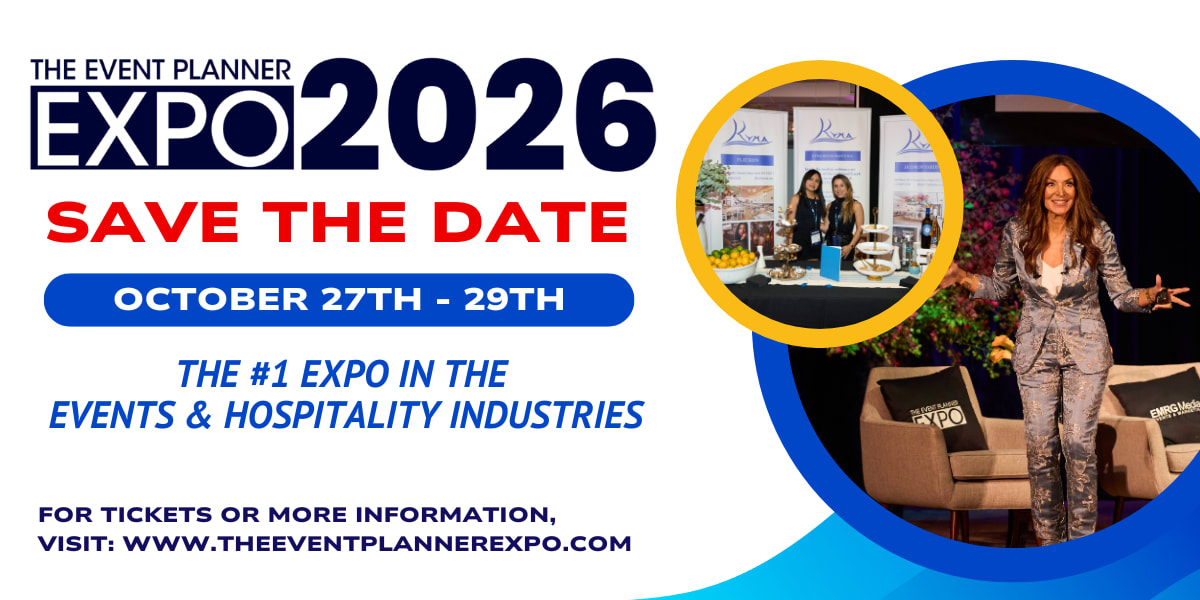
That’s exactly what you get at The Event Planner Expo 2026.
It’s where planners, production teams, and vendors share real strategies, not surface-level ideas, so you can tighten your approach before your calendar fills. Reserve your event planning booth space today!