The Real Cost of Ignoring AI in Event Marketing for 2026 NYC Events
Friends. AI in event marketing isn’t new. It’s not experimental. It’s not even optional curiosity territory anymore. And yet, plenty of event businesses in New York are still sitting it out.
We get it. AI can feel a bit (or a lot) overwhelming at first, especially when you’re not sure what you can trust or how to plug into it effectively. And there’s no shortage of “do this with AI” and “X AI tools event planners should be using” resources out there, only muddying the waters. Or maybe you just don’t feel like you absolutely need it right now… your events are flowing, promos are going out, clients are signing. Why add more complexity if you don’t need to change anything, right?
Unfortunately, if you’re still sitting on the sidelines of AI in event marketing, a few more “blinks” and the whole industry will have blown past you. In fact, the cost of ignoring AI now could leave you sitting in the dust faster than you might think.
Even if you just take small steps, adopt a few AI integrations or tools to streamline your process, it’s a win. Let’s get you up to date with the few things you can actually plug into, so you don’t find yourself in everyone else’s rearview mirror.
Time You’re Already Losing
If you’re not using AI at all, you’re probably spending more time than you realize on tasks that no longer need to be manual.
Pulling performance reports across channels. Segmenting lists by hand. Rewriting similar promo copy over and over. Guessing which message should go out next. Chasing follow-ups that should have been triggered automatically.
None of that feels dramatic. It just eats your calendar.
Time inefficiency is one of the biggest competitive gaps in NYC event marketing. When other businesses are using AI to compress weeks of iteration into days, staying manual means you’re always reacting instead of planning.
You’re not slower because you’re less capable. You’re slower because you’re doing work machines already handle well.
Missed Revenue You Can’t See
This is where ignoring AI gets expensive in ways that don’t show up clearly.
Without AI-supported insights, promotions are still built around averages. One message for everyone. One timeline. One assumption about what motivates your audience.
That means you miss signals.
You miss when someone is warming up but needs one more nudge. You miss when a past buyer is ready to reengage. You miss when interest drops off because messaging stopped being relevant.
AI doesn’t magically create demand. What it does is surface intent. When you ignore it, you’re leaving revenue on the table without ever knowing it was there.
In a city where competition is relentless, that adds up fast.
Blending In When Standing Out Matters Most
New York events don’t fail quietly. They fade.
When your marketing starts to look like everyone else’s, it becomes harder to justify premium pricing, larger budgets, or repeat business. And this is where AI avoidance creates an unexpected problem.
Ironically, AI is part of what’s now enabling differentiation.
Event businesses that use AI well aren’t producing generic content. They’re producing sharper content. More relevant content. Better-timed content.
They know which stories resonate with which audiences. They know which visuals convert and which don’t. They know when to push and when to pull back.
If you ignore AI completely, your promotions don’t stay human. They risk staying static while everyone else evolves.
Decision-Making Without Visibility
One of the biggest shifts in 2026 is how event businesses make decisions.
AI is being used to connect data across email, social, ticketing, web traffic, and past attendance to answer questions that used to rely on gut instinct.
- What actually drives registrations?
- Which channels influence buying decisions?
- Where does interest drop off?
- What messaging accelerates commitment?
Without AI, those answers take longer to uncover, if you uncover them at all.
You still make decisions. You just make them with less visibility. And in a market like New York City, decisions made in the dark tend to cost more to fix later.
Burnout You Can’t Attribute to One Thing
This one sneaks up on you.
When everything relies on manual effort, your team carries the load. More spreadsheets. More revisions. More last-minute pivots. More pressure to get it right every time because there’s no system backing you up.
AI doesn’t replace creativity or judgment. It removes friction.
Ignoring it means your team absorbs that friction instead. Over time, that shows up as burnout, turnover, or resistance to growth because scaling feels exhausting instead of exciting.
That cost is real, even if it never appears in a budget line.
What Ignoring AI Looks Like in 2026
Look, ignoring AI doesn’t mean you’re old-school. It means you’re choosing inefficiency.
It looks like:
- Campaigns built on guesswork instead of signals
- Promotions sent on fixed schedules instead of behavior-based timing
- Content that stays broad because personalization feels too complex
- Teams stretched thin doing work that could be automated
Using AI Doesn’t Mean Losing Control
This is the fear that keeps many event businesses on the sidelines.
They worry AI will flatten their voice, cheapen their brand, or take over creative decisions. That only happens when AI is used without direction.
In reality, the most effective event marketers in 2026 are using AI to support human-led strategy, not replace it.
You still decide what matters. AI helps you scale it.
You still define the tone. AI helps you deliver it consistently.
You still own the relationship with your audience. AI helps you maintain it across thousands of touchpoints.
The Real Cost Is Falling Behind
Ignoring AI rarely causes a dramatic failure. It causes a slow slide.
You work harder to get the same results. You spend more time reacting. You miss opportunities you never knew existed. And over time, that gap widens.
By the time it’s obvious, catching up is more expensive than starting early would have been.
AI isn’t the future of event marketing. It’s already part of the present. In 2026, the question isn’t whether you’ll use it. It’s whether you’ll use it intentionally or let it widen the gap between you and the rest of the market.
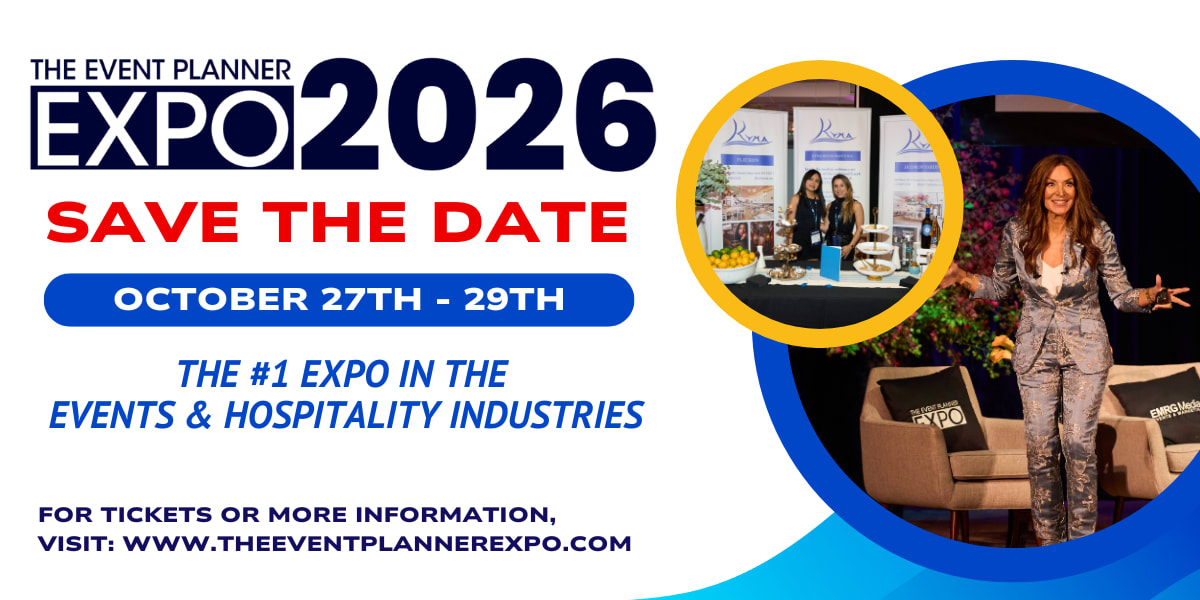
If you want to stay competitive in NYC without sacrificing quality, creativity, or control, reserve your booth at The Event Planner Expo and get in the room where forward-looking event marketing strategies are actually being shaped.