Beyond the Photo Op: Designing Event Installations with Emotional Longevity
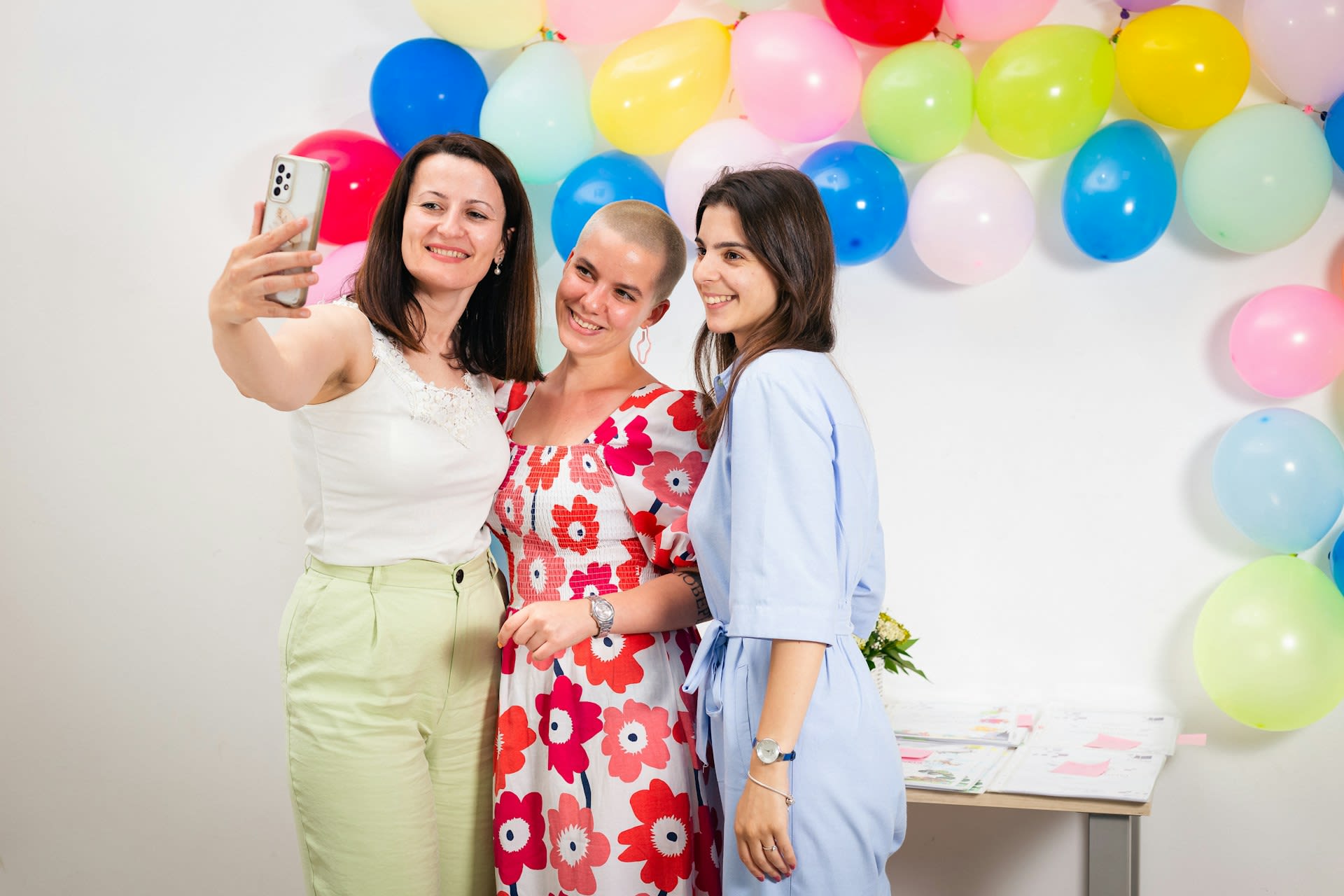
Much has been said about making your event “Instagram-worthy.” But don’t let a fixation on user-generated content make you lose sight of an installation’s broader purpose: creating an immersive experience through the power of story.
An installation that succeeds in its broader purpose makes guests slow down and lean in. Guests will bring someone else over like, “No, you have to see this.” And later, when the event’s over, they talk about it in a way that sounds personal. Not like content. Like a moment.
That’s emotional longevity. And that’s what you’re going for.
And the truth is, most installations aren’t designed for that. They’re designed for the photo.
Which is fine. Photos matter. Social matters. Your client wants assets. Your event marketing team wants coverage. Your sponsor wants proof.
But if the installation only works through a lens, it’s not an experience. It’s a backdrop with good lighting.
Let’s build the kind that sticks.
The real job of an installation
An installation is a physical story beat. It’s the part of the event planning that turns “theme” into “I felt something.”
Think of it like this:
-
- Decor supports the room.
- Signage guides the room.
- An installation changes how guests behave in the room.
It creates a reason to pause. To gather. To interact. To remember.
In New York events, especially, where guests have seen everything and patience is thin, installs only win when they do one of these things:
-
- Make people feel seen
- Make people feel brave
- Make people feel connected
- Make people feel wonder
- Start with the emotion you want to leave them with
Awe. Nostalgia. Excitement. Name the emotion you’re going for. Once you have that feeling, the design becomes obvious. Because now every choice has a job.
A good installation is not pretty. It’s purposeful.
The three-layer test for emotional longevity
If you want installs that last beyond the photo op, build them in layers. Like songs. Like great scenes. Like anything, people replay in their heads later.
Layer 1: The hook
This is what pulls them in from across the room.
It can be scale. Contrast. Movement. Sound. Light. A single bold phrase. Something that breaks the pattern of the space.
But the hook can’t be the whole story. If the hook is all you have, you’ll get a crowd for 45 seconds and then nothing.
Layer 2: The interaction
This is where guests do something that requires participation, not just posing.
Tiny interactions count. They just need to be real.
-
- Pulling a card
- Opening a drawer
- Choosing a path
- Adding a piece to a communal wall
- Stepping onto a platform that triggers a response
You want the interaction to focus on enhancing the guest experience. It should inspire a positive emotion, such as surprise or wonder. By focusing on the guest, you avoid an installation that feels salesy.
Layer 3: The meaning
This is the part they carry.
Meaning is not the same as “message.” A message is what the brand wants to say. Meaning is what the guest believes about themselves after the moment.
Meaning comes from:
-
- personalization
- choice
- surprise
- contribution
- reflection
- shared experience
- closure
If you want emotional longevity, design for meaning.
Personalization that does not feel creepy
There’s an inherent tension when it comes to personalization in the digital age. Guests appreciate an experience tailored to their preferences, but they don’t want to feel like brands are spying on them.
The safest version is self-selected personalization. Examples that work well in event production:
-
- A simple prompt wall that asks guests to complete the phrase “I am here to…”
- A “write your future self a note” station that gets mailed later (yes, mailed. physical hits different)
- A digital projection that reacts to movement
Transparency is key. If a guest can say, “I picked this,” it feels empowering. If a guest can say, “How did they know that,” it feels invasive.
Design for the after, not just the during
Here’s a hot take that saves budgets:
If it doesn’t live after the event, it needs to justify every square inch it occupies.
Emotional longevity means the install has an afterlife. Not necessarily online. In real life.
Ways to build that in:
Give it a second moment
Let the installation create something that unfolds later.
-
- A sealed envelope they open the next day
- A QR that leads to a recap video featuring moments they helped create
- A photo strip with a handwritten line printed under it (not just branding)
- A small object with a story attached, not just a logo
Make it portable
Not swag. A relic.
Relics feel earned. Swag feels distributed.
Relics are things like:
-
- a custom token from a “choice” moment
- a mini print pulled live from a generative art wall
- a card that captures a pledge, a wish, a dare, a compliment
Tie it to a relationship
If the installation makes guests connect with someone, that connection becomes the memory.
Pairing prompts. Two-person interactions. Communal builds. Anything that makes people look at each other instead of only at the wall.
Stop designing for everyone
This is where a lot of installations fail.
They’re “universal.” They’re “crowd-pleasing.” They’re “safe.”
And they land like plain oatmeal.
If you want emotional longevity, pick your people.
Ask:
-
- Who is this install really for?
- Who do we want to feel like the main character?
- Who do we want to surprise?
In NYC events, specificity wins. You can feel when something was designed by committee. You can also feel when something was designed with guts.
Your client might think they want “mass appeal.” What they actually want is a moment that makes the right guests feel something strong enough to talk about later.
Build a guest journey, not a standalone moment
The best installs are not random. They’re placed like story beats in a night.
Here’s a simple way to map it during event planning:
Arrival installation
Job: calm nerves, signal status, set the tone fast.
This is where guests decide if they trust the event.
Mid-event installation
Job: create connection, create play, create energy.
This is where guests stop scrolling and start participating.
Late-event installation
Job: create closure, reflection, or release.
This is where emotional longevity is born. Because humans remember endings.
Most event production budgets go heavy on the front. If you want the memory to last, invest in the ending.
Not necessarily bigger. Just smarter.
The “phone test” you should run before build day
Ask these questions before you finalize the install:
-
- If no one took a photo, would this still work?
- Does it invite participation without instructions?
- Can it handle a crowd without becoming a bottleneck?
- Does it reward curiosity?
- Is there a moment of surprise that happens after the first glance?
- Will guests describe it with a feeling word, not a furniture word?
(“It was comforting” beats “It was a flower wall.”)
If you can’t answer yes to at least four, redesign.
Practical ways to add emotional longevity without blowing the budget
Not every client is funding a museum buildout. I get it. Here are moves that hit hard without going full Broadway.
Use sound like a secret
A small directional speaker can change everything. Whispered prompts. Soft scores. A “hidden” audio moment that only triggers when someone steps close.
People remember what they heard in private.
Let guests contribute one tiny piece
One sticker. One word. One token placed on a wall.
When people contribute, they care.
Build a reveal into the material
Panels that open. Light that changes. Layers that only show from certain angles. Text that appears under UV.
A reveal creates a story. Stories stick.
Design for touch
Texture is underrated in experiential marketing. Smooth, soft, rough, cold, warm. You can create comfort or tension with material alone.
If you want people to remember something, give them something to feel.
Give the installation a “why”
A single sentence that frames the moment.
Not a paragraph. Not brand-speak.
Just: “This wall is made of wishes.”
Or: “Leave what you’re ready to let go of.”
Or: “Take what you need tonight.”
That kind of framing turns an object into a ritual.
Measuring the emotion in an installation
Behind most events is a cadre of stakeholders who want measurable success. You give them what they want by tracking the following metrics.
-
- Dwell time (how long people stay near it)
- Return visits (do they come back with someone)
- Participation rate (not just photos)
- Conversation triggers (did it spark introductions or group moments)
- Post-event mentions (what people say in follow-up emails, DMs, comments)
And when you write your recap, don’t just say “high engagement.”
Quote the human reactions you overheard. That’s gold for event marketing.
What this looks like when you’re a NYC event planner under pressure
A great installation makes your event easier because it creates its own gravity.
It holds guests in place. It creates flow. It becomes a built-in conversation starter. It absorbs attention, so you don’t have to force energy with constant programming.
Emotional longevity is not extra. It’s strategy.
Learn to Elevate Your Installations at The Event Planner Expo 2026
Photo ops are as important as ever for successful events. But getting user-generated content on social media is only part of the goal.
You want an installation with interactive elements that tell a story. When you accomplish that, the rest falls into place naturally, including the Instagram buzz.
Get tickets to The Event Planner Expo 2026 and take notes from the people who understand that event production is not just about user-generated content.