Why Event Guests Engage More When They’re Not Asked To Participate
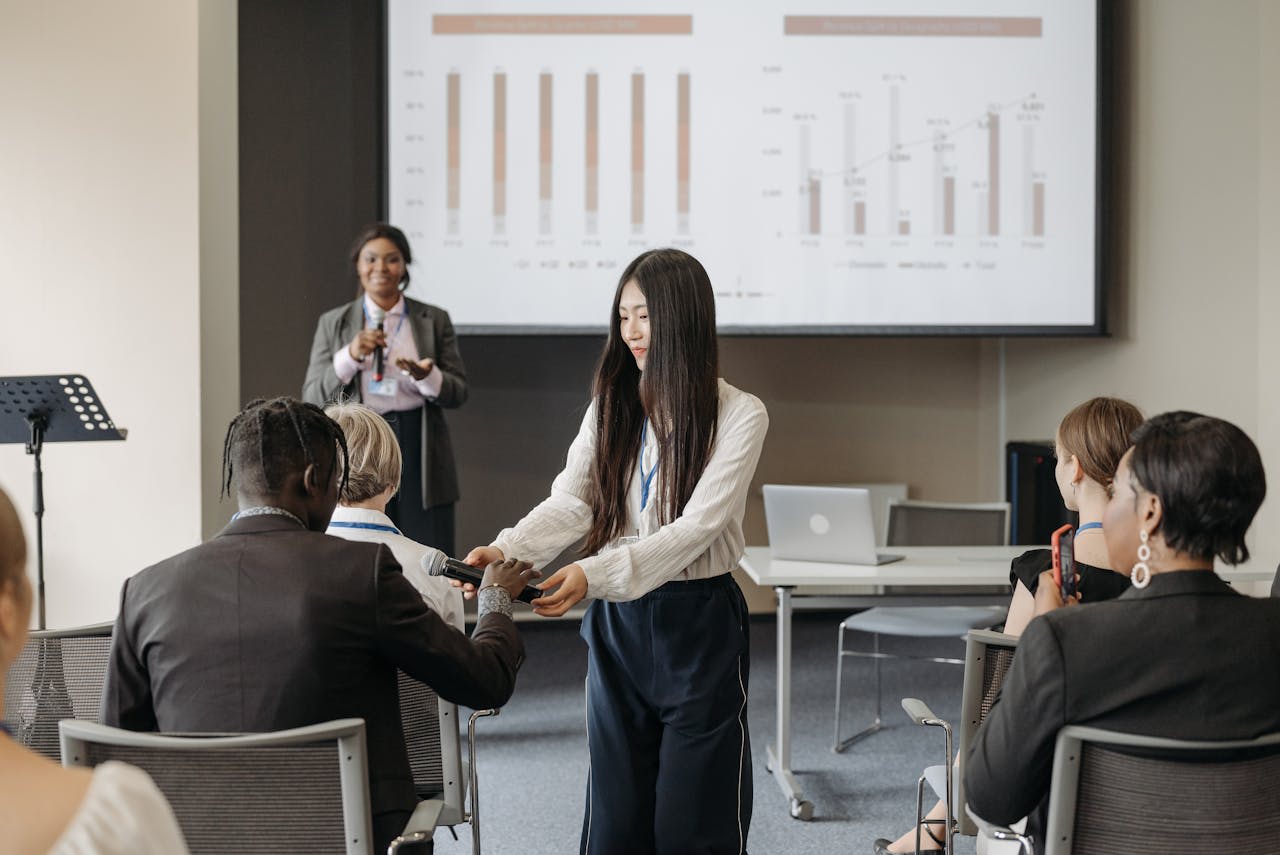
For years, attendee engagement meant activity.
Raise your hand. Scan the QR code. Join the icebreaker. Step into the photo booth. Clap when prompted. And event producers dial in every moment to include some kind of “experience.”
But in 2026, especially at high-end NYC events, something different is happening. The rooms that feel the most alive aren’t the ones demanding participation. They’re the ones designed so well that guests choose to engage. There’s a big difference.
Autonomy Changes the Energy in the Room
When guests feel in control, their guard drops. That matters in New York, where corporate audiences, founders, sponsors, and VIPs are constantly being pitched or pulled into something.
The moment an event feels like it’s trying too hard to extract interaction, people lean back. They check their phones. They hang near the perimeter.
But when engagement is optional, curiosity kicks in. A chef plating something beautifully draws a crowd without a mic announcement. A lounge conversation expands naturally because the seating makes it easy to join. A branded installation positioned along a traffic path invites interaction without signage screaming for attention.
People step in because they want to.
That shift alone changes the tone of the entire event.
Engagement Isn’t Always Loud
We’ve trained ourselves to think engagement has to be visible. Someone scanning. Someone dancing. Someone volunteering on stage.
In reality, a guest leaning into a conversation is engagement. Watching a live pasta station with interest is engagement. Tasting a perfectly timed course and staying longer because the flow feels right is engagement.
At high-end NYC corporate events, subtle engagement often performs better than orchestrated moments. Decision-makers don’t want to be singled out. They want to observe, assess, and then participate on their own terms.
When you allow that ramp-up period, participation deepens instead of feeling forced.
Smart Design Does the Asking for You
The best planners in 2026 are relying less on instructions and more on design psychology.
Bar placement influences circulation. Lighting shifts attention. Sound levels shape conversation pockets. Even menu pacing supports engagement by keeping guests moving through the space at a natural rhythm.
When spatial planning is intentional, you don’t need to tell people what to do. They follow the environment.
This is especially powerful in New York venues, where layouts can be unconventional. A narrow entry, a rooftop transition, a split-level ballroom. Instead of fighting the architecture, top planners lean into it and use it to guide behavior.
That’s strategy. And it’s invisible to the guest.
Pressure Kills Momentum
Nothing tightens a room faster than surprise spotlight moments.
Corporate guests don’t want to be the example in a team-building demo. Sponsors don’t want to look awkward fumbling through a public activation. Attendees don’t want to feel ambushed for content.
When people feel respected, they relax. When they relax, they connect. When they connect, the event actually performs better.
You’ll see longer dwell times. More organic networking. Higher-quality sponsor conversations. And fewer people hovering near the exits.
Engagement compounds when it feels voluntary.
What This Means for NYC Planners in 2026
If you’re designing experiences that rely on calling people out or pushing them into participation, you’re creating friction you don’t need.
Instead, build layered experiences. Let someone watch first. Let them sample before committing. Let them approach when it feels right. You’ll get deeper engagement with less resistance.
Across the city, planners are pairing this philosophy with smarter menu pacing, better traffic flow mapping, and data-informed programming decisions. The result is events that feel seamless instead of performative.
Guests don’t need to be told to engage. They need a reason to.
Experience the Shift at The Event Planner Expo
If you want to see how NYC’s most forward-thinking planners are designing events that spark organic engagement, The Event Planner Expo is where those strategies come to life.
You’ll hear from producers who understand guest psychology, spatial design, and experience flow at a different level. You’ll meet partners who build environments that invite participation without demanding it.
And if your brand belongs in front of serious planners shaping the next era of events, reserve your booth on the tradeshow floor and be part of the conversation.