10 Fast Fixes Event Planners Use to Bring Energy Back Into a Flat Event
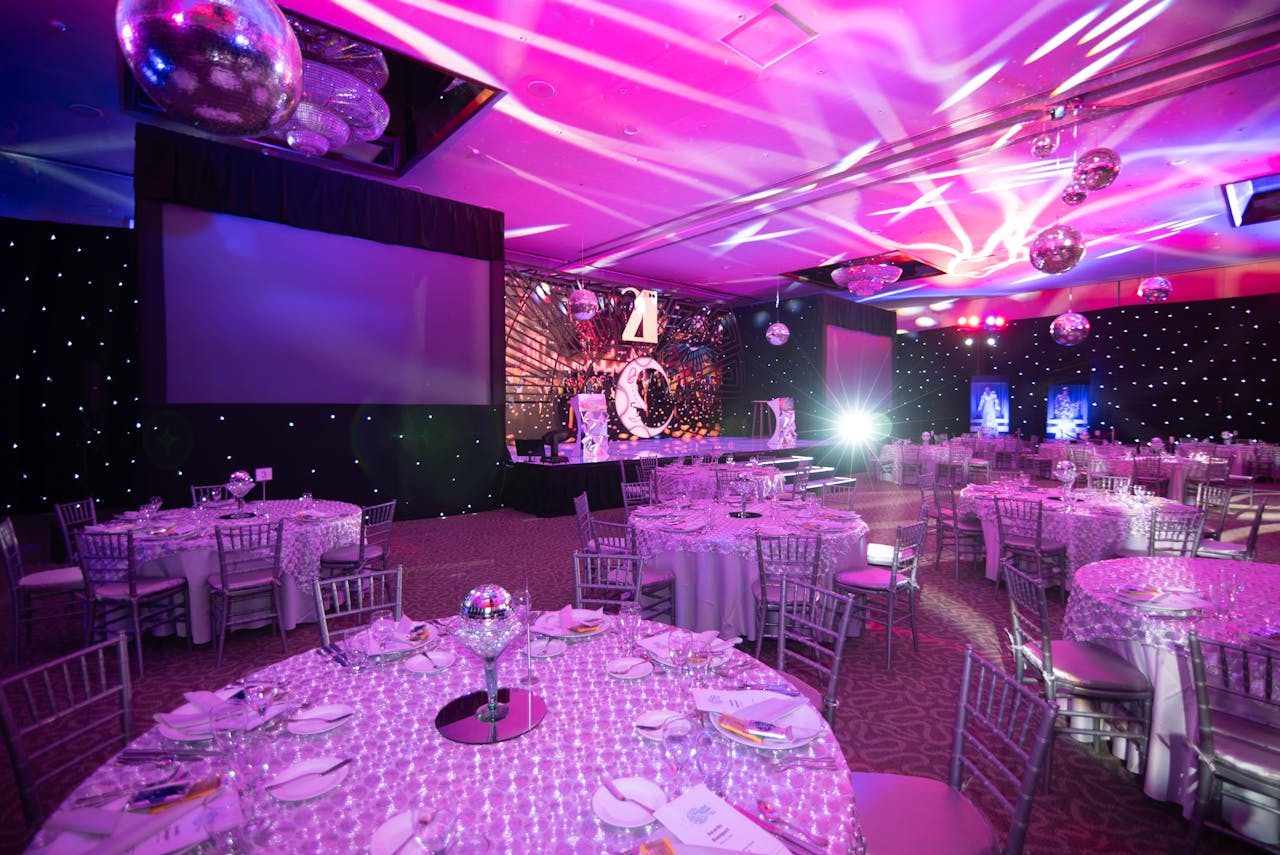
Every event planner has experienced it. The venue looks incredible, the timeline is on schedule, the décor is exactly what the client envisioned, and the entertainment is ready to go. Yet somehow, the room feels quieter than expected. Guests are sticking to small conversations, movement throughout the space is limited, and the atmosphere never quite reaches the level of excitement everyone hoped for.
When an event feels flat, the issue usually isn't a lack of budget or planning know-how. More often, it's the result of small factors that influence how people move, interact, and engage with the experience. The good news is that low energy can often be corrected without rebuilding the event from scratch. A few strategic adjustments can dramatically change how the room feels and help create the momentum guests and clients expect.
Here are ten fast fixes experienced event planners use when an event starts losing energy.
1. Create a More Impactful Arrival Experience
The first few minutes of an event matter more than many people realize. Guests begin forming impressions immediately, and if they walk into a space that feels quiet, confusing, or lacking direction, they'll often settle into that energy level right away.
One of the fastest ways to improve an event's atmosphere is to strengthen the arrival experience. Consider adding a visual focal point near the entrance, positioning entertainment closer to guest check-in, or using lighting to guide attention toward key areas of the venue. Even small adjustments can create a stronger sense of anticipation and help guests feel like they've arrived somewhere worth exploring.
A strong arrival experience doesn't just create excitement. It establishes momentum that can carry throughout the rest of the event.
2. Bring Guests Closer Together to Increase Engagement
One of the most common reasons an event feels low-energy is that guests are simply too spread out. Large gaps between tables, oversized lounge areas, and excessive open space can make a room feel half-empty even when attendance numbers are healthy.
When energy starts to dip, take a closer look at how people are distributed throughout the venue. Tightening seating arrangements, consolidating gathering areas, and repositioning activity zones can help create a stronger sense of connection among attendees.
People naturally feed off one another's energy. When conversations are happening closer together, and guests can see activity taking place around them, the entire room feels more active and engaged.
3. Use Lighting Changes to Shift the Mood Instantly
Few event production tools can change the atmosphere of a room as quickly as lighting. Flat overhead lighting tends to make everything feel uniform, which can create a surprisingly static environment.
Instead of treating the entire room the same way, create visual contrast. Highlight key features, emphasize gathering spaces, and use lighting to direct attention toward important moments. Adding depth and variation helps the room feel more dynamic and gives guests visual cues about where the action is happening.
Many planners focus on event lighting during setup but forget that it can be adjusted throughout the event. A well-timed lighting change can help reset the room and re-engage attendees when energy begins to decline.
4. Establish a Clear Focal Point That Captures Attention
When guests aren't sure where to look, their attention tends to scatter. Without a clear focal point, conversations drift, engagement decreases, and the event can begin to feel disconnected.
Every successful event benefits from having a central point of interest. That might be a stage, a branded activation, an interactive installation, or a featured entertainment area. Once you've identified that focal point, reinforce it through lighting, signage, furniture placement, and guest flow.
The easier it is for attendees to understand where the energy is happening, the easier it becomes to keep them engaged throughout the experience.
5. Shorten Gaps Between Key Moments
Long stretches of downtime can drain energy from even the most well-designed event. Guests finish one activity, wait for the next thing to begin, and eventually start checking their phones or disengaging from the experience altogether.
The solution isn't necessarily adding more programming. Instead, focus on creating smoother transitions between key moments. Music changes, lighting adjustments, roaming entertainment, and interactive touchpoints can help bridge the gaps and maintain momentum.
Strong event planning is often less about the individual moments and more about how those moments connect to one another. When transitions feel seamless, energy remains consistent throughout the event.
6. Give Guests More Reasons to Move Throughout the Venue
Movement creates energy. When attendees remain in the same location for long periods, the room can start to feel stagnant, regardless of how impressive the event looks.
Creating opportunities for natural movement helps keep the atmosphere fresh and dynamic. Food stations, interactive activations, networking zones, entertainment elements, and experiential installations can all encourage guests to explore different parts of the venue.
The goal isn't to force participation. It's to create enough points of interest that guests naturally want to move around and discover what's happening throughout the space.
7. Turn the Bar Into an Experience Rather Than a Utility
At many events, the bar functions as little more than a service station. In reality, it's one of the most powerful gathering points in the room.
Guests naturally gravitate toward bars, which makes them ideal locations for creating energy and interaction. Consider incorporating branded experiences, specialty cocktail moments, live demonstrations, entertainment, or interactive elements nearby. Even small enhancements can transform the area from a transactional stop into an active social hub.
When the bar becomes part of the experience instead of simply supporting it, the surrounding energy often increases as well.
8. Fine-Tune Your Audio Strategy
Sound plays a major role in how guests perceive an event, yet it's often overlooked when diagnosing energy issues. If the room is too quiet, it can feel lifeless. If the music is too loud, guests may struggle to have meaningful conversations.
Finding the right balance is essential. Music should support the atmosphere without overpowering interactions. Presentations should be easy to hear without dominating the space. Announcements should feel intentional rather than disruptive.
Well-managed audio creates a sense of cohesion that guests often notice subconsciously. When sound is working properly, the entire event tends to feel more connected and engaging.
9. Remove Visual Clutter That Competes for Attention
Sometimes an event feels flat because there are too many competing elements rather than too few. Excessive signage, overcrowded décor, and multiple competing activations can overwhelm attendees and dilute the impact of the experience.
Take a step back and identify what truly matters. Simplify areas that feel visually busy and allow key design features to stand out. Creating more visual clarity helps guests focus on the experiences and moments you want them to remember.
Strong event design isn't always about adding more. In many cases, it's about making strategic decisions about what to remove.
10. Introduce a Surprise Moment That Re-Energizes the Crowd
One of the fastest ways to reset the energy in a room is to introduce something unexpected. People are naturally drawn to novelty, and even a small surprise can immediately recapture attention.
That surprise doesn't have to be expensive or elaborate. It could be a lighting reveal, an unexpected performance, a guest appearance, a unique food-and-beverage experience, or an interactive activation that appears midway through the event.
When guests feel like something new is happening, they become more attentive and engaged. That renewed attention often spreads throughout the room and creates a noticeable boost in energy.
Why Great Event Planners Monitor Energy in Real Time
The strongest event planners understand that energy management is part of event execution. They don't wait until after the event to determine whether guests were engaged. They're constantly observing the room, looking for opportunities to improve flow, strengthen engagement, and maintain momentum.
Sometimes the solution is adjusting the lighting. Sometimes it's changing the music. Sometimes it's simply repositioning an activation or encouraging movement toward a different part of the venue. The key is recognizing those opportunities before guests begin to disengage.
Energy doesn't maintain itself. It requires attention, strategy, and the willingness to make adjustments when conditions change.
Reserve Your Booth at The Event Planner Expo
The conversations shaping the future of event planning are happening at The Event Planner Expo. From attendee engagement strategies and experiential event design to event production innovations and business growth insights, this is where event professionals come to discover what's working right now.
If your company serves the events industry, there's no better place to showcase your products, services, and expertise. Reserve your booth at The Event Planner Expo and put your brand in front of event planners, corporate decision-makers, venues, marketers, and industry leaders actively looking for new partners and solutions.
Booth space is limited, and demand continues to grow. Secure your spot today and become part of the event industry's most anticipated event of the year.