11 Unexpected Venue Transformations That Don’t Look Like the Original Space
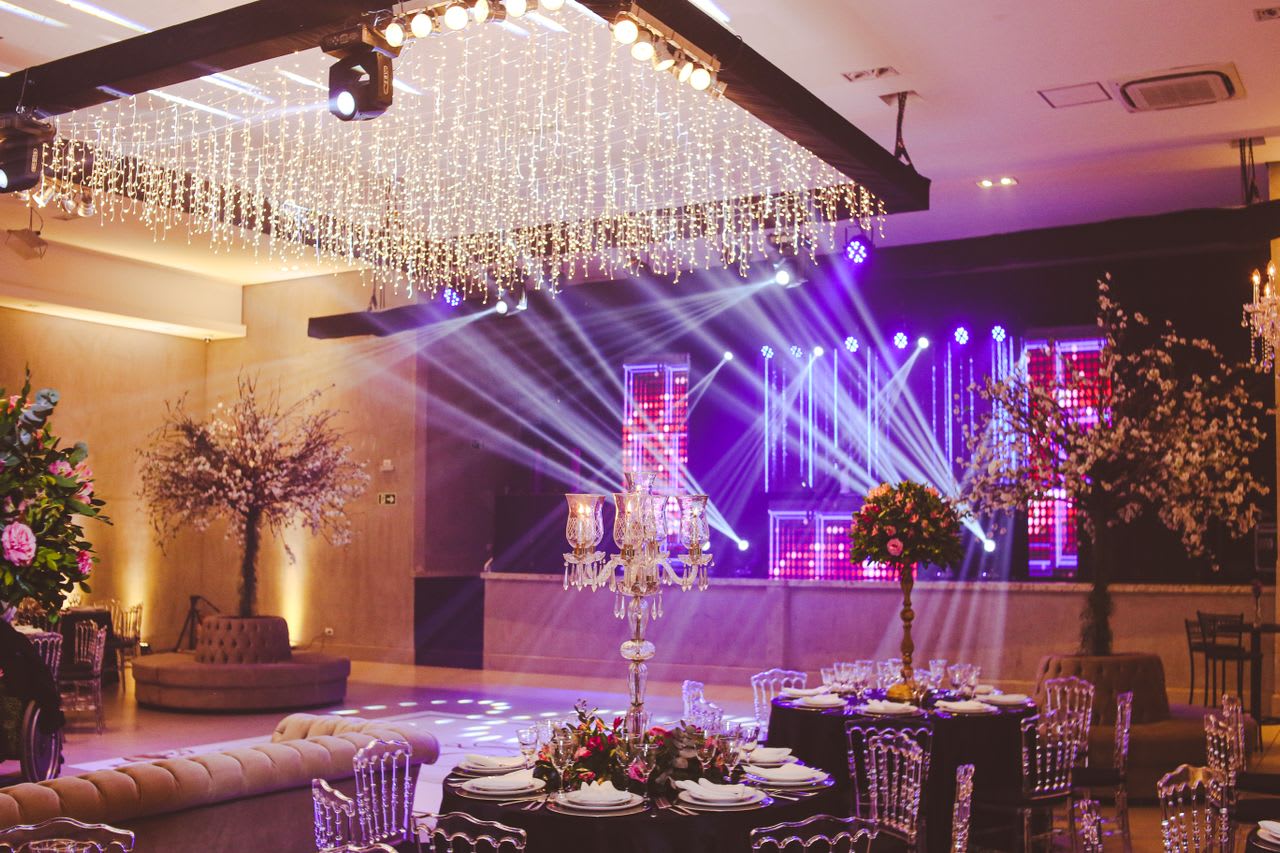
One of the biggest compliments an event planner can receive is also one of the simplest:
"Wait... this is the same venue?"
Guests love being surprised. They love walking into a space they've seen before and suddenly feeling like they're somewhere completely different. That's why venue transformation remains one of the most powerful tools in event design. When done well, it creates instant excitement, stronger attendee engagement, and the kind of visual impact people remember long after the event ends.
The best part? You don't always need a massive budget or a custom-built venue to pull it off. Some of the most dramatic transformations happen in ballrooms, warehouses, conference centers, rooftops, and event spaces that guests encounter every day.
Here are eleven ways event planners are completely reimagining venues and creating experiences that feel worlds away from the original space.
1. Turn the Venue Into a Private Members Club
There's a reason private clubs continue to influence event design. They feel exclusive, comfortable, and intentionally curated.
Instead of leaving a venue open and expansive, many event planners are breaking spaces into smaller environments that feel like a collection of upscale lounges. Rich textures, layered lighting, intimate seating groups, library-inspired details, and hidden gathering areas can make even the most recognizable venue feel like a private social club guests somehow gained access to.
The transformation isn't just visual. It changes how people interact with the space.
2. Build a Night Market Inside the Venue
Ballrooms are expected.
An indoor night market isn't.
By introducing vendor-style food stations, immersive retail experiences, live entertainment, street-inspired lighting, and small gathering spaces, event planners can create the feeling of wandering through a vibrant city market rather than attending an event inside four walls.
Guests naturally move more, explore more, and spend more time engaging with the environment.
3. Create a Rooftop Vibe Without a Rooftop
Not every event has access to a skyline view.
That hasn't stopped event planners from creating rooftop-inspired experiences indoors. String lighting, lounge furniture, greenery, open-concept layouts, and strategic lighting design can completely change the atmosphere of a traditional venue.
The goal isn't to replicate an actual rooftop. It's to capture the relaxed, social energy people associate with one.
4. Transform the Space Into a Hidden Garden
This approach works particularly well because it creates such a dramatic contrast with most event venues.
Floor-to-ceiling greenery, suspended florals, organic textures, living walls, and layered botanical installations can make guests feel like they've stepped into a completely different environment. When the transformation extends overhead as well as around the room, attendees often forget what the original venue looked like altogether.
It's one reason garden-inspired events continue to perform so well on social media.
5. Use Fabric to Completely Reshape the Room
Few event design elements are more underrated than fabric.
Strategic draping can lower ceilings, conceal walls, create pathways, divide large spaces, and soften environments that might otherwise feel cold or corporate. Guests often focus on dramatic installations and lighting while overlooking the fact that fabric may be doing most of the heavy lifting behind the scenes.
When used creatively, it can make an ordinary room feel custom-built for the event.
6. Design a Series of "Neighborhoods"
One of the fastest ways to disguise a venue is to stop treating it as a single room.
Many event planners are creating multiple environments within one space, each with its own identity, purpose, and atmosphere. Guests move from a networking lounge to a cocktail bar, then into an entertainment space before discovering a culinary activation elsewhere in the venue.
Instead of attending one event, attendees feel like they're exploring several experiences at once.
7. Turn the Ceiling Into the Main Attraction
Most venues have one thing in common: guests expect to focus on what's happening around them.
That's why dramatic overhead design can be so effective.
Whether it's suspended lighting, floating installations, hanging florals, projection mapping, or sculptural elements, transforming the ceiling changes the entire perception of the room. It also creates some of the most photographed moments of the event because guests instinctively stop and look up.
8. Create a Fully Immersive Theme Environment
Themes sometimes get a bad reputation because they're often treated as decorations rather than experiences.
The strongest event planners take a different approach. Every element supports the concept, from the food and beverage program to the entertainment, furniture, music, lighting, and guest interactions.
When every touchpoint reinforces the story, attendees stop seeing a venue and start seeing an experience.
9. Use Projection Mapping Beyond the Stage
Projection mapping has evolved far beyond conference backdrops and keynote presentations.
Entire walls, ceilings, hallways, and architectural features can now become part of the visual experience. A venue can shift from a futuristic cityscape to an underwater world to an abstract art installation in a matter of seconds.
The flexibility makes it one of the most powerful venue transformation tools available to event planners today.
10. Introduce Hidden Spaces Guests Discover Throughout the Night
People love finding something unexpected.
Secret cocktail lounges, concealed entrances, invitation-only experiences, and surprise activations create the feeling that the venue is larger and more complex than it initially appears. Every discovery adds another layer to the event and gives guests a reason to keep exploring.
The excitement often comes from the discovery itself as much as the experience waiting on the other side.
11. Design the Event Like a Movie Set
Some of the most memorable venue transformations happen when event planners think like production designers.
Instead of decorating a room, they're building scenes. Every sightline, furniture selection, lighting choice, and environmental detail contributes to a larger story. Guests aren't simply entering an event venue. They're stepping into a setting.
That shift in thinking often leads to the kinds of transformations attendees talk about for months afterward.
Why Venue Transformations Continue to Raise the Bar
Guests are attending more events than ever, especially in competitive markets like NYC. They've seen standard ballroom setups. They've attended networking receptions. They've walked through countless conference halls.
Creating a genuine sense of surprise has become increasingly valuable because surprise captures attention. It creates emotional reactions. It generates social sharing. Most importantly, it gives attendees something memorable to connect with.
The strongest event planners understand that venue selection is only the starting point. What guests remember is what the space became.
Discover the Event Design Trends Reshaping NYC Events at The Event Planner Expo
The most innovative event planners are constantly finding new ways to transform ordinary spaces into extraordinary experiences. From immersive environments and experiential design to emerging production trends and attendee engagement strategies, these ideas are shaping the future of NYC events.
At The Event Planner Expo, you'll connect with the designers, production experts, venues, marketers, and event professionals who are leading that evolution. If you're looking for fresh inspiration and practical ideas to elevate your own events, this is where you'll find them.
Reserve your booth at The Event Planner Expo and put your brand in front of the event planners and decision-makers searching for the next big idea. The conversations happening on the show floor today often become the trends defining the industry tomorrow.