11 Networking Event Formats That Don’t Feel Awkward or Forced

Most networking events don’t fail because people don’t want to connect; they fail because the format makes connections feel forced. Open rooms, rigid rotations, and no real context leave people without a natural reason to start a conversation. In New York, especially, where attention is selective and invitations are constant, people aren’t avoiding networking; they’re avoiding awkward setups. The strongest formats in 2026 don’t push interaction; they remove the friction that blocks it.
1. Conversation Grid
Unstructured networking creates hesitation. Over-structured networking creates resistance.
The conversation grid sits in between.
The space is divided into zones based on themes, industries, or shared interests. Guests move between zones at their own pace, choosing where to engage based on relevance.
There is no formal rotation. No forced timing. But there is enough structure to guide behavior.
This works because it removes the hardest part of networking, which is starting.
Guests are not approaching strangers without context. They are entering conversations that already have a clear focus. That clarity lowers the barrier immediately.
From a design perspective, each zone should feel distinct but connected. Lighting, furniture, or subtle signage can differentiate areas without making the space feel segmented.
In NYC venues where layouts are often fragmented, this format works with the architecture rather than against it.
It creates movement, but it keeps conversations anchored.
2. Task-Based Interaction Format
Asking people to “network” rarely works.
Giving them something to do does.
The task-based format builds interaction around a shared activity. This could be collaborative problem-solving, guided prompts, or small-scale challenges that require participation.
The key is that the task is just structured enough to remove hesitation, but open enough to allow conversation to develop naturally.
People talk more easily when they are doing something.
It shifts the focus away from introductions and toward interaction. Conversations start around the task and expand from there without feeling forced.
In corporate environments where attendees may not know each other, this format accelerates connection without requiring social risk.
It also creates a shared experience, which makes follow-up conversations more likely to happen.
3. Progressive Pairing Format
Speed networking often feels mechanical. The intention is efficiency, but the execution removes depth.
The progressive pairing format adjusts that structure.
Instead of rapid rotations, guests are paired for slightly longer intervals, with each pairing building on the previous one. Prompts evolve. Conversations deepen rather than reset.
The pacing is slower. The transitions are smoother.
This creates continuity.
Guests are not starting from zero each time. They are building conversational momentum as they move through the experience.
From an execution standpoint, this requires thoughtful facilitation. Timing matters. Transitions should feel natural, not abrupt.
In NYC corporate settings where attendees value both efficiency and substance, this format balances both.
It allows for multiple connections without sacrificing the quality of interaction.
4. Shared Table Format
Large networking rooms can feel overwhelming. Smaller environments create focus.
The shared table format places guests into intentionally curated groups around a central table. The setting encourages conversation without requiring formal introductions.
The key is composition.
Groups should be mixed enough to create new connections, but aligned enough to support conversation. The table becomes a natural anchor point.
This format works because it removes movement as a barrier.
Guests do not have to navigate the room or initiate multiple conversations. The interaction happens within the space they are already in.
In NYC venues where space can be limited, this format also maximizes efficiency. It creates depth within a smaller footprint.
For corporate clients, this often results in stronger connections because conversations have time to develop fully.
5. Environment-Led Networking Format
Not all networking needs to be visible.
The environment-led format embeds conversation prompts and interaction points into the space itself.
A question integrated into a display. A product moment that invites discussion. A subtle activation that requires collaboration.
Nothing is announced. Nothing is forced.
Guests discover these moments as they move through the space.
This works because it creates a sense of ownership.
People feel like they found something rather than being directed toward it. That changes how they engage.
In New York, where audiences are highly aware of overproduced environments, this approach feels more aligned with how people naturally explore spaces.
It also reduces the pressure associated with traditional networking formats.
6. The Micro-Group Rotation
Large-group networking often leads to surface-level interaction. Smaller groups create depth.
The micro-group rotation format organizes guests into small clusters that rotate between conversations or topics.
The key difference from traditional rotations is scale and pacing.
Groups are small enough to allow for participation. Timing is long enough to support meaningful conversation. Transitions are designed to feel fluid rather than abrupt.
This creates a balance between structure and flexibility.
Guests are guided, but not controlled. Conversations have direction, but they are not scripted.
In corporate environments where connection is a primary goal, this format consistently produces higher-quality interaction than open networking.
7. Experience-Based Networking Model
Networking becomes easier when it is tied to a shared experience.
This format builds the event around something guests can engage with together. A tasting, a demonstration, a live build, or a curated activity that naturally draws people in.
Conversation becomes a byproduct of the experience.
People are not looking for something to say. They are reacting to what is happening around them.
This reduces pressure and increases authenticity.
In NYC, where experiential environments are part of everyday life, this format feels natural rather than staged.
For corporate clients, it creates a more memorable event without requiring additional programming layers.
8. Curated Introduction Format
Introductions do not need to be left to chance.
The curated introduction format uses light facilitation to connect guests intentionally. Hosts or facilitators make targeted introductions based on relevance, not randomness.
The key is subtlety.
Introductions are brief. Context is provided. Then the facilitator steps away.
This works because it removes uncertainty without creating dependency.
Guests are given a starting point, but the conversation is their own.
In high-value corporate environments, this approach ensures that key connections are made without making the event feel overly structured.
9. The Open Flow Lounge
Not every networking environment needs structure.
The open flow lounge is designed for organic interaction, but with intentional support.
Furniture is arranged to encourage small group conversation. Pathways are clear. There are no large, undefined spaces.
This creates natural movement without forcing it.
Guests can enter and exit conversations easily. The environment supports interaction without directing it.
In NYC venues where space design can make or break an event, this format relies heavily on layout.
When done well, it feels effortless.
10. Topic-Led Roundtable
Roundtables are not new. The execution is what determines whether they work.
The topic-led roundtable format focuses on clarity.
Each table is built around a specific topic or question. Guests choose where to sit based on interest. The conversation is guided, but not controlled.
The key is specificity.
Broad topics create vague conversations. Narrow topics create engagement.
This works because it aligns expectations immediately.
Guests know what they are walking into. They know what kind of conversation to expect.
In corporate environments, this often leads to more productive interaction because the conversation starts at a deeper level.
11. Movement-Based Networking Layout
Static networking environments limit interaction.
The movement-based layout is designed to keep people circulating without forcing them to.
Pathways are intentional. There are no dead zones. Each area offers a reason to pause, then move again.
This creates a rhythm.
Guests are not stuck in one place. They are continuously re-engaging with different parts of the room.
This works because it mirrors natural behavior.
People want options. They want the ability to move without feeling disruptive.
In NYC venues where space constraints are common, this format maximizes every square foot while maintaining flow.

Learn More About Networking Event Formats at The Event Planner Expo
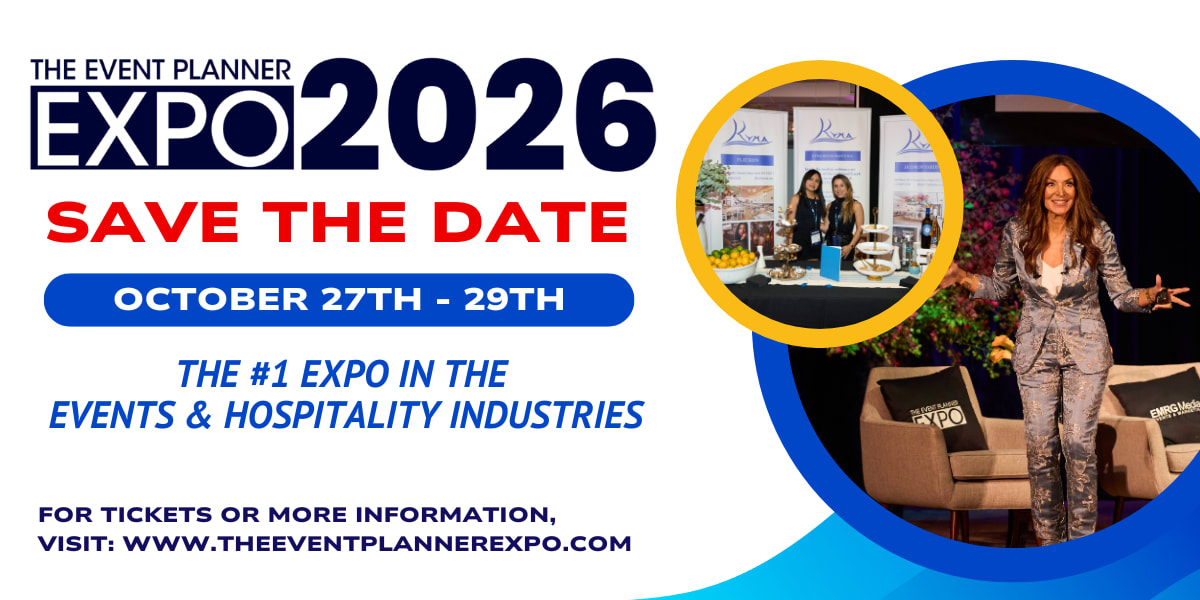
Networking isn’t awkward by default, it feels that way when people are asked to perform instead of connect. When there’s real context and a clear structure, interaction happens naturally. That shift is about less pressure and more intentional design around how people actually engage. It’s also the kind of thinking being refined at The Event Planner Expo 2026, where planners are moving beyond traditional networking formats to create environments that make connection feel effortless, not forced.
Claim your booth before prime floor space is gone.