How NYC Events Are Creating Belonging Without Forced Networking
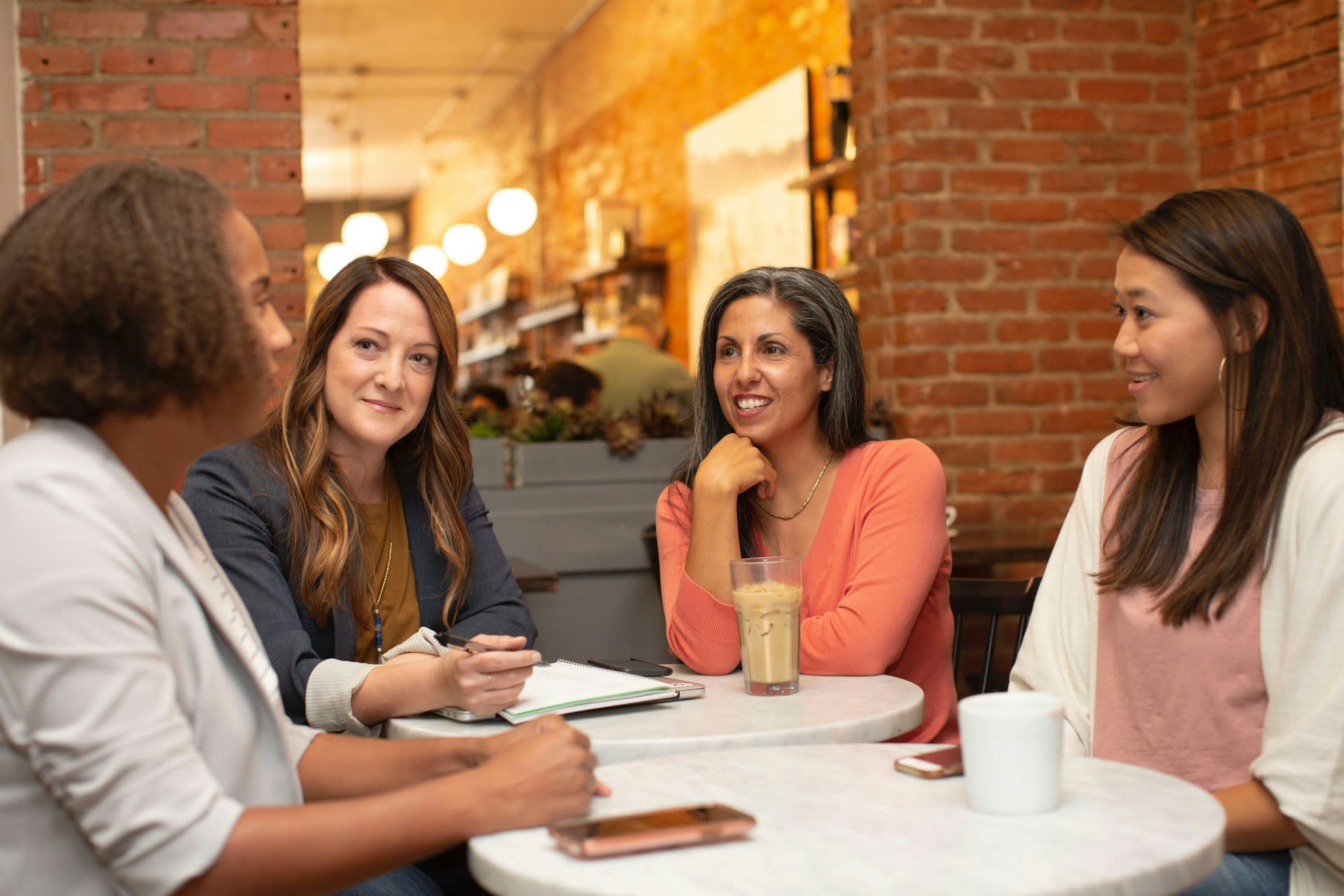
Networking is key to career success, and a big reason people attend NYC events. After all, networking helps land 85% of jobs, and research shows that networking is also helpful for freelancers and entrepreneurs.
But if you want your NYC event to be the go-to networking function for career-minded New Yorkers, you have to move beyond icebreakers and Catchbox Cubes. Instead, you need to curate events that promote genuine belonging. In this article, we’ll show you how.
Belonging and Why It’s Not Found at Most Events
Networking has been around since before Louis XIV created his tiresome etiquette rules. And for many people, networking is as much of a chore today as it was then.
From shallow icebreakers to small groups of awkward strangers, most networking activities feel forced and, at best, lead to superficial connections. Attendees often leave these gatherings feeling exhausted and without the strong contacts that blossom into synergistic relationships.
Events that focus on belonging measure networking success in relationships, rather than business card collections. Attendees are encouraged to bring their “true selves.” And in doing so, they naturally attract connections with like-minded people. The networking event boosts guests’ careers and satisfies their need for social belonging.
Designing Events That Prioritize Interaction Over Transaction
Despite its shortcomings, old-school networking feels familiar. Attendees can measure their success by the stack of business cards in their back pocket.
Fostering belonging over old-school networking has more rewards, but it also feels riskier for some. The key for event planners is to create events that make interaction and belonging feel natural and comfortable.
Floorplans That Encourage Conversation
Nothing sparks social anxiety like rows of white tables and hard chairs reminiscent of high school cafeterias. Instead, create a floor plan that encourages your guests to relax.
Comfortable sofas and lounge chairs arranged in small groupings are natural settings for spontaneous conversation. Arranging your floor plan so that people can move freely from the crowd for a break and then back again will help reduce social pressure.
Programming That Sparks Discussion
The usual breakout group discussions rarely lead to real connections. Oftentimes, the discussion is led by one or two extraverts, while everyone else fidgets uncomfortably.
Instead, interactive experiences that give attendees something to do will help everyone relax and enjoy themselves. Workshops that teach participants how to bake sourdough bread or a Family Feud-style game show will gently break down walls and encourage participants to be themselves.
A Focus on Hospitality
Throughout your event, focus on your guests’ comfort and needs. A hospitality-led approach will ensure that hunger pains or the anxiety of being unable to find the right presentation room won’t get in the way of guests enjoying themselves.
Accommodating Introverts, the Outgoing, and Everyone in Between
We tend to think most people are extroverted, with a minority being introverted. In the U.S., we tend to favor extraversion more, and that bias often shows up in event planning. However, most people are in the middle. And even extraverts need downtime.
So, incorporate areas at your event, away from the activity, where guests can lounge and decompress. When you give attendees the opportunity to recharge, they can re-engage with your event and make genuine connections.
Cultivating Villages Within the Larger Event
Help attendees find “their people” by cultivating smaller communities within the larger event. Niche learning tracks will attract people with similar interests. As they begin to see the same faces at these smaller presentations, it will be easier to connect organically.
Technology’s Role in Creating Connection
Technology can encourage genuine connections at your events, but be careful not to rely on it too much. A social media and messaging interface in your app can help people connect. But matchmaking tools tend to match people based on their resumes, not their personalities.
The Ultimate Networking Room Full of Opportunities at The Expo
Networking is one of the most powerful ways to boost your career. It’s no wonder that meeting others and making connections is a top reason people attend events.
If you’re serious about designing events where people don’t just exchange business cards but actually build relationships, it’s time to step into the rooms where those ideas are being shaped. The Event Planner Expo brings together the planners, brands, and decision-makers who are redefining what connection looks like in NYC. Exhibit your brand, showcase your expertise, and put yourself in front of the people creating the next generation of meaningful event experiences.