What Affluent Clients Want to Know Before They Approve the Budget

If you’ve ever had a high-value event proposal stall out, you already know this truth.
Affluent clients in NYC don’t hesitate because of price. They hesitate because something doesn’t feel clear, controlled, or worth it yet.
By the time a budget is approved, they’ve already made a decision about you as an event planner. They’ve decided whether you understand their expectations, whether you can deliver at their level, and whether your event planning approach feels structured enough to trust.
Right now in 2026, that bar is higher than it’s ever been. Clients have more access to ideas, more exposure to elevated experiences, and less patience for vague proposals.
If you want faster approvals and bigger budgets, here’s what they’re looking for before they sign off.
A Clear Vision They Can Picture Without Needing to Interpret It
Affluent clients don’t want to “figure out” your event planning concept. They want to see it.
In NYC, where high-end events compete on look, feel, and originality, your vision has to come across immediately. If your proposal relies on general descriptions or broad themes, you’re forcing the client to do extra work, and that’s where hesitation creeps in.
Strong event planners are presenting a defined concept early. That means walking the client through how the event will feel from arrival to exit, what kind of energy the space will carry, and how each production element contributes to that experience. You don’t need a full production buildout, but you do need enough detail to make the event feel real.
When that clarity is there, the budget starts to make sense. When it’s not, every line item gets questioned.
-
- Visual previews or mood boards that reflect the actual direction
- A narrative that connects design, flow, and guest experience
- Specific language that removes guesswork instead of adding to it
Confidence That You Can Execute at the Level You’re Selling
High-budget clients in NYC aren’t just buying ideas. They’re buying execution.
They’ve seen events fall apart because the planning looked good on paper but didn’t translate onsite. That’s why they’re paying close attention to how you talk about delivery, not just design.
An experienced event planner builds confidence by showing how their process works. That includes how vendors are selected, how timelines are managed, and how changes are handled without impacting the guest experience. Clients want to feel like there’s structure behind the creativity.
When your event planning approach feels controlled and repeatable, clients are far more comfortable approving larger budgets.
-
- A defined production process that shows how you move from concept to execution
- Examples of past events that demonstrate consistency, not one-off success
- Clear communication around how your team manages complexity
A Vendor Strategy That Matches the Level of the Event
Affluent clients know that the quality of your vendors will shape the outcome of the event.
In NYC, where vendor talent ranges widely, they want to understand who you’re bringing in and why. If your proposal lists vendors without context, or leaves those decisions open-ended, it creates uncertainty around the final product.
Strong event planners use vendor selection as part of their pitch. They explain how each partner contributes to the overall experience and why they’re the right fit for that specific event.
That level of intention signals that you’re not assembling a team last minute. You’re curating one.
-
- Vendor recommendations tied directly to the event concept
- Clear rationale behind each selection
- Confidence that your team can work together seamlessly
A Budget That Feels Structured, Not Inflated
Affluent clients expect to spend. What they don’t want is to feel like they’re guessing where the money is going.
In 2026, transparency is a major factor in budget approvals. Clients want to understand how their investment translates into experience, and where the biggest impact is being created.
A strong event planner doesn’t just present numbers. They present a structure.
You should be able to walk a client through how the budget is allocated, why certain areas require more investment, and where adjustments can be made without compromising the event. That kind of clarity removes friction and speeds up decision-making.
-
- Budget breakdowns that align with production priorities
- Clear explanations of high-impact spend areas
- Flexibility built into the plan without weakening the experience
Assurance That the Guest Experience Justifies the Spend
At a certain level, affluent clients stop thinking about cost and start thinking about outcome.
They’re asking themselves whether the event will feel worth it to their guests. Whether it will reflect their brand, their reputation, or their personal standards.
In NYC, where expectations are high and competition is constant, that question carries weight.
An experienced event planner addresses this head-on by showing how each decision contributes to the guest experience. That includes flow, pacing, atmosphere, and the moments that will stand out after the event is over.
When clients can see how the experience comes together, the budget starts to feel like an investment instead of a risk.
-
- A defined guest journey from arrival to departure
- Intentional moments that create impact and memory
- Alignment between the event’s purpose and how it’s experienced
A Timeline That Shows Control, Not Uncertainty
One of the fastest ways to lose confidence during event planning is a timeline that feels loose or reactive.
Affluent clients want to know that you’re in control of the process from the start. That doesn’t mean everything has to be finalized immediately, but it does mean you should have a clear path forward.
Right now, NYC event planners who close high-budget projects are presenting structured timelines that outline key milestones, decision points, and production phases. That visibility helps clients understand what happens next and when.
It also reinforces that you’re managing the event, not chasing it.
-
- Milestones that keep the project moving forward
- Defined decision points that prevent last-minute pressure
- Clear communication around what’s needed from the client and when
Proof That You Understand the NYC Market at a High Level
Affluent clients expect their event planner to know the city.
Not just venues, but how events actually operate in New York. That includes logistics, vendor dynamics, audience behavior, and the pace at which things move.
When your event planning approach reflects that understanding, it builds credibility fast. When it doesn’t, clients start to question whether you can deliver at the level they expect.
Top planners are bringing NYC-specific insight into every conversation. They’re factoring in venue limitations, seasonal patterns, and audience expectations without needing to be prompted.
That level of awareness separates experienced planners from those still learning the market.
-
- Knowledge of venue constraints and opportunities
- Awareness of timing, seasonality, and audience behavior
- Confidence in navigating NYC-specific production challenges
A Planning Partner Who Feels Like an Extension of Their Brand
At the high end of the market, clients aren’t just hiring an event planner. They’re choosing someone to represent them.
That means your communication, your process, and your decision-making style all matter. Clients are looking for alignment in how you operate, not just what you produce.
In 2026, this is becoming more important as events play a bigger role in brand positioning and relationship building.
Strong event planners are demonstrating that alignment early. They’re asking the right questions, showing an understanding of the client’s goals, and making recommendations that feel intentional.
That builds trust, and trust is what moves budgets forward.
-
- Communication that reflects the client’s tone and priorities
- Recommendations that align with their goals, not just your preferences
- A collaborative approach that feels structured and thoughtful
Where Event Planners Go to Refine Strategy and Win Bigger Budgets
If you want to consistently land higher-budget clients, you need to stay close to what’s working in the NYC event space right now.
That means learning from other high-performing event planners, seeing how top-tier events are being positioned, and understanding how expectations are evolving.
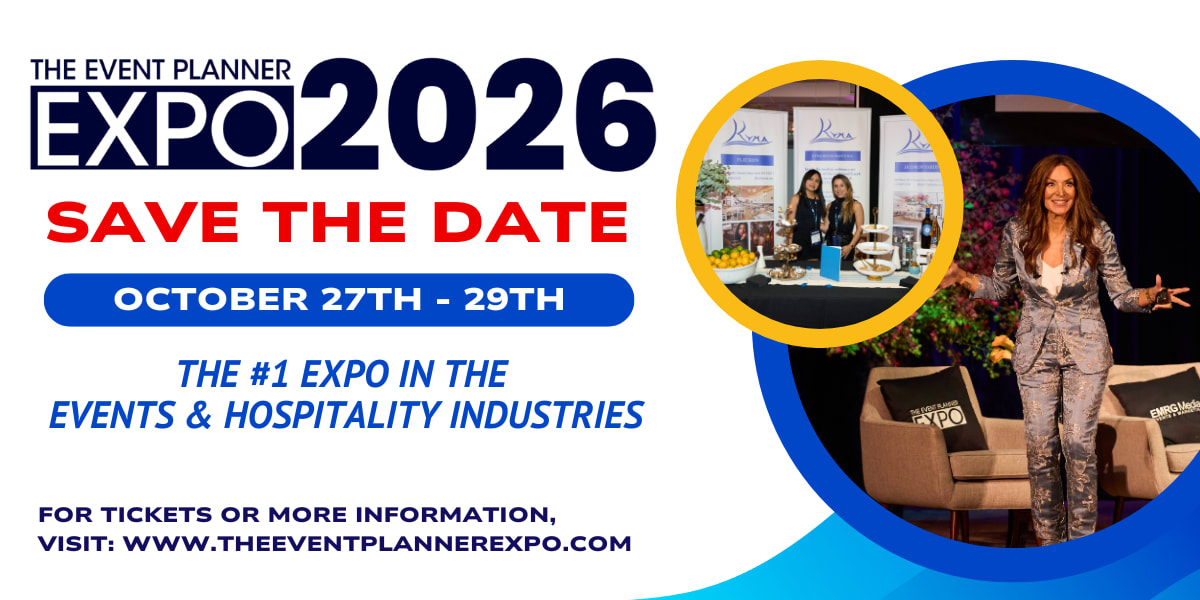
That’s exactly what happens at The Event Planner Expo 2026.
It’s where event planners, brands, and decision-makers come together to share strategies that are actually driving results, not just ideas that sound good in theory. Reserve your booth today!