11 Ways to Layer Textures and Materials for a Richer Event Look

What does it mean when an event’s design falls flat? It isn’t about the color palette or the layout. The vent could have a solid theme, yet it still feels underwhelming. The problem is that everything is at the same level. It reflects light in the same way. Nothing visually stands out from anything else. The room is lacking texture and layers.
1. Start With a Dominant Material
Most event planners start their design with a color palette. The problem with this singular approach is that it leads to surface-level design decisions. The materials used are just as important as the colors.
Ask yourself what you want the room to feel like. It could be formal and structured, reflective, or earthy and grounded. The vibe you want to achieve will influence which materials to choose.
This does not mean limiting yourself to only using one material. What it does mean is using materials that complement the type of atmosphere you want to create.
2. Contrast Absorption and Reflection
Think about how the materials you choose interact with light. Because lighting is taking a more central role in event design, the materials you choose will look different under different lighting designs. Some materials absorb light. While other materials are highly reflective.
Using a good balance of absorbing and reflective materials creates depth in the space. It also helps to create layers and movement.
Try using a matte table with reflective glassware. Or you could have velvet furniture with metallic accents.
3. Layer Soft and Structured Elements Together
A room that is entirely soft can feel undefined.
A room that is entirely structured can feel rigid.
Layering both creates balance.
Soft elements like fabric, upholstery, and draping introduce comfort. Structured elements like metal, wood, and stone introduce stability.
When combined, the space feels intentional.
Guests respond to this immediately. They may not identify the materials, but they feel the contrast between comfort and structure.
In execution, this means avoiding uniformity.
A lounge area with soft seating should be grounded with structured tables. A hard-surface environment should be softened with fabric elements.
In corporate settings, this balance also affects behavior.
Spaces that feel too rigid limit interaction. Spaces that feel too soft can lack energy. The combination supports both.
4. Use Vertical Surfaces
It’s easy to layer materials on flat horizontal surfaces. The majority of layering often happens at eye level or below. That means that the vertical services are forgotten about. That’s an opportunity wasted. Add layers to the walls, backdrops, and installations.
When you add layers to these areas, you create depth in the room. It creates scale to change the guest perception of the venue and event.
5. Introduce Material Transitions Between Zones
You worked so hard to create different zones throughout the event. Why waste that effort by having every area feel and look the same? Material transitions between the different zones create a visual divider. It signals to guests that they are about to experience something different.
Using different materials in each area is also a way of creating an immersive differentiator. The lounge areas could have softer, more inviting materials. The bar area could have more reflective surfaces. The VIP area could have more high-end materials. Networking areas could have light woods.
6. Scale Materials Intentionally
Not all materials are going to be effective at carrying the same amount of visual weight. Some materials work better at anchoring the space. Others are better at supporting it. Scale helps define these two types of materials.
Large surfaces and structural elements are better suited for grounded materials. Smaller and decorative elements are perfect for variation and detailed materials.
Having a balance helps prevent visual overload. It’s like limiting your color usage to prevent sensory overload for your guests.
7. Keep the Palette Tight, Expand the Materials
Using too many colors adds visual noise and makes the space feel chaotic. Keep the color palette tight and expand the materials used. The slim color palette helps to keep the space feeling cohesive. The material usage keeps the space visually interesting.
It’s all about maintaining control. Guests don’t become overwhelmed while still being able to appreciate the textures and finishes.
8. Use Lighting to Reveal Texture, Not Just Illuminate It
Lighting does more than make a space visible.
It defines how materials are experienced.
Directional lighting can highlight texture. Soft lighting can flatten it. The placement and intensity of light sources determine whether materials read as intentional or incidental.
This works because it connects design elements.
Texture without lighting can go unnoticed. Lighting without texture can feel empty. Together, they create depth.
In execution, this means positioning light sources to interact with materials intentionally.
A textured wall should be lit in a way that reveals its dimension. A reflective surface should catch light without overwhelming the space.
In NYC venues where lighting conditions can vary, this approach ensures consistency in how the design is perceived.
9. Introduce Subtle Imperfection
Perfectly uniform materials can feel sterile.
Subtle variation creates interest.
Natural materials, hand-finished surfaces, or slight inconsistencies in texture introduce a level of authenticity that manufactured uniformity cannot replicate.
This works because it adds character.
Guests may not consciously notice it, but they respond to it.
In execution, this means allowing for variation within the design.
A slightly irregular surface. A material that changes under different lighting. Elements that feel crafted rather than produced.
In New York, where audiences are highly attuned to authenticity, this approach creates a more grounded experience.
10. Layer Materials Within the Same Element
Layering does not need to happen across different objects.
It can happen within a single element.
A table setting that combines multiple materials. A seating arrangement that integrates different textures. A bar that uses layered finishes.
This creates micro-level detail.
Guests experience the design up close, not just at a distance.
In execution, this means thinking beyond individual pieces and considering how materials interact within them.
In corporate events, this level of detail often separates a well-designed space from one that feels standard.
11. Let Materials Guide Movement
Materials can influence how people move through a space.
Changes in flooring texture, shifts in surface finish, or variations in material underfoot can subtly guide direction without needing signage.
This works because it is intuitive.
Guests respond to physical cues without needing instruction.
In execution, this might mean transitioning from one material to another to indicate a shift in space or purpose.
In NYC venues where navigation can be complex, this approach supports flow while maintaining design integrity.

Learn More About Layering Textures at The Event Planner Expo
Textures and materials are essential for creating layers in event design. They can create movement while also adding structural shape. Materials can create depth while helping to set the tone of the event.
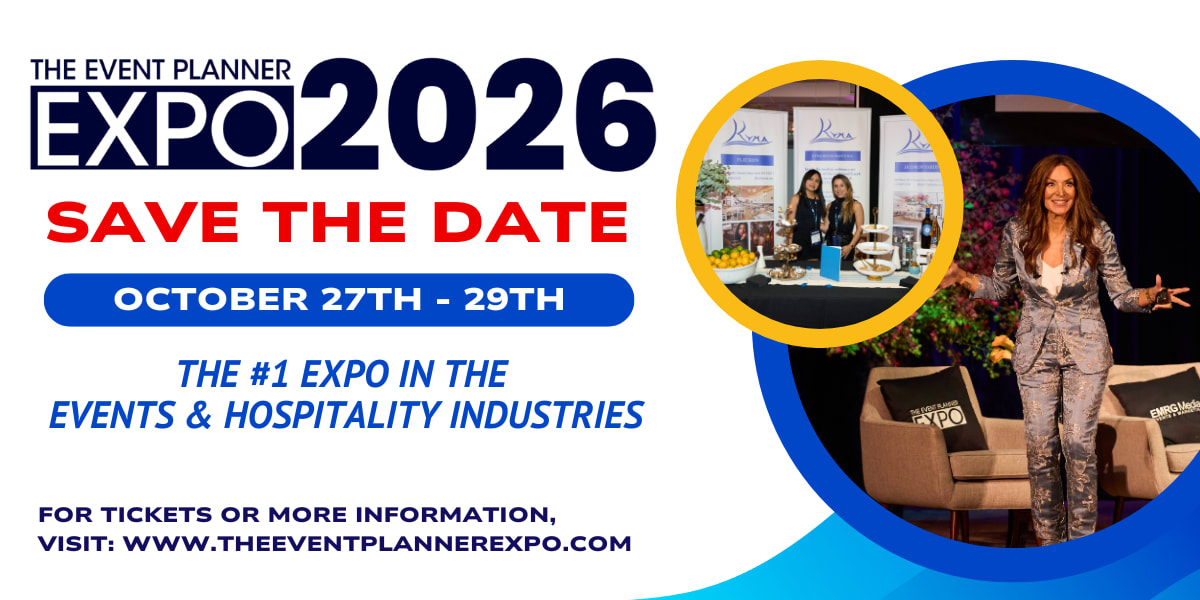
And it is exactly the level of design thinking being refined at The Event Planner Expo 2026. Event planners are moving beyond surface-level aesthetics and building environments. They are using texture, material, and layering to create depth, clarity, and a more immersive guest experience from the moment attendees step into the room.
This is where the industry is heading. Get your ticket and be there.