10 Monochrome Event Designs That Prove One Color Is Enough

Monochrome design is often misunderstood as minimal. In reality, it is one of the most challenging color schemes in event design. When you remove color variation, you take away the easiest tool for creating contrast. The strongest monochrome environments in 2026 are layered. They reveal depth over time instead of presenting everything at once. These are the approaches that prove a single color, when used intentionally, is more than enough.
1. All-Black
With the popularity of black in monochromatic design, it’s easy to assume that it is an easy color to work with. That’s not the case. An all-black environment works when it is built through variation, not uniformity. Matte surfaces absorb light. Gloss finishes reflect it. Textiles soften it. Structured materials anchor it.
These variations are essential for a room that feels dimensional. Otherwise, you risk the venue feeling like a black hole or dungeon.
Lighting is a must for an all-black color scheme. Directional lighting creates contrast. The room has depth without introducing additional color.
2. Soft White
White can be a blank canvas. But an all-white monochromatic room can feel cold and clinical. The secret to its success is layering tonal whites in the same color family. Skewing more towards warm whites will make the space feel more welcoming. Cool whites can have a futuristic or modern feel. The subtle variations in these whites create depth and help the space feel less like a hospital.
Texture is also essential. You don’t want a bunch of smooth surfaces everywhere. Try adding white fabric, stone, or plaster. This works particularly well in corporate settings where clarity and openness are priorities.
3. Tonal Green
Green makes a space feel more professional and grounded. It’s a color found in nature that inspires the same reactions in guests as using natural materials does. There’s a peace and comfort to the color. Using varying levels of saturation and tone can keep these benefits while also adding visual interest.
Deep forest tones anchor the space. Softer sage tones open it up. Muted greens create transition points between areas.
4. Warm Neutrals
Don’t overlook neutrals and boring or simple. Taupe, sand, and warm beige are the OG colors for monochrome. They are understated but highly effective. The key to making them work is understanding color theory and how neutrals change with their varying undertones.
Using cool and warm undertones creates visual shifts. Use balance and restraint to create a space that feels effortless. Guests won’t be overwhelmed by color. However, they will notice the depth.
5. Deep Navy
If black feels too heavy and harsh, then consider using navy instead. It has the same weight and visual presence without the harshness. Navy adds formality and structure to a space.
Matte navy surfaces create stability. Satin or semi-gloss finishes introduce subtle reflection. Textiles soften the overall look.
Under warmer light, navy reads softer. Under cooler light, it sharpens. This allows the space to evolve slightly throughout the event without changing the palette.
6. Monochrome Metallic
Event planners are used to using metallics as accents. Take a fresh approach by giving metallics the center stage. Gold, silver, and bronze can be elegant as a monochrome color scheme. Each has varying shades that can add richness and depth in a way that feels intentional. You can also use different finishes, such as polished, matte, or brushed. Light then reflects off these surfaces in different ways to create depth and movement.
Metallics are a challenge, though. Too much reflection, and it will be an uncomfortable space to be in. Don’t use enough reflective surfaces, and the space feels dull and flat.
7. Pastel Environment
Pastels have to be used carefully, or an event can quickly end up looking like a baby shower. Unless the event is a baby shower, this isn’t a good thing. The key is saturation control.
You need some soft elements and some pronounced elements. This approach can work well for a daytime corporate event where you want a light, bright feel in the room.
8. Earth-Tone
Earth tones create warmth without requiring additional contrast.
A monochrome palette built around terracotta, clay, or brown tones introduces depth through variation in intensity.
Lighter tones open the space. Darker tones anchor it.
Material selection plays a significant role.
Natural finishes, ceramics, and textured surfaces reinforce the palette without breaking it.
This approach feels grounded.
In corporate settings, it creates a more relaxed environment without losing structure.
In New York, where blending natural tones into urban spaces creates contrast, this palette feels intentional and current.
9. Charcoal and Grey Gradient
Grey is so often overlooked because it’s viewed as the stuffy neutral. It’s a shame, because grey as a monochrome can be dynamic and sleek. Light greys, mid-tones, and deep charcoals create a spectrum within a single color family. It’s easy to create depth without having to use any other colors. It supports both formal and relaxed settings without needing adjustment.
10. Color-Drenched Environment
A color-drenched space is the most aggressive approach to the monochrome color scheme. It means that every single element in the space is a single color. The walls, furniture, decor, literally everything.
The key to making a color-drenched room a success is variation. You need different finishes, textures, and lighting. These elements prevent the space from flattening out and becoming really boring. When done right, the event becomes incredibly immersive. Guests are literally surrounded by the color.

Learn More About Monochrome Event Design at The Event Planner Expo
Monochrome design is about exhibiting control. When done well, a single color serves as a framework. There are fewer distractions and better design decisions. The space feels cohesive and refined.
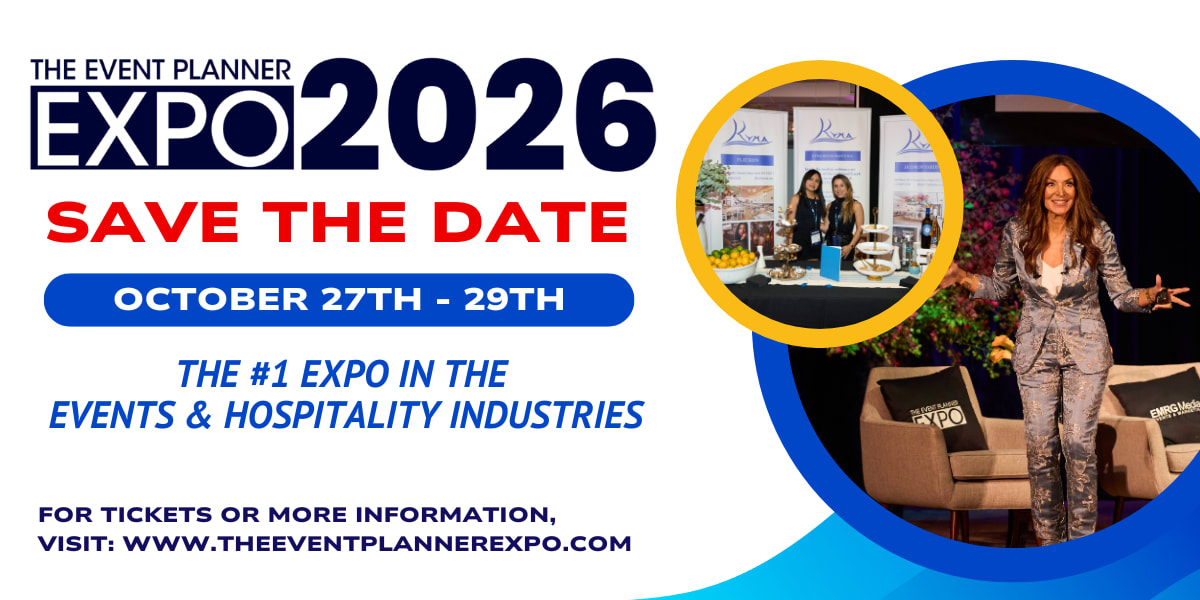
And it is exactly the kind of approach being refined at The Event Planner Expo 2026, where planners are moving beyond multi-color palettes and into more controlled, layered environments that rely on texture, light, and composition to create depth without needing excess to define the experience.
Get your ticket and step into what’s next for event design.