8 NYC Event Design Moves That Make Spaces Feel Intentional
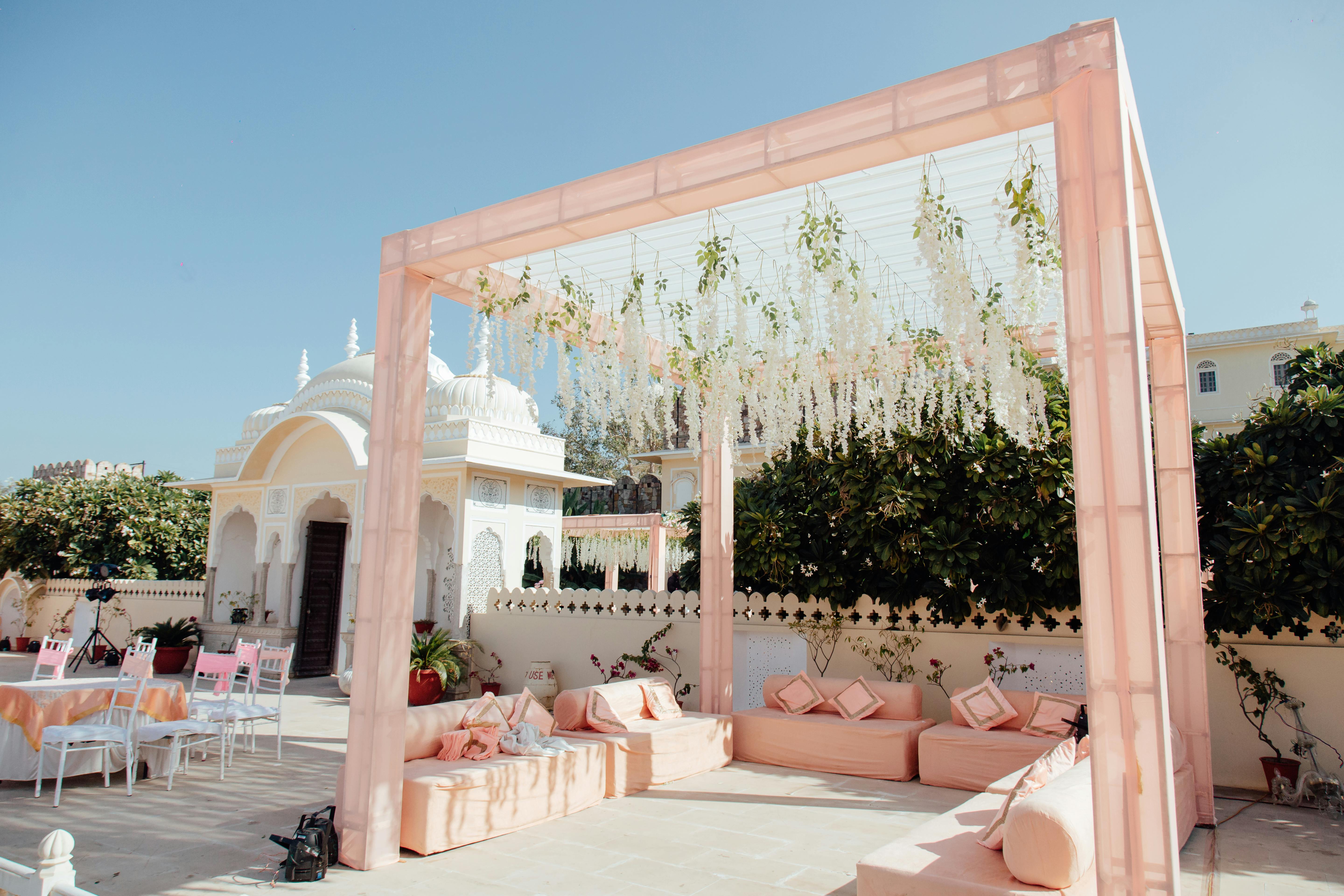
You did everything right, but the event never really feels like it came together. The florals are arranged. The catering is hot and ready. The bar is stocked. Yet it still feels off. As the event planner, you feel. The guests feel it too. Top NYC event planners know how to overcome this by making smarter design decisions.
1. Designing the Room Around Behavior, Not Floor Plans
The fastest way to make a space feel accidental is to design it around the venue’s default layout.
Intentional designers start with how people are supposed to act. Where should they enter and pause? Where should conversations happen? Where do you want energy to build or calm down? Then the layout follows.
This is why you’re seeing fewer “everything against the wall” setups and more spaces that guide movement naturally. Bars are placed where people will gather, not where the venue suggests. Lounge areas positioned to slow traffic, not just fill space. Registration that doesn’t leave guests confused.
When behavior drives layout, the room makes sense without anyone explaining it.
2. One Clear Visual Anchor Instead of Ten Competing Ones
The room begins to feel messy when too many focal points compete for attention. Instead of adding more, look for ways to edit the decor. Not everything needs to be a moment.
Create an intentional space by choosing one main visual anchor. It could be the stage, a large art installation, a bold scenic wall, or oversized decor hanging from the ceiling.
The rest of the room can feature smaller decor pieces that complement the statement piece.
3. Letting Lighting Do More Than Its Job Description
Lighting is one of the biggest separators between “decorated” and “designed.”
Intentional event spaces use lighting to define zones, guide movement, and change energy over time. Brighter, softer light where people are meant to mingle. More focused, dramatic light where attention should go. Warmer light where people should linger.
This removes the need for excessive signage or physical dividers. Guests intuitively understand where to go because the room tells them.
If lighting is flat and uniform everywhere, the space feels unfinished. If lighting serves a purpose, the whole event feels well thought out.
4. Editing the Decor Instead of Layering It
Know when to stop. Elegant event venues begin to look unintentional because someone didn’t know when to stop. Become a ruthless editor. Ask yourself what the decor actually does. If it’s just pretty and doesn't do anything for the room, it’s time to go.
This isn’t minimalism. It’s respecting that you need a balance between decor and space. The negative space gives your design room to shine.
5. Making Branding Feel Environmental, Not Applied
Nothing breaks intentionality faster than branding that feels slapped on.
Logos taped to walls. Step-and-repeats shoved into corners. Random signs that don’t match anything else. It reads as last-minute, even when it wasn’t.
Intentional design weaves branding into the environment. Large-scale logo moments that feel architectural. Color palettes that echo brand tones subtly throughout the space. Messaging that appears where guests naturally pause.
When branding feels embedded rather than added, the space feels cohesive rather than commercial.
6. Creating Zones That Have Clear Jobs
There’s a lot of talk about creating zones within the event space. But what does this really mean? What should the zone be? How should you utilize them?
The zones you create should feel intentional. Think beyond deciding where the furniture will fit. Instead, think about the type of communication and interaction you want to happen.
A networking zone is bright and open. It lets people move about from person to person. Lounge zones have dimmer lighting and aremore enclosed. They feel more intimate.
Food zones have more space because they need to accommodate people gathering. The lighting is bright enough to see what you’re eating, but not so bright that it feels like a cafeteria. The space needs to feel energetic without becoming chaotic.
7. Designing for Transitions, Not Just Moments
An event is in motion, not just a series of moments. NYC event planners who think about transitions create more intentional events. They think about what happens between the moments and the programming.
They are using lighting shifts. They plan for music changes. They plan for the catering to arrive at the perfect time. These subtle changes work together to create shifts in the room.
8. Leaving Space for Humans to Exist
Even the best event planner can forget that the events are about people. Over-designing can easilylead to over-filling the event space. A space that feels intentional leaves space for the humans in the room.
You don’t need decor in every corner. You don’t need to put branding on every surface. Every moment of the evening does not need programming.
Guests want to feel like they are welcome in the space, and that means giving them room to stand, sit, and move about. It gives them permission to linger and engage.

Learn More About Event Design at The Event Planner Expo
You don’t have to spend more to make a better impression. Event planners who understand this make smarter and more strategic design decisions. The venue space feels more intentional, and guests feel more comfortable.
If you want to see how designers and planners are applying these moves in real environments, get tickets to The Event Planner Expo 2026. Walk the event floor to see what works.
Purchase your tickets now to secure your place at the premier event planning expo.