How Top Planners Build Flexibility Into the Run of Show Without Losing Control
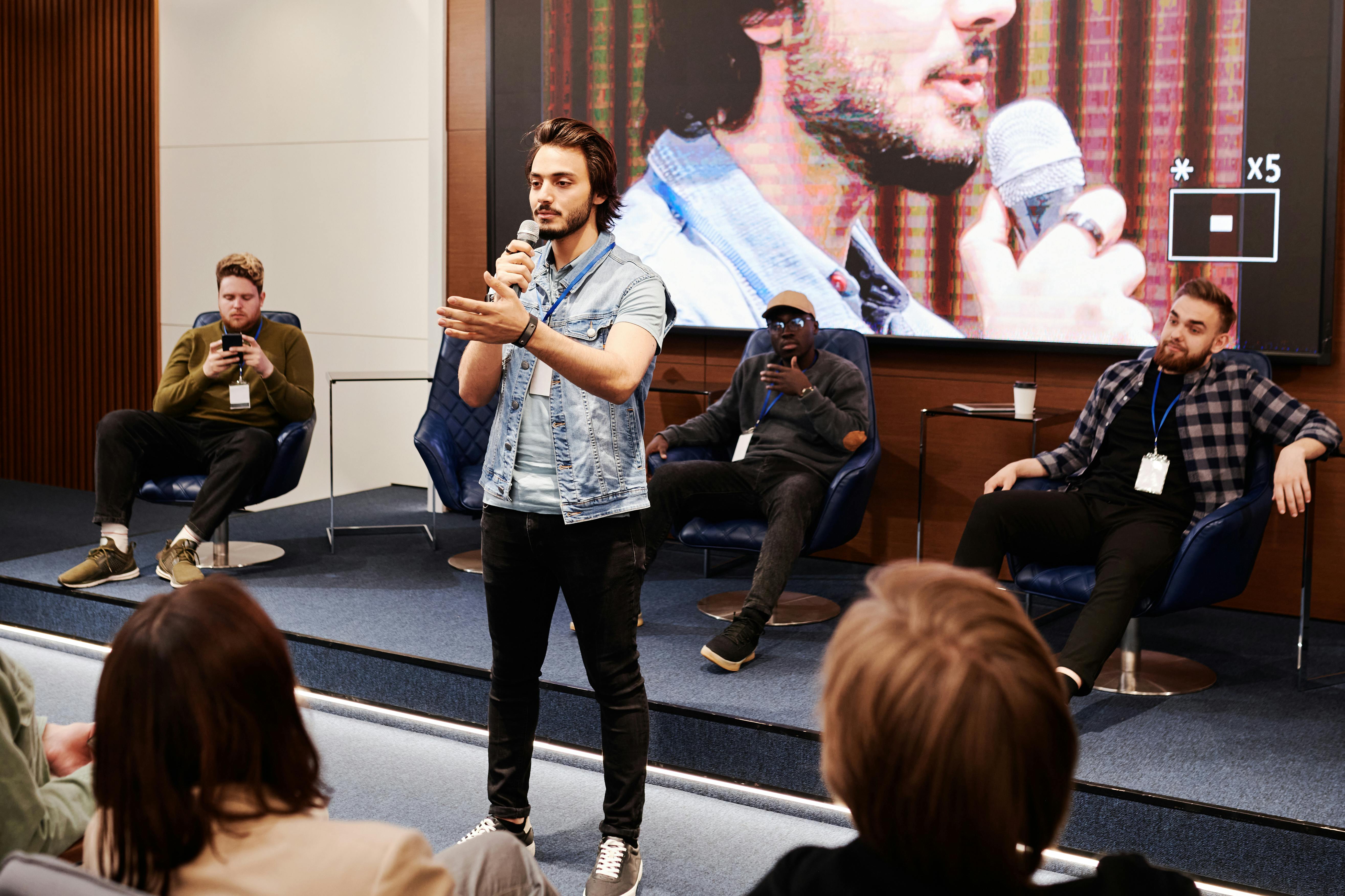
No event unfolds exactly the way it was rehearsed. A panel runs over, a sponsor activation draws a bigger crowd than expected, or a networking moment becomes the highlight of the night. The run of show has to keep the production organized while leaving room for those real moments to happen. Top planners know how to structure their timelines so they can adapt quickly without losing control of the event.
Even the Best Event Plans Change
The best laid plans never execute the way you envision. That isn’t always a bad thing. Life is unpredictable, and beautiful, memorable moments can arise from that unpredictability. As event planners, we need to prepare for these moments.
A scheduled speaker could run over their allotted time. There could be a technical issue with the AV equipment that delays the start of a speaker or an entertainment performance. Guest unpredictability can delay the entire event when most guests arrive late. Traffic, weather, and other unpredictable elements can cause event delays. Networking events are on fire, and guests are locked in, causing them to run longer than planned.
Difference Between Flexibility and Chaos
There’s a fine line between flexibility and chaos. Flexibility is intentional while maintaining control. The planned schedule isn’t abandoned, just adjusted. Chaos happens when the event planner loses control, the schedule is abandoned, and everyone does their own thing with total disregard for event staff, vendors, and the event planner.
Strategies Top Planners Use to Build Flexibility Into the Run of Show
Top NYC event planners hope for the best and plan for the worst. They build stop gaps and safety nets into their run of show. That way, when things threaten to go off the rails, they adapt and overcome.
Build Time Buffers Into the Schedule
The simplest approach is to build time buffers into the schedule. Five minutes here. Ten minutes there. These little gaps can easily go unnoticed by guests. However, they are perfect for preventing a small delay from cascading into a major issue.
Identify “Flexible” Program Segments
Some event segments are naturally more flexible than others. Savvy event planners identify these and use them to adjust the event’s flow. By lengthening or shortening them, an event that is off-schedule can be brought back under control.
-
- Networking breaks
- Entertainment
- Sponsor activations
- Open mingling periods
Maintain Constant Team Communication
Open, clear communication is essential to ensure an event doesn’t descend into chaos. Event teams, vendors, sponsors, speakers, and the venue all need to stay on the same page. When the event planner makes a schedule adjustment, these are the first people who need to know. That way, they can adjust their element of the event for a seamless guest experience.
Prepare Contingency Plans
When all else fails, there needs to be a backup plan. When the original run of show no longer works, the backup plan replaces it. The event keeps moving forward, just on a new track. It may not be the event you originally envisioned, but it saves the event from coming to a complete halt.
Learn From Industry Leaders
Events succeed when planners combine structure with the ability to adapt in the moment. A flexible run of show keeps the energy alive, the schedule intact, and the guest experience smooth.
For companies ready to showcase their expertise in managing live events with confidence, exhibiting at The Event Planner Expo offers an unmatched opportunity. It’s where industry leaders come to learn, connect, and discover the solutions that make their events unforgettable.
Reserve your booth at The Event Planner Expo today and connect with the industry’s top professionals.