The Role of Social Permission in Guest Participation
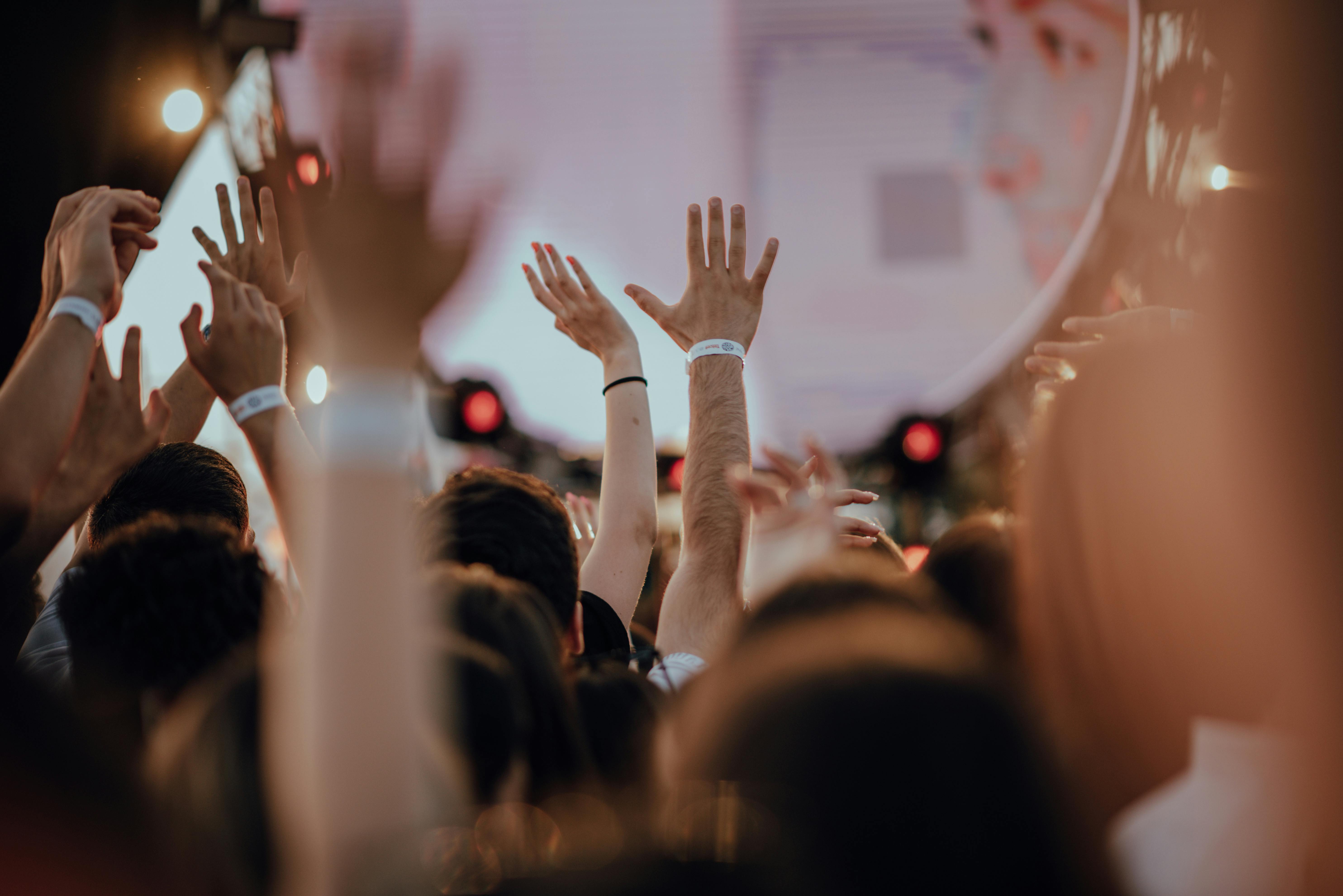
You can plan the perfect activation, book the right entertainment, and design an incredible space. It’s all for nothing if guests hesitate to participate. That hesitation often comes down to one simple factor: social permission. People want to engage and experience. They just need the right signals that tell them it’s okay to do so. For event planners, understanding how to create those signals can completely transform guest participation.
What Social Permission Means in Event Planning
Event guests are guided by social permission, even if they do not consciously realize it. Social permissions are the unspoken cues we interpret from our environment and others’ actions. It is a psychological signal that participation is welcome and expected.
Social permission invites guests to participate. This is different from forced participation. You want to give guests permission to choose to participate, not tell them they are forced or obligated to.
Why Guests Hesitate to Participate
People hesitate to participate in events for various reasons. They could be afraid of looking awkward or silly. If it’s their first time attending, they may be unsure of the event's norms. People will hang back and observe others perceived as more experienced.
Many people experience varying levels of social anxiety. These feelings can be increased in unfamiliar environments, large crowds, or formal social settings.
A simple lack of direction can give people pause. It’s up to event planners to ensure clear guidance and direction are given to motivate people to participate.
How Social Permission Drives Event Engagement
Top NYC event planners break the ice by generating the necessary social permission needed to motivate people to participate. They know that the right signals will drastically improve guests’ experiences. It can encourage people to network more, driving more casual conversation.
Interactive elements are more successful because more people take part in them. The energy in the room collectively builds. This generates a buzz that everyone can feel. The overall effect is making people feel included.
Strategies to Create Social Permission
Experienced event planners seamlessly work social permission into the event. By using multiple strategies, they can address the different reasons for hesitation. That way, they drive engagement from multiple angles.
Use Early Participants
Break the ice by using early guaranteed participants. Arrange in advance for staff, hosts, or influencers to volunteer to participate first. That way, they show everyone else what to do. With an example in place, people are more likely to volunteer next.
Provide Clear Guidance
Explicitly tell guests what you want them to do. Set up clear signage. Make regular announcements throughout the event. Give clear instructions to remove any uncertainty.
Start With Low-Pressure Activities
Make participation a small commitment for guests. These low-pressure activities make it easier for people to make the first step towards diving in. Have a photo booth near the event’s entrance. Arrange interactive displays that people can engage with briefly and then move on from. Administer live polling that only takes a second to register a response to.
After a guest does one of these small actions, it becomes easier to take a bigger step for their next participation.
Create Natural Gathering Points
Event layout is everything when it comes to encouraging guests to participate. Create natural gathering places where groups of guests will naturally collect and hesitate. For example, around the bathrooms, catering, or lounge areas. While lingering, people will naturally engage in small talk. This casual approach creates a low-pressure space for participation.
Use Hosts or Facilitators
Employ a dedicated host or event MC. Use brand ambassadors or moderators to do active outreach to encourage engagement. Then, guests don’t have to make the first move. They are more likely to participate when they are responding to outreach.
Increase Guest Participation
The best events feel alive. Guests explore, interact, and connect because the environment invites them to do so. That kind of engagement doesn’t happen by chance. It’s the result of thoughtful planning and a clear understanding of how social permission influences guest behavior.
Exhibiting at The Event Planner Expo gives brands the chance to put these ideas into action. With thousands of event professionals in the room, it’s the ideal place to create an experience that attracts attention and keeps people talking long after the event ends.
Reserve your booth at The Event Planner Expo today and connect with the industry’s top professionals.