8 Lighting Trends Defining Corporate Events in NYC This Year
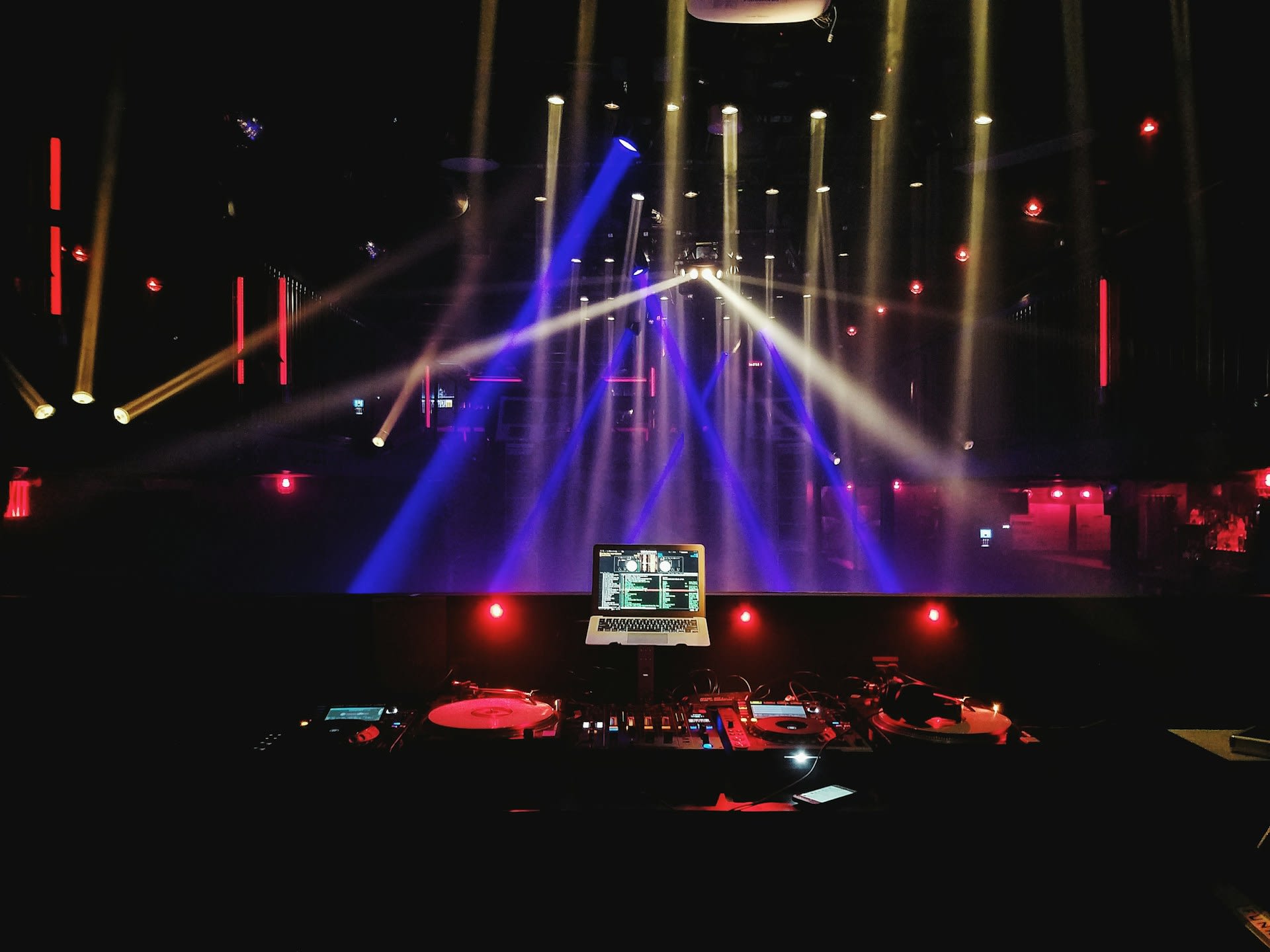
“Yeah, yeah, make it look good.” Cool. Love the creative brief. Super helpful. Stop waving off event lighting as just another line item. The best NYC event planners are giving lighting the respect and thought it deserves. It elevates mood, design, and immersive effects. Here’s what’s shaping corporate event lighting this year.
1. Lighting That Changes Because the Night Has Phases (Like People Do)
The energy that event guests arrive with is different than the energy they leave with. If you have static bright lighting that stays the same throughout the entire event, you aren’t creating a cohesive experience. It’s giving conference center vibes.
Just like your event schedule, catering plan, and entertainment, your lighting plan needs to have an arc. The arrival should be light and bright. It should reflect the optimism and excitement of the guests as they arrive. As the event shifts, the lighting should become more focused and dramatic. Direct guests’ attention to where you want with lighting.
Towards the end of the event, bring in a warmer, cosier lighting. People are feeling more relaxed, and the lighting should reflect that. It could even get slightly moodier if the event extends into the late night.
2. Big Color Moves Instead of Decorative Lighting Sprinkles
We’ve officially moved past the era of tiny accent lights trying to be meaningful.
Designers are going bold with color at scale. Full-wall washes. Ceilings glowing. Entire zones living in one strong color moment. It’s cleaner and actually easier for the eye to process than 14 small lights doing 14 different things.
It also defines areas without physical barriers. A cooler-toned networking zone, a warmer lounge corner, a dramatic stage look. Guests instinctively understand where they are based on light alone. No floor decals necessary.
And yes, brand colors are in the mix, but handled with restraint. Nobody wants to feel like they’ve been dipped in corporate blue.
3. Lighting Doing Full PR for the Venue
Let’s be honest. Not every NYC venue is a design dream. Some are… neutral. It’s your job as the event planner to bring a boring venue to life. Think architectural uplighting, wall grazing, and ceiling treatments.
With the right lighting design, a plain venue suddenly looks immersive and visually stunning. High industrial ceilings look intentional. Flat walls have depth. Dead corners disappear into a flattering shadow instead of looking like a storage area.
4. Statement Fixtures That Double as Decor
Lighting isn’t just invisible beams anymore. The fixtures themselves are part of the visual story.
Oversized pendants, sculptural chandeliers, bold hanging clusters. These pieces add scale and drama without stacking more decor underneath. One strong lighting feature can replace a bunch of smaller decorative details and still feel more elevated.
It’s also practical. When lighting carries visual weight, you don’t need to clutter the floor with extra props. And people love standing under interesting light fixtures for photos. It just happens.
5. Guest Lighting That’s Kind to Actual Human Faces
If you want people to share your event on their socials, the space and the people need to look good. If you don’t have good lighting, it doesn’t matter what angle they get; it won’t be flattering.
Avoid harsh overhead lighting. This is supposed to be an enjoyable event, not an interrogation room. Heavy overhead lighting makes everyone look tired and worn out.
Lighting that’s slightly warmer and ambient is much more flattering. Diffused light is like an in-person filter. It will flatter people’s faces and make it easier to get just the right look.
6. Light as a Traffic Cop (But Make It Subtle)
Instead of posting instructional and directional signs everywhere, use creative lighting to signal guests. Use the light to subtly guide guest movement throughout the event.
Use brighter, stronger lighting to create a path to the areas you want guests to visit, such as key activations, the bar, and catering. Create slightly darker spaces where you want to discourage guests from going. It’s human nature to be drawn to lighter areas and avoid darker ones.
This approach is a gentle guide, so no one feels herded like cattle.
7. Texture So the Room Doesn’t Feel Like a Spreadsheet
Flat light is fine. Flat light is also forgettable.
Designers are layering in texture with subtle pattern projections, gobos, and slow movement. Not club energy. Just enough variation that walls and floors feel alive.
It adds depth without adding objects. Instead of throwing more decor at blank surfaces, light creates interest that can shift throughout the night.
8. LED Walls Acting Like Giant Light Sources
Giant LED walls are cool and all, but they are, in reality, giant light sources. Done wrong, it can be jarring and overwhelming. Try using color gradients and soft motion graphics. This creates motion and helps set the mood without taking over the room.
Having a neutral display when the screens are not in use helps to integrate the room. Otherwise, it’s just a dead rectangle in the room.

Learn More About Lighting Trends at The Event Planner Expo
Event lighting isn’t just a background element or afterthought. It directly affects a venue’s look, the event’s mood, and makes guests look better. It’s the planners who treat lighting like a design element that are ahead of the trend.
If you want to see how lighting partners are pushing this in real environments, The Event Planner Expo is one of the few places where these setups show up in person, not just in renderings.
Surround yourself with decision-makers. Lock in your booth and become an exhibitor this year!