The Pre-Event Decisions That Eliminate 90% of Event Day Hassles

Most event-day stress doesn’t come from the unexpected.
It comes from decisions that were never fully made. In 2026, the highest-performing NYC planners aren’t calmer because they’re lucky. They’re calmer because they’ve locked in the right pre-event decisions early. When you handle the pressure points before load-in, event day becomes execution, not chaos control.
Here’s where the real leverage lives.
Lock the Run-of-Show Before You Touch Design
Too many teams obsess over decor before the timeline is airtight.
Your run of show is the spine of the entire experience. If it’s soft, everything wobbles. When you finalize keynote timing, catering releases, entertainment cues, sponsor moments, and transition buffers early, vendors align faster, and production friction drops dramatically.
In 2026, top NYC planners are building dynamic run-of-show docs that account for human behavior. They’re padding transitions where guests naturally linger and tightening segments where attention drops. That foresight prevents the classic domino effect of one late segment throwing off the entire evening.
If the timeline works on paper, it works in real life.
Decide the Guest Flow Before You Sell the Experience
Guest confusion causes more event-day friction than almost anything else.
Before invitations even go out, smart planners are mapping arrival points, registration design, traffic bottlenecks, restroom access, bar placement, and VIP pathways. They’re walking venues mentally and physically, not just trusting a floor plan PDF.
In NYC, especially, where venue layouts can be unconventional, guest flow decisions eliminate 90 percent of the on-site scrambling.
When you know exactly how people will move, you prevent lines. You prevent staff panic. You prevent that awkward moment when 200 guests converge on one station because no one thought about sightlines.
Flow is strategy, not logistics.
Finalize Vendor Authority Early
Event day becomes chaotic when vendors aren’t clear on who owns what.
High-level planners now designate a single point of authority for each operational category well before showtime. One person for catering releases. One for production cues. One for sponsor needs. One for venue coordination.
This isn’t about micromanagement. It’s about eliminating decision paralysis. When everyone knows who makes the final call, problems resolve in seconds instead of spiraling into group-text debates backstage.
Pre-Approve the “What If” Scenarios
Weather. Late speakers. AV glitches. Delayed deliveries.
The difference between smooth and frantic is whether contingency decisions were already made.
In 2026, proactive planners are building pre-approved Plan B playbooks. If rain hits, the tent shift is automatic. If a speaker runs long, the networking window adjusts by a pre-agreed amount. If a sponsor activation underperforms, there’s a secondary placement ready.
You don’t want to invent solutions in front of a client. You want to execute the backup like it was always the plan.
Confirm the Emotional Tone in Advance
This one gets overlooked constantly.
Every event has an emotional objective. Is this high-energy and celebratory? Is it intimate and relationship-driven? Is it prestige-forward and controlled?
When that tone isn’t clearly decided pre-event, vendors default to their own instincts. Lighting may feel too bright. Music may be too aggressive. Catering pacing may feel rushed.
Aligning every partner around the emotional goal in advance keeps the experience cohesive. It also prevents awkward course-correcting mid-event when something feels off but no one can articulate why.
Clarity prevents friction.
Use Data Before Doors Open
2026 planning is smarter because it’s data-informed.
RSVP behavior, dietary preferences, session selection, and engagement trends from previous events are being analyzed before final counts are locked. That insight influences everything from menu volume to staffing ratios to check-in staffing.
When you let real data guide final decisions, you eliminate overproduction and under-preparation at the same time.
Guessing creates stress. Forecasting reduces it.
Align on Success Metrics Before Setup Begins
If the client defines success differently than you do, event day will feel tense no matter how smooth logistics are.
Before load-in, top planners clarify what actually matters. Is it lead capture volume? Social reach? Sponsor satisfaction? Guest dwell time? Revenue per head?
When success is clearly defined, your on-site priorities become obvious. You focus energy where it counts instead of reacting to every small hiccup. Not everything deserves equal attention.
The NYC Reality Check
New York events move fast. Venues flip quickly. Union rules matter. Load-in windows are tight. That environment rewards planners who make decisions early and with conviction.
If you want fewer event-day hassles, stop trying to solve everything in real time. Make the right calls in advance. Lock the timeline. Control the flow. Assign authority. Pre-approve contingencies. Use the data.
Event day should feel like a performance, not a negotiation.
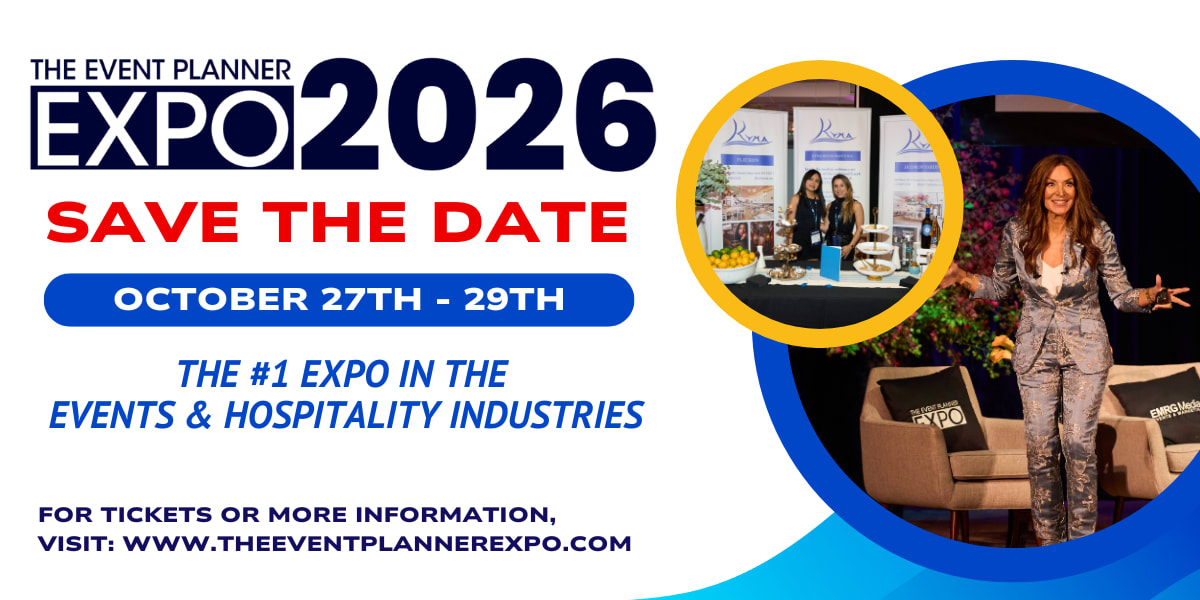
If you want to sharpen your pre-event strategy and learn how the best in the city are eliminating friction before doors open, join us at The Event Planner Expo. You’ll hear directly from the planners, producers, and partners who’ve mastered the art of stress-proof execution.
And if you’re ready to put your own expertise in front of NYC’s event community, reserve your booth on the tradeshow floor and position your brand where serious planners come to level up.
The real magic doesn’t happen on event day.
It happens in the decisions you make long before it.