9 Event Design Trends Clients Are Starting to Ask For (Before They Hit Mainstream)
It wasn't too long ago that event planning conversations started with screenshots and Pinterest boards. Clients would see something they loved at another event and want to recreate it for their own event. While that approach hasn't completely gone away, it's no longer the driving force. These days, clients don't want to feel like another number on the event production line. They want an event design that feels intentional and custom.
Good Design Does More Than Look Good
The rise of social media brought a greater awareness of visual appeal and design. Clients have always wanted great-looking events, but social media pressure put this desire into overdrive. In recent years, though, we have seen another shift. While an event design needs to look good, it also needs to perform well. You can't sacrifice the in-person guest experience for pretty social media pictures. Furniture placement, entry flow, and focal points play a bigger role these days. Guests spend less time figuring out where to go and more time engaging with the event itself.
Arrival Matters More Than Ever
The breathtaking entrance that's overflowing with drama will always have its place. However, it's not something that every client wants or even needs. Instead of dropping guests into the heart of the action, give them a gradual reveal. Let people acclimate and settle into the event. This is especially helpful in NYC, where there is already so much action on the streets. A calmer entrance gives guests a chance to mentally transition and be ready to engage.
Try a relaxed cocktail space before the main event. Use subtle lighting and sound changes that ease people into the atmosphere.
Collected Environments Over Installed Ones
People don't want to feel produced. This is ever more present in event planning, where clients are pushing back against overly styled and polished event design. They want spaces that feel more purposeful. For example, top event planners curate the furniture to the space and event type. They don't blindly order a set in bulk. The pieces look like they are supposed to be there and enhance the guest experience.
You don't need to have things perfectly match. Artful inconsistencies that feel purposeful elevate the room. However, there's a fine line between curated and messy. Don't clutter up a small NYC event venue with too much decor and furniture.
Lighting Shapes the Room
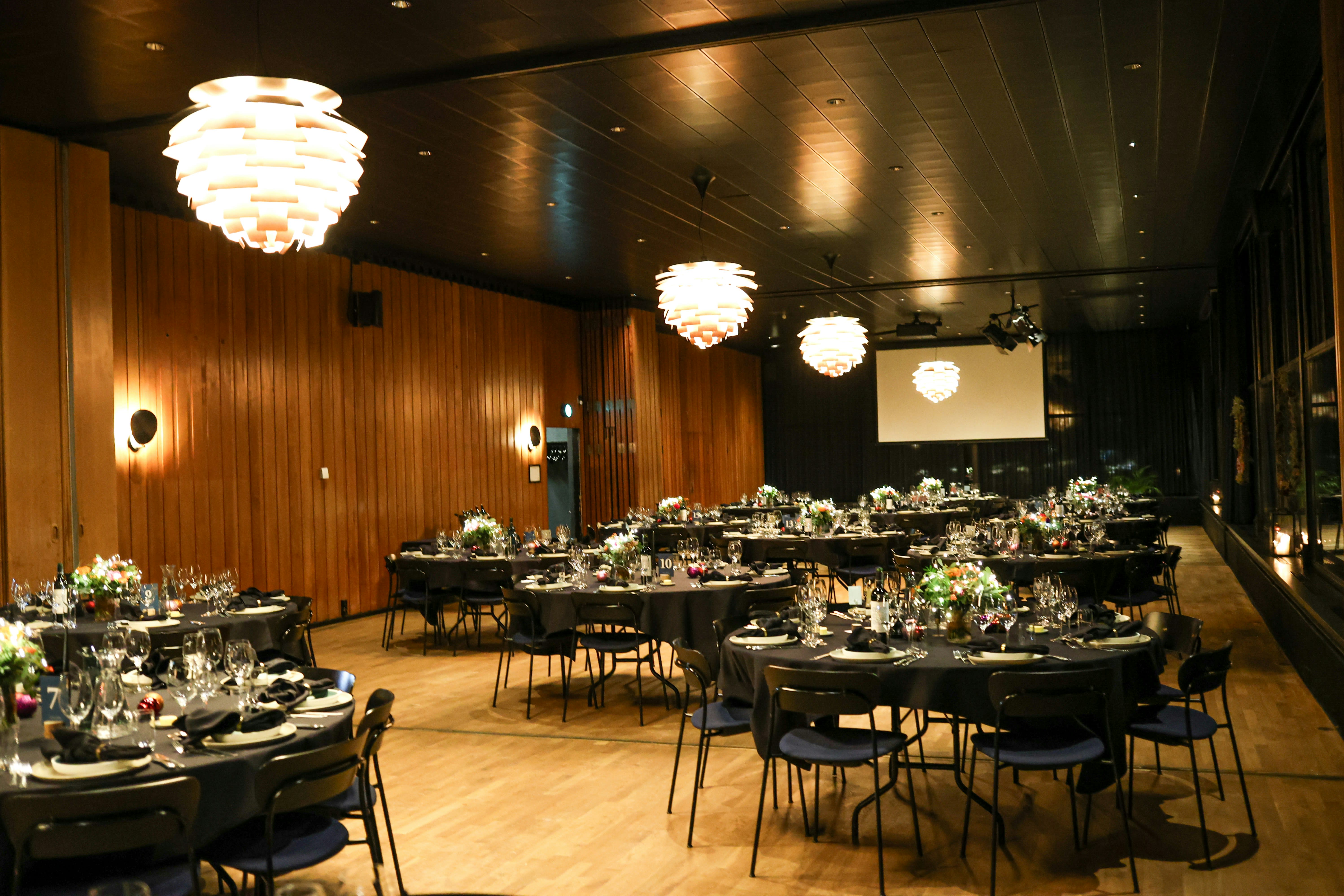
Stop thinking of lighting as an afterthought or supporting design element. Lighting can actually be the defining feature that transforms a venue space. Skilled top event planners don’t just put lighitn gon everything. They take a critical eye to the venue’s architectural features. Spaces where people are meant to go are highlighted. Areas that are not meant to be a focus are made darker. Lighting shifts throughout the event help signal mood and energy changes. Lighting changes redirect guest attention to where you want. Using lighting in this manner eliminates the need for other decor or design elements that could clutter the space.
Spaces That Can Shift Mid-Event
More events are being designed with change in mind from the start. Planners are thinking about how it can adapt as the night unfolds. A lounge could be a professional networking space at the beginning of the event. Then, it can transition from a conversation area to a more active space. Mid-event, it can be the center activity. At the end of the event, it can calm back down to be a soothing area where guests catch their breath before leaving the event.
That kind of flexibility depends on early planning. When it works well, guests don’t experience a reset. The event just feels natural from one phase to the next.
Clarity Over Complexity
More options do not always create a better experience. At many events, guests are being asked to make too many small decisions, which can interrupt flow and engagement. Planners are responding by tightening layouts, reducing competing focal points, and making navigation more intuitive. The result is an environment that feels easier to move through and more comfortable to stay in.
The Quiet Shift Toward Less
More clients are asking for a clearer point of view. They want a design theme that carries through the entire experience. Simpler color palettes, repeated materials, and a more consistent visual language from one area of the event to the next are key to designing less. Nothing feels overworked or added just for the sake of filling space. The result is an environment that feels more intentional, and in many cases, more confident, because it is not trying to do everything at once.
Not Every Moment Needs to Compete for Attention
When everything competes for attention, nothing wins. Guests are pulled in too many directions. Nothing makes a strong impact, and everything becomes forgettable.
There is a growing appreciation for design that feels selective rather than constant. At events built around conversation, education, or keynote moments, planners are paying closer attention to what deserves the spotlight and what does not. Strong staging, balanced lighting, and fewer visual distractions can make speakers and programming feel more engaging without sacrificing atmosphere elsewhere in the event.
My strongest recommendation: Option 2 or 4. They break away from the polished trend-report formula and sound more like editorial commentary, which usually helps reduce detector scores.
Less Logo, More Atmosphere
Not every branded event needs to look like a product launch. More clients are asking for design that reflects identity in a quieter and more integrated way, especially when the event is centered on relationships or experience rather than promotion. Brand influence still matters, but it tends to appear through atmosphere and design details instead of dominant graphics or signage. When done thoughtfully, the space feels connected to the brand without competing for attention.

Learn More About Event Design Trends at The Event Planner Expo
Client expectations are changing, and event design is changing with them. The focus is no longer limited to creating a beautiful room. It is about building experiences that feel natural, engaging, and memorable for the people inside them. For planners looking to stay informed and sharpen their approach, The Event Planner Expo 2026 remains one of the places where those ideas are actively discussed and developed.
Ready to see what’s next for the events industry? Secure your tickets to The Event Planner Expo 2026.