10 Ways to Design for Flow So Guests Stay Longer and Spend More Time at Your NYC Events
Every event planner has attended an event that looked fantastic but somehow felt difficult to navigate.
Guests weren't sure where to go next. The bar developed a bottleneck. One corner of the room was packed while another sat empty all night. Attendees drifted in and out instead of settling into the experience.
When that happens, the problem usually isn't the décor, entertainment, or venue. It's flow.
Flow influences almost everything at an event. It affects how long guests stay, how many activations they visit, how often they interact with sponsors, how much food and beverage they purchase, and ultimately how valuable the event feels. The best event planners understand that attendee behavior isn't random. The environment is constantly nudging people toward certain actions.
If you want guests to stay engaged longer and maximize spending opportunities, start paying attention to these ten design principles.
1. Stop Revealing Everything at the Front Door
One of the quickest ways to kill curiosity is showing guests the entire event the moment they walk in.
Think about high-end hotels, casinos, museums, and even luxury retail stores. They rarely reveal everything at once. There's always something around the next corner.
The same principle applies to event planning. Instead of allowing attendees to see every activation, lounge, sponsor experience, and food station immediately, create visual layers that encourage exploration. Guests who discover things throughout the evening naturally spend more time engaging with the event.
2. Treat the Bar Like Real Estate
The bar isn't simply a place to order a drink. It's often the busiest piece of real estate in the room.
Too many NYC events tuck bars into corners or position them in ways that disrupt traffic patterns. Smart planners use bars as anchors. They place them where they can help distribute guests throughout the venue and create natural gathering points.
A well-positioned bar can solve flow issues that planners often try to fix with signage or staffing.
3. Give People a Reason to Move
Guests need destinations.
Without them, most people find a comfortable spot and stay there. That's not ideal if you're trying to increase sponsor interaction, activation engagement, or overall energy.
A few ways to encourage movement include:
-
- Rotating entertainment
- Interactive brand experiences
- Multiple food and beverage stations
- Surprise pop-up moments
- Networking lounges in different areas
When attendees have reasons to explore, the entire event feels more active.
4. Design the Path Before You Design the Décor
This is one of the biggest mistakes event planners make.
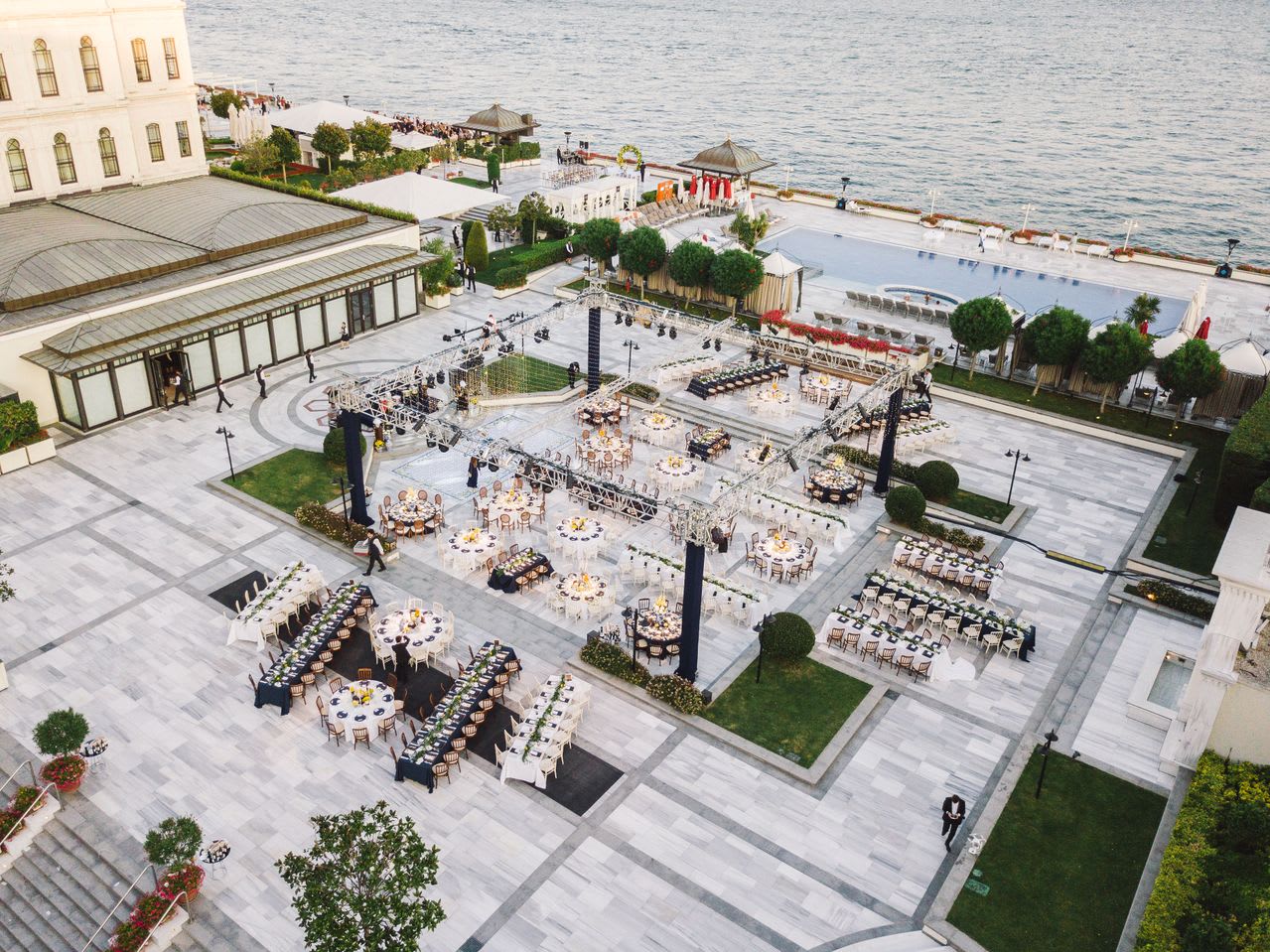
A room can look incredible on paper and still function poorly once guests arrive. Before choosing furniture layouts, installations, or sponsor placements, think about how people will physically move through the space.
Ask yourself a simple question: If this room were completely empty, where would guests naturally walk?
Then build around that answer.
5. Create Micro-Environments
Not everyone wants the same experience.
Some attendees want to network. Some want entertainment. Some want a quiet conversation away from the crowd. The strongest event layouts acknowledge those differences by creating distinct environments within the same event.
You might have:
The Networking Zone
High-energy, social, and designed for introductions.
The Lounge Space
Comfortable seating for longer conversations.
The Experience Area
Interactive activations, sponsors, and entertainment.
When guests can choose their own experience, they're more likely to stay longer.
6. Make Waiting Feel Like Part of the Experience
Lines happen.
The question is whether they feel frustrating or intentional.
Nobody enjoys standing in line for registration, food, or drinks. However, those moments become much more tolerable when attendees have something to engage with while they wait. Entertainment, product demonstrations, interactive displays, and networking opportunities can transform dead time into valuable time.
The best event planners don't eliminate every wait. They make waiting feel worthwhile.
7. Pay Attention to Sightlines
People tend to move toward activity.
If attendees can see something interesting happening across the room, they're far more likely to investigate. If everything is hidden behind pipe-and-drape walls, oversized installations, or poor layouts, opportunities get missed.
Before finalizing your floor plan, stand where guests will stand and look around. What catches your attention? What draws you forward? What disappears entirely?
Those answers often reveal flow issues before the event even begins.
8. Give Guests Places to Reset
One mistake many event planners make is assuming more stimulation always equals more engagement.
In reality, guests need moments to breathe.
Comfortable seating, outdoor spaces, quieter lounges, and conversation areas allow attendees to recharge without leaving the event. Ironically, providing those opportunities often keeps people onsite longer because they don't feel the need to escape entirely.
9. Think Like a Retail Store
Retail brands spend millions studying consumer behavior.
They know where people pause. They know where people turn. They know what attracts attention and what gets ignored.
Event planners can borrow those same principles. Place high-priority sponsors where traffic naturally slows down. Position activations near gathering points. Put your most important experiences along established pathways instead of expecting attendees to seek them out.
Good flow isn't about forcing behavior. It's about working with human behavior.
10. Give Guests One More Reason to Stay
The final hour of an event is often where attendance starts to drop.
That's why experienced event planners build something into the back half of the experience that guests don't want to miss. Maybe it's a surprise performance, an exclusive networking opportunity, a major giveaway, or a late-night food experience.
The goal isn't to trick people into staying. It's to reward them for staying.
When attendees know something worthwhile is still ahead, they're far less likely to head for the exit early.
Why Flow Has Become a Business Strategy
For event planners, flow isn't just a design consideration anymore.
It directly impacts attendee engagement, sponsor visibility, food and beverage revenue, dwell time, networking opportunities, and overall event performance. That's why some of the most successful NYC events feel effortless from a guest perspective. Behind the scenes, every pathway, activation, seating area, and gathering space has been intentionally designed.
Guests may never compliment your traffic flow. They probably won't mention your sightlines. They won't talk about your venue layout on LinkedIn.
What they'll remember is how easy the event felt to experience. And that's usually a sign that the flow was working exactly as intended.
Reserve Your Booth at The Event Planner Expo
The event industry is evolving quickly, and attendee expectations are changing right alongside it. If your company serves event planners, marketers, venues, or corporate event teams, The Event Planner Expo puts you directly in front of the professionals shaping the future of live experiences.
Reserve your booth at The Event Planner Expo and showcase your products, services, and expertise to decision-makers actively looking for innovative event solutions. The connections you make there could turn into your next client, partnership, or major growth opportunity.