The Quiet Shift Toward Hospitality-Led Event Design
Guests Want to Be Considered
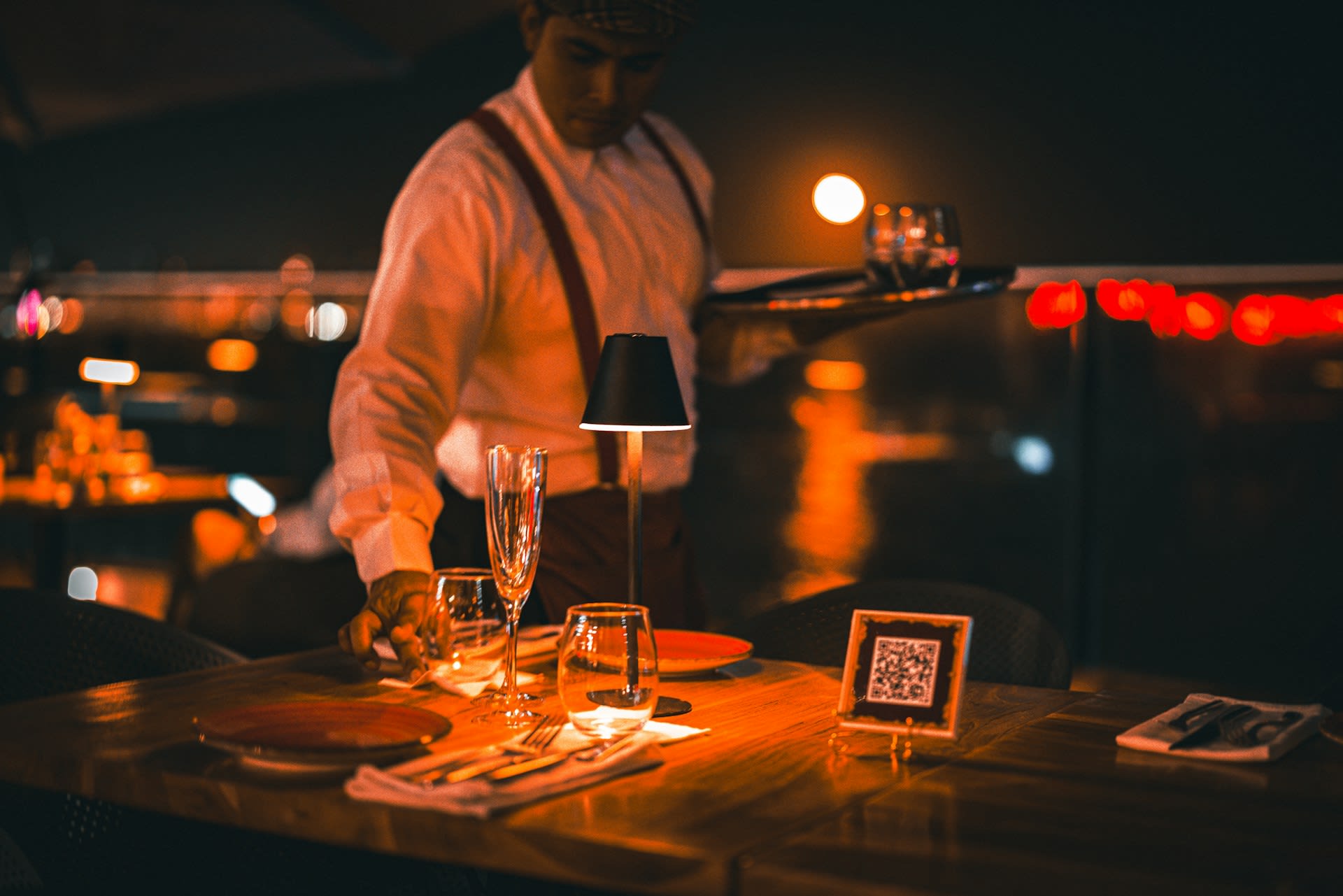
Event guests in New York City have been subtly influenced by shifts in their day-to-day lifestyles, and they’re expecting more than basic service. They want to feel the comforts of hospitality and that they’re valued as a person. They’re moving away from the mindset of “how big is this event?” to “what does it feel like to be at this event?” Of course, spectacle at an event still matters, but comfort, ease, and thoughtfulness now drive how guests evaluate an event experience.
What Hospitality-Led Design Really Means
So what does hospitality-led look like? It’s not hotels or luxury finishes. It’s making the guest experience the priority - designing events around human needs, behavior, and comfort.
This includes anticipating attendee needs and removing any obstacles or friction from the first event communication to the post-event follow-up survey, and every step in between.
It also means creating experiential events with less rigid logistics, personalized, meaningful touches, and thoughtful details like a custom itinerary or welcome note at check-in.
A hospitality-led event intentionally designs different environments within the event to encourage more connection and engagement, vs. simply providing as much info as possible. It’s likely there will be more rooms or specific areas within the event for this reason. There may be separate areas for socializing, relaxing, or checking emails, rather than a large, business-only space.
At a hospitality-led event, guests won’t feel lost in the crowd; they’ll feel like the event is tailored to all their needs.
How This Shift Is Changing Event Planning Decisions
Timelines, layouts, staffing, and programming choices are being influenced by hospitality as well. Hospitality-led event design affects timelines both before the event and on the day of. Event planners need a longer timeline to create personalized experiences from the get-go and to design more flexible or hybrid spaces throughout the event to meet guests’ needs. This should include lighting, sound, and interior design. Think a quiet area with big comfy chairs to check emails and recharge, or a high-energy bar area to casually socialize and grab some yummy bites.
Of course, programming choices will also change and can look like Individual agendas that schedule intentional downtime so guests can step away from energetic sessions for a calm moment or two, or include more time for upbeat networking or casual socializing.
Hospitality doesn’t stop there. Give guests an opportunity to enjoy wellness experiences throughout the event as well. Consider adding a guided meditation or yoga session and offer more allergy-friendly food and beverage options to truly take care of guests.
Hospitality-led events enable elite planners to craft more thoughtful, tailored experiences by changing timelines, design layouts, including skilled staffing, and accommodating programming.
The Role of Event Production in Guest Comfort
The lighting, sound, temperature, seating, and pacing all affect how guests feel. Subtle production choices elevate the experience without calling attention to themselves. Think of ambient lighting vs. fluorescent fixtures, high-quality audio vs. fuzzy speakers, and comfortable couches vs. hard plastic chairs. All of these choices may seem small, but can make a huge guest-impression impact on the overall feel of the event.
Allowing guests to move at their own pace from room to room or session to session helps ensure their needs are heard as well. Consider additional changes, such as moving from an impersonal buffet to an interactive culinary experience for an extra element of delight.
Why Hospitality-Led Events Feel More Memorable
Guests remember events where they felt relaxed, oriented, and cared for, even if the design was understated. Hospitality-led events feel more memorable because they shift the focus from simply getting people in the door en masse to making genuine connections. Anticipating needs, smoothly integrating the brand, and thoughtfully added touches turn a simple event into something deeper. Making guests feel comfortable, rather than just checking off customer service to-do lists, gives the event an emotional factor, turning it into a lasting memory guests can’t wait to talk about.
Takeaways for NYC Event Planners for 2026
Hospitality-led design isn’t a trend. It’s becoming the standard for top corporate events. NYC planners should move to less rigid events and create deep, personalized experiences that anticipate needs, offer unique moments, and seamlessly merge brand and technology.
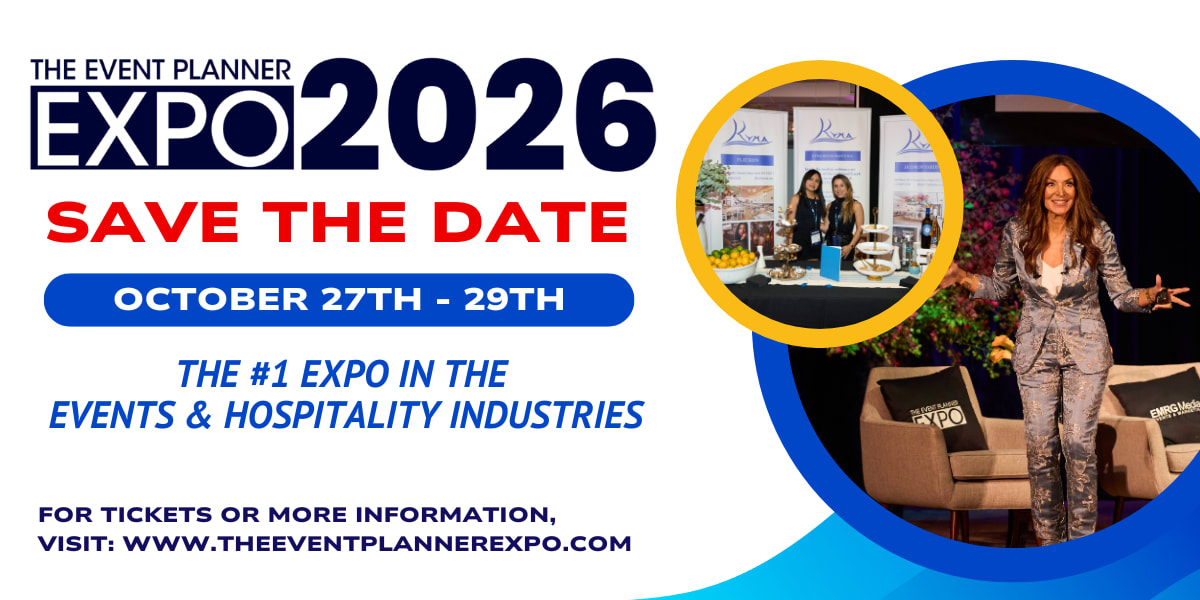
Reserve your 2026 Event Planner Expo Booth
Now is the time to implement hospitality-led event design for 2026 and create personalized, memorable experiences. Reserve your booth at The Event Planner Expo 2026, where the future of event design is already being discussed.