What Veteran Planners Build Into Timelines That Rookies Miss
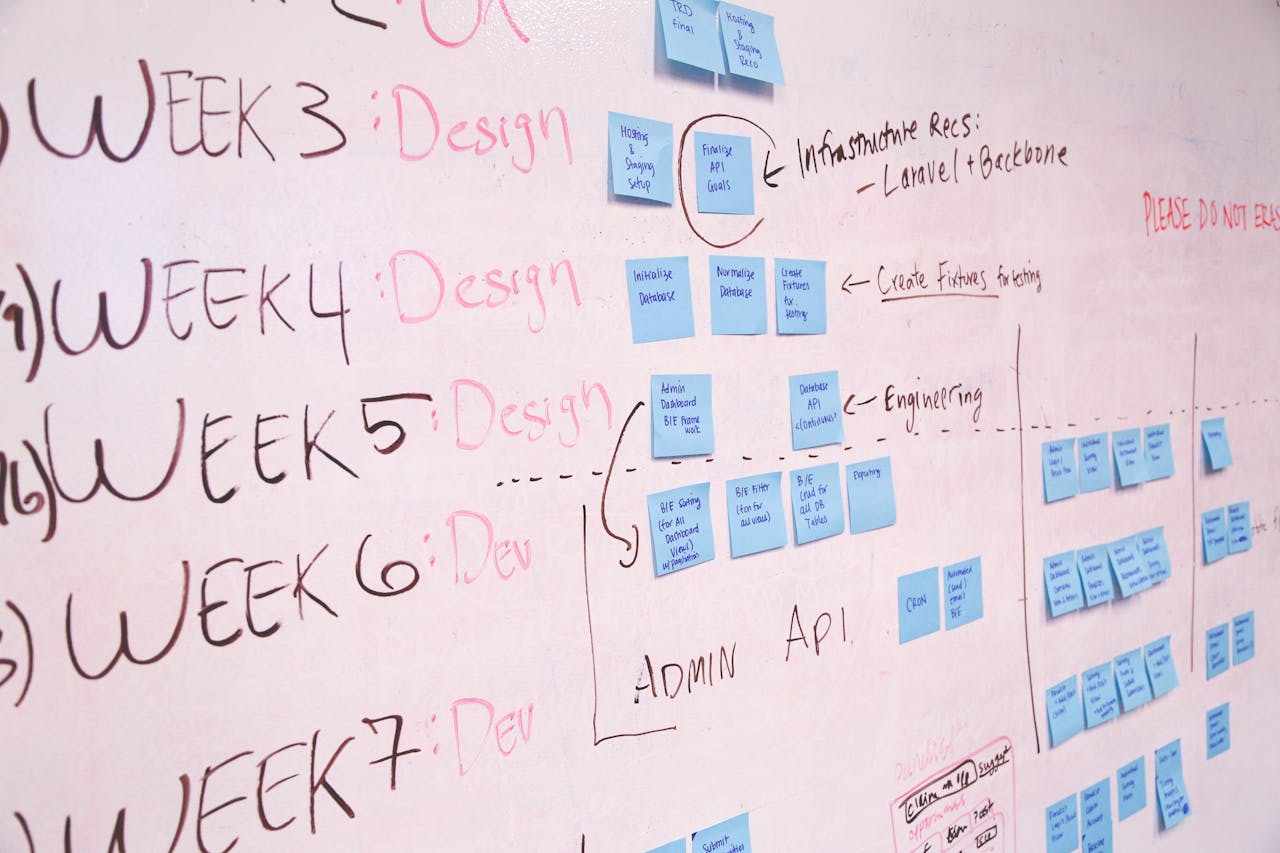
Being able to create a timeline is event planning 101. That isn’t an impressive feat anymore. There are also plenty of tools to help event planners streamline the process. Excel, Asana, Google Docs, or scribble it on hotel letterhead if you have to. Load-in. Doors. Keynote. Lunch. Panel. Cocktail hour. Done. How an event planner uses the timeline is what separates the rookies from the top NYC event planners. Rookies view it like a schedule. Top planners know it’s an insurance policy.
They Build in Human Error, Not Just Time Buffers
Rookies add fifteen minutes “just in case.” Veterans ask, just in case of what?
Because not all delays are created equal. A keynote that runs long is different from a catering delay. A sponsor who wants to add a last-minute video is different from a late shuttle bus.
Veterans don’t just pad time. They build protection around the personalities most likely to stretch the clock. They know which executive refuses to rehearse. They know which panelist will absolutely ignore the stage manager. They know who always adds “one more thing” after applause starts.
You don’t fix that in fifteen minutes. You fix that by structuring the flow so nothing critical collapses if someone goes rogue.
It sounds small. It’s not.
They Account for How People Actually Move
On paper, a breakout starts at 2:00 PM. In real life, 400 people do not teleport at 2:00 PM.
They finish conversations. They check their phones. They stop at the espresso bar. They wander into the wrong room. They decide they suddenly need to use the restroom even though they had a perfectly good break fifteen minutes ago.
Veteran planners know this. So they quietly build transition space that doesn’t look like “dead time,” but functions as absorption time. A soft open. A pre-roll slide. Music that signals the start without demanding it.
If your timeline assumes perfect audience compliance, it’s a fantasy.
And we’ve all seen what happens when fantasy meets reality at 2:07 PM.
They Hide Rehearsals Inside the Day
Scheduling one big rehearsal for everything is a waste of everyone’s time. You end up having a lot of people sitting around, doing nothing, and not paying attention. People will resent you for requiring them to attend a rehearsal that is 90% irrelevant to them.
Instead, veteran NYC event planners know that it’s easier to schedule multiple micro-rehearsals. The people in attendance at each rehearsal are 100% relevant to the practice. The run-through goes faster. People pay attention, retain more, and feel more confident as a result.
They Stress-Test the Timeline Before It’s Final
Rookies don’t try to break their own schedule. Veterans do. Stress tests tell you what happens when things go wrong. They show you the massive ripple effect that happens when a minor issue occurs.
While you can’t plan for everything, stress tests show you what you can and cannot plan contingencies for. That pre-decision is the difference between calm and chaos.
They Build Energy Arcs, Not Just Programming Blocks
Look beyond the programming blocks to consider the event's energy flow. Inexperienced event planners are too focused on the timeline blocks. This is a problem because it overlooks how event attendees experience the event.
Experienced event planners start with programming blocks and then refine them with energy planning. They approach it like a producer planning a show. They build up the energy in the room, allow it to release, and then build it up again.
They don’t plan three heavy sessions back-to-back. You’ll wear out event guests mentally. That will have people mentally checking out and disengaging from the event. Similarly, you don’t want to put a technically detailed topic right after serving everyone a lunch. That’s guaranteeing nap time for everyone in the room. No one will retain any of the information presented.
They Plan the Exit, Not Just the Opening
Rookie event planners focus totally on the entrance and body of the event. Their timeline drops the ball on the closing. This is a huge mistake because it leaves the event and everyone in attendance hanging when the final speaker wraps up.
Veterans think about coat check lines. Ride-share congestion. Sponsor visibility in the final thirty minutes. Their timeline accounts for the possibility that hundreds of people could try to leave at once. That is the potential for chaos if you don’t have a plan in place.

Learn More About Building Timelines at The Event Planner Expo
Corporate event budgets are tighter than ever. Agendas are denser than ever. Clients don’t want to feel friction. They aren’t interested in scrambling around behind the scenes. Veteran NYC event planners don’t meet these demands because they are lucky. They know how to build a tight timeline that meets expectations.
The Event Planner Expo is where those conversations happen without the polished highlight reel version. It’s where seasoned planners talk about what actually breaks, and how they design around it. It’s where vendors who understand execution nuance connect with planners who care about the mechanics, not just the mood board.
If you want to sit in rooms with people who treat timelines like strategy instead of paperwork, get a ticket to the 2026 Event Planner Expo.