Are Pop-Up Elements The Future Of Unexpected Guest Delight?
Surprise is getting harder to pull off in New York events. Guests show up well-versed. They know the flow. They’ve seen the lighting tricks, the branded step-and-repeats, the polished run of show that moves like clockwork. Most of the time, nothing truly catches them off guard anymore.
What still lands are the moments that feel unplanned, even when they’re not. The unexpected interruption. The “wait, what’s happening over there?” moment that pulls people out of autopilot and back into the room. That’s where pop-up elements are earning real traction in 2026. They let NYC event planners inject surprise and discovery without blowing up timelines, budgets, or guest flow—and when they’re done well, they quietly become the moments people remember most.
Surprise Is The New Engagement Currency
At corporate events that NYC audiences attend week after week, predictability is the fastest way to lose engagement. Guests know when the keynote is coming. They expect the cocktail hour. They’ve seen the entertainment slot before.
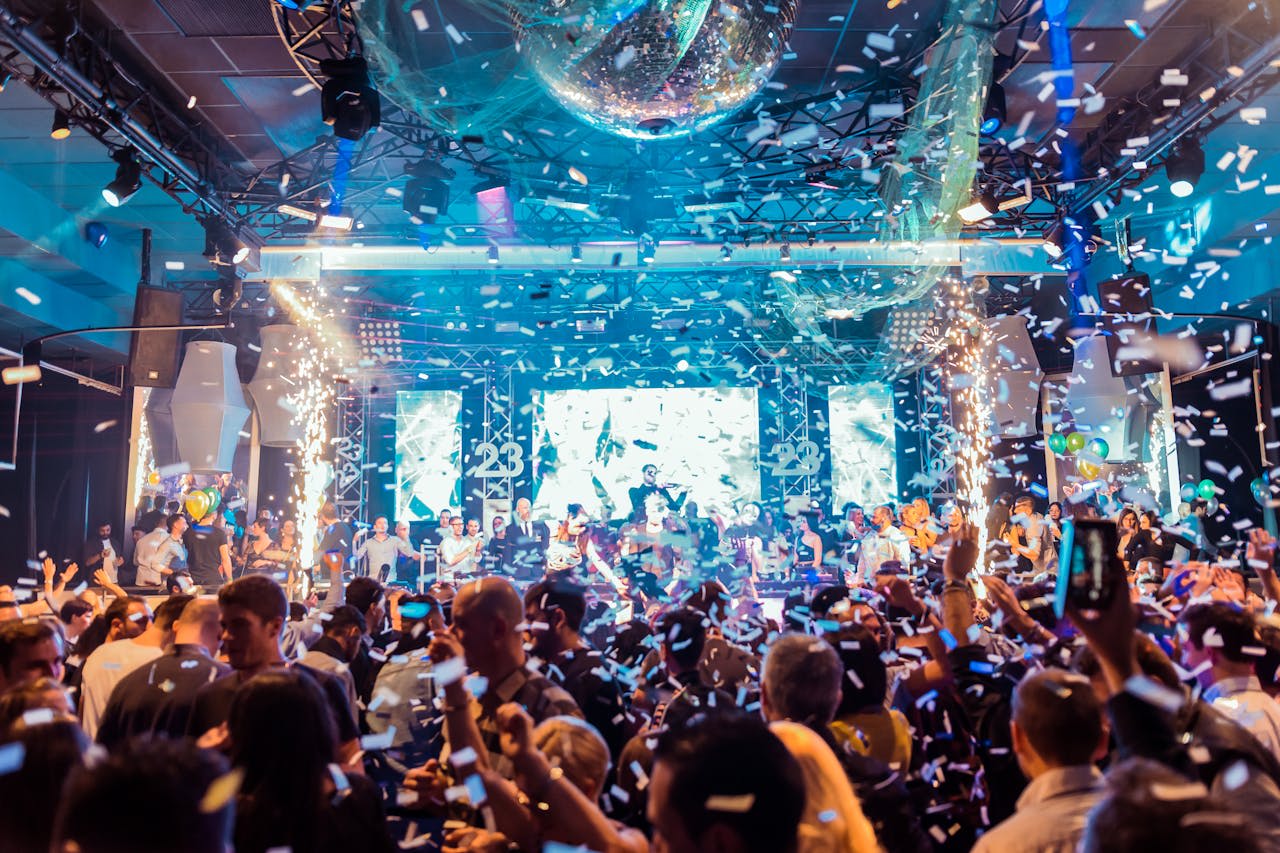
Pop-up elements interrupt that predictability in a good way. They create moments guests didn’t see coming. That surprise resets attention and brings people back into the experience. In experiential events, these brief moments of delight often become the most talked-about part of the night.
What “Pop-Up” Really Means In Event Planning
In event planning, pop-ups are not shops or long installations. They’re short-lived, unexpected activations that appear, deliver impact, and disappear before they overstay their welcome.
A pop-up might last five minutes or twenty. It might be visual, interactive, or performative. What defines it is its temporary nature and its ability to feel like a discovery rather than a scheduled program item. The best pop-ups feel organic to the event, even though they’re carefully planned.
Why Pop-Ups Work So Well On Today’s Guests
Pop-Ups tap into curiosity. Guests feel like they stumbled onto something special rather than being directed toward it. That sense of discovery creates stronger memory retention than losing programmed segments.
They also align with how people engage socially. Guests are more likely to pull out their phones, share content, or talk to strangers when something unexpected happens nearby. These micro moments drive guest experience forward without demanding sustained attention.
For NYC event planners, pop-ups are a way to create multiple engagement peaks instead of relying on one major moment.
Designing Pop-Ups Without Disrupting The Flow
The biggest risk with pop-up elements is overuse. Too many surprises feel chaotic. Poor placement can interrupt conversations or pull focus from key programming.
Successful pop-ups are designed with restraint. Timing matters. Placement matters. They appear when energy needs a lift or when guests naturally transition between spaces. They enhance the flow instead of hijacking it.
In strong event planning, pop-ups are layered into the guest journey, not stacked on top of it.
The Event Production Behind Seamless Surprise
Pop-Ups only feel effortless when event production is dialed in. Lighting cues guide attention without announcements. Sound levels shift subtly. Staff know exactly when to step in and out.
Production teams play a critical role in making pop-ups feel intentional rather than improvised. When coordination is tight, guests experience magic. When it isn’t, the moment feels forced.
In New York events, where venues are complex and timelines are compressed, this coordination is what separates effective pop-ups from distractions.
Ready to Explore What’s Next In Guest Entertainment?
If you want to see how pop-up elements and other emerging experience strategies are shaping New York events, reserve your booth at The Event Planner Expo 2026. It’s where NYC event planners connect, experiment, and stay ahead of what guests expect next.