6 High-Impact Additions That Elevate a Corporate Event Without Raising the Budget
At some point, every NYC event planner has the same conversation. Your corporate client would love to do more; they love all of the ideas presented. However, they have a limited budget that constricts their ability to do everything they want. The truth is that most corporate events don’t fall flat because of a small budget. They are underwhelming because the budget wasn’t utilized well.
Stop spending money on the same old boring event elements.
1. A Deliberate Arrival Sequence, Not Just a Check-in Desk
The check-in table experience is a boring one. Guests are already walking in, thinking they know what to expect from yet another corporate event. A traditional check-in station fulfills their expectations, and not in a good way.
Stop starting off the night with admin tasks. This doesn’t mean you have to dazzle people with fancy tech. Instead, give guests a moment to settle in and relax before engaging in “professional networking mode”.
Create a buffer zone, and allow the venue to slowly reveal itself instead of people hitting all at once. Create a reception area where early arrivals gather. Create the check-in area just beyond the immediate entry. That way, guests are brought into the journey before doing the perfunctory tasks.
2. Reframing Seating as a Strategy, Not Logistics
Seating decisions quietly shape how long guests stay engaged. Too often, seating is treated as a math problem. How many chairs fit? How close can we pack them? Where can we push extras without blocking exits?
That approach works technically. It fails experientially.
Small shifts make a big difference. Angling chairs slightly instead of locking everything forward. Creating micro-clusters instead of endless rows. Giving guests a place to land that doesn’t scream “session mode.”
None of that requires more furniture. It requires using what you already have differently.
When guests feel physically considered, they stay mentally present longer.
3. A Sound Environment That Respects Conversation
There needs to be a balance between the big, loud moments and the quiet ones. Corporate leaders love the big moments that grab attention. However, these are also big on sound. While they are great for making an impact and commanding attention, they are terrible for conversation.
Create moments and spaces that encourage conversation.
Corporate events love big sound for big moments, then forget to give guests a break from it. Music bleeds into networking. AV bleeds into food service. People lean in, repeat themselves, and disengage.
Sound is one of the fastest ways to make an event feel either thoughtful or careless.
The addition here isn’t more equipment. It’s intentional zoning. Knowing where sound should carry and where it should fall away.
Allowing some spaces to feel calm without killing the overall energy.
When guests can actually hear each other without shouting, they connect more. That’s the whole point of most corporate events, even if no one says it out loud.
4. One Sensory Detail That Isn’t Visual
Most corporate budgets are spent on what photographs well. Backdrops. Screens. Signage. Lighting.
What guests remember often has nothing to do with visuals. It is the sensory experiences that they remember.
A consistent ambient scent tied to the brand or theme. A subtle texture change underfoot in a key area. A temperature shift that makes one zone feel distinct from another.
You don’t need all of it. You need one.
Non-visual cues bypass skepticism. Guests stop analyzing and start feeling. That’s where memory forms.
5. A Purposeful Mid-Event Reset
It’s ok if there are energy dips during an event. Most corporate events have a predictable energy flow arc. They start strong with high energy. There’s a heavy middle that’s the “meat and potatoes” of the event. Towards the end of the event, there’s a gradual fade in energy.
Don’t ignore the unnatural energy dips. They are a sign that it’s time for you, the event planner, to take action and correct course. Try a lighting change to signal a new phase. Subtly adjust the furniture to encourage better communication. Alter the music to help re-energize guests without overwhelming them.
6. A Closing Moment That Feels Resolved, Not Rushed
It’s a sad reality that corporate events start out strong and then have a slow, sad fade to the end. Guests arrive energized and ready to show face. But then, once their professional obligations are fulfilled, they leave early, lose interest, and mentally move on.
Having a strong ending can help prevent this. That doesn’t mean having fireworks and an over-the-top finish. It means setting expectations and letting guests know the experience isn’t over yet.
Create a schedule that brings the event to a full stop, not a slow fade. Acknowledge guests who stay and demonstrate that their attendance is meaningful. Have one final experiential activation. Tighten up the schedule so the important corporate elements aren’t missed.
Why These Additions Work When Budgets Don’t Change
These ideas work because they don’t require corporate clients to spend more money to accomplish them. Instead, you are taking a new approach to things that are already a part of the event. By changing the expected, you breathe fresh air and life into what is typically viewed as stodgy and tired.
Corporate audiences are harder than ever to impress in 2026. These are people who have active lives outside of their professional roles. They are going to top-tier events in their private lives. So, they expect corporate events to compare.
These budget-friendly ideas help turn a corporate event into something that guests actually want to attend. Guests have a memorable experience because it differs significantly from their expectations.
That’s the difference clients notice, even if they can’t articulate it.

Learn More About Elevating Your Corporate Events
Stop being a vendor executing tasks. Start being a partner to your corporate clients. As an event planner, it is your job to turn ideas into action. Protect your client’s margins, build their trust, and help them establish a brand that they can be proud of.
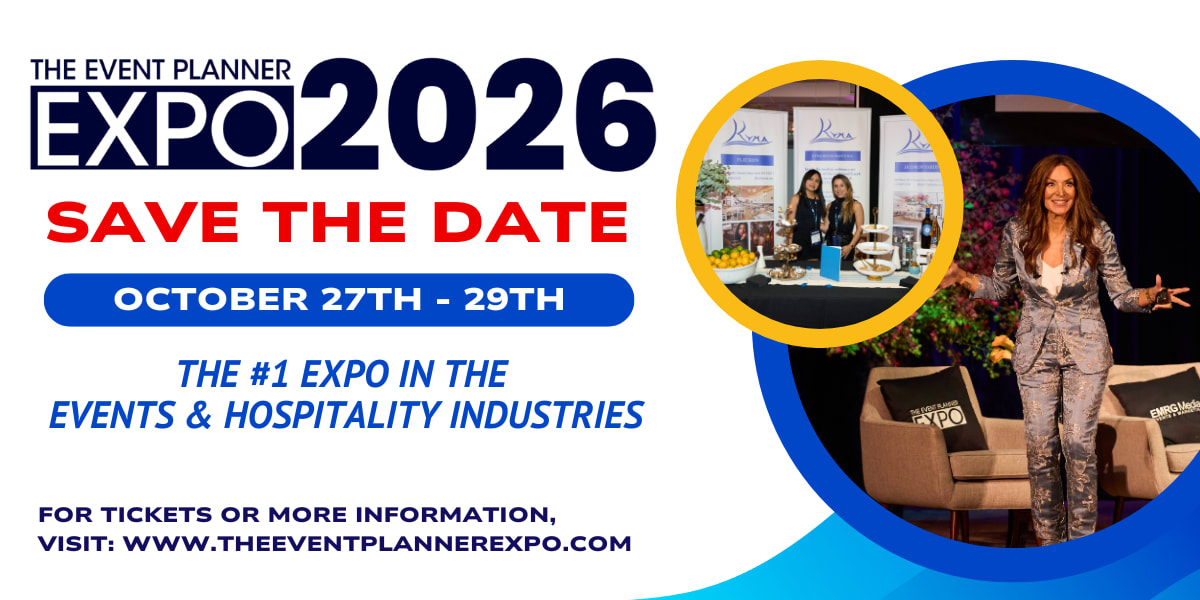
If you’re serious about positioning your brand in front of decision-makers who value this level of thinking, reserve your exhibitor booth at The Event Planner Expo 2026.
Claim your exhibitor space for The Event Planner Expo 2026.