How to Design for Discovery Instead of Passive Attendance
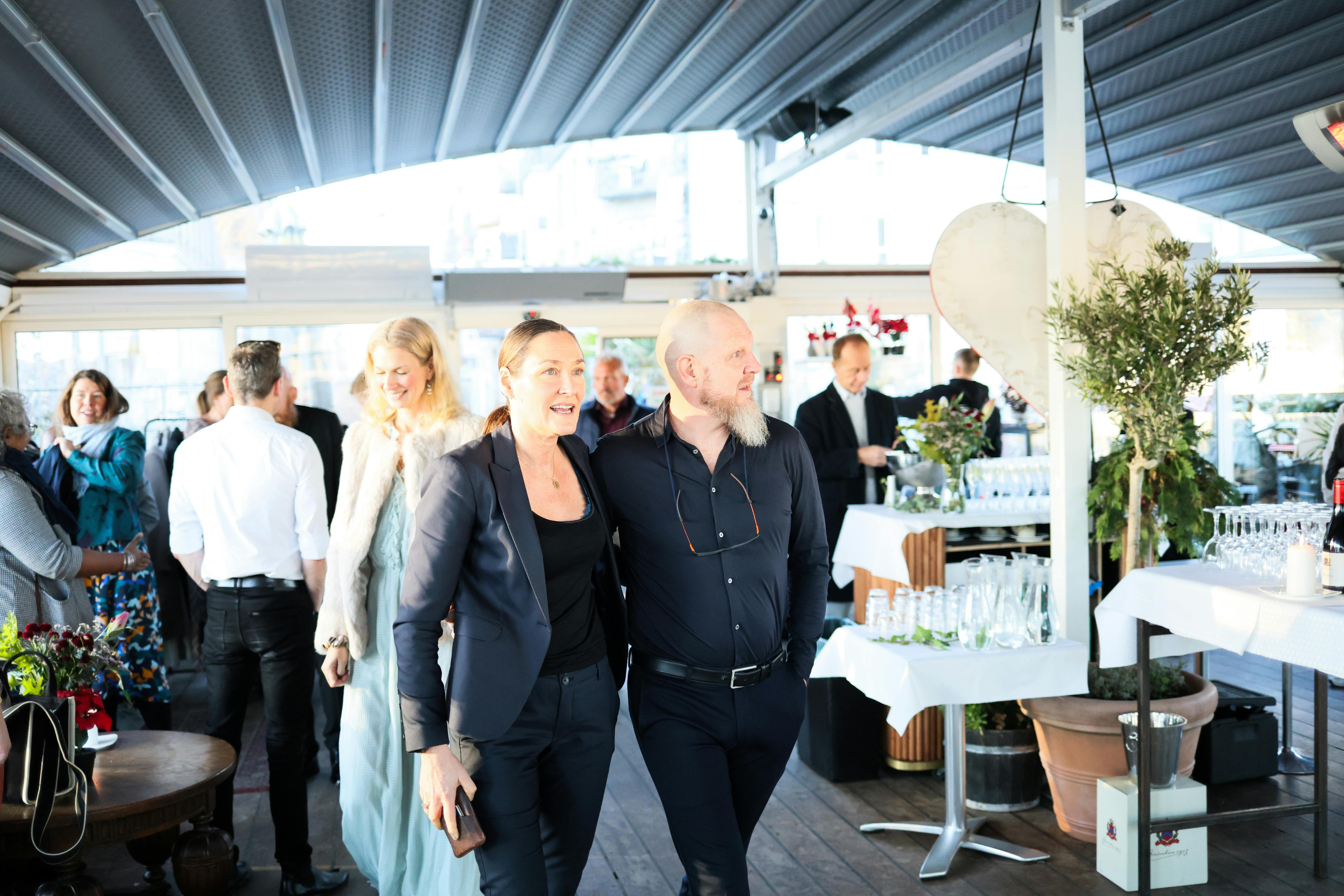
Most events are designed for efficiency. Guests enter, follow a path, sit where they’re told, and move through a predictable flow. It works, but it doesn’t engage.
Designing for discovery changes that. Instead of directing every movement, you create an environment where guests naturally explore. The goal isn’t control, it’s curiosity. When done right, people don’t just attend. Instead, they experience the space in a way that feels active and personal.
Multi-Zone Layouts That Encourage Movement Instead of Sitting
Open layouts with distinct zones immediately shift behavior. Instead of one central space, guests see multiple areas to explore, each offering something slightly different.
This creates natural movement and keeps energy spread throughout the event instead of locked in one place.
Hidden Speakeasy-Style Spaces Guests Find Along the Way
Not everything should be obvious. Tucked away spaces, behind curtains or off side paths, create a sense of discovery that guests remember.
When people find these areas on their own, it feels exclusive. That moment becomes something they talk about long after the event ends.
Staggered Programming That Rewards Exploration
If everything happens in one place, there’s no reason to move. Staggering programming across zones encourages guests to explore and stay engaged.
It also prevents overcrowding and keeps the entire venue active instead of concentrated in one area.
Interactive Installations Placed Off the Main Path
Placing installations slightly off the main flow gives guests a reason to move deeper into the event.
These moments feel more intentional when discovered rather than immediately seen, which increases interaction and engagement.
Branded Moments That Reveal Themselves Gradually
Instead of overwhelming guests with branding upfront, layer it throughout the experience in subtle ways.
As guests move through the space, those touchpoints build into something more immersive and memorable.
Tiered Experiences That Unlock Throughout the Event
Not everything needs to be available at once. Releasing experiences throughout the event keeps guests curious and engaged.
It gives people a reason to stay longer and continue exploring instead of leaving early.
Visual Cues That Pull Guests Toward Secondary Spaces
Lighting, sound, and design can guide movement without direct instruction. A glow from a side room or a shift in music can naturally pull guests in.
These cues keep the experience fluid and help guests navigate without feeling directed.
Unexpected Activations That Break Predictable Flow
When everything is predictable, engagement drops. An unexpected activation resets attention and brings energy back into the space.
These moments disrupt routine in a good way and encourage guests to re-engage.
Lounge Areas That Feel Like Discoverable Destinations
Lounge areas shouldn’t feel secondary. When placed intentionally, they become destinations guests want to find and spend time in.
Positioning them off the main path makes them feel more exclusive and adds another layer to the experience.
See Discovery-Driven Event Design in Action at The Event Planner Expo 2026
Designing for discovery is about building curiosity into space. It’s how you turn passive attendance into active engagement without forcing it.
At The Event Planner Expo 2026, top planners are showing how these strategies come to life in real environments. If you’re ready to create events that pull guests in and keep them exploring, reserve your booth and position your brand at the forefront of where event design is heading.