10 Pop-Up Event Ideas That Create Urgency and Sell Out Fast

Pop-ups don’t succeed because they’re temporary; they succeed because they feel limited. Time alone doesn’t create urgency when the experience feels repeatable. Real urgency comes from something that feels tied to a particular moment, place, or version that won’t exist again. In New York, where focus is easy to get but commitment is harder, people decide based on rarity, not availability. The strongest pop-ups in 2026 make that scarcity feel clear and intentional, driving attendance now instead of later.
1. One-Night Concept Drop
Most pop-up events leave room for repetition. This approach takes all of that away. The one-night concept is built on the foundation that the exact event will never happen again. It’s not a “first of many” experience. There may be others that are similar or related, but none that are exactly the same. It forces people to attend or they will miss the one opportunity.
This works because it removes hesitation.
2. Location-Driven Pop-Up
Connect the event to a location that can’t easily, readily, or normally be accessed. People feel a strong sense of urgency because they have to attend the event if they want access to the exclusive place. The desire and urgency aren’t about the event, but about where it’s held.
Book a rooftop that isn’t normally accessible. Rent out an exclusive store that doesn’t normally allow events. Use a “secret room” in a famous building.
This approach works really well in NYC because the possibilities are endless. There is so much history and every building has a story. If the location is right, you won’t even have to explain it, everyone will just know.
From a design perspective, the goal is not to override the space. It is to work with it. Highlight what makes it unique. Build the experience around what already exists.
3. Time-Limited Access Window
Scarcity is not only about dates. It is about timing within the event itself.
The time-limited access window compresses availability into smaller segments. Instead of a four-hour event, you create multiple shorter entry windows with limited capacity.
Guests choose a designated time slot. Once it is filled, it is gone.
This creates layered urgency.
People are not just deciding whether to attend. They are deciding when, and that decision has consequences.
This also controls the experience.
Smaller groups move through the event more easily. The environment feels curated instead of crowded. Interactions are more intentional.
In NYC, where schedules are tight and flexibility is limited, this format fits how people plan their time.
It also allows for multiple sell-out moments within a single event.
4. Evolving Pop-Up
Repetition reduces urgency. Variation increases it.
Evolving pop-ups change slightly throughout their run.
Each day or time block features a new element. A different menu. A new speaker. A variation in the environment. Enough change to make each version distinct.
This creates a different type of urgency.
Instead of attending once, guests feel the need to choose the right moment to attend. Or attend more than once to experience the variations.
The key is balance.
The core concept is consistent, but the details shift enough to create differentiation.
In New York, where audiences are used to returning to familiar spaces for new experiences, this format extends engagement without removing scarcity.
It feels like a series of limited moments instead of a single repeatable event.
5. Invite-Only Release
Open access reduces perceived value. It also makes it harder to give everyone the same top-tier experience if the pop-up proves super popular.
The invite-only release builds anticipation before access is even available.
Instead of opening ticket sales publicly, access is released in stages. Early invitations go to a specific group. Additional access is granted later, often in limited quantities.
This creates a layered rollout.
People become aware of the event before they can attend. They see others gaining access. They anticipate their own opportunity.
This works because it shifts urgency earlier in the timeline.
The event starts to feel exclusive before it even happens.
In corporate environments, this also allows for strategic guest curation while still maintaining broader visibility.
In NYC, where access and timing are closely linked, this format creates momentum before the doors open.
6. Product-Led Pop-Up
Products are often displayed. This format builds the event around them.
The product-led pop-up creates an environment where the product is not just present, but central to the experience. Guests interact with it, explore it, and engage with it in ways that would not be possible in a traditional setting.
The key is immersion.
The product is integrated into the space, the flow, and the interaction points. It is not separated from the experience. It is the experience.
This creates urgency because access to the product feels limited.
Guests are not just seeing it. They are experiencing it in a way that is tied to an exact moment.
In NYC, where product launches are frequent, this level of integration differentiates the experience.
It turns a standard reveal into something that feels time-sensitive and worth attending.
7. Hidden Pop-Up
Being super visible isn’t always a good thing. That’s why hidden speakeasies are so popular. It’s the fact that they are hard to find that makes them so desirable.
The hidden pop-up creates urgency through discovery.
Make it a challenge to find the location details. Give people access gradually. Guests may need to follow clues, receive instructions, or be guided to the final destination.
This creates a sense of participation before the event even begins.
The experience starts earlier.
This works because it builds anticipation.
People are not just attending. They are seeking. They are involved in the process of getting there.
In New York, where audiences are familiar with curated and layered experiences, this format feels aligned with how exclusivity is often presented.
It also creates organic conversation.
People talk about how they found it, not just what it was.
8. Collaboration Pop-Up
Collabs bring people together in more ways than one. The people or brands collaborating work together to mutually increase their reach. The limited experience wouldn’t have existed without the collaborative work of both brands.
However, for this approach to work, it has to feel natural and intuitive. You can’t just mash up random brands and expect it to work. People attend because the combination itself is rare and the experience is worthwhile.
In NYC, where cross-industry collaborations are common but not always executed well, a strong partnership stands out quickly.
It signals that the event is not simply another activation. It is a specific intersection of ideas, audiences, and environments.
9. Micro-Capacity Model
The easiest way to create urgency is to hype the limitation. The micro-capacity model does just that by purposefully limiting attendance. Keep the guest list small. For those who do attend, the event feels intimate and exclusive. People assume that if attendance is limited, the experience must be worth it.
In NYC, where large events are common, smaller formats often feel more desirable because they offer something different.
For corporate clients, this approach can deliver stronger engagement. You don’t even have to increase the budget.
10. Real-Time Drop
The real-time drop releases access without increasing the lead time.
Tickets or invitations become available suddenly. The window to secure them is short. Once they are gone, they are gone.
This creates immediate action. People are not planning weeks in advance. They are deciding in the moment.
This works particularly well for audiences that are already engaged with a brand or community.
In NYC, where spontaneity is part of the culture, this format fits with how people choose experiences. It also creates energy around the release itself. The event begins before it happens.

Learn More About Pop-Up Event Ideas at The Event Planner Expo
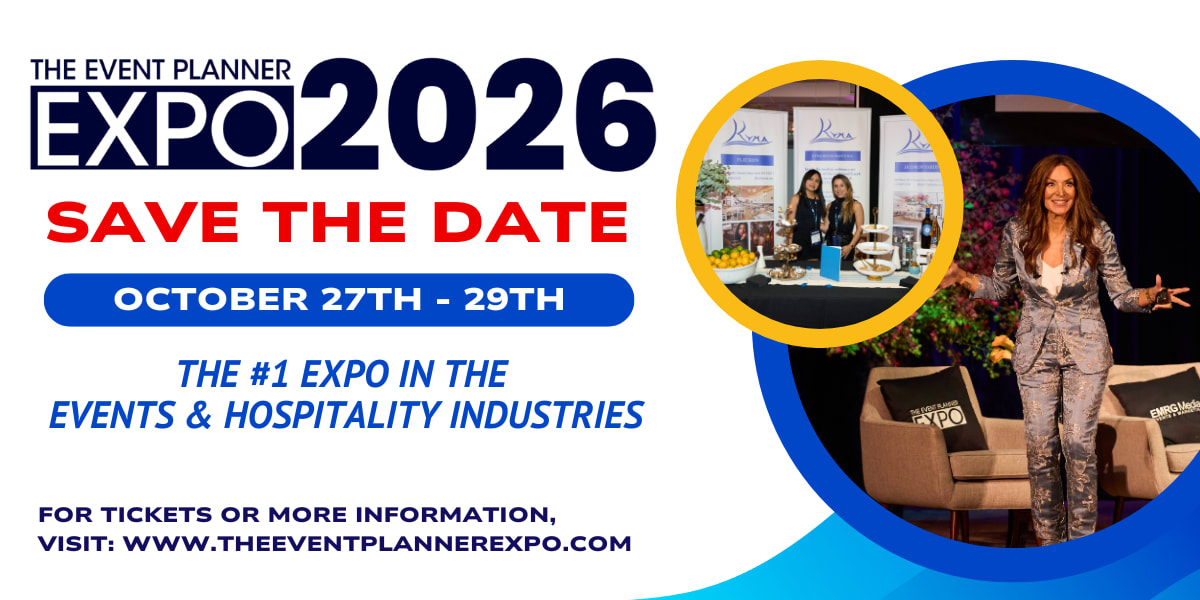
Pop-ups sell out not because they’re temporary, but because they feel specific to a moment, a place, and an experience that won’t be repeated. When that clarity is there, people don’t hesitate, they act. That same approach is changing how planners think about engagement today, and it’s exactly the kind of strategy being explored at The Event Planner Expo 2026, where the focus is on building experiences that build urgency and drive real commitment without relying on scale.
Be in the room when the ideas actually happen. Get your ticket.