How Micro-Interactions Are Driving Longer Event Guest Dwell Time
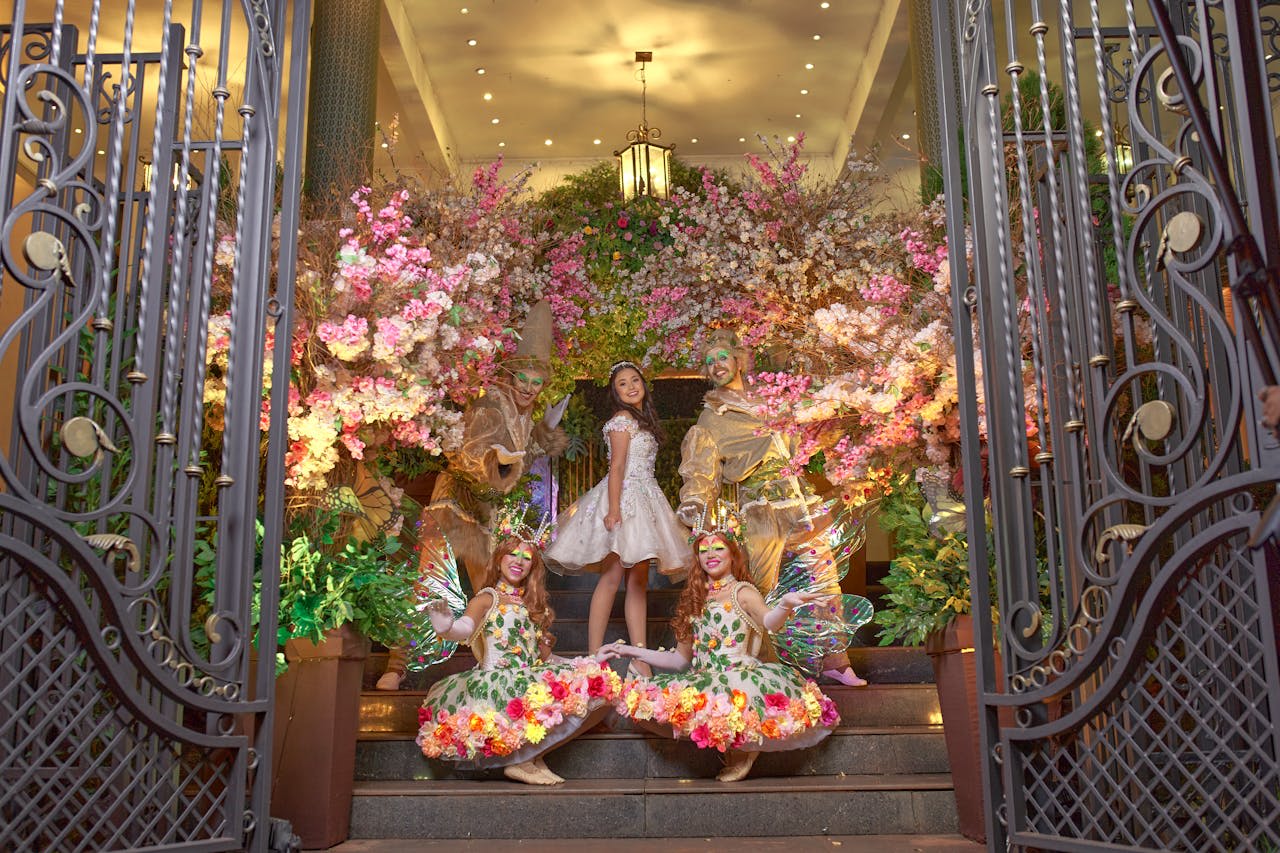
One of the biggest challenges at any event is keeping guests engaged once they arrive.
People may be excited to attend, but that excitement doesn’t always translate into staying longer. Guests drift toward the exits earlier than expected. Energy dips between scheduled moments. Conversations stall. Even beautifully designed events can lose momentum if there isn’t enough happening to keep people curious.
In New York’s event scene, planners have been solving this problem with something that often goes unnoticed: micro-interactions.
These are small, low-pressure experiences scattered throughout an event that invite guests to engage with their surroundings. They don’t require a stage, a formal activity, or a big announcement. Instead, they happen organically as people move through the space.
The result is subtle but powerful. Guests stay longer, explore more of the event environment, and feel more immersed in the overall experience.
What Micro-Interactions Actually Look Like at Events
A micro-interaction isn’t a headline attraction. It’s a moment that catches someone’s attention just long enough to pull them into the environment.
At high-end NYC events, these moments are often woven directly into the space's design. Guests discover them naturally rather than being directed toward them.
Examples might include:
-
- A mixologist invites guests to customize a garnish for their cocktail
- A live artist adding guests’ names to an evolving mural throughout the night
- A fragrance station where attendees can blend their own scent
- A small tasting experience tucked beside a larger dining station
- Interactive digital displays that respond to movement
None of these experiences requires a formal schedule. Guests participate when they feel curious, which keeps the energy of the event fluid. The key is that each interaction feels quick, interesting, and optional.
Why Guests Stay Longer When These Moments Exist
Guest dwell time rarely increases because of a single attraction. What keeps people engaged is the sense that something else might be happening just around the corner. Micro-interactions create that feeling.
When guests notice small experiences unfolding throughout the space, they become more likely to wander, explore, and linger. The environment begins to feel dynamic instead of static.
From a psychological standpoint, these moments trigger curiosity. People want to see what others are discovering. They want to try something themselves. They want to see what else the event might offer.
In other words, the event feels alive.
That sense of discovery encourages guests to stay longer because they never feel like they’ve already seen everything.
Micro-Interactions Help Break the Social Ice
Another benefit of these small moments is how easily they spark conversation. Large events can sometimes create awkward social dynamics, especially when guests don’t know each other well. People cluster with familiar faces or retreat to their phones.
Micro-interactions give guests something to talk about.
When two people are customizing cocktails at the same station or watching a performer create something live, conversation begins naturally. It doesn’t require forced networking or structured introductions. These shared moments help guests connect in a way that feels effortless.
For corporate events in particular, that kind of organic interaction is incredibly valuable. Brands want attendees talking to each other, building relationships, and associating those positive interactions with the event itself.
Where These Moments Work Best in the Event Layout
The most successful micro-interactions are placed strategically throughout the venue. Instead of concentrating everything in one central area, planners distribute them across the space so guests encounter new experiences as they move around.
Some common placement strategies include:
Entry Moments
The arrival experience sets the tone for the event. A quick interactive moment near the entrance can immediately signal that the evening will be engaging.
This might be a personalized welcome element, a creative photo opportunity, or a small tasting moment that invites guests to pause before entering the main space.
Transition Spaces
Hallways, terrace entrances, and corridors often become natural pause points for guests. Placing small experiences in these areas encourages movement and prevents the event from feeling crowded in one location.
Lounge and Social Areas
Micro-interactions work particularly well in lounge environments where guests are already relaxed. Small creative stations or performances nearby give people something interesting to engage with while they talk.
By spreading these moments throughout the venue, planners subtly guide guest movement while keeping the environment active.
The Best Micro-Interactions Feel Effortless
One of the reasons these experiences work so well is that they don’t feel like scheduled programming. Guests don’t need instructions. They don’t need to sign up. They simply notice something intriguing and decide whether to participate.
Some of the most effective examples planners are using right now include:
-
- Personalized calligraphy for place cards or keepsakes
- Quick sketch portraits created in real time
- Interactive food presentations where guests finish the dish themselves
- Digital art installations that respond to guest movement
- Small surprise performances that appear in different parts of the room
Each of these experiences takes only a minute or two to enjoy, which keeps the event’s pace relaxed. Guests can engage briefly and then continue exploring.
Why High-End NYC Clients Love This Approach
Luxury event clients are always searching for ways to make their events feel distinctive without overwhelming guests with constant programming.
Micro-interactions strike that balance perfectly. They allow the event to feel lively and interactive without forcing guests into structured activities. The environment stays sophisticated and fluid, while still offering moments of discovery.
For planners, they also provide flexibility. These experiences can be scaled depending on the size of the event, the layout of the venue, and the type of audience attending.
When done well, guests rarely describe these moments individually. Instead, they leave with the impression that the entire event felt engaging from start to finish.
The Future of Guest Engagement at Events
As audiences become more accustomed to experiential environments, the demand for subtle interaction will only grow.
Guests don’t always want bigger productions or louder entertainment. Often, they want moments that feel personal, creative, and unexpected.
Micro-interactions deliver exactly that. They transform an event from something people attend into something people explore.
For event planners in New York, understanding how to design these moments is becoming one of the quiet skills that separates a good event from a memorable one.
Where Event Planners Discover the Next Generation of Event Ideas
The most innovative engagement strategies rarely come from working in isolation. They come from seeing what other planners, designers, and production teams are experimenting with across the industry.
At The Event Planner Expo, the event community gathers to share ideas, explore trends, and discover the concepts shaping the future of events.
If your company provides services, technology, or creative solutions for the event industry, exhibiting at the Expo puts your brand directly in front of the professionals planning NYC’s most exciting experiences.
Claim your exhibitor booth (while spaces are still available!) at The Event Planner Expo 2026 and put your brand in the room with the planners creating the next generation of unforgettable events.