Music-Driven Design: How NYC DJs Are Actually Shaping Event Themes Right Now
If you’ve ever walked into an event that looked stunning on paper but felt oddly flat in real life, you already know the problem. Everything was technically right. The florals hit. The lighting cues fired. The schedule ran on time. And still, the room never quite lifted.
That’s usually the moment planners blame the crowd. Or timing. Or say the energy “just wasn’t there.”
But more often than not, the issue started way earlier. It started when music was treated like an accessory instead of a driver.
In New York, that mindset doesn’t hold up anymore. Not when DJs are shaping culture, fashion, nightlife, and brand identity all at once. Not when guests are walking in with expectations shaped by clubs, pop-ups, and hybrid social scenes that don’t separate sound from everything else.
Which is why the smartest NYC planners are doing something different. They’re letting music lead. And then letting design fall in line.
Where Most Events Break the Spell
Here’s the tension most planners feel but don’t always say out loud. You can design a beautiful room without music in mind. You can even sell it to a client. But once people arrive, the space has to behave. And behavior is dictated by sound.
When the DJ comes in late, creatively speaking, the room has already made promises the music might not be able to keep. Lighting moves too fast for the tempo. Furniture clusters fight the flow. Fashion cues feel disconnected from the vibe that actually shows up once the first track drops.
And suddenly, instead of amplifying the night, music is trying to rescue it.
That’s the pain point NYC DJs keep solving, often without being asked to.
When Sound Becomes the Creative Brief
When DJs are involved early, something shifts. Instead of decorating a concept, planners start building an environment around a feeling.
A DJ doesn’t describe a set in bullet points. They talk in emotion. They’ll say it’s warm but restless. Or nostalgic without being slow. Or high-energy without chaos. And once you listen closely, design decisions get easier, not harder.
Lighting stops being about color trends and starts being about movement. Materials get chosen for how they catch light at certain tempos. Layouts open or tighten based on how people are expected to circulate once the music evolves.
And here’s the part that matters. Guests don’t consciously notice any of this. They just feel like the night makes sense.
The Ah-Ha Moment Most Planners Have Too Late
Most people assume energy is something you add later. A bigger drop. A surprise act. A moment on the run of show.
But DJs think in arcs, not moments. They’re shaping how people arrive, settle, warm up, peak, and come down. When planners align design to that arc, the event stops feeling like a sequence of segments and starts feeling like one continuous experience.
Dinner doesn’t feel like a pause. It feels like a chapter. The transition into dancing doesn’t feel forced. It feels earned. Even the end of the night lands softer, because the music has been guiding people there all along.
That’s when guests stop checking the time. And that’s when events stick.
Why Niche Music Cultures Hit Harder Than Broad Themes
Another place where NYC DJs are quietly raising the bar is cultural specificity.
Broad themes are safe. They’re also forgettable. DJs, on the other hand, pull from scenes that already mean something to their crowd. Jam culture. Disco revival. European club nostalgia. Genre blends that only make sense if you’ve lived with the music.
When those references guide design, guests feel seen. Lighting choices feel intentional. Dress codes feel playful instead of performative. Visuals feel like a wink, not a billboard.
And because the reference point is shared, the room connects faster. You don’t have to explain the vibe. People recognize it and step into it willingly.
When the Room Is Allowed to Loosen Up
Genre-bending sets have a ripple effect planners don’t always anticipate. They change how people move.
When the music isn’t locked into one lane, guests stop anchoring themselves. They drift. They regroup. They re-engage. Design that supports this feels fluid rather than staged. Furniture invites movement. Sightlines stay open. Visual moments reward curiosity instead of demanding attention.
And here’s the quiet win. When guests feel free, they participate without being prompted. That’s where real engagement comes from.
The DJ Booth Is Saying More Than You Think
In music-led events, the DJ booth isn’t just functional. It’s symbolic.
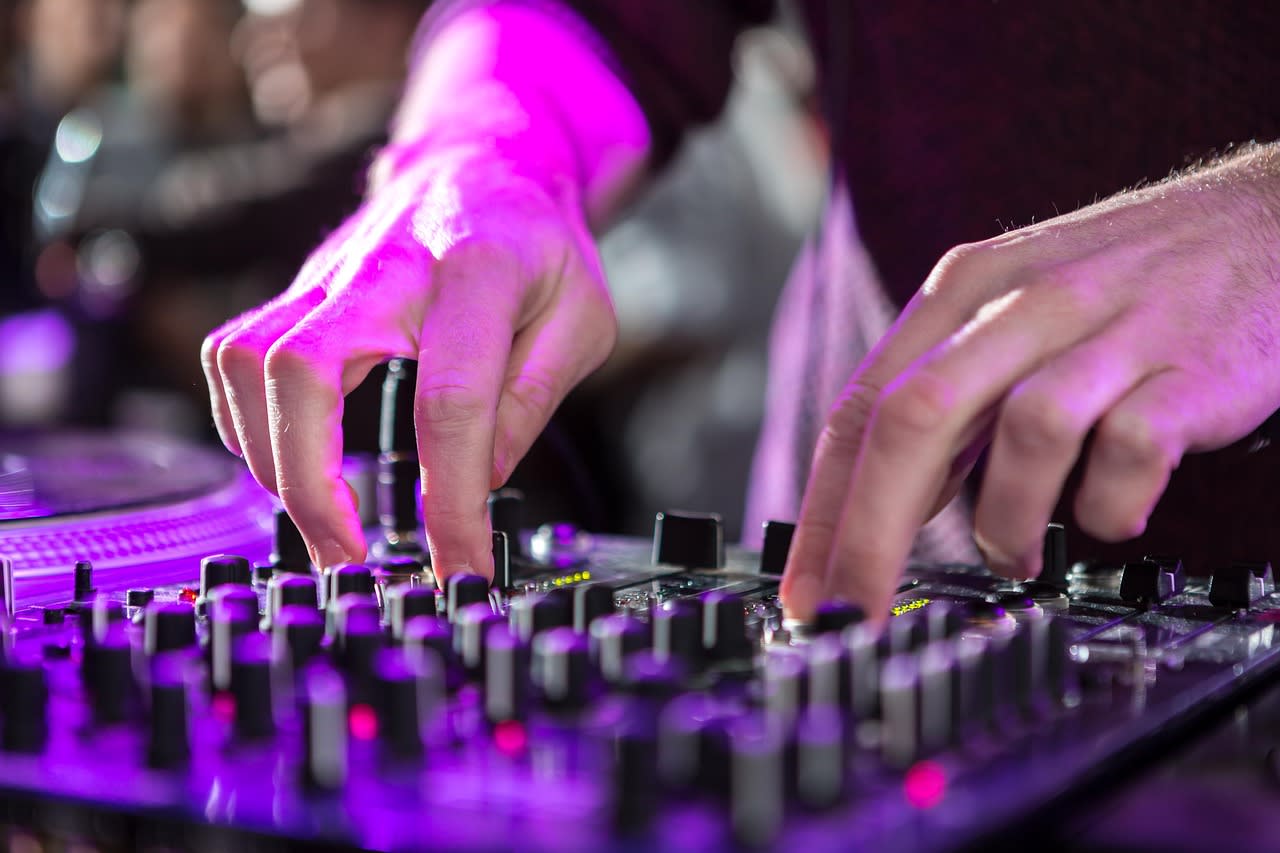
When it’s treated as a design element rather than an afterthought, it signals where the energy originates without overpowering the room. Custom structures, integrated lighting, subtle branding all tell the same story. This night is being guided, not random.
That’s why the booth often becomes the most photographed element, even when it isn’t flashy. It feels central. Grounded. Necessary.
Why Live DJs Still Outperform Perfect Playlists
There’s a reason pre-built playlists don’t hold rooms the same way. They can’t respond.
NYC crowds are fast, opinionated, and emotionally reactive. DJs adjust instinctively. When they do, design teams can move with them. Lighting shifts tone. Visuals soften or sharpen. The environment stays honest to what’s actually happening in the room.
That adaptability protects the experience. Even when plans change, the night doesn’t break.
Where These Conversations Actually Happen
Inside The Event Planner Expo 2026
This isn’t theory. It’s what NYC planners, DJs, designers, and producers are building right now, often behind the scenes.
At The Event Planner Expo 2026 next October, these conversations happen in the open. You hear how music-first thinking reshapes layouts, timelines, budgets, and guest engagement. You learn where planners are giving DJs more creative trust and where it’s paying off. And you walk away understanding how to design events that move with people instead of performing at them.
If you’ve ever felt that gap between how an event looked and how it landed, this is where that disconnect finally clicks into focus.
Get in the room. Get the perspective. And start designing events that actually feel as good as they look.