Corporate Event Networking Strategies for Fortune 1000 Teams
Strong corporate event networking strategies do more than fill a cocktail hour. They help marketing leaders, corporate event planners, and executive teams turn every handshake into a measurable business opportunity. For Fortune 1000 teams, the best networking outcomes come from intentional design: clear goals, curated introductions, high-value spaces, sponsor-led experiences, and follow-up workflows that keep momentum alive after the event ends.
Ready to meet more than 2,500 qualified event professionals, corporate decision-makers, and marketing leaders in New York City? Explore The Event Planner Expo tickets and plan your team experience.
Open networking still has a place, but it should not be the whole plan. When attendees are left to wander, the most confident people often collect the most value while first-time guests, senior leaders with packed schedules, and introverted decision-makers miss the right conversations. A corporate networking strategy fixes that by giving people a reason to meet, a path to connect, and a process for continuing the conversation.
How Should Fortune 1000 Teams Structure Event Networking Goals?
The first step is deciding what successful networking should produce. A Fortune 1000 event team may want to source new vendors, introduce regional leaders to national partners, connect sponsors with target accounts, or help internal teams build cross-functional relationships. Each goal requires a different format, staffing plan, and follow-up process.
Use the planning stage to define three things:
- Audience segments: Who needs to meet whom? Examples include CMOs and agency partners, procurement leaders and production vendors, or event planners and venue representatives.
- Desired outcomes: What should attendees be able to do after the event? Book vendor demos, compare sponsorship options, invite partners to an RFP, or schedule post-event strategy calls.
- Measurement: What proves the networking worked? Qualified meetings booked, scans at sponsor activations, VIP lounge appointments, post-event replies, or attendee survey responses.
This goal-first approach also helps teams choose the right ticket mix. For example, corporate planners who need education, access, and premium networking may get more value from a pass that includes speaker sessions, trade show access, and VIP experiences than from trade show access alone.
Large organizations should also separate networking goals by role. A CMO may need peer-level conversations about experiential strategy, while an event director may need vendor comparisons, and a procurement leader may need supplier qualification notes. When goals are role-specific, each attendee can arrive with a useful plan instead of a generic instruction to network.
What Makes Curated Introductions More Effective Than Open Networking?
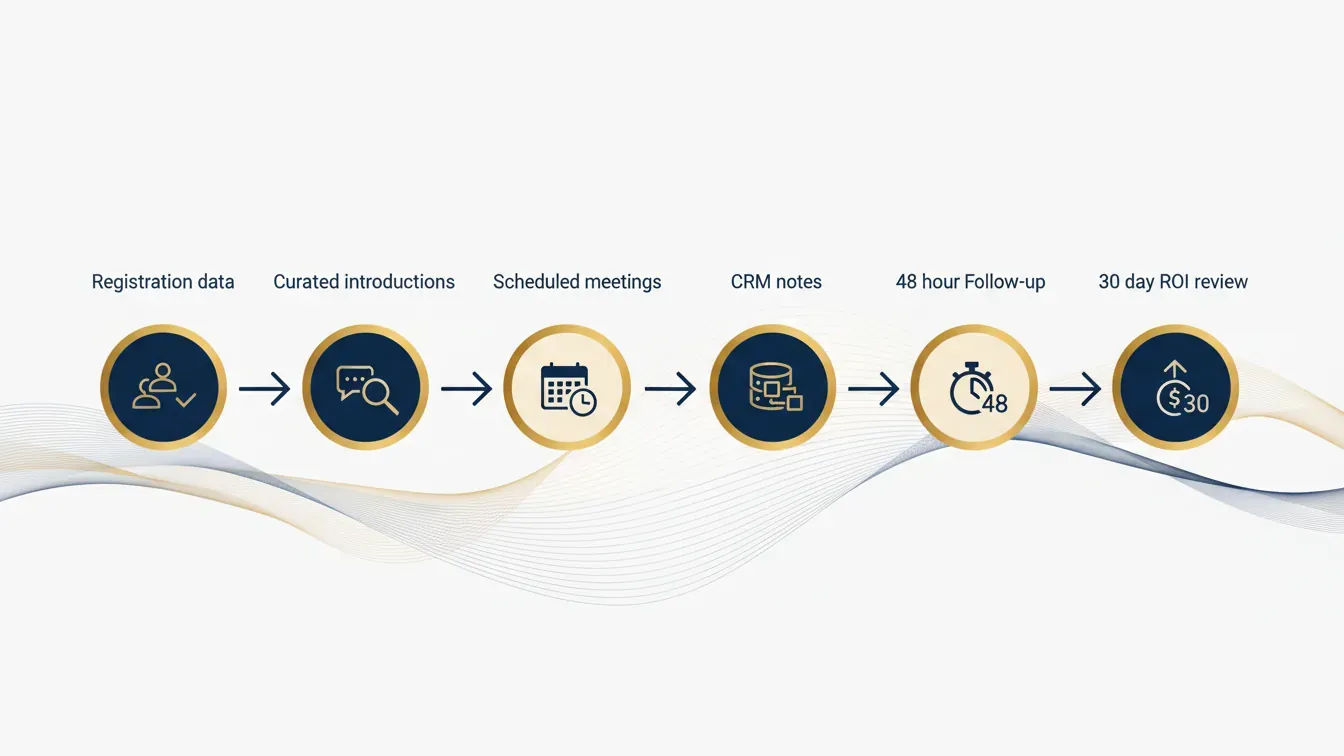
Curated introductions are one of the highest-impact corporate event networking strategies because they remove guesswork. Instead of hoping attendees find the right people, planners can use registration data, job titles, industries, goals, and buying interests to guide relevant matches.
A simple curated introduction workflow can include:
- Ask attendees to identify their top networking priorities during registration.
- Segment the attendee list by role, company type, buying stage, and business objective.
- Create recommended connection lists before the event.
- Send pre-event emails suggesting who to meet and why.
- Reserve blocks in the agenda for scheduled 1:1 or small-group meetings.
For executive audiences, quality matters more than quantity. A senior marketing leader may value three relevant introductions more than 30 casual conversations. Corporate planners should design pathways that make those three introductions easy to find.
Curated networking also supports sponsors and exhibitors. If a sponsor is trying to meet brand leaders planning national activations, the event team can create a short list of relevant attendees, recommend a hosted discussion, and schedule a small-group meeting around a specific challenge. The result feels more useful for attendees and more valuable for the sponsor.
Teams can make curated introductions feel natural by giving each connection a reason. Instead of sending a vague “you should meet” message, include a short context line: both teams are evaluating hybrid event technology, both leaders manage multi-city activations, or both brands are planning VIP client experiences. That context gives people an immediate conversation starter.
How Can VIP Lounges Encourage High-Value Conversations?
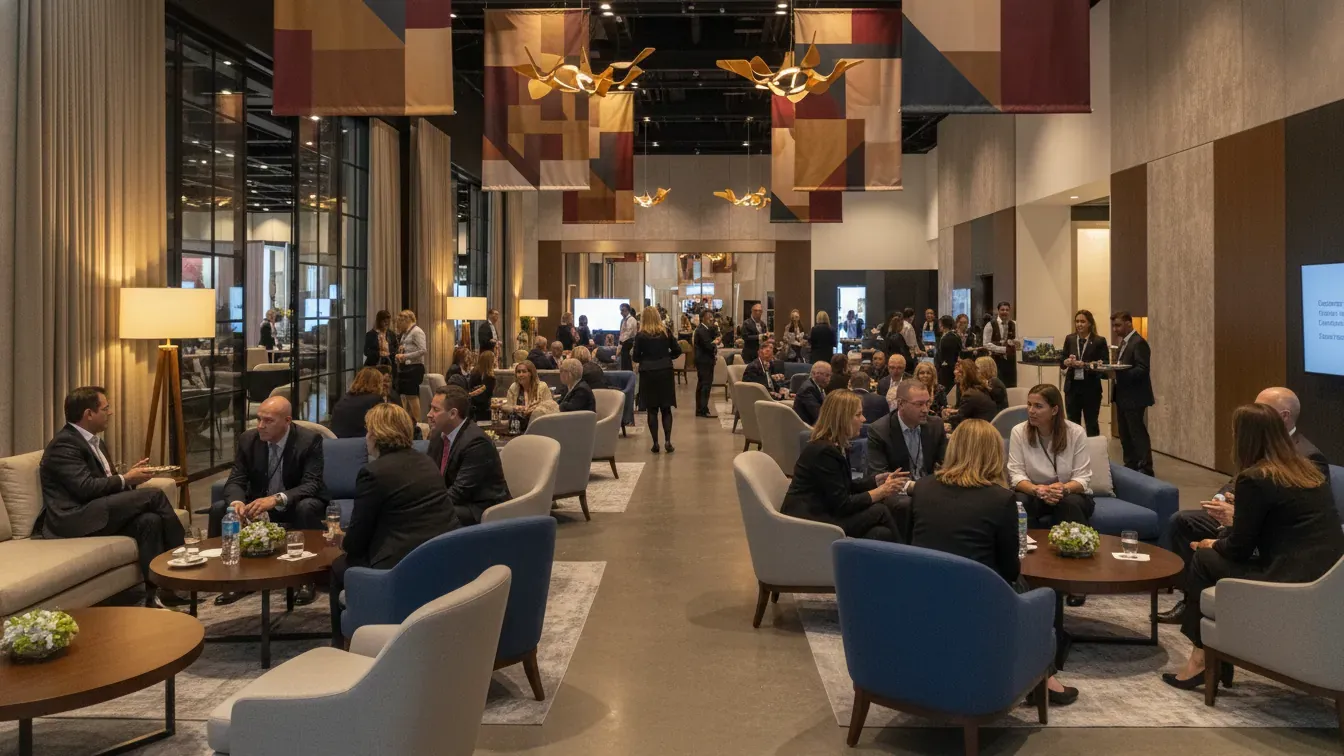
A VIP lounge should be more than a quieter room with better seating. It should be a designed environment for strategic conversations. At a large industry event, VIP spaces give executives, sponsors, corporate teams, and high-intent attendees a place to step away from the trade show floor and focus on relationship building.
To make a VIP lounge effective, plan it with purpose:
- Set access criteria: Tie entry to ticket level, sponsor package, hosted buyer status, or scheduled meeting participation.
- Program the space: Add short hosted discussions, executive meetups, private demos, or industry roundtables.
- Staff the room: Assign hosts who can make warm introductions instead of leaving guests to self-navigate.
- Support follow-through: Use meeting cards, QR codes, calendar links, or concierge support to help attendees capture next steps.
The Event Planner Expo experience is built for this kind of concentrated access, with opportunities to connect across trade show, speaker, and VIP networking environments. Teams can review the event structure on The Event Planner Expo website and plan where their highest-value conversations should happen.
For Fortune 1000 teams, the most useful VIP lounge strategy is often appointment-based. Reserve short meeting windows for the highest-priority conversations, then leave open periods for spontaneous introductions. This balances structure with flexibility and prevents the lounge from becoming another crowded reception.
Turn Sponsor Activations Into Networking Engines
Sponsor activations should not only create brand visibility. They should create conversations. The best sponsor networking activations give attendees a reason to engage, share context, and continue the relationship after the booth interaction.
Consider activation formats that naturally invite dialogue:
- Hosted micro-sessions: Short presentations or demos for a small audience with time for questions.
- Challenge-based activations: Attendees bring a planning problem, and the sponsor offers a quick recommendation or resource.
- VIP appointment blocks: Sponsors reserve private meeting times with target buyers or strategic partners.
- Interactive product experiences: Hands-on activations that help planners evaluate technology, decor, catering, entertainment, or production capabilities.
- Executive roundtables: Sponsor-hosted conversations around a shared industry challenge, such as event ROI, attendee engagement, or hybrid strategy.
For exhibitors and sponsors, the value is especially strong when the attendee base is qualified. The Event Planner Expo brings together 150+ exhibitors and 2,500+ event professionals, planners, corporate buyers, and marketing decision-makers, giving sponsors a focused environment for business development. Brands exploring visibility and lead generation can review sponsorship opportunities or exhibitor opportunities.
If your team wants networking, education, and vendor discovery in one NYC experience, secure your corporate event planner tickets and build a plan around the people you most need to meet.
Design Networking for Different Personality Types
Not every attendee wants to walk into a room and start a conversation cold. The strongest networking plans include multiple formats so extroverts, introverts, executives, new planners, and sponsors all have a clear way to participate.
Blend formats such as:
- Structured speed networking: Best for helping attendees make several quick introductions in a defined period.
- Topic-based meetups: Best for deeper conversations around shared interests like corporate events, experiential marketing, hospitality, or event technology.
- Hosted buyer meetings: Best for connecting qualified decision-makers with relevant suppliers.
- Open receptions: Best after attendees already have a few warm connections to continue.
- Private executive sessions: Best for senior leaders who need peer-level discussion and efficient access.
This mix gives every attendee an entry point. It also prevents the networking agenda from depending on one high-pressure reception. For large corporate teams, this matters because attendees often arrive with different seniority levels, confidence levels, and business objectives. A planning team that offers both structured and flexible formats can help more people participate without forcing one networking style on everyone.
Build a Post-Event Follow-Up Workflow Before the Event Starts
Networking ROI is won or lost after the event. If attendees leave with business cards, QR scans, or LinkedIn connections but no follow-up plan, valuable introductions fade quickly. Corporate teams should build the follow-up workflow before anyone arrives onsite.
A strong post-event process includes:
- Same-day capture: Use notes, lead retrieval, CRM tags, or shared spreadsheets to record who met whom and why the conversation matters.
- 24-hour recap: Send a short internal summary with priority contacts, meeting notes, and next actions.
- 48-hour outreach: Follow up with personalized messages while the conversation is still fresh.
- One-week qualification: Sort contacts into partners, vendors, prospects, press, sponsors, and future collaborators.
- 30-day review: Measure meetings booked, proposals requested, vendor demos scheduled, and relationships advanced.
For large corporate teams, assign ownership before the event. One person may handle sponsor follow-up, another may own vendor demos, and another may coordinate executive introductions. Clear ownership prevents strong conversations from getting stuck in an inbox.
The best follow-up messages are specific. Mention the session, booth, lounge conversation, or introduction that created the connection. Reference the business challenge discussed. Offer one clear next step, such as a 20-minute call, a vendor capabilities review, or a planning discussion with the broader team. Generic “nice to meet you” emails are easy to ignore, especially for senior decision-makers.
How Fortune 1000 Teams Can Prepare for The Event Planner Expo
The Event Planner Expo is designed for concentrated relationship building. With 2,500+ qualified event professionals, corporate decision-makers, exhibitors, sponsors, and marketing leaders gathering in NYC, attendees can compress months of vendor discovery and industry networking into a focused event experience.
To get the most from the expo, corporate teams should prepare in advance:
- List the vendors, sponsors, venues, and partners your team wants to evaluate.
- Identify which team members should attend speaker sessions, the trade show floor, VIP networking areas, and after-hours experiences.
- Create a shared meeting target list before arriving onsite.
- Use the event to compare options, ask better questions, and build relationships that continue long after the expo.
Corporate planners can also use related resources, such as the guide to event networking strategies for conferences, to strengthen their approach before they arrive. Teams that want broader event access and updates can also review The Event Planner Expo learn more page or explore upcoming events and networking opportunities.
Before the event, hold a short internal planning meeting. Confirm who owns each relationship category, which sessions are most important, and which sponsors or exhibitors deserve scheduled meetings. After the event, use the same list to review progress and decide which relationships should move into active follow-up.
Make Networking a Planned Business Outcome
The best corporate event networking strategies are intentional, measurable, and attendee-centered. They start with business goals, guide the right people toward each other, create spaces for focused conversations, turn sponsor activations into relationship engines, and make follow-up part of the plan from day one.
For Fortune 1000 teams, that level of structure is what turns an event from a busy calendar item into a real growth channel.
Plan your next high-value networking opportunity in NYC. Explore ticket options for The Event Planner Expo and connect with the event professionals, sponsors, exhibitors, and decision-makers shaping the industry.
Frequently Asked Questions About Corporate Event Networking Strategies
How do Fortune 1000 teams approach corporate event networking?
Fortune 1000 teams usually approach networking as a business objective, not as a casual add-on. They define which relationships matter most, assign team members to specific meetings or sessions, track conversations in a CRM or shared document, and review outcomes after the event.
What makes a VIP lounge effective for networking?
An effective VIP lounge has clear access criteria, comfortable space for private conversations, programming that brings the right people together, and staff who can make warm introductions. The goal is not only exclusivity. The goal is focused access to high-value conversations.
How should you follow up after a corporate networking event?
Follow up within 48 hours with a message that references the specific conversation and proposes one next step. Then organize contacts by priority, assign owners, and review outcomes within 30 days so the team can measure meetings booked, proposals requested, and relationships advanced.
Why are curated introductions better than open networking?
Curated introductions help attendees meet people who match their goals, roles, industries, or buying interests. Open networking can still be useful, but curated introductions reduce wasted time and make the event more valuable for senior leaders, sponsors, exhibitors, and first-time attendees.
What should corporate planners measure after a networking event?
Corporate planners should measure qualified meetings, follow-up replies, vendor demos, sponsor conversations, proposal requests, partnership opportunities, and attendee satisfaction. These metrics show whether networking supported real business outcomes.
If you’re serious about staying sharp in this industry, you don’t sit on the sidelines. You get in the room. The Event Planner Expo is where NYC planners trade ideas, pressure-test trends, and walk away with strategies they can actually use.
Get your tickets and experience what the next year of events is really shaping up to look like.