Event Conference Networking Tips for Event Planners
Most event experts leave major conferences with a stack of business cards but no new clients. Successful networking needs a smart plan that starts long before you arrive at the registration desk.
Get your tickets to The Event Planner Expo and grow your event network at one of NYC’s biggest industry gatherings.
Event conference networking tips focus on planning and clear goals to turn short meetings into real business leads. Research shows that setting specific goals before an event helps people get the most out of every talk. You should find the right people to meet and plan your pitch so you can make a strong impact fast. Instead of trying to meet everyone, focus on a few key people who can help your business grow. Use the event app to find leads and stay seen during the whole show. Be real when you talk to others and listen well to build trust. Send a note to new contacts after the show to keep the bond alive. These steps help you build a network that lasts well after the last session ends.
Building these deep bonds takes more than luck and a friendly smile. Start the work before you step into the hall. A clear goal ensures you spend your time meeting the right people.
Event conference networking tips start with a clear goal
Going to a large industry event can feel like a lot if you do not have a plan. You might walk into a room of 2,500 people and not know where to start. To get the most from your time, you must set clear goals before you arrive. These goals will help you stay focused on what matters most for your work or company. Most event conference networking tips start with this simple step because it works.
Why you need a networking plan
A good plan gives you a map to follow throughout the show. Without it, you may spend too much time with people you already know. While catching up with old friends is nice, you should meet new leads and partners instead. Setting clear goals before the doors open helps you find the right people to talk to. It also helps you see if the trip was a win for your business and worth the cost.
Think about what you want to get in three days. Do you need five new vendors for your next big project? Are you looking for a new job at a top event firm? Maybe you just want to learn about new trends from top experts. When you know your “why,” every chat you have will have more value for your team. This focus keeps you from feeling lost in the big crowd and helps you stay on track each day.
Steps for pre-event prep
- Pick your main goal. Decide if you want to find new clients, meet vendors, or find a mentor. Having one main goal keeps you on track.
- Research the attendee list. Look for people who fit your goals. Reach out to them on social media to set up a quick meet before the show starts.
- Study the speakers. Find experts who have the skills you want to learn. Plan to go to their talks and have a question ready for them.
- Check out the exhibitors. With many top brands in one spot, you cannot see them all. List the top ten booths you must visit.
- Use the networking lounges. Map out where the VIP lounges are. These quiet spots are great for deep talks away from the loud main floor.
Build your event schedule
Once your goals are set, you can build a schedule that fits them. This means you will not miss the talks or parties that matter to you. You can find more about the show on The Event Planner Expo home page. Taking these small steps now will save you time and stress later on.
Good goals also help you beat shy feelings and talk to strangers. It is easier to walk up to someone when you have a reason to talk that fits your plan. You can ask about their work or a talk they just gave to the group. This makes each start to a talk feel easy for both of you. It turns a quick hello into a real business link that can last for many years to come. You can buy tickets now to start your networking plan.
Prepare an introduction people will remember
A great first impression starts long before you walk into the room. Smart pros know that setting clear goals before a conference helps you get the most out of every talk. You should decide who you want to meet and what you hope to learn. When you have a plan, you feel more calm and ready to talk to new people. This prep work is a key part of any conference networking strategy for top leaders.
Define your value message
You need a quick way to say what you do and why it matters. A short summary of your work helps you find common ground with others fast. Do not just list your job title. Instead, focus on the help you give to your clients. A good value message creates interest and invites more questions. Keep it to two or three short sentences so the other person can speak too.
For example, an event planner might say they help big brands create fun parties that boost sales. This tells people your niche and your results right away. It is much better than just saying you plan events at a trade show.
Ask better questions
The best way to stand out is to care about others. Use open questions that start with how or why. These help you learn more about the person in front of you. Ask them what brought them to the show or what big goal they have for the year. This shows you care about their work and their wins. Being authentic in your talk helps you build better bonds than using a script.
Active listening is just as vital as the questions you ask. Give your full focus to the person speaking. Do not look around the room for the next person to meet. When you listen well, you can find ways to help each other later.
Share contacts and follow up
Swapping info should be fast and simple. Use digital tools to share your phone number or web link in seconds. This saves time and keeps your new contact list neat. Modern apps make it easy to track your links during a busy day. You will not have to worry about losing a paper card in your bag.
The real work starts after the chat ends. You must follow up with new people soon to build a strong bond. Send a quick note within a day or two while the talk is still fresh. Mention a specific thing you liked about your talk to show you paid attention. Following these event conference networking tips turns a quick hello into a real business path.
How can you use every conference setting strategically?

A big event like The Event Planner Expo offers many spots to meet people. Each area has a different feel and goal. To get the best results, you must change how you talk based on where you are. Using a conference networking strategy helps you stay focused. This way, you do not waste time or miss out on great leads.
The trade show floor
The trade show floor is the heart of the Expo. With 150 exhibitors, it is a busy place to find new partners. Walk the floor with a plan to meet specific teams. Focus on booths that match your business needs. It is best to keep these chats brief so you can see more people. You can always book a full meeting for a later date.
Group sessions on the floor are also helpful for meeting many people at once. These areas let you see who the top voices are in your field. Group networking sessions are great for finding key people quickly. Look for folks who ask good questions or share smart ideas. These people often make for strong business leads.
Speaker sessions and Q&A
Speaker sessions provide more than just new info. They are a prime time to build your name. Sit near the front to stay active and take notes. When the talk ends, try to ask a short question. This shows you are an expert and helps others notice you. It also gives you a reason to speak with the expert after they leave the stage.
Talking to speakers after a talk is a smart way to start a deep chat. Most experts enjoy hearing feedback from the crowd. Asking a thoughtful question can lead to a real bond with a leader. Be sure to have your card ready if they want to keep in touch. This simple step can turn a brief chat into a long-term partnership.
Evening parties and lounges
The fun does not stop when the sun goes down. After parties and VIP lounges offer a more relaxed vibe. This is where you can build real trust with new contacts. People are often more open to talking when they are not in a rush. Use this time to learn about the person, not just their job. Strong bonds often start with a shared interest or a laugh.
VIP access gives you a chance to meet top leaders in a quiet space. These rooms are perfect for high-level talks. You can skip the loud noise of the main floor and focus on one person. Make sure to stay active throughout the whole event. Success often comes to those who show up every day and stay until the end.
It is also vital to manage your energy. Strategic breaks help you stay sharp for the long haul. Managing personal energy levels ensures you remain focused during the late hours. This allows you to give your full attention to every new peer you meet.
| Setting | Best Contact | Main Goal | Approach |
|---|---|---|---|
| Trade Show Floor | Exhibitors | Find Vendors | Fast and Brief |
| Speaker Hall | Industry Leaders | Gain Insights | Smart and Eager |
| VIP Lounge | C-Suite Execs | Build Trust | Polished and Calm |
| After Party | All Peers | Social Bond | Fun and Friendly |
The setting shapes the conversation. Match your goal and approach to the people most likely to be there.
Each setting at the Expo needs a unique touch. By knowing where to go and who to talk to, you can make the most of your trip. The Event Planner Expo is more than just a trade show. It is a full event that can help your brand grow. Be sure to check your networking tips for event industry conferences before you arrive.
How do you network without feeling awkward?
Many pros feel a bit shy when they walk into a big room full of people. But you can learn to meet others with ease by using a few simple networking tips for event industry conferences. Start by having a clear goal for each part of the day. When you know who you want to meet, you will feel more sure of yourself. You can also pick a spot near the food or drink line to start quick chats as people wait.
Start with easy questions
You do not need a fancy opening line to start a talk. Just ask a simple question about the event or a recent talk. Most people at a trade show want to talk but may be as shy as you are. A clear conference networking strategy helps you focus on others instead of your own fear. Ask them what brought them to the show or which speaker they liked most. This makes it easy for the other person to share their thoughts and keeps the talk moving.
Listen more than you talk
Good networking is about learning, not just selling. Show that you care by listening well to what others say. This builds trust and makes the other person feel valued. It is also a great way to find out if you can help them in some way. Using active listening is a key way to build rapport at industry events. Focus on their words and ask follow-up questions to show you are paying attention. This takes the pressure off you to come up with new things to say.
Join and leave groups with ease
Look for groups of three or more people where there is a small gap in the circle. This gap is a sign that they are open to new people joining in. Walk up, wait for a pause, and then say hello. If you want to move on, wait for a break in the talk. You can say you want to see another booth or grab some water. This is a polite way to end the chat so you can build real connections at conferences with new people. Always try to swap cards or info before you walk away.
Turn quick conversations into valuable relationships
Look for fit before you pitch
A conference introduction is not an invitation to launch into a sales pitch. Start by learning what the other person does, who they serve, and what they hope to find at the event. Event planners can often spot useful connections between venues, suppliers, speakers, brands, and other planners. That insight is more memorable than a rehearsed list of services.
Ask questions that make it easy for someone to share a real need. Try, “What kinds of events are you excited about this year?” or “What is one partner you would like to meet here?” Listen for ways you can help. Even when there is no direct business opportunity for you.
Agree on a clear next step
Before you leave a strong conversation, ask permission to continue it. A next step might be sending a venue recommendation, making an introduction, sharing a useful article, or scheduling a short call. Keep the promise specific so both people know what will happen next.
Add a short note to the contact record while the details are fresh. Record the person’s main interest, your promised action, and one personal detail that will help you write a warm follow-up. These notes turn a stack of names into a set of real conversations.
Choose depth over volume
A full contact list can feel productive, but a small group of well-matched relationships is often worth more. Focus your time on people you can help, learn from, or work with in a clear way. Be generous with introductions, share useful ideas, and let trust grow before asking for anything.
Conference networking works best as the start of a relationship, not a one-day transaction. For more ideas on building your network throughout the year, read these networking strategies for event professionals.
How should you follow up after conference networking?
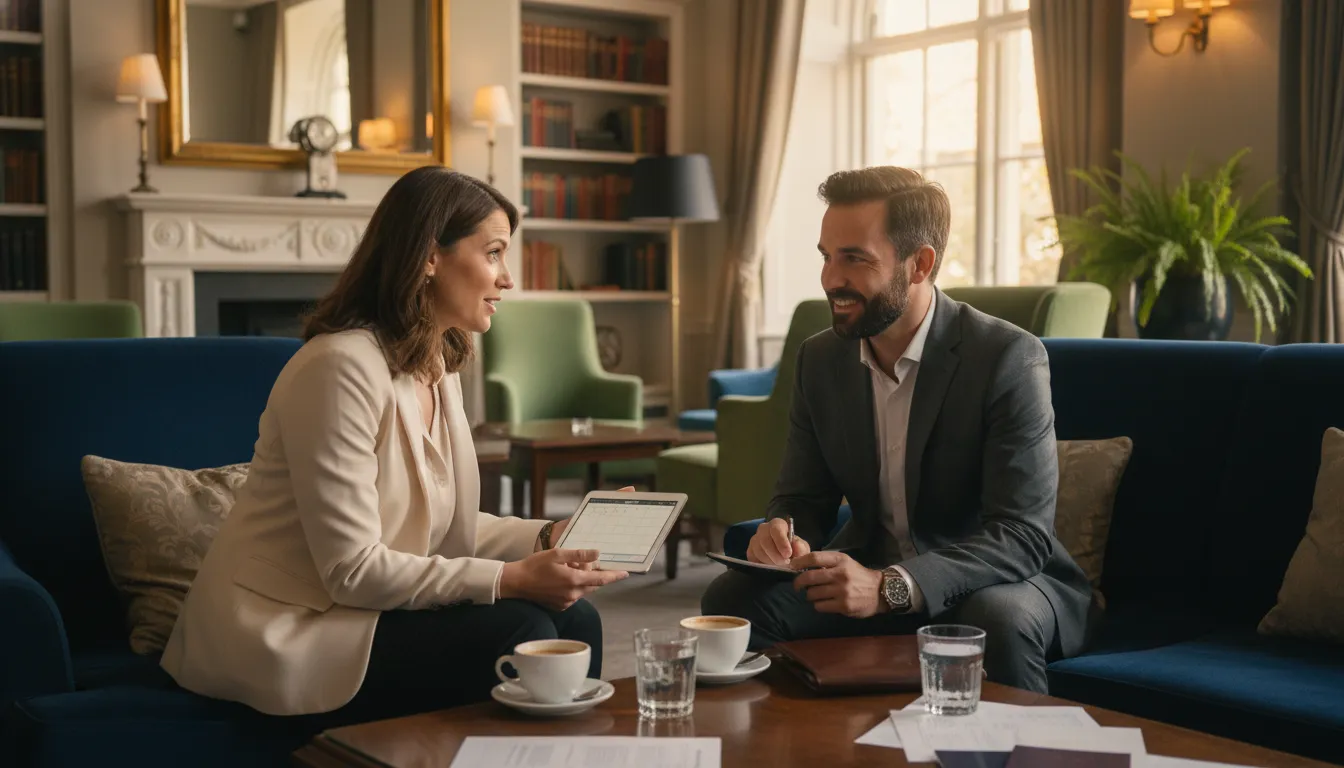
Sort contacts by the next step
Set aside time soon after the conference to review your notes. Group contacts by the action you agreed to take, such as sending a resource, making an introduction, or arranging a call. This keeps the most useful conversations from disappearing into a crowded inbox.
Do not send the same message to everyone. A short, personal note that mentions the setting and topic will help the person remember you. It also shows that you listened instead of collecting contact details without purpose.
Deliver what you promised
If you offered to send a link, proposal, introduction, or sample, include it in the first message when possible. Make the next action simple. Suggest a few call times, ask one clear question, or explain why two people should meet. Useful follow-up builds trust faster than a generic message asking to “stay in touch.”
Warm introductions can be especially valuable in the event industry. Confirm that both people want the introduction, explain the shared fit, and let them take the conversation forward.
Keep the relationship active
Not every good contact needs an immediate meeting. Some relationships grow through a helpful article, a thoughtful comment, or a check-in before the next busy season. Add reminders to reconnect based on what you learned instead of sending frequent messages with no clear value.
When a relationship does create an opportunity, track how it began. This helps you learn which event settings, questions, and follow-up habits lead to strong results. It also makes your next conference plan more focused. If growth is your goal, explore more ideas for growing an event planning business.
Measure the networking results that matter
Count outcomes, not contacts
The number of contacts you collect tells only part of the story. Track the results that can support your work, such as follow-up calls booked, warm introductions made, vendor options found, referrals received, and collaboration ideas developed. These signals show whether your conference plan produced useful relationships.
Review your goals a few weeks after the event. Note which contacts replied, which conversations moved forward, and which promises you completed. A thoughtful follow-up with five well-matched people can create more value than a generic email sent to fifty.
Improve the next conference plan
Write down where your best conversations happened and what started them. You may find that speaker sessions led to deeper talks, the trade show floor helped you discover partners, or social events made introductions easier. Use that insight to plan your time at the next conference.
Also note what drained your time without helping your goals. A short review turns every conference into a better networking system. Over time, you will know which settings, questions, and follow-up habits are most useful for your event business.
Make your event industry expertise useful
Work events are more than just spots to swap cards. They are hubs to share what you know and build trust. When you give advice, you help others. This makes you more than just a name on a list. Using your skills helps you stand out in the event world. A quick chat can become a long bond when you are a helpful resource.
Share insights with other planners
Event planners often face the same tests, like tight budgets or close dates. When you talk to others, focus on sharing small wins and lessons you have learned. You might talk about a new tool that saved you time or a way to lower costs. This is key for a conference networking strategy. It shifts the talk from small chat to real value.
Research shows that planning and setting goals before you arrive helps you get more out of a show. A study in global health notes that getting ready helps you find the best people to meet. You should find peers in your same niche. Ask them what tools they use to track tasks. This builds a bond and shows you know the field.
Also, try to limit time with people you already know. While it feels safe to stay with your team, meeting new people is how you grow. It is better to find new faces than to stay with old friends all day. Swapping ideas with new peers gives you fresh views that help your business.
Make warm intros for vendors
One of the best ways to show value is by making warm intros. If you know a venue looking for a food team, share that lead with a caterer you trust. Linking a vendor with a spot that needs help builds good feelings on both sides. This creates a loop where others want to help you later. This shows you know the market and care about the field’s success.
Good networking tips for event industry conferences often stress listening more than talking. By hearing what a vendor or venue needs, you can spot where a match might work. Use VIP lounges or after-parties to have these talks. These spots are great for finding new partners. Being the person who brings people together makes you a vital part of the industry.
Find a good fit with buyers
Big company buyers look for partners who understand their goals. When you meet them, skip the sales pitch. Instead, show you know the latest trends in their world. This helps you build real connections at conferences that last. Focus on how your skills help them reach their targets.
You can use a short “pitch” to explain what makes your work unique. A study in medical education says a clear pitch helps people find common ground fast. Keep it short and focus on how you solve problems. This makes it easy for buyers to see if your team is a good fit. Being real builds much stronger ties than using a script.
Frequently asked questions about conference networking
How do you start a conversation at an event industry conference?
Use the setting around you. Ask what brought the person to the session, which trend they are watching, or what type of partner they hope to meet. Open questions make it easy to begin without forcing a pitch.
How many people should you try to meet at a conference?
Choose a small, realistic target based on your goals and schedule. Focus on useful conversations and clear next steps instead of collecting as many contacts as possible. Quality relationships are easier to remember and follow up with.
What should you say in a conference follow-up message?
Mention where you met, recall one specific topic, and complete any action you promised. Then suggest one simple next step, such as a short call or an introduction. Keep the message personal and brief.
How can introverts network at a large conference?
Plan short networking blocks, arrive with a few conversation starters, and use smaller settings such as speaker sessions or focused groups. Taking brief breaks can help you keep enough energy for meaningful conversations.
Is VIP access useful for networking?
VIP access can create more chances to meet people in focused settings when those benefits are part of the current ticket package. Review the event’s verified ticket details and choose the option that best supports your goals.
Put these event conference networking tips to work
The right conference brings ambitious event professionals, venues, vendors, speakers, and decision-makers into the same experience. Arrive with a clear plan, lead with useful conversation, and follow through on every promise you make.
Get your tickets to The Event Planner Expo and explore the networking opportunities available with the current ticket options.