How to Create a Marketing Plan for Event Management
Think of your event as a product and your potential attendees as your customers. You wouldn’t launch a new product without a solid go-to-market strategy, and your event deserves the same level of strategic thinking. Simply announcing your event and hoping for the best is a recipe for stress and underwhelming results. A thoughtful marketing plan for event management is what turns hope into a reliable process. It provides a clear framework for identifying your audience, crafting a compelling message, and choosing the right channels to create a buzz that builds from the first announcement to the final post-event follow-up.
Key Takeaways
- Start with a Clear Plan: Your marketing is only as strong as its foundation. Before promoting, define your event’s specific goals, create detailed personas of your ideal attendees, and articulate a unique value proposition that answers, “Why should they attend?”
- Create a Cohesive Promotional Strategy: Don’t just throw content at different channels. Use a strategic mix of email marketing, social media, and partnerships to tell a consistent story that builds excitement and guides potential attendees from awareness to registration.
- Measure, Learn, and Refine: Success isn’t just about ticket sales. Track key performance indicators (KPIs) throughout your campaign and gather post-event feedback to prove your ROI and uncover valuable insights that will make your next event even stronger.
What is an Event Marketing Plan?
Think of an event marketing plan as the strategic playbook for promoting your event. It’s a detailed document that outlines everything from your core objectives and target audience to your messaging, promotional channels, and timeline. This isn’t just a simple to-do list; it’s a comprehensive roadmap that ensures every marketing action you take is intentional and aligned with your ultimate goals. A great plan helps you set clear goals, understand your audience, decide on your message, and choose how you’ll spread the word.
It’s the foundation that supports all your promotional activities, from the first “save the date” announcement to the final post-event thank you email. It forces you to answer the big questions before you spend a single dollar: Who are we trying to reach? What do we want them to do? Why should they care? By creating this plan upfront, you give your team a clear direction, making it easier to coordinate efforts, manage resources, and make smart decisions under pressure. It’s what separates a chaotic, stressful launch from a smooth, strategic, and successful one. To see how a well-executed plan comes to life, you can learn more about what makes a premier industry conference tick.
Why Every Successful Event Starts with a Plan
Simply put, a great marketing plan is essential for your event’s success. It’s the critical step that helps you reach the right people, capture their interest, and ultimately, sell tickets. Without a plan, your marketing efforts can feel random and disconnected, leading to wasted time, a drained budget, and a message that doesn’t resonate with anyone. You might have an incredible lineup of speakers and a fantastic venue, but if no one knows about it, you won’t see the attendance you need.
A plan forces you to think critically about who you want in the room and what it will take to get them there. It provides the clarity and focus needed to guide your team, justify your budget, and build a promotional campaign that generates real momentum.
How a Strong Plan Drives Attendance and Engagement
A well-crafted plan is your best tool for filling seats and creating a buzz. It helps you attract the right people, spend your money wisely, keep your message clear, and guide your team. This focused approach leads to more attendees, better engagement, and a truly memorable event. When your messaging is consistent and targeted, it builds trust and excitement, making your audience feel like the event was designed specifically for them. This connection is what turns passive interest into active participation.
Furthermore, a strong plan includes clear metrics for success. You can track key numbers like registration and attendance rates, ticket sales, social media engagement, and post-event survey responses. By monitoring these key performance indicators (KPIs), you can measure your return on investment (ROI) and gather valuable insights to make your next event even more successful. This data-driven approach ensures you’re not just guessing what works—you know.
Key Components of Your Event Marketing Plan
Every successful event, from an intimate workshop to a massive industry conference, is built on a solid marketing plan. Think of it as your blueprint—it guides every decision you make, ensuring your efforts are strategic, focused, and effective. Without a plan, you’re essentially guessing, hoping your message reaches the right people at the right time. A well-crafted plan, on the other hand, provides clarity and direction, helping you attract attendees, generate buzz, and achieve your event’s ultimate purpose.
The best event marketing plans aren’t overly complicated. They are built on three core pillars: clear goals, a realistic budget, and a detailed timeline. These components work together to create a roadmap that keeps your team aligned and your marketing on track from the initial announcement to the post-event follow-up. By defining what you want to achieve, how much you can spend, and when key activities need to happen, you set the stage for a sold-out event and a powerful return on your investment. Let’s break down how to build each of these essential pieces.
Set Clear Objectives and Goals
Before you design a single graphic or write a line of copy, you need to know what you’re working toward. What does success look like for your event? Are you trying to generate new leads, increase brand awareness, or sell a certain number of tickets? Your objectives will shape every part of your marketing strategy. The key is to set SMART goals—Specific, Measurable, Achievable, Relevant, and Time-bound. Instead of a vague goal like “get more attendees,” a SMART goal would be “increase ticket sales by 15% compared to last year by August 31st.” This clarity helps you focus your efforts and measure what’s working. It also helps you decide which features to highlight, like your lineup of powerhouse keynote speakers.
Plan Your Budget and Resources
Your budget is the fuel for your marketing engine. It dictates which channels you can use, how widely you can promote your event, and what resources you can lean on. Start by creating a realistic budget that covers all potential marketing expenses, including digital advertising, content creation, email marketing software, and public relations. Don’t just think in terms of dollars—consider your team’s time and skills as valuable resources, too. A detailed budget helps you make informed decisions and allocate funds effectively. Knowing your financial framework from the start prevents overspending and ensures you can support your marketing activities throughout the entire promotional cycle. Many brands choose to exhibit at major expos as part of their marketing budget to connect directly with their target audience.
Map Out Your Timeline and Milestones
With your goals and budget in place, it’s time to create a timeline. A marketing timeline, or a promotional calendar, maps out all your key activities and deadlines leading up to the event. Start as early as possible and work backward from the event date, scheduling milestones for major announcements, campaign launches, email sends, and social media posts. This timeline keeps your team organized and ensures a consistent stream of communication with your audience. Assign specific tasks to team members to create accountability and keep everything moving forward. A clear event schedule is not just for your attendees; it’s a critical internal tool that ensures your promotional efforts are timely, strategic, and impactful.
How to Identify and Analyze Your Target Audience
Before you write a single social media post or send one email, you need to know exactly who you’re talking to. A successful event isn’t just about filling a room; it’s about bringing the right people together. When you deeply understand your audience, every marketing decision—from the channels you use to the words you choose—becomes clearer and more effective. This isn’t about making assumptions; it’s about doing the research to build a solid foundation for your entire strategy.
Think of it this way: you wouldn’t plan a menu without knowing your guests’ dietary restrictions. Likewise, you can’t craft a marketing message without knowing your audience’s needs, challenges, and goals. The goal is to move beyond broad categories like “event planners” and get into the specifics of who they are, what they care about, and why your event is the one they can’t afford to miss. This process involves digging into their professional and personal characteristics, creating a clear picture of your ideal attendee, and understanding what truly motivates them to show up.
Research Demographics and Psychographics
Let’s start with the basics. Demographics are the “who” of your audience—the straightforward, factual data. This includes details like their age, job title, industry, company size, and geographic location. Psychographics, on the other hand, are the “why.” This is where you explore their lifestyle, values, interests, and attitudes. What publications do they read? Which industry leaders do they follow on LinkedIn? What keeps them up at night? Combining these two types of data gives you a much more complete picture. You can gather this information by surveying past attendees, analyzing your social media followers, or even looking at the audience of similar events.
Create Detailed Attendee Personas
Once you have your research, it’s time to bring it to life by creating attendee personas. A persona is a semi-fictional character that represents your ideal event guest. Give them a name, a job title, and a backstory based on the demographic and psychographic data you collected. For example, you might create “Corporate Chloe,” a 35-year-old marketing director at a tech firm who needs to find cutting-edge vendors for her company’s annual sales kick-off. Or “Entrepreneurial Eric,” a 42-year-old who just launched his own event agency and is looking for networking opportunities to grow his business. These personas make your audience tangible and help your team create marketing content that speaks directly to real people.
Understand Audience Pain Points and Motivations
Knowing who your attendees are is one thing; knowing what they need is another. What challenges are they facing in their roles? These are their pain points. For “Corporate Chloe,” it might be the pressure to prove ROI on her event spend. For “Entrepreneurial Eric,” it could be the struggle to stand out in a crowded market. Your event’s marketing should position it as the solution to these problems. At the same time, you need to understand their motivations. Are they coming for education, to network with peers, or to discover new suppliers? The keynote speakers and educational sessions at The Event Planner Expo, for instance, directly address the motivation for learning from the best in the business. When your messaging connects with their core needs, you’re not just selling a ticket—you’re offering a solution.
Choose the Right Promotional Strategies
Once you know who you’re talking to, you can decide how to reach them. A great promotional strategy uses a mix of channels to build excitement and drive registrations. Instead of putting all your energy into one platform, think about creating a complete promotional ecosystem where each channel supports the others. This approach ensures your message reaches your audience wherever they are, from their inbox to their social media feeds, creating a consistent and compelling narrative around your event.
Leverage Digital Marketing and Social Media
Your digital presence is your event’s front door. Start with a professional event website that’s easy to use and provides all the essential information: what the event is about, who it’s for, and how to register. Use social media platforms where your target audience spends their time—LinkedIn is great for corporate events, while Instagram is perfect for more visual or creative gatherings. You can share behind-the-scenes content, speaker announcements, and testimonials to build a community. Don’t forget about paid advertising and search engine optimization (SEO), which can help you reach a wider audience and attract attendees who are actively searching for events like yours.
Use Email Marketing and Automation
Email is one of the most direct ways to communicate with potential attendees. Build your email list and segment it based on interests or past engagement so you can send personalized, relevant messages. Create an email campaign that builds excitement over time, starting with an announcement, followed by early-bird ticket offers, speaker highlights, and logistical reminders. Use automation to handle registration confirmations and send “know-before-you-go” emails with schedules and venue details. This not only saves you time but also ensures every attendee feels informed and prepared, making it easy for them to register now and stay engaged.
Secure Partnerships and Sponsorships
Collaborating with the right partners can extend your reach exponentially. Look for businesses, influencers, or organizations whose audience aligns with your target attendees. A good partnership is mutually beneficial; you gain access to a new audience, while your partner gets valuable exposure. Sponsors can provide crucial funding that allows you to create a better event experience, and in return, they get to connect with your attendees. When you feature credible sponsors, it also adds a layer of authority and trust to your event, showing potential guests that you’re backed by established industry players.
Establish Authority with Content Marketing
Content marketing is your chance to show, not just tell, why your event is a must-attend. Create valuable content that addresses your audience’s needs and positions your event as the solution. You could write blog posts about industry trends, record video interviews with your keynote speakers, or create downloadable guides related to your event’s theme. This strategy does more than just promote your event; it builds your brand’s credibility and establishes you as a thought leader in your space. When people see the value you provide for free, they’ll be much more confident in the value of your paid event.
Find the Best Tools for Event Marketing
Your marketing plan is your roadmap, but the right tools are the vehicle that gets you to your destination. Without them, even the best strategy can feel like an uphill battle. The right technology stack streamlines your workflow, automates repetitive tasks, and gives you the data you need to make smart decisions. Think of it as building your own all-star marketing team that works for you 24/7, handling everything from registration to post-event analytics.
Choosing your tools isn’t about finding the most expensive or feature-packed options. It’s about identifying software that solves your specific challenges and integrates smoothly with your existing systems. A great place to discover what’s new and effective is by connecting with top-tier exhibitors who are on the cutting edge of event technology. The goal is to create a seamless experience not just for your attendees, but for you and your team as well. When your tools work together, you free up valuable time to focus on what truly matters: creating an unforgettable event.
Event Management Software
Think of event management software as your central command center. The best platforms handle multiple critical functions in one place, from building your event website and managing registration to sending email updates and hosting a mobile app. Technology is key here; you want a system that can consolidate tasks and reduce the need to jump between different programs. Look for software that can also connect with other tools you rely on, like your sales or marketing platforms. This integration is what turns a good tool into a great one, ensuring all your data flows smoothly and your operations are perfectly synchronized.
Marketing Automation and CRMs
A Customer Relationship Management (CRM) tool is your digital address book, but it does so much more. It stores all your attendee and prospect data, allowing you to segment your audience and personalize your communication. When you pair a CRM with marketing automation, you can create powerful, targeted campaigns that run on their own. You can set up automated email sequences to welcome new registrants, send reminders, and follow up after the event. Using the right technology makes event marketing much easier and helps you build stronger, more lasting relationships with your audience, turning one-time attendees into loyal fans.
Analytics and Tracking Tools
If you can’t measure it, you can’t improve it. Analytics and tracking tools are essential for understanding what’s working and what isn’t in your marketing plan. You need to track key numbers to prove your event’s success and justify your budget. This includes metrics like registration and attendance rates, ticket sales, social media engagement, and survey responses. Tools like Google Analytics are invaluable for monitoring website traffic and understanding attendee behavior. By consistently tracking your performance, you can calculate your return on investment (ROI) and gather the insights needed to make each event more successful than the last.
Overcome Common Event Marketing Challenges
Even the most seasoned event professional runs into challenges. From tight budgets to keeping your audience hooked, these hurdles are part of the job. The key isn’t avoiding them, but knowing how to handle them when they pop up. With a smart approach, you can turn potential problems into opportunities to get creative and make your event even more successful. Let’s look at a few common challenges and how you can tackle them head-on.
Work with a Limited Budget
A limited budget doesn’t have to limit your impact. The first step is to get crystal clear on your goals. Instead of vague targets, set specific, measurable objectives. For example, your goal might be to “increase ticket sales by 15% through our email campaign.” This clarity helps you allocate every dollar with purpose. Create a detailed budget that covers all your marketing activities, from social media ads to content creation. By focusing your spending on the channels that directly support your goals, you can make a big impression without a big budget.
Create Content That Connects
Your content is your direct line to potential attendees, so it needs to be compelling. Go beyond just announcing dates and details. Give your audience a reason to get excited by offering sneak peeks and behind-the-scenes looks at your planning process. Think short, shareable videos for social media, Q&A sessions with your speakers, or blog posts that offer a taste of the value they’ll get from attending. Every piece of content should have a clear call to action that makes it easy for your audience to take the next step, whether it’s registering or sharing with a friend.
Build and Maintain Engagement
The conversation with your audience shouldn’t start on opening day and end when the doors close. True engagement is a continuous effort. Before the event, build a community on social media using a unique event hashtag. Run contests, ask questions, and share exclusive content with registered attendees to make them feel like insiders. During the event, encourage live-tweeting and photo sharing. Afterward, keep the momentum going with follow-up emails, surveys, and access to session recordings. This sustained engagement strategy turns attendees into loyal fans.
Stay on Top of New Tech and Trends
Technology is your best friend when it comes to streamlining your marketing efforts. Modern event management software can handle everything from building your event website and managing registrations to sending automated emails and housing a mobile app. Look for platforms that can integrate with the other tools you already use, like your CRM or marketing automation software. This creates a seamless workflow, saves you time, and provides valuable data. To discover the latest tools, explore an exhibitor directory from a major industry conference to see what solutions are leading the market.
Craft Your Event’s Messaging and Positioning
Once you know who you’re talking to, you need to figure out what to say. Your event’s messaging is the story you tell your audience, and it needs to be compelling, clear, and consistent. This is where you shape how people perceive your event. Strong positioning helps you stand out in a crowded market by highlighting what makes your event unique and valuable. It’s about connecting the features of your event—whether it’s the incredible networking, the hands-on workshops, or the A-list speakers—to the needs and desires of your target audience.
Think of your messaging as the foundation for all your marketing materials. It will guide the copy on your website, the content of your emails, and the captions on your social media posts. A well-defined message ensures that every piece of communication works together to build a cohesive and attractive brand for your event. Before you write a single word, take the time to articulate exactly what your event is about and why it’s a can’t-miss opportunity. This clarity will make every other marketing task that much easier and more effective. You can learn more about how we position The Event Planner Expo as a premier industry conference.
Define Your Unique Value Proposition
Your unique value proposition (UVP) is the heart of your event’s messaging. It’s a clear statement that answers the question: “Why should someone attend your event over any other?” To define your UVP, think about what makes your event truly special. Is it the exclusive access to industry titans? The cutting-edge technology on display? The unparalleled networking opportunities with corporate decision-makers?
Get specific about the problems you solve for your attendees and the unique benefits you offer. For example, instead of just saying “great speakers,” you could highlight that your event features powerhouse keynote speakers who share actionable strategies. Your UVP should be a concise and powerful promise that resonates with your ideal attendee and sets the foundation for all your marketing copy.
Keep Your Brand Messaging Consistent
Consistency is key to building a recognizable and trustworthy brand. Every single touchpoint an attendee has with your event should feel cohesive, from the first ad they see to the post-event survey they receive. This means maintaining a consistent visual identity—using the same colors, fonts, and logos across your website, social media profiles, and all promotional materials.
But consistency goes beyond visuals. Your tone of voice should also be uniform. Are you professional and corporate, or are you casual and creative? Whatever you choose, stick with it. When your messaging is consistent, it reinforces your brand identity and makes your event instantly familiar to your audience. This builds trust and shows a level of professionalism that attendees expect from a high-quality event.
Tailor Content for Different Audiences
While your core message should remain consistent, the way you deliver it should be adapted for different platforms and audience segments. The content you post on LinkedIn to attract corporate sponsors will be very different from the behind-the-scenes sneak peeks you share on Instagram to excite attendees. The key is to keep your main UVP at the center of it all while adjusting the format and tone to fit the context of the channel.
You can also personalize your outreach. Segment your email list to send targeted messages that speak directly to different attendee personas, referencing their specific interests or industries. This tailored approach shows your audience that you understand their needs and makes your marketing feel more personal and relevant, which is far more effective at driving registrations and engagement.
How to Measure Your Event’s Marketing Success
You’ve poured your energy into planning and promoting your event. The last guest has gone home, but your work isn’t quite finished. Now it’s time to answer the most important question: Was it a success? Measuring your event’s marketing performance isn’t just about getting a pat on the back; it’s about proving its value to stakeholders, justifying your budget, and gathering the insights you need to make your next event even better.
Success looks different for every event, which is why you need to define it with objective data. Before you can measure anything, circle back to the goals you set at the very beginning of your planning process. Were you aiming to generate leads, build brand awareness, or drive sales? Your goals will determine which metrics matter most. This is where Key Performance Indicators (KPIs) come in. These are the specific, measurable data points that show you whether you’re hitting your targets. By tracking the right KPIs, you can move beyond gut feelings and create a clear, data-backed picture of your event’s impact.
Know Which KPIs to Track
To effectively measure success, you need to focus on the metrics that align with your primary objectives. Start by tracking these core event KPIs:
- Revenue and Leads: How did the event contribute to the bottom line? Track direct revenue from ticket sales and sponsorships, and measure the number of qualified leads generated for your sales team.
- Attendance: Don’t just count registrations; compare that number to your actual attendance rate. A high drop-off rate might signal a disconnect in your messaging or promotion.
- Brand Awareness: Measure the buzz you created. Track social media mentions, hashtag usage, press clippings, and referral traffic to your website. An increase in brand recognition is a powerful return on your investment.
- Attendee Feedback: What did your guests think? Use post-event surveys to gather direct feedback on their satisfaction. This qualitative data is gold for understanding what worked and what you can improve next time.
Use Tools to Monitor Campaign Performance
You can’t track what you don’t have the right tools for. Luckily, many of the platforms you’re already using have built-in analytics. Your email marketing service can show you open and click-through rates, while your social media platforms provide detailed engagement metrics for your posts and ads. For a more holistic view, use tools like Google Analytics to understand how people find your event website and what they do once they get there. By setting up conversion goals, you can see exactly which marketing channels are driving the most registrations, helping you focus your efforts where they count.
Analyze Your Results and Calculate ROI
Once the data is collected, it’s time to connect the dots. The most straightforward metric is your financial Return on Investment (ROI). The basic formula is (Total Event Revenue – Total Event Costs) / Total Event Costs. This gives you a clear percentage showing how much you earned for every dollar spent. But don’t stop there. Analyze which marketing initiatives delivered the best results. Did your email campaign have a higher click-through rate than your social media ads? Attributing registrations to specific campaigns helps you understand what truly resonates with your audience and is crucial for refining your strategy for future events.
Avoid These Common Event Marketing Mistakes
Even the most experienced event professionals can get tripped up by a few common marketing mistakes. It’s easy to get so focused on logistics and big-picture planning that small but critical details slip through the cracks. The difference between a good event and a great one often comes down to avoiding these simple, yet significant, missteps. Think of your marketing plan as the essential playbook that keeps your promotion on track and ensures every effort is aligned with your ultimate goals.
Getting your marketing right means more than just selling tickets; it’s about building a community, creating buzz, and delivering an experience that resonates long after the event is over. From the initial announcement to the final thank-you email, every touchpoint matters. The key is to be intentional and strategic at every stage. By sidestepping these common pitfalls, you can make sure your hard work pays off, resulting in a packed house, engaged attendees, and a powerful return on your investment. The industry’s top keynote speakers didn’t get where they are by accident—they mastered the fundamentals, and that’s exactly what we’re going to focus on here.
Don’t Skip Audience Research and Goal Setting
Jumping straight into promotion without a clear plan is like trying to navigate a new city without a map. Before you spend a dollar or send a single email, you need to know who you’re talking to and what you want to achieve. An effective event marketing plan is your playbook for success, helping you define your goals, understand your audience, and decide on your core message. Are you trying to sell out tickets, generate leads, or build brand awareness? Who is your ideal attendee? What do they care about? Answering these questions first will make every subsequent decision easier and more effective, ensuring your message hits the mark every time.
Watch Out for Inconsistent Messaging and Bad Timing
Your event’s brand voice should be clear and consistent across every channel, but that doesn’t mean your content should be a carbon copy. Great event marketing involves tailoring your message to fit the platform. What works on LinkedIn—professional updates and industry insights—won’t necessarily fly on Instagram, which favors compelling visuals and behind-the-scenes content. The key is to maintain a consistent core message while adapting the delivery. It’s also crucial to choose marketing channels that actually reach your target audience. Don’t waste your budget on platforms your ideal attendees don’t use. Meet them where they are, with the right message at the right time.
Never Neglect Post-Event Follow-Up
The event isn’t over when the last guest leaves. In fact, the post-event period is a golden opportunity to build lasting relationships and gather invaluable feedback. A simple thank-you email goes a long way, but you can take it further. Send out a survey to ask attendees what they loved and what could be improved. This not only shows you value their opinion but also gives you concrete ideas for making your next event even better. Sharing highlights, photos, and key takeaways keeps the conversation going and reinforces the value you provided. This follow-up is one of the most effective marketing strategies for an event because it turns attendees into loyal fans and advocates for your brand.
Build Your Event Marketing Action Plan
With your strategy defined, it’s time to put it into motion. An action plan turns your big ideas into a concrete, manageable to-do list. This is where you map out the specific tasks, assign ownership, and set deadlines to ensure every piece of your marketing puzzle falls into place. A solid action plan keeps your team aligned and focused, moving together toward a sold-out event. It’s the bridge between your vision and your results, ensuring nothing gets missed in the lead-up to the big day. By breaking down the work into clear steps, you can track progress effectively and make adjustments as needed, keeping your marketing efforts on track and on budget.
Your Step-by-Step Implementation Guide
First, define what success looks like for your event. Are you aiming to generate new leads, build brand awareness, or educate a specific community? Your goals will shape every decision you make. Next, get crystal clear on who you’re trying to reach. Understanding your audience helps you craft a message that truly connects with them and answers their core question: “What’s in it for me?” Your messaging should clearly communicate what makes your event unique and valuable. Think about the incredible keynote speakers and industry leaders at The Event Planner Expo—their expertise is a core part of the value proposition. Make your event’s benefits just as clear and compelling.
Allocate Resources and Coordinate Your Team
A great plan needs a great team to execute it. Start by defining clear roles and responsibilities for everyone involved. Who is handling social media? Who is managing email campaigns? When everyone knows their job, the entire process runs more smoothly. It’s also crucial to train your team on event policies and customer service standards so they can handle any situation with confidence. Don’t forget to bring your partners into the fold. Your sponsors are powerful marketing allies who have a vested interest in the event’s success. Work with them to co-promote the event and extend your reach to their audiences, creating a win-win for everyone.
Create a Sustainable Marketing Process
Your marketing efforts don’t end when the event is over. To make each event better than the last, you need a process for measuring success and gathering insights. Track key performance indicators (KPIs) like registration numbers, ticket sales, and social media engagement to see what worked well. After the event, follow up with attendees to thank them and ask for feedback through surveys. This information is gold—it tells you exactly what your audience loved and what you can improve next time. Use these learnings to refine your strategy and build a repeatable, successful marketing process that you can rely on for all your future events.
Related Articles
- Event Marketing 101: The Foundation Strategy to Guarantee Results – The Event Planner Expo
- How to Set Achievable Event Marketing Goals – The Event Planner Expo
- Build a Winning Corporate Event Client Proposal – The Event Planner Expo
- Corporate Event Marketing Insights You Need to Know – The Event Planner Expo
- Event Exposure Strategies: Boost Awareness for Your Event | The Event Planner Expo
Frequently Asked Questions
How far in advance should I start marketing my event? There isn’t a single magic number, but a good rule of thumb is to work backward from your event date. For a large-scale conference, you might want to start building buzz six to eight months out. For a smaller workshop or local event, two to three months could be plenty. The most important thing is to give yourself enough time to build momentum without causing your audience to forget about it. Map out your key milestones, like when tickets go on sale and when you’ll announce speakers, to create a steady drumbeat of communication.
I have a very small budget. Where should I focus my marketing efforts first? When your budget is tight, focus on the channels that give you the most direct connection with your audience. Start with email marketing to any existing contacts you have—it’s incredibly effective and low-cost. At the same time, create valuable content that you can share on one or two social media platforms where your ideal attendees are most active. Instead of spreading yourself thin, go deep on creating a genuine community and let word-of-mouth become your most powerful marketing tool.
How do I create attendee personas if this is my first event and I have no past data? This is a great question and a common challenge. Start by looking at the audiences of similar, successful events in your industry. Who are they attracting? You can also do some research on platforms like LinkedIn to find people with the job titles or interests you’re targeting. See what groups they’re in and what content they engage with. This research will help you build a foundational persona that you can refine over time as you gather your own data.
What’s the single biggest mistake you see event marketers make? The most common misstep is jumping straight into promotional tactics without first defining the audience and the event’s unique value. It’s easy to get excited about designing social media graphics or writing email copy, but if you don’t know exactly who you’re talking to and what problem you’re solving for them, your message will fall flat. Taking the time to do that foundational strategy work upfront is what separates a chaotic campaign from a successful one.
How can I keep my audience engaged after the event is over? The end of your event is the beginning of your relationship with a new community. The key is to continue providing value. Send a follow-up email with key takeaways or links to session recordings. Share a photo gallery and encourage attendees to tag themselves. You can also create an exclusive online group for attendees to continue networking. This post-event engagement builds loyalty and makes it much easier to promote your next event to a warm, receptive audience.
Get Planners Booking You in 2026!
You now have the complete event marketing playbook: crystal-clear goals, dead-on attendee personas, a timed multi-channel blitz, a UVP that makes people stop scrolling, and metrics that prove every dollar was worth it. No more crossed fingers, no more half-empty rooms, no more events that feel amazing but deliver zero business results. Just strategic, consistent hype that fills the seats with the exact right crowd and turns one event into a repeatable sell-out machine.
Now flip the script and use that same marketing firepower on your own business. Put your brand, your venue, your tech, your services—whatever you sell to planners—directly in front of the hundreds of NYC planners who are walking the Expo floor right now, comparing options and building their 2026 vendor shortlists.
Your next long-term client could be walking the floor right now, comparing options and making shortlists. Make sure your brand is part of that conversation.
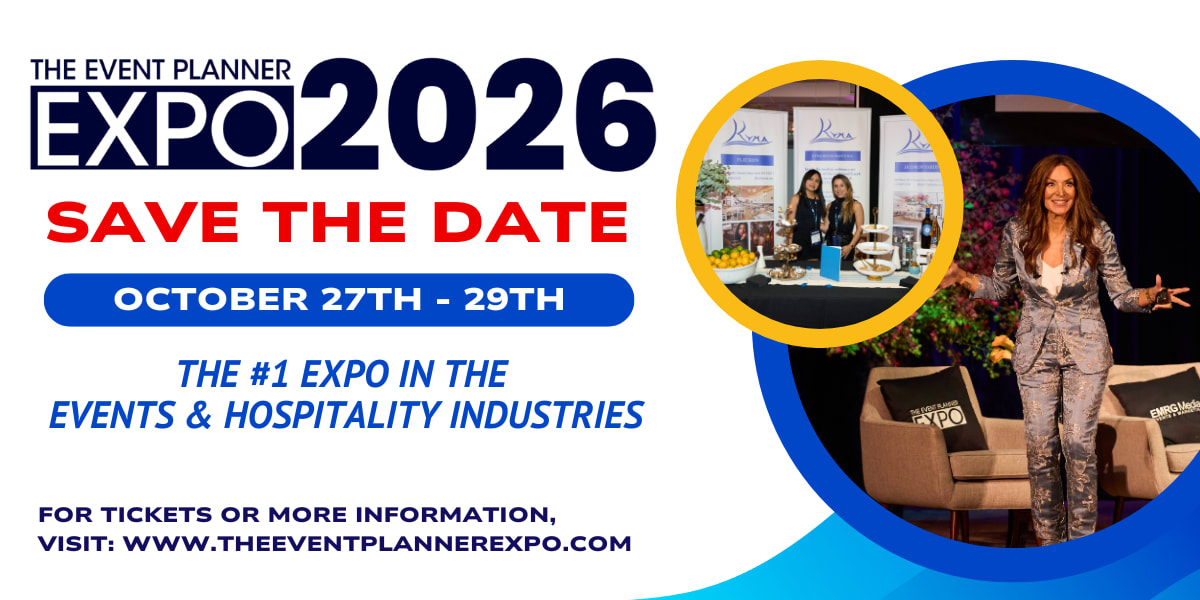
Reserve your booth to showcase your brand at The Event Planner Expo and turn exposure into opportunity.