How Do Planners Decide Which Event Trends Are Worth the Investment?

Trends come and go, and innovative thinkers know they don’t have to blindly follow all of them. The top NYC event planners are intimately familiar with this. Instead of constantly chasing trends, they evaluate and strategize. When the numbers make sense, they implement only the proven trends that can deliver ROI while minimizing risk.
Experienced planners don’t chase trends. They interrogate them.
The First Filter Is Always Relevance, Not Hype
Before evaluating anything else, look at relevance. Seasoned event planners consider who the trend is for and why it is taking place. A trend could be everywhere, but that doesn’t mean it’s right for a particular event.
A trend needs to have purpose and resonate with a particular audience. A tech trend that is the next innovation may fall flat at a leadership event. The latest consumer goods trend may be out of place at a professional corporate event.
Don’t include a trend simply because it is a trend. It needs to align with the event’s atmosphere, purpose, and guests. Out-of-place trends add unnecessary noise to an event, taking away from its primary purpose.
If it doesn’t deepen engagement, clarity, or connection, it’s usually not worth the investment, no matter how popular it looks online.
Trends Have To Earn Their Square Footage
Square footage is a premium in NYC. So, event planners need to optimize every inch of their event space. Trends need to earn their right to take up space in a venue.
Before diving in with both feet and including a current trend, think about what that inclusion will replace. Will it take away a good floor plan that encourages flow? Will it take away from valuable seating? Will it crowd the venue, creating congestion and confusion?
A trend could be fantastic on its own. It loses its magic when it negatively impacts an event. If inclusion disrupts the guest journey, its cost is greater than the benefit it delivers. Smart event planners evaluate trends and envision them within the event ecosystem.
Proof Matters More Than Promises
Experienced planners don’t invest based on decks alone.
They look for evidence. Case studies. Real-world examples. Honest feedback from peers. They want to know how a trend performed under real conditions, not just how it was pitched.
Questions planners quietly ask include:
-
- Did guests actually engage or just observe?
- Did it improve dwell time, interaction, or recall?
- Did it scale smoothly or create friction?
- Would the client book it again?
Trends that can’t show proof rarely make it past the conversation stage.
Budget Decisions Are Tied to Longevity, Not Novelty
There is no getting around the fact that budgeting plays a significant role in event planning. An event planner can plan the most fantastical and glamorous event, but if the client’s budget cannot support it, then strategic decisions must be made. The downside is that this creates a common misconception: event planners are anti-trend.
It’s simply not true. Event planners are anti-one-and-done. Top NYC event planners want to invest in a trend that will last and evolve. They want to repurpose it and reuse it.
The only way this can happen is with modular setups and flexible formats. Adaptable tech with broad applications is a must. The more adaptable the trend, the more worthwhile the investment. This shifts the conversion from a creative one to an ROI-focused one.
Trends that only work once have a higher bar to achieve for them to be considered successful.
Risk Assessment Is Part of the Creative Process
Top event planners balance risk management with creativity. They understand that while creativity is valuable, it cannot be left unrestrained.
Before committing to a particular trend, they analyze all angles. They consider the technical and logistical challenges of successfully including a trend in an event. They consider the potential complications of arranging for a backup plan.
The more fragile and risky a trend, the greater the potential expense. There are increased hidden costs that can drive an event over budget.
While increased costs do not automatically cancel a trend, an event planner must account for it. A risky trend is only worth it if it delivers. Otherwise, it isn’t bold, it’s just expensive.
Trends That Solve Real Problems Move Faster
The trends that gain traction quickest aren’t always the flashiest. They’re the ones who fix something.
Reducing attention fatigue. Improving flow. Encouraging participation. Making hybrid experiences feel less divided. Helping guests connect more naturally.
When a trend answers a real pain point, planners are far more willing to invest because the upside is clear and measurable.
Problem-solving trends survive longer than aesthetic ones.
Planners Trust Their Instincts, but Also Validate Them
Experienced event planners trust their instincts. If their gut says a trend is a bad option, they follow it. Unfortunately, instinct comes in time. For new event planners, networking and connecting with experienced event planners are essential.
However, instinct alone isn’t enough. Clients need data validation before making financial decisions. That’s why it’s so important for event planners to pressure test the latest trends internally. They can do so with trusted partners or through smaller-scale events.
When a trend is proven, they can roll it out more broadly or with higher-profile clients. The proven track record yields stronger insights and greater client confidence.
Not Investing Can Also Be a Risk
There is a flip side to this conversation. Some event planners may be tempted to avoid the whole thing and not include trends at all in their events.
Avoiding all trends can also be a mistake. Events often feel outdated and disconnected from what guests expect. There is a marked difference between events that include trends and those that do not.
How Planners Explain Trend Investments to Clients
Top event planners are creatives, but they are also businesspeople. While many would love to have over-the-top events with all of the bells and whistles, it just isn’t feasible. Showing restraint is what separates professional event planners from amateurs.
When NYC event planners work with their clients, they will advocate for strategic trends, not the novelties. Clients tend to be more receptive when they understand the potential benefit of trend inclusion.
Being able to connect trends with pain points turns them into solutions. Event planners can establish trust with their clients.
FAQs About Event Trends and Investment Decisions
How do top event planners know if an event trend is just a fad?
They look for staying power across different event types, audiences, and markets. If a trend only works in one narrow context, it’s treated cautiously.
Are expensive event trends always better?
No. Cost doesn’t equal impact. Some high-budget trends underperform, while smaller, well-executed ideas deliver stronger engagement.
How often should event producers refresh event elements?
There’s no fixed timeline. Refreshes usually follow audience feedback, shifting goals, or noticeable engagement drops rather than calendar years.
Do corporate events need to follow trends at all?
They don’t need to follow trends, but they do need to feel current. Subtle integration often works better than full adoption.
How do top NYC planners test trends without risking major events?
By piloting them at smaller gatherings, internal events, or limited-run experiences before scaling up.

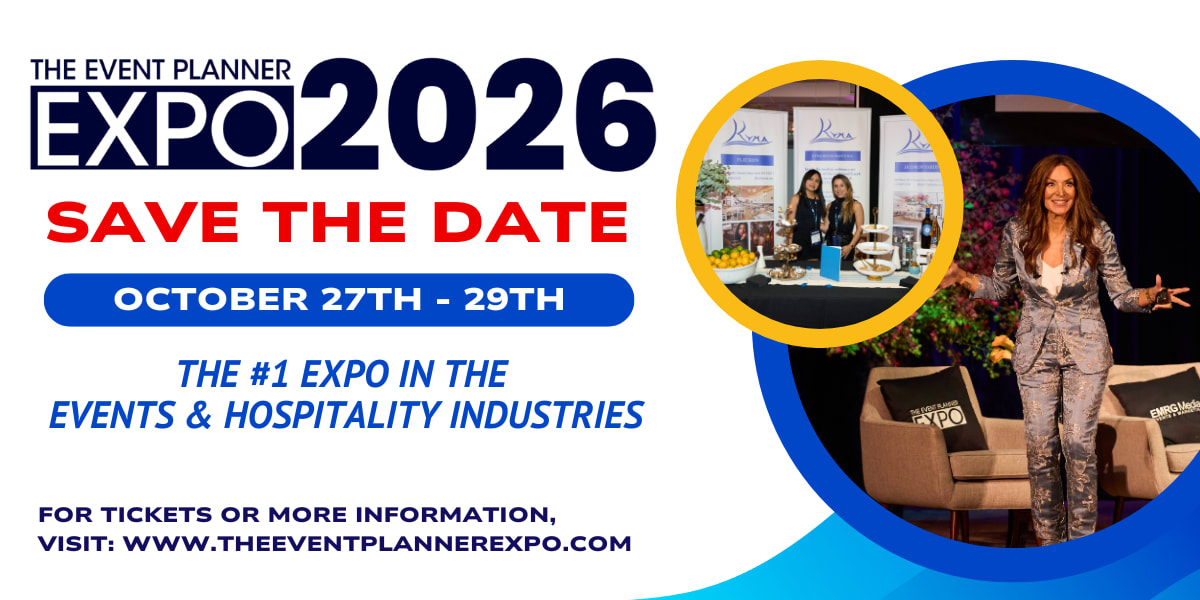
Learn How Top Event Planners Evaluate Trends at the Event Planner Expo 2026
The best way to learn how to choose the right trends is to learn from other event planners. The top NYC event planners each have their own process for separating worthwhile investments from passing hype.
Connect with these professionals at The Event Planner Expo 2026. Learn directly from industry leaders. Find out how they keep pace with the never-ending flow of new trends. Gain insight into how they decide which are worth using.
Secure your booth today and get in front of decision-makers.