How NYC Planners Manage Speaker Flow Without Killing Momentum

Stop letting momentum fade during the dead spaces. Speaker flow is something the top NYC event planners have mastered. Those ones you haven’t, watch their events slowly grind to a halt in real time. There isn’t a dramatic end. Sometimes it isn’t even obvious until it’s too late. Once that energy slide starts, it’s hard to pull the room back without doing something that feels forced.
Flow Isn’t About Speakers, It’s About Transitions
The flow isn’t about booking the right speakers. It’s about the transitions between the speakers. That’s the dead air time when you risk losing your audience. It’s the moment after a speaker leaves the stage and the applause dies down. It’s the seconds of silence as the next speaker gets ready to take the stage.
A smooth handoff feels seamless to the audience. Get them just right, and the audience won’t notice them.
Audiences Feel Timing Before They Think About It
As with many of the other logistical elements of event planning, an event audience feels awkward timing long before they think about it. They don’t need to check their watch to know something is taking too long. They can just feel it. As the event planner, you can see the signs of poor timing in the room as people’s attention span hit their limit. The applause gets quicker, and people are more lackluster, leaving the room. There’s a quiet murmur as people begin talking among themselves. There’s the subtle glow from digital devices as people check their phones and tablets.
Speakers Are Usually the Last to Know
It’s usually the speaker who is the last to know they are running too long. While some are self-aware, the majority are not. Don’t hold it against them; it’s just a natural phenomenon that happens. As the event planner, it’s your job to give them a helping hand. The speaker is focused on their slides, their prepared notes, and their content. They want to see an audience reaction. They are not watching the clock.
Create signals that indicate timing to the speaker without disrupting the audience. Create a clear “time to end” sign. These guides help speakers to pace themselves without feeling rushed or embarrassed. It’s also helpful to have a moderator who understands timing. They can step in at the perfect time without cutting someone off mid-thought.
Moderators Carry More Weight Than Anyone Admits
A strong moderator can save a lot of things.
They have smooth transitions. They reset energy. They cover technical hiccups without drawing attention to them. They also give the audience a sense of continuity, which matters more than people realize when multiple speakers are cycling through.
NYC planners don’t just pick moderators for name recognition. They pick them for instincts. Can this person read a room? Can they redirect without being awkward? Can they keep things moving without sounding like a traffic cop?
When moderators aren’t prepared or confident, speaker flow suffers almost immediately.
Stage Geography Matters
Part of good timing is the stage's physical setup. Where the next speakers wait will directly affect how long it takes them to get on stage. Watching someone wander across a stage looking for the right spot, or awkwardly hand off a microphone, pulls attention away from the content and toward the mechanics. Even small hesitations register with an audience.
This is especially important for unique NYC venues. Many have awkward spaces, tight staging areas, and blocked sightlines. All of these can make transitions more difficult.
Audio Can Make or Break Flow in Seconds
Speaker flow and audio are more closely tied than most teams want to admit.
If mic handoffs are slow, volume levels change noticeably between speakers, or feedback creeps in during transitions, the room resets in the worst possible way. Attention breaks. Momentum stalls.
When audio is dialed in, transitions feel almost invisible. The next speaker simply arrives, and the room follows.
Visual Cues Beat Verbal Warnings
Subtle visual cues have a more powerful effect on speakers than interrupting them and telling them “two minutes left.” Not only does the speaker have no concept of how long two minutes really is, but you’ve also brought the flow to a dead stop. The speaker now has to mentally realign themselves. The audience is also mentally stopped. They will be thinking the speaker is almost done and mentally move on to what they will be doing next. Congratulations, you’ve just killed the flow.
A visual cue is much more effective and less disruptive. Do a gentle lighting shift. Quietly play background music. Place a countdown timer where the speaker can see it but the audience cannot.
Too Many Speakers Is a Problem
More isn’t always better. Clients can easily over-program an event. The problem with this is that it will kill momentum. The more speakers scheduled, the more transitions will be needed. That means there are more chances for energy and engagement drops.
Experienced NYC planners are increasingly willing to push back here. Fewer speakers, more breathing room, and clearer pacing almost always result in a stronger experience, even if it feels counterintuitive on a spreadsheet.
Speakers Need Context
Telling event speakers to stay on time is virtually pointless. They already know that. An event planner telling them that rarely changes behavior. Instead, give them context around their presentation. If they understand how their segment fits into the overall event, they will better understand how their actions directly impact it.
Framing it this way makes it less about restrictions and control and more about flow.
Flow Is a Brand Signal
How a conference is organized and run is a direct reflection on the brand hosting it. Smooth flow and expert transitions communicate the hosting company's approach to the event with competence and care. Disjointed transitions suggest disorganization, even if the content is strong.
NYC audiences attend a ton of events each year. The last thing a brand wants is for its to stand out in a bad way. Don’t let your client be the memorable event for all the wrong reasons.

Learn More About Managing Speaker Flow at The Event Planner Expo
As NYC event planners, we are the conductor behind the dance that is speaker transitions. We have seen this dance go off the rails when transitions are poorly choreographed. We have also seen the success of a well-planned event that flows through its transitions.
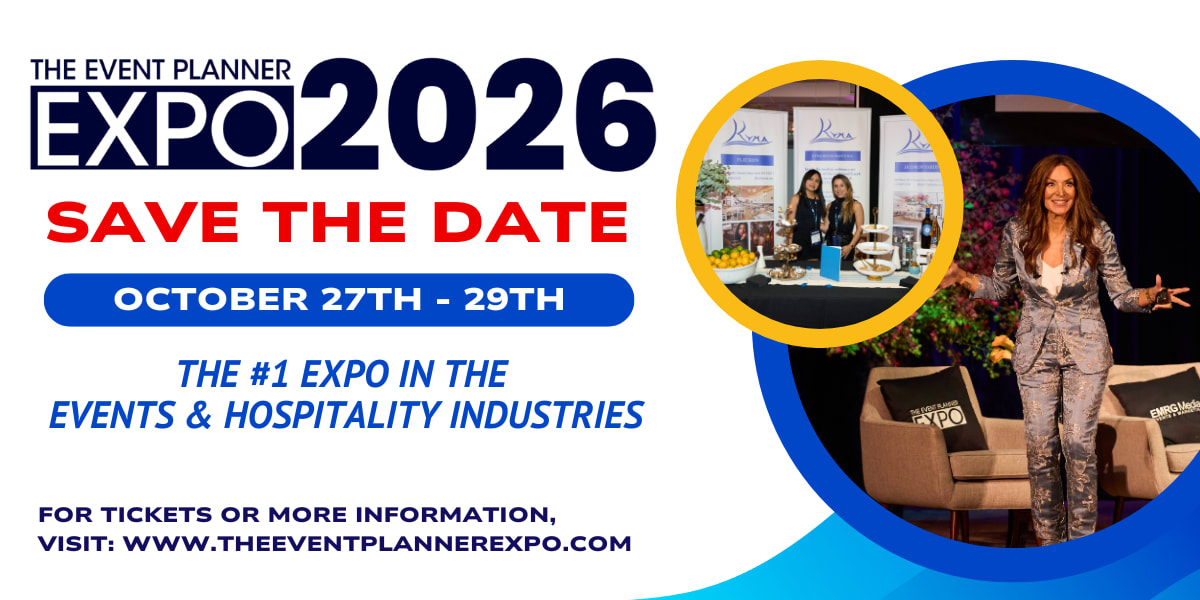
If you want to see how experienced planners handle speaker flow in real environments, The Event Planner Expo is one of the few places where you can observe these dynamics playing out across multiple stages, not just talk about them in theory.
Get tickets to see how NYC planners keep conferences moving without exhausting the room.