How NYC Planners Design Conferences That Feel Seamless Across Multiple Stages
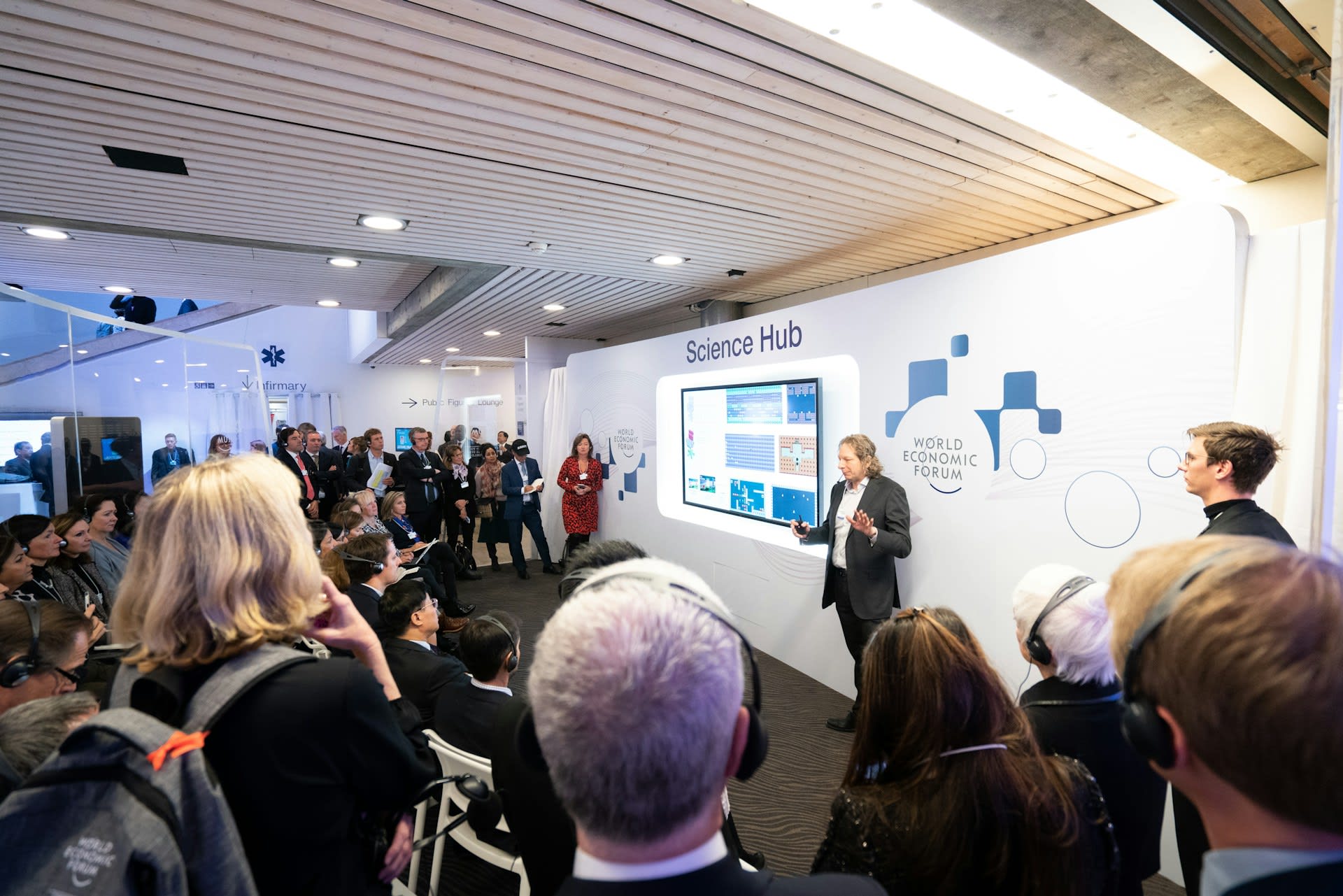
Multiple rooms. Simultaneous sessions. Different energy levels. It’s all happening at once. From the outside, it can look chaotic. But it’s also impressive how all of these different elements come together in one event. It’s also the ultimate in customization, as attendees have plenty of choices. However, all of this activity can cross the line into confusing and exhausting. Designing a conference that actually feels seamless across multiple stages is less about perfection and more about orchestration
Seamlessness Starts Before Anyone Sees a Stage
Multi-stage event flow starts long before the day of the event. If your attendees don’t understand the structure of your multi-stage event before they arrive, you are already behind. Pre-event communication is crucial for ensuring guests are ready to hit the ground running when they arrive.
Waiting until the day of the event is too late, as there are now multiple distractions. It becomes harder for guests to focus on the information. Clarity is never achieved. You are introducing cognitive stress before attendees ever attend a session.
Give people a mental map of what they can expect at your event. Trickle the information to them. Explain how the sessions work. Describe the sessions differences. Show how the event’s layout will accommodate the different sessions.
Each Stage Needs a Clear Identity
There’s no point in having a multi-stage event if every room feels the same. NYC event planners who are at the forefront give the different rooms distinct personalities. This goes beyond a room name. They focus on purpose.
One room could be high-energy and motivational. Another room could be meant for deep thinking and brainstorming. A third could be focused on tactical breakouts for practical applications.
Timing Is the Invisible Glue
When it comes to events, timing is everything. Nothing will kill an event faster than poorly designed timing. The last thing you want is sessions that start and end at different times. It makes it impossible for attendees to participate. People end up hanging about for too long, causing them to disengage and drift away. Or worse, they arrive late to sessions, disrupting the presentation.
Having everything end at once can also be problematic. The hallways clog with people, cursing bottlenecks. Everything bottlenecks, making it frustrating for people to move about, use the bathroom, get refreshments, and use the bathroom.
The key is having just the right amount of ending offset with the right amount of time before the next sessions start. This allows for better movement without sacrificing flow.
Wayfinding Without the Effort
Event guests will become frustrated if they can’t find their way to where they need to go for the entire event. The experience doesn’t feel seamless when they have to constantly stop and think about where they are going at every turn. Clear signage is an option.
However, top NYC event planners know that signage isn’t everything. Wayfinding is so much more. Guests need clear sightlines. They need lighting that makes it easier to see where they should go. Even sound cues can help signal where things are happening.
Stop telling guests what to do. Subtly make the right choice obvious.
Content Needs to Be Designed With Movement in Mind
Multi-stage conferences assume people will move. That assumption needs to be reflected in the content itself.
NYC planners are increasingly working with speakers to design sessions that tolerate late arrivals and early exits. Clear framing at the start. Re-entry moments are built into the structure. Summaries that help people catch up without embarrassment.
This doesn’t cheapen the content. It makes it more resilient.
When people feel like they can move freely without missing everything, they’re more likely to explore different stages, which is usually the point of offering multiple options in the first place.
Production Has to Stay Consistent Without Feeling Flat
One of the trickiest balances in multi-stage conferences is production consistency.
If each stage feels produced by a completely different team, the event starts to feel fragmented. If everything looks and sounds exactly the same, the stages blur together.
NYC planners aim for a shared production language with variation inside it. Consistent branding. Consistent audio quality. Familiar screen layouts. But with enough differentiation in lighting, pacing, or spatial design, each room still feels distinct.
Consistency creates trust. Variation keeps things interesting.
Transitions Matter More
When people are moving about throughout the event, the transitions become more important than the sessions themselves. We event planners understand this, even if clients don’t. Guests experience the most stress during their transitions.
Make transitions easier by ensuring doors open at the right time. Have plenty of staff available to answer questions during these high-volume moments. Using lighting and audio cues to help guide guests.
Calmer transitions feel more polished and well-organized.
Staff and Volunteers Are Part of the Design
In multi-stage environments, staff isn’t just operational support. They’re part of the experience.
Where they stand. How they communicate. Whether they look confident or confused. All of that affects how guests feel as they move through the space.
NYC planners often brief staff not just on logistics, but on tone. When to proactively help. When to step back. How to answer questions without creating bottlenecks.
When staff feel integrated into the flow, guests do too.
Technology Should Support Choice, Not Complicate It
Event apps and schedules can be helpful, but only if they reduce friction rather than add to it.
NYC planners are cautious about overloading guests with options and notifications. Instead, they use technology to reinforce clarity. Simple schedules. Clear filters. Real-time updates only when they matter.
The goal isn’t to make guests manage the conference. It’s to support the decisions they’re already making.
If tech feels like work, people abandon it quickly.
Seamless Doesn’t Mean Silent
It’s a misconception to think that seamless means quiet or understated. This is not true. Seamless is controlled. Noise isn’t the enemy. You just need to direct it where it needs to go. Energy isn’t everything. It just needs to be harnessed. Visual stimulation even has its place at your event.

Learn More About Multi-Stage Conferences at The Event Planner Expo
Designing seamless multi-stage conferences isn’t something you master in isolation. It’s learned through comparison, observation, and conversations with other planners who’ve dealt with the same challenges in similar spaces.
If you want to learn from the planners and partners building multi-stage conferences that actually work, get tickets to The Event Planner Expo and see how seamless design decisions play out on the ground.
Claim your space at The Event Planner Expo now.