What Corporate Event Production Looks Like at Scale in NYC
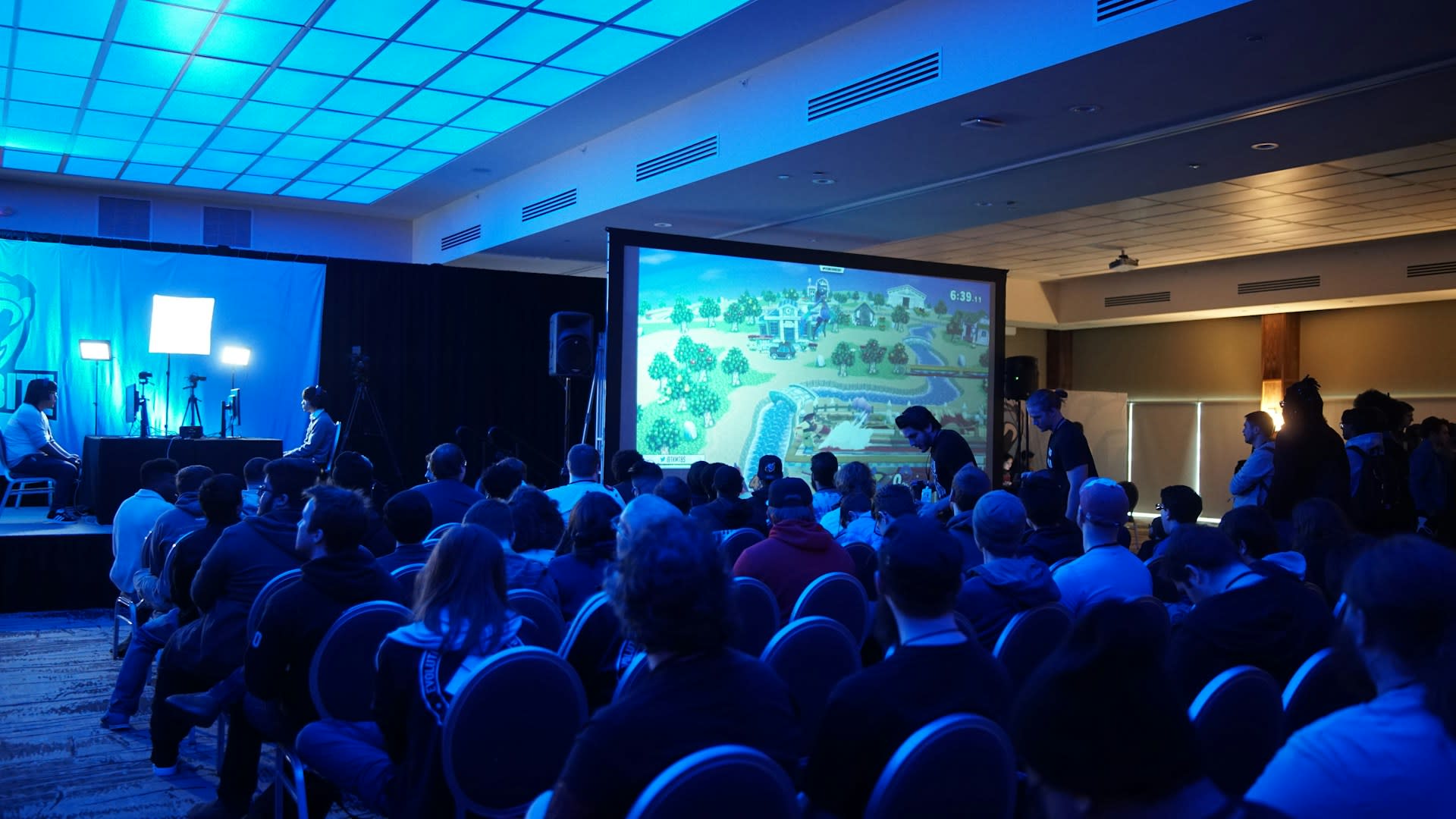
When people talk about scale, they are usually referring to size. They want to “scale up,” they mean get bigger or grow. They want to scale back; they are talking about a reduction. For corporate events, planning at-scale means more conference rooms, sessions, screens, speakers, sponsors, and guests. The agenda gets longer, and the pressure rises. For NYC events, scale means addressing a whole new set of logistical challenges. You’re producing an event in an environment that already feels maxed out on a good day.
Scale Starts Long Before Load-In
Planning an event at scale begins long before the day of load-in or build. It’s our job as NYC event planners to make some educated assumptions. We need to determine how much tolerance the audience will have for friction. We need to know what guest movement will actually look like in the venue’s layout.
Experienced event planners know they need to pressure-test their assumptions long before the day of the event. Once the event is underway and everyone is on-site, it’s too late. Improvisation becomes more difficult and in some situations, impossible. Pressure testing lets you create contingency plans.
You aren’t eliminating risk. You are deciding which risks are tolerable and which aren’t. You are establishing alternative solutions to unavoidable risks.
Bigger Doesn’t Mean Louder
Clients make the common mistake of thinking that bigger also means amplification. A bigger event doesn’t mean it needs to be louder, brighter, and more intense. This is where a NYC event planner’s expertise becomes essential. We know that small points of confusion become major issues when corporate events scale up.
A layout with vague directional cues becomes a major bottleneck. A small delay between sessions can lead to disengagement. Poor booth placement can lead to crowding. When clarity is prioritized, the event feels smoother, even if it’s massive.
Multiple Stakeholders Change Everything
At scale, production decisions rarely serve a single audience.
There are executives. Attendees. Sponsors. Speakers. Internal teams. Sometimes press. Sometimes partners. Sometimes all of the above, all at once.
Each group has different needs, and NYC planners are constantly balancing them in real time. Where VIPs move through the space. How sponsors are integrated without overwhelming the experience. How speakers are supported so sessions stay on track.
Production becomes a negotiation between priorities, not a straight execution of a plan. The planners who thrive at scale are the ones who can manage those tensions without letting them show.
Redundancy Is Not Optional
When you scale an event, minor situations also scale up. At the small corporate event, that single failure was a minor inconvenience. However, if ignored, it will be a major issue when the event is scaled. Top NYC event planners know that redundancy isn’t a bad thing. It’s what saves large-scale productions.
Having backups means that when something fails, and something will, there is a “Plan B” ready to implement. Arrange for extra power, an alternative internet solution, and secondary audio setups. It’s even good to have additional staff coverage on call. Bring them in when attendance exceeds your expectations.
Planning for failure isn’t being pessimistic. You aren’t expecting things to fail. Instead, you are being realistic. Life is unpredictable, and things fail when you least expect them.
Flow Matters More Than Precision
Precision is great, but flow is what keeps large events functioning.
At scale, not everything will happen exactly on time. Someone will run long. A room will fill faster than expected. A transition will take longer than planned.
Production teams in NYC design for this reality. They create buffer zones. Flexible transitions. Moments where the event can breathe without derailing the entire schedule.
This might mean staggered session starts. Overlapping breaks. Lighting and audio cues that guide people gradually rather than force abrupt shifts.
When flow is prioritized, the event feels intentional even when it’s adjusting on the fly.
Communication Is a Production Tool
At large-scale events, communication is part of production, not just coordination.
Clear internal communication keeps teams aligned. Clear external communication keeps guests oriented. Even subtle cues like announcements, signage language, and staff tone affect how people move and behave.
NYC planners often think about communication the same way they think about lighting or sound. It sets expectations. It reduces anxiety. It prevents crowding and confusion before they start.
When communication breaks down, everything else feels harder.
Production Has to Support Movement at Volume
Movement is one of the biggest challenges at scale.
Large corporate events involve constant motion. People entering and exiting sessions. Moving between stages. Navigating meals, networking, and activations.
When movement is supported, the event feels alive. When it isn’t, the event feels heavy, no matter how exciting the content is.
Staff Become the Human Interface
Large-scale events lose their human touch. It’s the staff that brings that touch back. They are the human interface that guests interact with directly. The right staff can significantly impact the guest’s experience.
Where the staff stand, how they speak, their posture, and demeanor all directly impact how event guests perceive them. The staff needs to inspire confidence and security in guests. They can’t do that if they project insecurity or a sense of being overwhelmed.
Guests Remember How It Felt, Not How Big It Was
People remember how they felt when experiencing your event. They don’t remember the square footage, headcount, or number of lights there were. They will tell their friends about the event’s energy and vibe. They’ll share how stressed out and exhausted they felt.
They will praise how energized the event made them feel or how smooth their experience was. These feelings are evaluated to determine if the event was worth their time or not. Those feelings will influence whether or not they decide to attend the event again.
That’s the line NYC planners are constantly walking.

Learn More About Corporate Event Production at The Event Planner Expo
It’s where large-scale production challenges get dissected, compared, and improved.
If your company supports large-scale event production, staging, AV, or infrastructure, reserving a booth at The Event Planner Expo puts you in front of planners who are building at scale and know exactly what that requires.
Claim your pass to The Event Planner Expo now.