What Makes a Virtual Event Feel Worth Attending in 2026
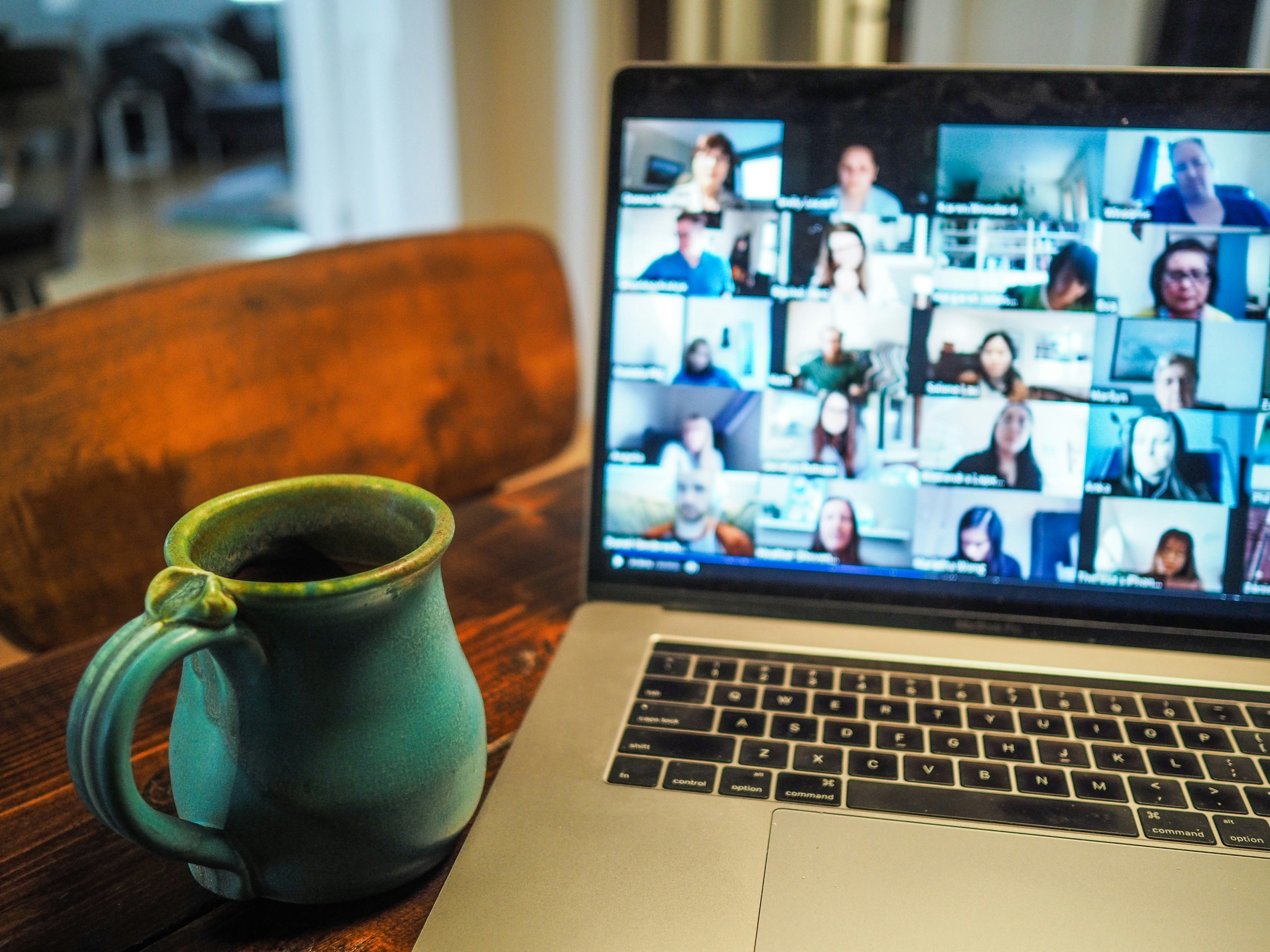
Virtual events reached their peak popularity during COVID-19. You couldn’t escape them. But as with all trends, virtual events hit their tipping point. These days, many of us have virtual event fatigue. We’re all questioning how many more links we have to click. While virtual events don’t seem to be going anywhere, we can address the fatigue. So what actually makes a virtual event feel worth showing up for?
It Starts With a Reason That Isn’t “Because We’re Hosting One”
The quickest way to lose your potential virtual audience is to be vague about why you are hosting a virtual event in the first place. You need to give people a concrete reason why they need to attend.
Stop telling people they are logging in for a conversation. We are all tired of conversations. It gives “this could have been an email” energy.
Tell people what they will get out of the event. Tell them why they can’t miss it. Tell them how you will solve a problem they’re experiencing.
The Format Has to Match the Attention Span People Actually Have
This is where a lot of virtual events still get it wrong. They design for how they wish people would behave instead of how they actually behave.
In 2026, worth-attending virtual events are designed with the understanding that attention comes in waves. People tune in sharply at the beginning. It dips. It comes back. It dips again. That’s normal.
Events that acknowledge this build in natural re-entry points. Shorter segments. Clear transitions. Moments where it’s okay if someone drifts for a few minutes and then comes back without feeling lost or admitting defeat.
Long, uninterrupted blocks of talking still exist, but they only work when the content is strong enough to carry that weight. Most of the time, breaking things up is the smarter move.
Hosts Matter More Than Production
High production value is nice. Good audio, clean visuals, no tech chaos. All of that is table stakes now.
What actually keeps people engaged is the human at the center of the experience. A host who knows how to read energy, acknowledge what’s happening, and keep things moving without sounding like they’re reading from a script.
In 2026, virtual events that work feel guided, not managed. The host isn’t just introducing speakers. They’re shaping the experience, reacting in real time, and making the audience feel like their presence matters, even if that audience is invisible.
A good host can save mediocre content. A bad host can sink great content in minutes.
Content Has to Feel Chosen, Not Stuffed In
Virtual events used to be packed because people were afraid of silence or afraid that attendees wouldn’t feel like they “got enough.”
That instinct backfires now.
Events that feel worth attending in 2026 are edited. Someone made decisions. Someone cut things. Someone said no to a segment that didn’t pull its weight.
This shows up in tighter panels, fewer speakers, and conversations that actually go somewhere instead of circling politely around obvious points. It also shows up in the confidence to end early if the content has landed.
People don’t resent virtual events for being short. They resent them for being bloated.
Interaction Has to Feel Optional, Not Forced
Engagement is great, but forced engagement is worse than none at all. There’s a fine line between encouraging engagement and making people feel obligated. A lot of virtual events run over this line without looking back.
Doing this alienates your audience and makes them feel resentful. You lose trust and credibility. Stop forcing people to turn on their cameras, unmute themselves, and actively participate in meaningless breakout rooms.
Take a more subtle approach. Offer polls that provide context for the conversation. Offer Q&A opportunities for those who wish to participate. Remember, there are many communication styles. So don’t assume that everyone attending will want to participate in the same way.
The Event Needs to Acknowledge the Outside World Exists
One of the weirdest things virtual events can do is pretend they’re happening in a vacuum.
People are attending from offices, kitchens, coworking spaces, and between meetings. Events that acknowledge this reality feel more human and less demanding.
That might mean explicitly saying it’s okay to step away and come back. Or structuring content so people can get value even if they miss a section. Or offering recordings in a way that feels intentional, not like an afterthought.
When an event pretends everyone is sitting in a quiet room doing nothing else, it immediately feels out of touch.
Timing and Pacing Matter More Than Ever
Because there is no physical place where event guests gather, virtual events must have impeccable timing. In a venue, people linger during the quiet moments between programming. People are less forgiving when it’s a virtual event.
During those dead moments, people look away from their screens, they click to other windows, or they walk away from their desk. It’s almost impossible to get them to come back once they mentally disengage.
Precise programming is key to ensuring virtual guests are not given the opportunity to mentally leave. However, that doesn’t mean freight training your way through the event. Pacing also matters. Give people energy shifts and clear pacing queues. There should be moments of intensity and moments of peace.
When timing feels sloppy, trust erodes quickly. When it feels intentional, people stay.
Follow-Up Is Part of the Experience, Not an Afterthought
It’s incredibly easy for your virtual event guests to forget about you after the event. As soon as the screen goes black, real life rushes back in. Make your event feel more thoughtful and worthwhile with follow-up.
Send a post-event communication that recaps what was discussed. Provide the resources that were mentioned. Include highlights that people can revisit. Reinforce that your virtual event wasn’t a one-off. It’s a part of a much larger conversation.

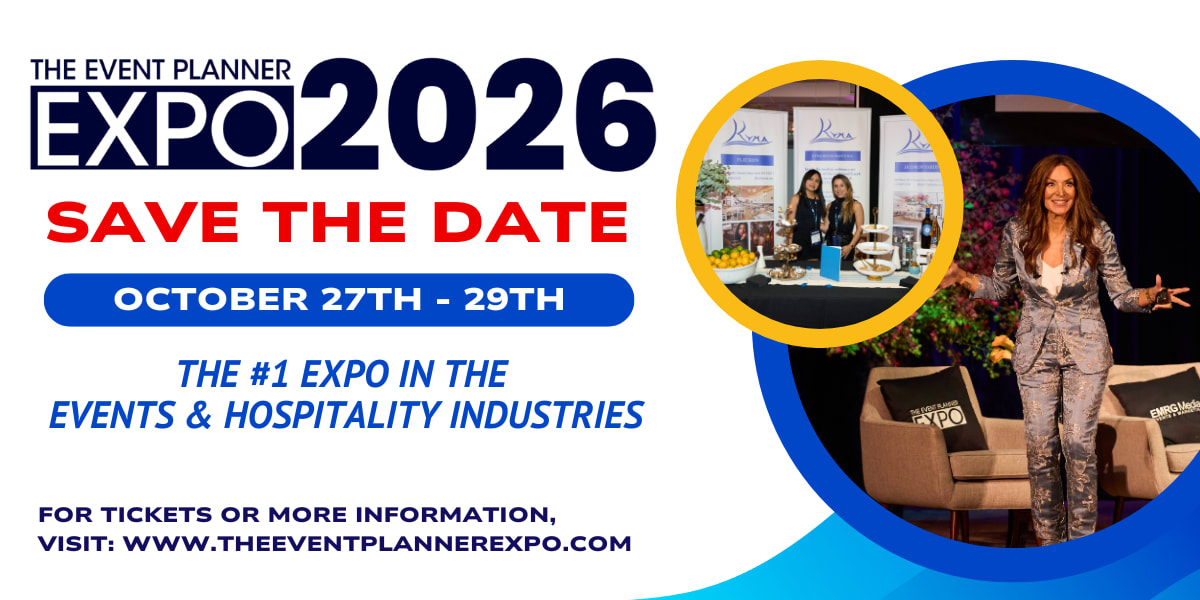
Learn More About Virtual Events at The Event Planner Expo
Virtual events aren’t dying. People just value their time and will no longer be pulled in by vague promises. Start respecting your audience by designing your event around what they want.
See what a virtual event can do when it’s done right by attending The Event Planner Expo. It’s the one place where you can see what’s happening in the event planning industry. No theory. No hypotheticals. Just a real professional sharing how they are succeeding.
Reserve your booth today to showcase your brand directly to event planners and decision-makers.