Why Conference Production Is Now a Brand Experience, Not Just Logistics
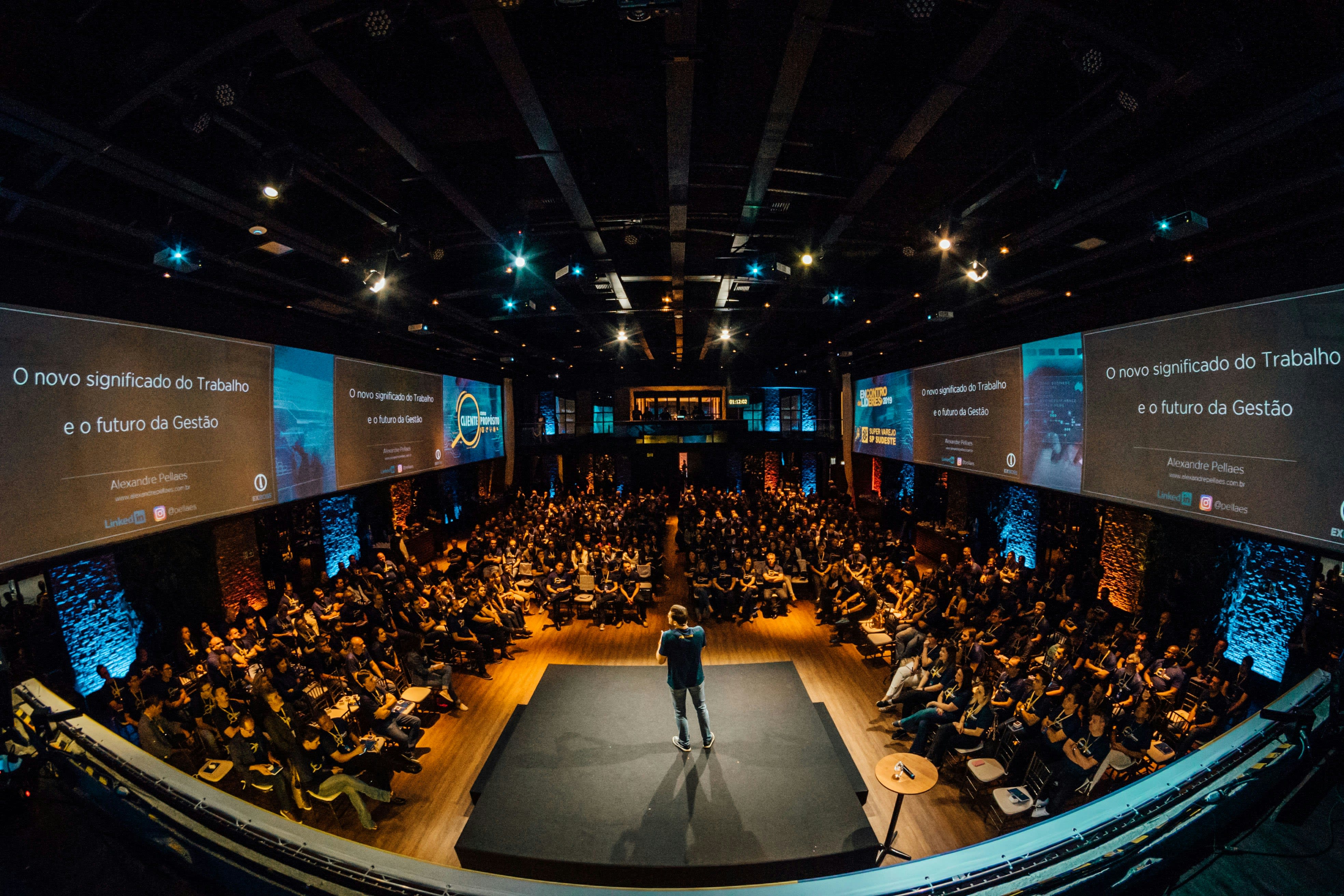
Once upon a time, production meant “don’t get noticed.” Today, the first impression is in the air, the lighting, the sound. People judge your conference before the first slide. Production isn’t hiding anymore. It’s front and center, shaping the experience from the moment guests step inside.
Guests Form Opinions Before the Event Starts
It takes seconds for someone to form an opinion. As event planners, this means the stakes are high for creating an event that impresses guests. People notice everything about the room they are entering, even if they don’t consciously think about it.
The overall vibe has a strong impact. Does your event feel calm or stressful? Is it clear where people are supposed to go? What about the mood the lighting sets? None of this is the content planned in the agenda. So by the time the first speaker takes the stage, people have already formed an opinion thanks to production.
Production and Experience Come Together
The traditional method for event planning maintains a strong line between the guest experience and production logistics. The modern approach erases that line. It just doesn’t make sense to have these two sides of event planning kept separate when they contribute to the guest experience.
Lighting does so much more than make a room brighter. It sets the mood, influences energy levels, and helps people focus. Audio is so much more than volume. It controls how much people lean in to tune out. Presentation slides aren’t just a dead screen behind a presenter. They influence whether someone leaves feeling fulfilled or quietly disengages.
So when production and content come together, the result is a cohesive event.
Production Choices Communicate Values
Corporate clients don’t always want to accept it, but production choices directly communicate the client’s values. There is no getting around this: we all use subtle cues to form opinions about value.
The more thought that goes into production value, the more guests will feel valued for their presence at the event. For example, if comfort is an afterthought, the guests will notice. The room temperature, seating, and sound levels need to be comfortable. If not, the guests notice and interpret it as the client not valuing the guests. If you don’t value them, they won’t value you, prompting them to tune out.
The Myth: Good Content Will Save It
Don’t fall into the trap of thinking that strong content will save mediocre production efforts. That rarely plays out well at the event. It doesn’t matter how great your content is if they can’t see or hear it due to poor lighting or audio quality. It doesn’t matter how compelling the speaker is if people are too focused on being uncomfortable in their chairs.
Conferences Are Being Judged as Whole Experiences
NYC audiences attend a lot of conferences. Even if they don’t talk about it openly, they’re comparing experiences constantly.
Which events felt intentional? Which ones felt dated? Which ones respected their time? Which ones relied too heavily on reputation instead of execution?
Production quality becomes a kind of shorthand. Not in a flashy way, but in a cumulative one. Guests may not remember specific production choices, but they remember whether the conference felt smooth or exhausting, thoughtful or chaotic.
That judgment gets attached to the brand, whether that was the original intention or not.
Flow Has Become a Bigger Priority Than Perfection
You don’t have to be perfect. In fact, an overproduced event will feel too polished and sterile. Instead, NYC event planners are focusing on the event's overall flow. They zero in on the transitions between the event’s segments. They choreograph the event to have planned energy fluctuations.
Planners Are Doing More Translating Than Ever
This shift has changed the planner’s role in subtle but important ways.
Planners aren’t just coordinating timelines and vendors anymore. They’re interpreting brand goals and turning them into production decisions. They’re asking questions like: what should this conference feel like, and how do we get there using lighting, sound, layout, and pacing?
That kind of translation work doesn’t always show up in scopes or budgets, but it’s becoming central to how successful conferences are built.
Planners who understand both brand language and production realities are finding themselves pulled deeper into strategy, whether that was the original plan or not.
Technology Has Made the Basics Invisible
Production technology has improved dramatically, which is great, but it’s also raised expectations. Clean visuals, stable audio, smooth transitions. These things are assumed now. When they don’t happen, it feels like a failure. When they do happen, they barely register.
What differentiates conferences in 2026 isn’t whether the tech works. It’s how intentionally it’s used. Technology sets the floor, not the ceiling.
The experience comes from how those tools are deployed, not from the tools themselves.

Learn More About Conference Production at The Event Planner Expo
If you want to see how planners, producers, and brands are actively navigating this shift, Event Planner Expo is one of the few places where these conversations are happening across disciplines instead of in silos.
If your business supports staging, AV, experiential production, or conference infrastructure, reserving a booth at The Event Planner Expo puts you in front of planners who already understand that logistics alone aren’t enough anymore.
Grab your spot at The Event Planner Expo today.