7 Best Conferences for Event Planners to Sponsor
In the event industry, success is built on relationships. While digital marketing has its place, nothing replaces the power of face-to-face connection. Sponsoring a conference is your opportunity to become an integral part of the community you serve. It’s about showing up, participating in the conversation, and building trust with the people who matter most to your business. When you align your brand with an event that shares your values, you’re not just an advertiser; you’re a partner in the industry’s success. Finding the best conferences for event planners to sponsor is about finding your people and creating a space for meaningful interactions that lead to lasting partnerships and collaborations.
Key Takeaway
- Start with a clear strategy: A successful sponsorship requires specific goals, a deep understanding of the event’s attendees, and a plan to measure your return on investment.
- Focus on active participation, not just visibility: Make a lasting impression by securing a speaking slot, hosting a networking event, or creating an interactive exhibit that allows for genuine conversations.
- Think beyond the event itself: Build a strong relationship with conference organizers and implement a timely follow-up strategy to convert new connections into long-term business partnerships.
What Makes a Conference Worth Sponsoring?
Putting your brand’s name on a conference is a significant investment of time and money, so how do you know if it’s the right move? A worthwhile sponsorship goes far beyond just getting your logo on a banner. It’s about finding a true partner event that aligns with your goals and delivers tangible results. The best conferences offer a platform for growth, connection, and learning, making your investment pay off long after the event ends. When you’re vetting opportunities, look for events that deliver on these key areas.
Expand your brand’s reach
Sponsorship places your brand directly in front of a concentrated, relevant audience you might not otherwise reach. It’s a chance to tell your story, demonstrate your value, and show what you stand for in a dynamic environment. The most effective event sponsorship strategies are built on creating a partnership that benefits both your brand and the attendees, making your presence feel valuable instead of just promotional. This is your opportunity to become part of the industry conversation and build recognition with the people who matter most to your business, generating awareness that lasts.
Connect with high-quality attendees
The most critical question to ask before signing on is: “Does the attendee profile match my company’s target customer profile?” Sponsoring an event gives you direct access to its audience, so you need to be sure you’re meeting the right people. Look for conferences that attract decision-makers, industry leaders, and professionals who are actively seeking solutions like yours. When you evaluate conferences as a potential sponsor, dig into their attendee demographics to ensure you’re investing in quality connections, not just a large crowd of unqualified leads.
Gain key industry insights
A great sponsorship opportunity is also a chance to learn. By being on the ground, you get a firsthand look at what’s happening in your industry. You’ll hear about emerging challenges, new technologies, and innovative solutions directly from the source. Keeping up with the latest corporate event planning trends allows you to refine your own strategies and stay competitive. You can listen to keynote speakers, attend educational sessions, and talk to attendees to gather valuable intelligence that informs your business decisions for the year ahead.
Build powerful connections
Conferences are designed to bring people together, and as a sponsor, you’re in a prime position to make meaningful connections. This isn’t just about swapping business cards; it’s about starting genuine conversations that can lead to lasting partnerships and collaborations. You can meet potential clients, find collaborators for future projects, and strengthen relationships with existing customers in a face-to-face setting. By fostering these connections, you create a network of advocates and partners that supports your business growth long-term. You can often gauge the caliber of potential partners by reviewing an event’s list of sponsors.
Why Should You Sponsor a Conference?
Sponsoring a conference is much more than just a marketing expense; it’s a strategic investment in your company’s future. When you sponsor the right event, you’re not just getting your logo on a banner. You’re actively placing your brand at the center of your industry, creating opportunities for your team to learn, connect, and grow. It’s a powerful way to build credibility, generate high-quality leads, and gain direct access to the decision-makers you want to reach. By aligning your brand with a respected industry event, you send a clear message that you are a serious player committed to the community’s success.
Think of it as a multi-faceted tool for growth. You get unparalleled brand exposure to a highly targeted audience, but you also gain invaluable market intelligence and a platform to showcase your expertise. It’s an active, engaging way to build your brand’s story in a space where your ideal customers are already listening. The return on this investment extends far beyond the event itself, creating a ripple effect of new connections, leads, and brand recognition that can fuel your business for months to come.
Sharpen your team’s skills
Sponsorship packages often come with event passes, giving your team a golden opportunity for professional development. Conferences are hubs of innovation where industry leaders share their latest insights and strategies. By attending, your team can join workshops and educational sessions that cover the newest trends and best practices, helping them stay competitive and bring fresh ideas back to your business. This direct exposure to top-tier content is an incredible way to invest in your team’s growth and ensure they have the skills to keep your company moving forward. The keynote speakers at major events are often the best in the business, offering invaluable lessons.
Grow your professional network
Sponsoring a conference puts you in a prime position to build meaningful relationships. Instead of chasing cold leads, you get direct access to a concentrated group of motivated professionals, potential clients, and strategic partners. You’re not just another face in the crowd; your sponsorship gives you enhanced visibility and credibility, making it easier to start conversations. These events create a dynamic environment perfect for fostering genuine connections that can lead to powerful collaborations and long-term business partnerships. You’ll be surrounded by other industry leaders, including a wide array of world-class exhibitors ready to connect.
Stay ahead of industry trends
The event industry is constantly changing, with new technologies and strategies emerging all the time. Sponsoring a conference gives you a front-row seat to what’s next. You’ll be among the first to see demonstrations of new tools, from AI-powered planning software to immersive VR experiences, and learn how to apply them to your own business. Being at the forefront of these conversations allows you to understand where the industry is headed and adapt your strategy accordingly. This isn’t just about staying current; it’s about positioning your brand as an innovator and a forward-thinker in the space. A quick look at the event schedule can reveal just how many opportunities there are to learn.
Establish your brand as a thought leader
Putting your name on a major industry event is a powerful way to build authority. Sponsorship signals that your brand is a stable, successful, and committed member of the event planning community. This visibility does more than just generate awareness; it builds trust and enhances your reputation. When attendees see your brand supporting the event, they associate you with leadership and expertise. This positioning makes your company more attractive to potential clients and partners who want to work with the best. By becoming a conference sponsor, you actively shape your brand’s reputation as a pillar of the industry.
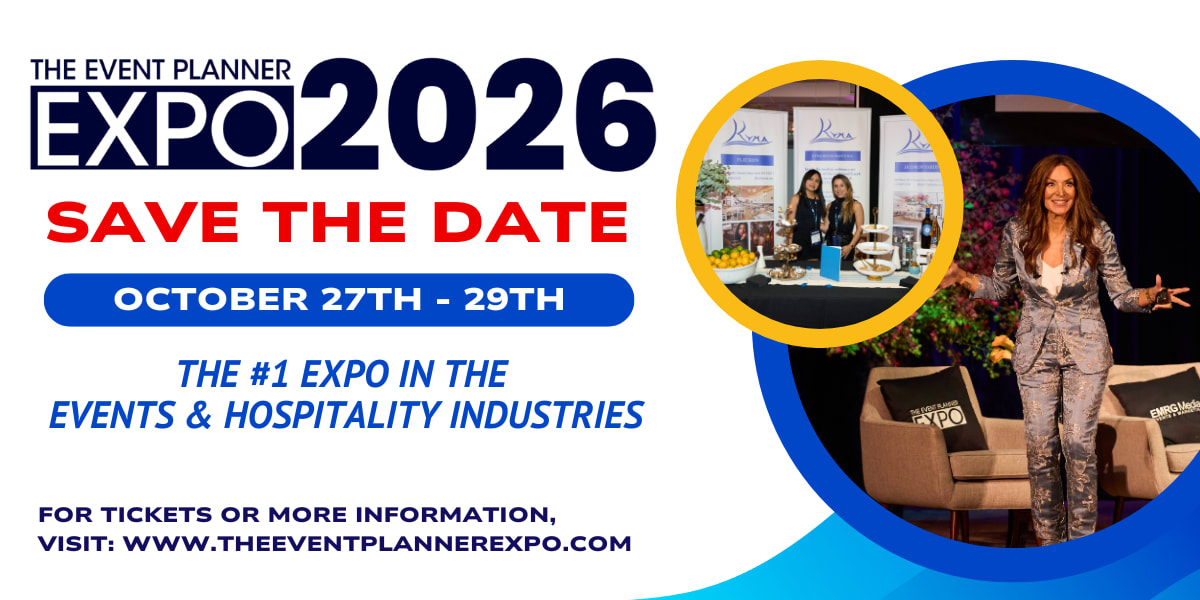
Why Sponsor The Event Planner Expo 2026?
Network with over 150 world-class exhibitors
The Expo floor is a dynamic hub featuring over 150 world-class exhibitors showcasing the latest products and services. As a sponsor, you’re not just getting a booth; you’re joining an elite community of industry leaders. This is your chance to forge powerful partnerships, discover new event technologies, and find collaborators for your next big project. The environment is designed for connection, making it easy to meet other innovators and discuss how you can work together. It’s the perfect setting to build relationships that extend far beyond the event itself.
Get access to Fortune 1000 decision-makers
What truly sets The Event Planner Expo apart is the quality of its attendees. This event attracts high-level professionals and key decision-makers from Fortune 1000 companies, charities, and major brands. These are the people with the authority and budget to make things happen. When you sponsor the Expo, you get direct access to this influential audience, putting your brand front and center with leaders who are actively seeking new solutions. It’s an unmatched opportunity to generate high-quality leads and have conversations that lead to significant business growth.
Learn from powerhouse speakers
Align your brand with some of the most influential names in business. The Event Planner Expo consistently features a lineup of powerhouse speakers, including icons like Martha Stewart and Daymond John. These thought leaders share game-changing insights that shape the future of the industry. By sponsoring, you position your company alongside this level of expertise and innovation. It shows attendees that your brand is committed to excellence and is at the forefront of industry trends. The inspiration shared from the main stage creates an energetic atmosphere that benefits everyone involved.
Experience three days of focused business growth
The Event Planner Expo is an immersive, three-day experience designed to fuel business growth. The event schedule is packed with educational sessions, workshops, and dedicated networking events that give you multiple touchpoints with your target audience. The multi-day format allows for deeper conversations and relationship-building. Attendees are there to learn, connect, and find partners who can help them succeed. As a sponsor, you become an integral part of that journey, providing solutions to an engaged and motivated audience in a focused environment where every interaction counts.
Top Event Planning Conferences to Sponsor
Choosing the right conference to sponsor is a big decision. It’s about more than just getting your logo on a banner; it’s about placing your brand directly in front of the people who matter most to your business. The right event gives you a platform to build relationships, generate high-quality leads, and position your company as an industry authority. When you find a conference that attracts your ideal customer, the potential for growth is incredible. Think of it as a strategic investment. You’re not just buying visibility; you’re buying access to a curated audience of engaged professionals who are actively looking for solutions, partners, and new ideas. This is your chance to tell your story, demonstrate your value, and create connections that last long after the final session ends.
The event planning industry is packed with amazing conferences, each offering a unique audience and atmosphere. To help you find the perfect fit, I’ve put together a list of top-tier events known for attracting serious professionals and decision-makers. These conferences are excellent platforms for sponsors looking to make meaningful connections and achieve real business results. Whether you’re targeting corporate planners, association leaders, or tech innovators, there’s an event here that aligns with your goals. Explore these options to see where your brand can make the biggest impact and drive your business forward.
PCMA Convening Leaders 2026
If you want to connect with the leaders and strategists of the business events world, PCMA Convening Leaders is the place to be. This conference is all about high-level education and networking. For sponsors, the “Conversation Starters” feature is a standout opportunity. It allows you to lead small, focused discussions on key industry topics, showcasing your expertise in a personal and engaging setting. This event is a great fit for brands that offer strategic solutions and want to build relationships with influential industry figures. It takes place January 11-14, 2026, in Philadelphia, PA, and offers both in-person and virtual attendance options.
MPI World Education Congress (WEC) 2026
The MPI World Education Congress (WEC) is known for its dynamic and creative energy. With a festival-like atmosphere and highly interactive sessions, this conference is perfect for sponsors who want to engage with attendees in a memorable way. The event attracts a diverse group of event professionals across tracks like leadership and creative design, giving you multiple avenues to connect with your target audience. If your brand thrives in a high-energy environment and you want to make a lasting impression, WEC is an excellent choice. You can join the action from June 2-4, 2026, in San Antonio, TX, for this in-person-only experience.
Cvent CONNECT 2026
For companies in the event technology space, Cvent CONNECT is a must-sponsor event. This conference is a major hub for professionals across the meetings, events, and hospitality industries, with a strong emphasis on the latest tech innovations. The event offers tailored learning paths for attendees at different experience levels, which means you can connect with a well-defined audience that is actively looking for solutions like yours. It’s an ideal platform to demonstrate your products and establish your brand as a leader in event tech. The conference will be held July 13-16, 2026, in Nashville, TN, with both in-person and virtual options available.
ASAE Annual Meeting & Exposition 2026
If your target market includes associations and non-profits, the ASAE Annual Meeting & Exposition should be at the top of your list. This event is specifically designed for professionals working in the association sector, creating a focused environment for networking and knowledge sharing. The strong community feel makes it easier to build genuine connections with key decision-makers who are actively seeking resources and partners. Sponsoring this event places your brand in front of a powerful and often hard-to-reach audience. Mark your calendar for August 15-18, 2026, in Indianapolis, IN, for this in-person gathering.
Event Marketing Summit (EMS)
The Event Marketing Summit is the leading conference for event marketers from global brands. It’s a deep dive into marketing strategies, trade show tactics, and experiential marketing, making it a prime opportunity for sponsors who serve corporate marketing teams. The summit features hands-on workshops and networking events where you can connect directly with technology experts and brand-side marketers. If your goal is to get your product or service in front of the teams responsible for major brand activations and corporate events, this is the conference for you. The next summit is scheduled for April 14-16, 2025, in Las Vegas.
Event Tech Live (ETL)
Held in London, Event Tech Live (ETL) is a premier global showcase for the latest in event technology. What makes this event particularly appealing is that it’s free to attend for qualified event professionals, which draws a large and highly relevant crowd. The format is designed for quick, impactful engagement, with opportunities for short talks and product demonstrations. This makes it an excellent platform for tech companies to generate leads and show off their innovative solutions to an international audience that is eager to see what’s new. The upcoming event will take place on November 12-13, 2025.
How Do You Evaluate a Sponsorship Opportunity?
Sponsoring a conference is a big investment of time, money, and energy. Before you sign on the dotted line, it’s important to do your homework to make sure the opportunity is the right fit for your brand. A great sponsorship goes beyond just getting your logo on a banner; it’s about creating meaningful connections and achieving real business goals. By asking the right questions, you can identify conferences that will deliver a strong return and help you build lasting relationships with your ideal customers.
Align the audience with your goals
The first question you should always ask is: will my target audience be at this event? If the answer isn’t a resounding “yes,” it’s probably not the right opportunity for you. A well-aligned event can amplify your brand message and put you in front of the exact people you want to reach. Look for conferences that are transparent about their attendee demographics. You want to know about their job titles, industries, and purchasing power. For example, The Event Planner Expo is known for attracting corporate decision-makers from Fortune 1000 companies, making it a prime opportunity for B2B brands. When the audience aligns with your goals, every conversation and connection has the potential to turn into a valuable business opportunity.
Define and measure your ROI
Every sponsorship needs clear objectives. Are you looking to generate direct sales leads, or is your primary goal to increase brand awareness? Your answer will shape your entire strategy and determine how you measure success. Understanding your event sponsorship ROI is key. If your goal is lead generation, you’ll want to track metrics like booth visits, contact information collected, and post-event sales conversions. If brand awareness is the priority, you might measure success through social media mentions, press coverage, and website traffic from the event. Define these key performance indicators (KPIs) before the event so you have a clear benchmark for what a successful sponsorship looks like for your team.
Assess the event format and engagement levels
The structure of an event plays a huge role in the value you’ll get as a sponsor. Consider the format: is it in-person, virtual, or a hybrid of both? Each offers different ways to connect with attendees. An in-person event might offer prime booth placement and face-to-face networking, while a virtual event could provide opportunities for digital branding and lead capture through online sessions. Look at the conference schedule to see how much time is dedicated to networking, workshops, and other interactive activities. High-engagement events give you more chances to have meaningful conversations instead of just being a passive logo in the background.
Look for long-term partnership potential
The best sponsorships feel less like a transaction and more like a partnership. Think beyond a single event and look for opportunities to build a long-term relationship with the conference organizers. A strong sponsorship proposal should highlight opportunities for collaboration that extend beyond the event itself, such as co-creating content, participating in webinars, or getting involved in year-round community initiatives. When an organizer views you as a true partner, they are more invested in your success. This approach can lead to better opportunities, more visibility, and a much stronger connection with the event’s audience over time.
What Sponsorship Opportunities Should You Look For?
When you’re evaluating a conference, don’t just look at the price tag on the sponsorship package. The real value lies in the specific opportunities you get to connect with attendees. A great sponsorship is more than just getting your logo on a banner; it’s about creating meaningful interactions that build brand recognition and drive business goals. The most impactful opportunities allow you to become part of the event’s fabric, not just an advertiser on the sidelines. Think about how you can contribute to the attendee experience in a genuine way.
The best sponsorship packages offer a mix of high visibility and direct engagement. You want to find opportunities that allow you to demonstrate your expertise, have genuine conversations, and become a memorable part of the event. Look for conferences that are creative with their offerings and are willing to build a custom package that aligns perfectly with what you want to achieve. As you review your options, prioritize opportunities that let you do more than just exist in the space. Look for ways to actively participate and add value, whether that’s through sharing knowledge, facilitating connections, or providing a unique experience. This active involvement is what separates a good sponsorship from a great one.
Secure a speaking slot
Getting on stage is one of the most powerful ways to establish your brand as a thought leader. A speaking slot gives you a direct line to a captive audience, allowing you to share your expertise and build credibility in a way that a logo on a tote bag simply can’t. When you present valuable information, you’re not just a sponsor; you’re a resource. This positions your brand as an authority and helps you build trust with potential customers. Look for opportunities like leading a breakout session, participating in a panel discussion, or giving a keynote address. This is your chance to move beyond a sales pitch and offer genuine insights that attendees will remember long after the conference ends.
Showcase your brand in an exhibit space
An exhibit booth is your brand’s home base at a conference. It’s a dedicated space where you can create an immersive experience, demo your products, and have meaningful one-on-one conversations. This is where you can truly connect with attendees, understand their challenges, and show them exactly how you can help. A well-designed booth can attract high-quality leads and serve as a central hub for your team. Think of it as more than just a physical space; it’s an opportunity to gather valuable data and insights directly from your target audience. Make your space interactive and inviting to draw people in and start those crucial conversations.
Host a networking event
Some of the most valuable connections happen outside of the formal sessions. Sponsoring a networking event, like a welcome reception, coffee break, or after-party, puts your brand at the center of the action. It allows you to facilitate relationship-building in a relaxed and informal setting. When you host an event, you’re not just selling; you’re creating a positive and memorable experience for attendees. This builds incredible goodwill and makes your brand synonymous with connection and community. It’s a fantastic way to stand out from other sponsors and give you more quality time with key decision-makers in a low-pressure environment.
Integrate digital and content marketing
A strong sponsorship strategy extends beyond the event floor. Look for packages that include digital and content marketing opportunities to maximize your reach. This could mean being featured in the event’s mobile app, getting a shoutout in pre-conference email campaigns, or having your content shared on the event’s social media channels. These digital touchpoints keep your brand top-of-mind before, during, and after the conference. By integrating technology, you can create a more cohesive and impactful presence, ensuring you connect with attendees across multiple platforms and make a lasting impression.
How Can You Maximize Your Sponsorship?
Sponsoring an event is a significant investment, so you want to make sure you get the most out of it. Simply having your logo on a banner isn’t enough. A successful sponsorship requires a strategic approach before, during, and after the conference. It’s about creating genuine connections and making a lasting impression on attendees. By actively participating and planning your engagement, you can turn your sponsorship from a simple expense into a powerful driver for business growth. Let’s walk through the key steps to make your next sponsorship a home run.
Prepare and set goals before the event
Before you even sign a contract, it’s crucial to define what success looks like for your brand. Start by asking if the conference truly aligns with your company’s goals. Are you looking to generate leads, increase brand awareness, or launch a new product? Your objectives will shape your entire strategy. Once you have clear goals, you can establish the key performance indicators (KPIs) you’ll use to measure success, like the number of qualified leads collected or mentions on social media. Having these evaluation criteria in place helps you stay focused and ensures your team is working toward the same outcome.
Engage actively during the event
Your presence at the event is your chance to bring your brand to life. Instead of waiting for attendees to come to you, train your team to be proactive conversation starters. The goal is to create moments of connection that feel authentic, not forced. Think beyond the booth. Could you host a small coffee meetup for key prospects? Or participate in Q&A sessions to share your expertise? Every interaction is an opportunity to build a relationship. By actively engaging with attendees, you make your brand more memorable and show that you’re genuinely invested in the industry and its community.
Use interactive sessions and live polling
Static displays can easily fade into the background. To stand out, incorporate interactive elements that invite attendees to participate. If you’re sponsoring a session, work with the speaker to include live polling or a real-time Q&A to get the audience involved. At your booth, you could run a contest, offer a fun photo opportunity, or use gamification to draw people in. These interactive strategies not only capture attention but also provide you with valuable insights into what your audience is thinking. It gives attendees a voice and makes your brand a memorable part of their event experience.
Follow up to build relationships
The conversations you start at the conference are just the beginning. A strong follow-up plan is essential for turning those new connections into lasting business relationships. Don’t wait weeks to reach out. Send a personalized email within a day or two, referencing your conversation to jog their memory. Segment your new contacts based on their interests or needs so you can share relevant information. This is also a great time to gather feedback on their event experience. Thoughtful follow-up shows that you were listening and value the connection, paving the way for future collaboration.
What Sponsorship Trends Should You Consider?
Sponsorship has evolved far beyond simply placing a logo on a banner. To make a real impact, your brand needs to align with what matters to modern audiences. This means tapping into current trends that reflect a commitment to innovation, sustainability, and inclusivity. Focusing on these areas shows that your brand is not just present, but also relevant and forward-thinking. By sponsoring events that champion these values, you can create more meaningful connections and leave a lasting impression on attendees.
Embrace hybrid events for wider reach
The event landscape has changed, and hybrid models are here to stay. Sponsoring a hybrid event gives you the best of both worlds: the energy of an in-person crowd and the expanded reach of a virtual audience. This dual approach allows you to connect with attendees who couldn’t travel, effectively doubling your exposure. You can engage both groups with tailored content, from live-streamed keynotes to interactive virtual booths. This flexibility shows your brand is adaptable and focused on accessibility, making it a smart move for your sponsorship investment.
Focus on sustainability
Today’s attendees are more environmentally conscious than ever, and they expect the brands they support to be as well. Aligning your company with a sustainable event is a powerful way to build a positive brand reputation. Look for conferences that prioritize reducing their ecological footprint through recycling programs, digital materials, and locally sourced catering. By supporting these initiatives, you show a genuine commitment to corporate responsibility that resonates with attendees and strengthens your brand’s image.
Integrate new tech like AI and VR
Want to create a memorable experience? Sponsor an event that uses cutting-edge technology. Immersive tools like virtual reality (VR), augmented reality (AR), and artificial intelligence (AI) can transform a standard event into an unforgettable one. Imagine attendees interacting with your product in a virtual showroom or getting personalized recommendations from an AI-powered event app. Sponsoring these tech-forward activations positions your brand as an innovator and provides a unique way to capture attention and create a buzz that lasts long after the event ends.
Prioritize diversity, equity, and inclusion
A commitment to diversity, equity, and inclusion (DEIA) is essential for any modern brand. Sponsoring events that actively champion these values sends a clear message about what your company stands for. Look for conferences that feature diverse speaker lineups, offer accessible spaces, and create a welcoming environment for all attendees. By supporting these events, you help foster a more inclusive industry and connect with a broader audience. This demonstrates a commitment to social responsibility that builds deep brand loyalty.
What Common Sponsorship Mistakes Should You Avoid?
Sponsoring a conference is a significant investment of time, money, and resources. To make sure it pays off, you need a solid strategy. Simply showing up and hoping for the best isn’t enough. Many brands, even experienced ones, fall into common traps that limit their success. By understanding these potential mistakes ahead of time, you can create a plan that ensures your sponsorship dollars are well spent and that you walk away with tangible results. Let’s look at the most common missteps and how you can steer clear of them.
Sponsoring without clear objectives
Jumping into a sponsorship without defining what you want to achieve is one of the fastest ways to waste your budget. Before you even start looking at conferences, you need to ask yourself: Why are we doing this? Are you aiming to generate new leads, increase brand awareness in a new market, or establish your company as a thought leader? To find the right fit, you first need to clarify your event goals and audience. Your objectives will guide every decision you make, from the type of event you sponsor to the way you design your booth and interact with attendees.
Ignoring the attendee profile
The most impressive-looking conference is worthless to your brand if the wrong people are in the room. A critical mistake is failing to research the event’s audience. You need to ask, “Does the attendee profile match my company’s target customer profile?” Look beyond the sheer number of attendees and dig into their demographics. Who are they? What are their job titles, what industries do they represent, and what is their purchasing power? Events like The Event Planner Expo attract Fortune 1000 decision-makers, which is a perfect match for B2B brands looking to connect with key executives. Always request detailed attendee data from the event organizer before signing a contract.
Forgetting to plan for ROI measurement
If you don’t define what success looks like, you’ll never know if you achieved it. Many sponsors forget to establish clear metrics for measuring their return on investment (ROI). Your goals will determine your key performance indicators (KPIs). For example, if your objective is brand awareness, you might track social media mentions and website traffic. If it’s lead generation, you’ll track the number of qualified leads and the cost per lead. Event sponsorship ROI is the value you get back compared to what you invested. Plan from the start how you’ll capture this data, whether it’s through badge scanners, unique promo codes, or post-event surveys.
Missing opportunities to engage
A passive sponsorship is a missed opportunity. Putting your logo on a banner isn’t enough to make a lasting impression. One of the biggest challenges sponsors face is creating an effective attendee engagement plan for before, during, and after the event. Think about how you can create meaningful interactions. Can you host a workshop, participate in a panel discussion, or offer an interactive experience at your booth? The goal is to move beyond a simple sales pitch and build genuine connections. Look for events with a dynamic schedule that offers multiple touchpoints for you to connect with your ideal customers.
How Do You Overcome Sponsorship Challenges?
Sponsoring an event can be a powerful move for your brand, but it comes with its own set of hurdles. From tight budgets to proving the investment was worthwhile, these challenges can feel daunting. The good news is that with a strategic approach, you can handle these obstacles and create a sponsorship that delivers real results. It all starts with asking the right questions and building a solid plan before you even sign a contract. By focusing on alignment, relationships, budget, and value, you can turn a good sponsorship into a great one.
Find the right event alignment
The first question you should always ask is, “Does this event align with my company’s goals?” A successful sponsorship depends on reaching the right people in the right environment. Take a close look at the conference’s theme, mission, and, most importantly, its audience demographics. When your brand’s message and values match those of the event, your investment is far more likely to resonate with attendees. You want to be a natural part of the conversation, not a disruptive advertisement. Carefully evaluating a conference ensures your brand connects with potential clients and partners who are genuinely interested in what you offer.
Build relationships with organizers
A great sponsorship is a partnership, not just a transaction. One of the best ways to ensure success is to build a strong, collaborative relationship with the event organizers. Open communication helps you understand their goals for the event and allows you to find creative ways to contribute that go beyond a logo on a banner. Schedule calls to discuss their vision and ask how your brand can genuinely add value to the attendee experience. This approach can uncover unique opportunities and shows that you’re invested in the event’s success, making you a more memorable and effective sponsor.
Work within your budget
Let’s talk about one of the biggest factors in any sponsorship decision: the budget. It’s no secret that financial constraints are among the most common event planning challenges. Instead of letting a limited budget hold you back, use it to guide your strategy. Be clear about your financial limits from the start and look for conferences that offer a variety of sponsorship tiers. Many events provide flexible packages designed to fit different capabilities, so you don’t need the biggest checkbook to make an impact. Focus on the options that offer the most value and direct engagement with your target audience, ensuring every dollar is well spent.
Demonstrate clear value and ROI
After the event wraps up, your work isn’t quite done. Now it’s time to show what your investment achieved. To justify the spend and secure budget for future events, you need to demonstrate a clear return on investment (ROI). Before the conference, define what success looks like for your team. Is it lead generation, brand awareness, or new partnerships? During and after the event, track relevant metrics like website traffic, social media mentions, and the number of qualified leads collected. This data is essential for effective sponsorship measurement and proves the tangible value your participation brought to the company.
Related Articles
- Strategies for Attracting and Retaining Event Sponsors in 2024 – The Event Planner Expo
- Discuss the Role of Sponsors in Promoting an Event: A Guide – The Event Planner Expo
- sponsorship – The Event Planner Expo
Frequently Asked Questions
What’s the very first step I should take when considering a sponsorship? Before you even start looking at conference brochures, you need to look inward. The most important first step is to get crystal clear on your own goals. Ask your team what you want to achieve: Is it generating a specific number of sales leads, building brand awareness in a new market, or positioning your CEO as a thought leader? Once you have a defined objective, you can begin searching for an event whose audience and mission perfectly align with that goal.
How can I prove my sponsorship was worth the cost? Proving your return on investment begins long before the event starts. When you set your initial goals, you should also define the key metrics you’ll use to measure success. If you’re focused on leads, you’ll track how many qualified contacts you made and how many converted to customers. If brand awareness is your priority, you might measure social media mentions or post-event website traffic. By establishing these benchmarks beforehand, you can collect the right data during and after the conference to build a clear case for the value you received.
My budget is limited. Can I still make an impact as a sponsor? Absolutely. Making an impact isn’t always about having the biggest booth or the flashiest display. With a smaller budget, your focus should shift to high-value, creative opportunities. Consider sponsoring a coffee break, a charging station, or a networking reception. These options put your brand at the center of a positive experience and facilitate connections. Don’t hesitate to talk to event organizers about your budget; they are often willing to create custom packages that can help you achieve your goals without a massive financial commitment.
What’s more important: having an exhibit booth or securing a speaking slot? This really depends on your primary objective. A speaking opportunity is one of the best ways to establish credibility and thought leadership. It allows you to share your expertise with a captive audience and build trust. An exhibit booth, on the other hand, is a fantastic tool for direct lead generation, product demonstrations, and one-on-one conversations. Ideally, a strategy that includes both is powerful, but if you must choose, select the option that aligns most directly with your main goal for the event.
How can I make my sponsorship stand out from all the others at an event? The key to standing out is to move from passive branding to active engagement. Instead of just being a logo on a sign, become a memorable part of the attendee experience. Create an interactive element at your booth, host a small workshop, or facilitate a networking event. Train your team to be proactive conversation starters rather than waiting for people to approach them. The sponsors who make the biggest impression are the ones who add genuine value and create authentic moments of connection.
Ready to Stop Scrolling and Start Selling?
In a market as fiercely competitive as New York City, blending into the background is simply not an option. Digital marketing might introduce your brand, but in person interactions are what actually close the deal. Sponsoring a major industry conference takes you out of the inbox and places you right in the center of the action. By aligning your business with events that attract top tier NYC corporate decision makers, you instantly elevate your authority. You transition from being just another vendor to a trusted partner in the local events community.
A strategic sponsorship allows you to skip the cold calls and engage directly with professionals who have the budgets and the authority to hire you. The most successful brands do not just attend these conferences. They actively participate and create memorable moments that attendees carry with them long after the event wraps up. Make this the year you step out from behind the screen and build the real world relationships that drive true business growth.
One great event can fuel a year of business. One smart booth can fuel your pipeline even longer. If you’re ready to be seen, remembered, and booked by NYC’s most active planners, it starts here.
Reserve your booth while spaces are available at The Event Planner Expo and put your brand where decisions are made.