The Client Discovery Questions That Land Higher-Budget Events
Most planners think higher-budget events are won in the proposal.
They’re not.
They’re won much earlier, often before a budget number is ever spoken out loud.
The discovery phase is where clients decide whether you are a strategic partner or just another vendor with good taste. And in New York, where buyers are surrounded by polished decks and impressive portfolios, discovery is often the only moment where real differentiation happens.
The questions you ask, how you ask them, and what you do with the answers quietly determine whether a client trusts you with complexity, scale, and risk. That trust is what unlocks the event budget. Not persuasion. Not upselling. Not creative concepts.
If you want to consistently land higher-budget events, your discovery questions need to do more than gather information. They need to reframe how the client thinks about the event itself.
Why Discovery Is Where Budget Is Actually Set
Clients rarely come into discovery knowing their real budget. What they bring instead is a level of comfort. A sense of how big this feels. A guess at what feels reasonable based on past experiences or internal constraints.
Your job during discovery is not to extract numbers. It is to help the client see the event clearly enough to understand what it actually requires.
Higher-budget clients respond to planners who demonstrate situational awareness. They want to feel that you understand the stakes, the audience, and the downstream consequences of decisions. When discovery questions stay surface-level, clients default to conservative thinking. When discovery questions go deeper, clients start expanding the frame.
That expansion is where the event budget grows.
The Question Most Planners Skip That Changes Everything
Many discovery calls jump straight into logistics. Date. Venue. Headcount. Format. Those details matter, but they do not establish value.
The question that shifts the entire conversation is simple, but rarely asked with intention:
“What needs to be true for this event to be considered a success six months from now?”
This forces the client out of execution mode and into outcome mode. It moves the conversation away from aesthetics and toward impact.
Clients planning higher-budget events are usually accountable to someone else. A board. A leadership team. Investors. A brand promise. This question invites them to articulate that pressure. Once they do, your role changes. You are no longer helping plan an event. You are helping manage risk and results.
That is a fundamentally different budget conversation.
Questions That Reveal How Much the Event Actually Matters
Not all events are equal, even when they look similar on paper. Two corporate galas with the same headcount can have wildly different stakes.
Higher budgets follow higher stakes.
To understand this, planners need to ask questions that uncover emotional, political, and reputational weight. For example:
“Who is most invested in the success of this event, and why?”
This reveals whether the event is a checkbox or a career moment for someone internally.
“What happens if this event underdelivers?”
This question often unlocks honesty. Clients may talk about brand perception, internal credibility, or missed business opportunities.
“What does this event need to signal to the people in the room?”
Signals are expensive by nature. Prestige, growth, momentum, confidence, and leadership all require intentional design and execution.
When clients articulate stakes in their own words, they begin to understand that the event is not interchangeable. And interchangeable events do not command premium budgets.
The Difference Between Budget Shoppers and Budget Owners
One of the most important distinctions to uncover during discovery is whether the person you are speaking with owns the budget or is managing someone else’s budget expectations.
Higher-budget events and corporate events are almost always controlled by budget owners, even if they are not the day-to-day planner.
Questions that help surface this include:
“Who ultimately signs off on the investment for this event?”
“How have similar events been funded in the past?”
“What level of flexibility exists if the vision evolves?”
These are not financial questions. They are authority questions.
When you understand how money moves inside the organization, you can frame recommendations appropriately. You avoid overexplaining to decision-makers and underserving influencers. That clarity prevents under-scoping early, which is one of the fastest ways to cap your own fees.
Questions That Shift Clients Out of Comparison Mode
Clients who are comparing planners purely on price usually have not been guided to understand differences in approach.
Discovery questions can interrupt that pattern.
For example:
“What has frustrated you most about past events or planning partners?”
This surfaces pain points that budget alone cannot solve.
“What felt worth the investment in previous events, and what didn’t?”
Clients often reveal that they regret cutting corners more than spending too much.
“If we removed constraints for a moment, what would you want this experience to feel like?”
This allows you to discuss trade-offs without sounding defensive or sales-driven.
When clients feel heard at this level, they stop treating you like a line item and start seeing you as a collaborator. Collaboration is where budgets expand.
Why Higher-Budget Clients Respond to Strategic Curiosity
High-level clients are used to being pitched. They are not used to being thoughtfully questioned.
Strategic curiosity signals confidence. It shows that you are not afraid to slow the conversation down and examine assumptions. That confidence makes clients more open to your guidance later, especially when costs increase due to complexity or ambition.
Discovery is also where you demonstrate pattern recognition. When you say things like, “We see this come up often when brands are navigating X,” you subtly position yourself as someone who has been here before.
Experience lowers perceived risk. Lower risk justifies higher investment.
Questions That Protect You From Underpricing Yourself
Poor discovery leads to underpricing because planners design for what is said, not for what is actually required.
These questions help prevent that:
“What decisions need to be finalized before this event can truly move forward?”
This reveals bottlenecks that often require additional management and strategy.
“Where do you anticipate the most pressure as we get closer to the event?”
Pressure points often correlate with labor, expertise, and contingency planning.
“What parts of this event cannot afford to fail?”
Anything that cannot fail should never be priced casually.
Higher budgets are not about charging more arbitrarily. They are about accurately reflecting responsibility.
Discovery as a Trust-Building Tool, Not an Intake Form
The most effective discovery conversations do not feel like questionnaires. They feel like working sessions.
The goal is not to ask every question. The goal is to ask the right questions at the right moment, then connect the dots out loud.
When clients hear you synthesize their answers into insight, trust accelerates. They begin to assume you will do the same under pressure. That assumption is what allows them to approve larger scopes, longer timelines, and more ambitious ideas.
Why This Matters Now
As budgets become more scrutinized and expectations continue to rise, clients are becoming more selective about who they trust with complex events. They are looking for planners who understand business realities, internal dynamics, and long-term impact.
Discovery is where you prove you belong in that conversation.
If your discovery process stays transactional, your bookings will too.
If your discovery process is strategic, your clients and budgets will follow.
Position Yourself for Higher-Caliber Clients in 2026
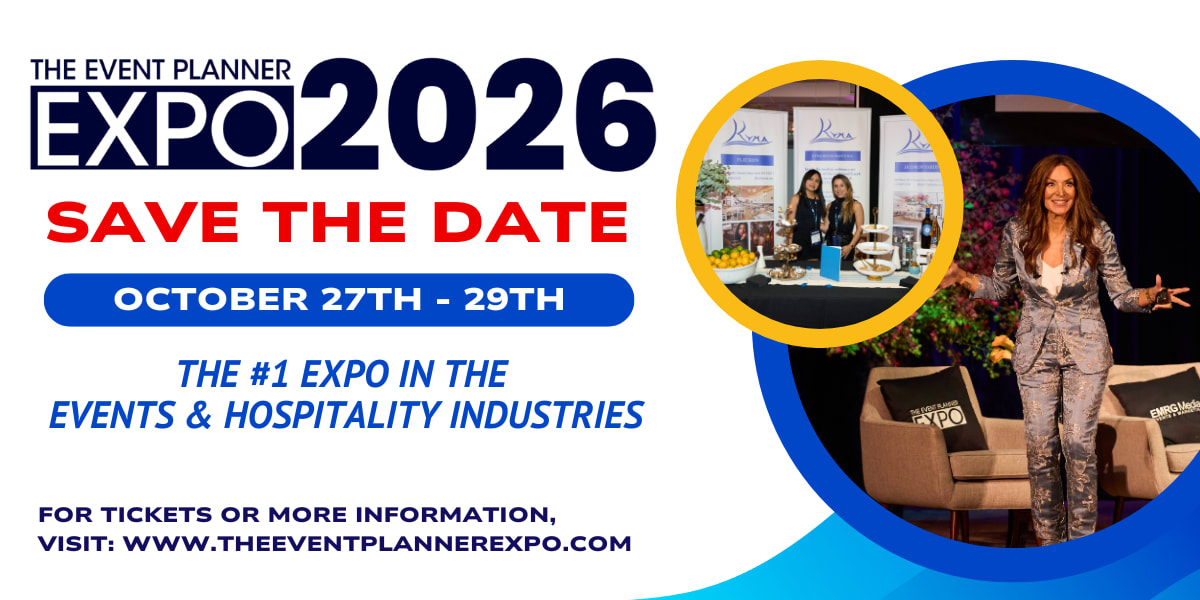
If you are serious about landing higher-budget events and being seen as a strategic leader in the industry, showcase your event planning business at The Event Planner Expo 2026.
This is where experienced planners, corporate decision-makers, and brands connect with partners who know how to ask the right questions before the first proposal is ever written.
Reserve your booth and put your expertise in front of the clients who value it.