What Makes an Event Feel ‘Well Planned’ to Guests?
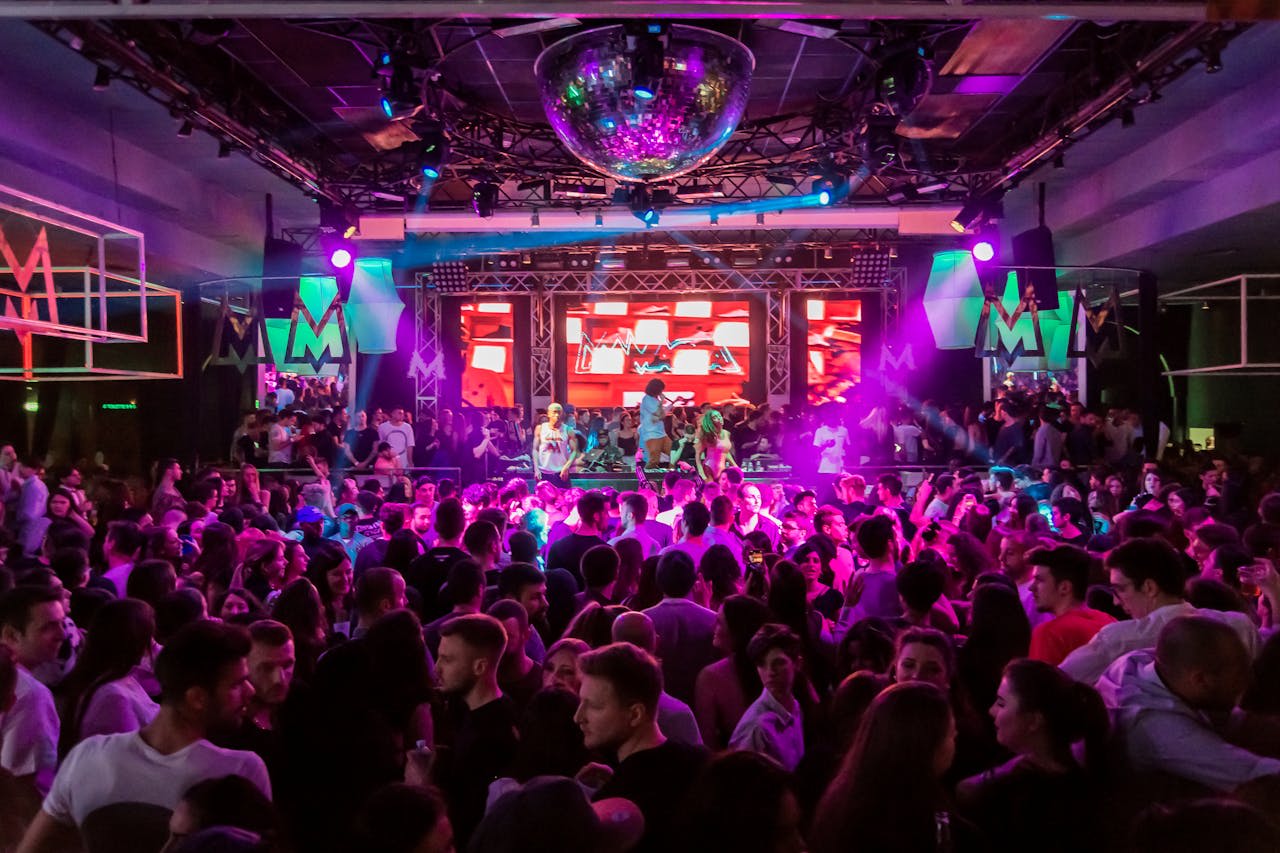
Guests don’t typically leave an event and say, “Gee, the logistics of that event were well planned!” or “I’m impressed with how tightly that show was run.” Instead, they comment about their experience by mentioning how everything flowed or that nothing felt awkward. Top event planners know their events have quiet confidence. The event makes guests feel comfortable and confident. Those feelings are built from dozens of micro moments that flawlessly come together.
Guests Experience Outcomes, Not Effort
This is one of the hardest truths in event planning.
Guests don’t see the late-night spreadsheets, the vendor calls, the last-minute pivots, or the backup plans stacked behind the scenes. They experience the result of those choices as emotion.
If something feels rushed, confusing, or off-balance, guests don’t think, “Planning must’ve been tough.” They think, “This feels messy.”
On the flip side, when an event feels well planned, guests don’t credit the planner. They relax into the experience. And that’s actually the win.
Effortlessness is the product.
Clear Arrival Sets the Tone for Everything Else
The moment guests arrive, they’re asking themselves a few silent questions. Am I in the right place? Do I know where to go? Am I already behind?
A well-planned event answers those questions immediately without putting guests on the spot. Sightlines are clear. The first interaction feels welcoming, not transactional. There’s space to pause without blocking others or feeling exposed.
Flow Matters More Than Features
Your event guests aren’t going to tally the number of activations there are at an event. This isn’t a competition with a scorecard. Instead, guests will consider their own experiences. They will note how easily they move through the event, mingle with guests, and engage with the activations.
Guests should move through the event continuously and naturally. There shouldn’t be dead ends that force guests to double back. Guests should not feel stuck in one place or at a bottleneck.
Flow comes down to layout and venue design. The right venue is crucial for setting the stage. The right event planner takes that venue and turns it into something amazing. Think about where the bar and catering are located. Position the seating so as not to block flow while encouraging interaction. Think about how the sound travels through the space. It’s not ideal to place the seating where guests are meant to speak right in front of the speakers.
Timing That Respects Attention Spans
We often hear that people have shorter attention spans than ever. Social media has created a share-in-the-moment culture of constant stimulation. This creates an impossible pressure on event planners to deliver events full of activations and entertainment. The truth is that guests don’t need this.
What guests actually need is rhythm. An event that feels well planned embraces the quiet moments. The event should feel like a journey, with moments of energy and quiet. Peak energy moments are loud, boisterous, and engaging. In contrast, moments of quiet give guests a chance to breathe and talk. The result is an event that doesn’t feel rushed. Guests don’t have to feel anxious about missing something.
Over-programming is one of the fastest ways to make an event feel stressful, even if everything technically runs on time.
Consistency Builds Trust, Even Subconsciously
People are more comfortable when they know what to expect. The best way for event planners to accomplish this is by ensuring everything matches.
Choose the right music to set the tone for the event. The music and tone need to align with the decor and venue. The food and service level should align with the formality level of the event.
All of these things should come together to align with the pacing, lighting, and activations. When everything comes together, guests feel like they understand what to expect.
Inconsistencies create unnecessary mental noise for guests. They feel slightly off-kilter, preventing them from fully engaging and enjoying themselves.
Staff Presence That Feels Supportive, Not Watchful
Another subtle indicator of strong planning is how staff show up.
Guests feel well cared for when staff are visible but not hovering, confident but not rushed, informed without being rigid. When staff know where to direct people and do so calmly, guests relax.
Confusion spreads fast in a room. So does confidence.
A well-planned event trains its staff to set the emotional tone, not just manage tasks.
Thoughtful Transitions Keep Guests Grounded
One overlooked detail: transitions.
How does the event move from cocktails to programming? From dinner to entertainment? From structured moments to free flow?
When transitions are abrupt or unclear, guests disengage. When they’re handled smoothly, guests stay oriented and present.
Sometimes this is as simple as a lighting shift, a change in music, or a subtle cue that something new is beginning. These signals help guests adjust without feeling disrupted.
Planning lives in the in-between moments.
Guests Feel When You Planned for Them Specifically
This is where empathy shows up.
Events feel well planned when guests sense that someone thought about their comfort. Where they’ll put their bag. Whether there’s space to sit without committing to staying. Whether conversations can happen without shouting. Whether moments of energy are balanced with moments of ease.
Guests don’t need luxury everywhere. They need consideration.
And consideration is felt.
Well Planned Doesn’t Mean Invisible Impact
Here’s the irony.
When an event feels well planned, it often looks simpler than it was. That simplicity is the result of expertise, not lack of ambition.
In experiential marketing and event production, clarity beats complexity every time. Guests remember how an event made them feel, not how many moving parts were involved.
That’s why the best planners obsess over the guest journey, not just the production checklist.
Why This Standard Matters Now
Expectations are higher. Attention spans are shorter. Guests have less patience for friction and more appreciation for ease.
In New York events, especially, a well-planned experience is no longer a bonus. It’s the baseline. And the planners who consistently deliver that feeling are the ones clients trust again and again.

Learn More About Creating Well-Planned Events in 2026
If your brand supports event professionals and you want visibility with planners who care deeply about guest experience, now is the time to step forward.
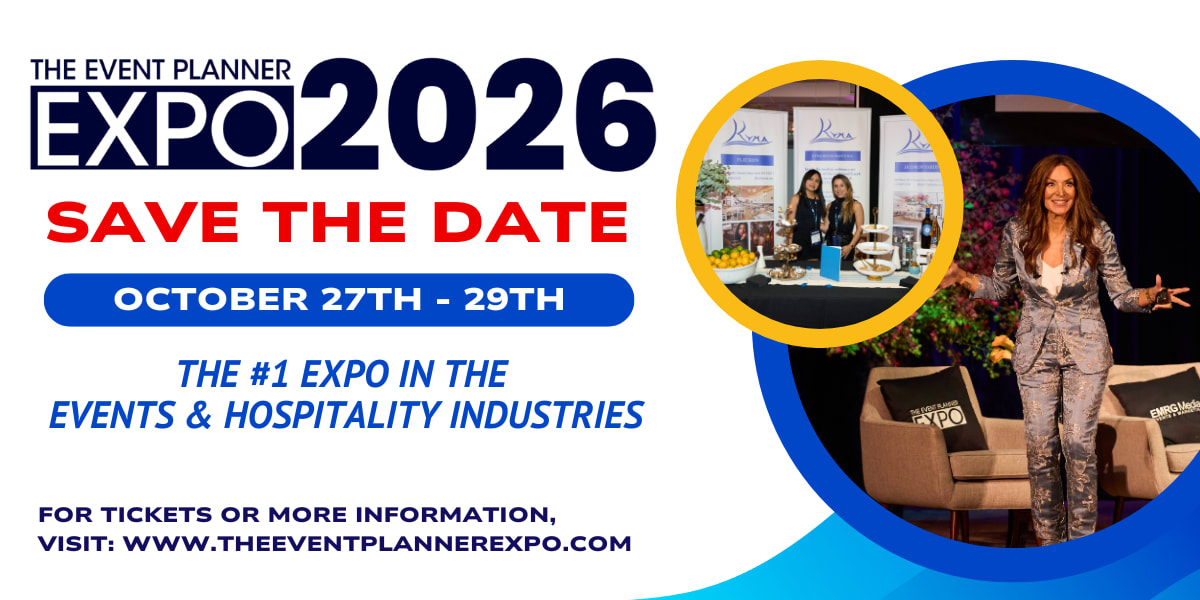
Get to The Event Planner Expo 2026 and position your company in front of the decision-makers shaping the next era of NYC events. When planners are looking for partners who help events feel seamless, trusted brands are the ones they remember.
Because well-planned events don’t just feel good. They build lasting relationships.
Grab your tickets now and be part of the industry’s biggest week.