Why Hybrid Events Are Becoming Strategic Tools for NYC Corporate Brands
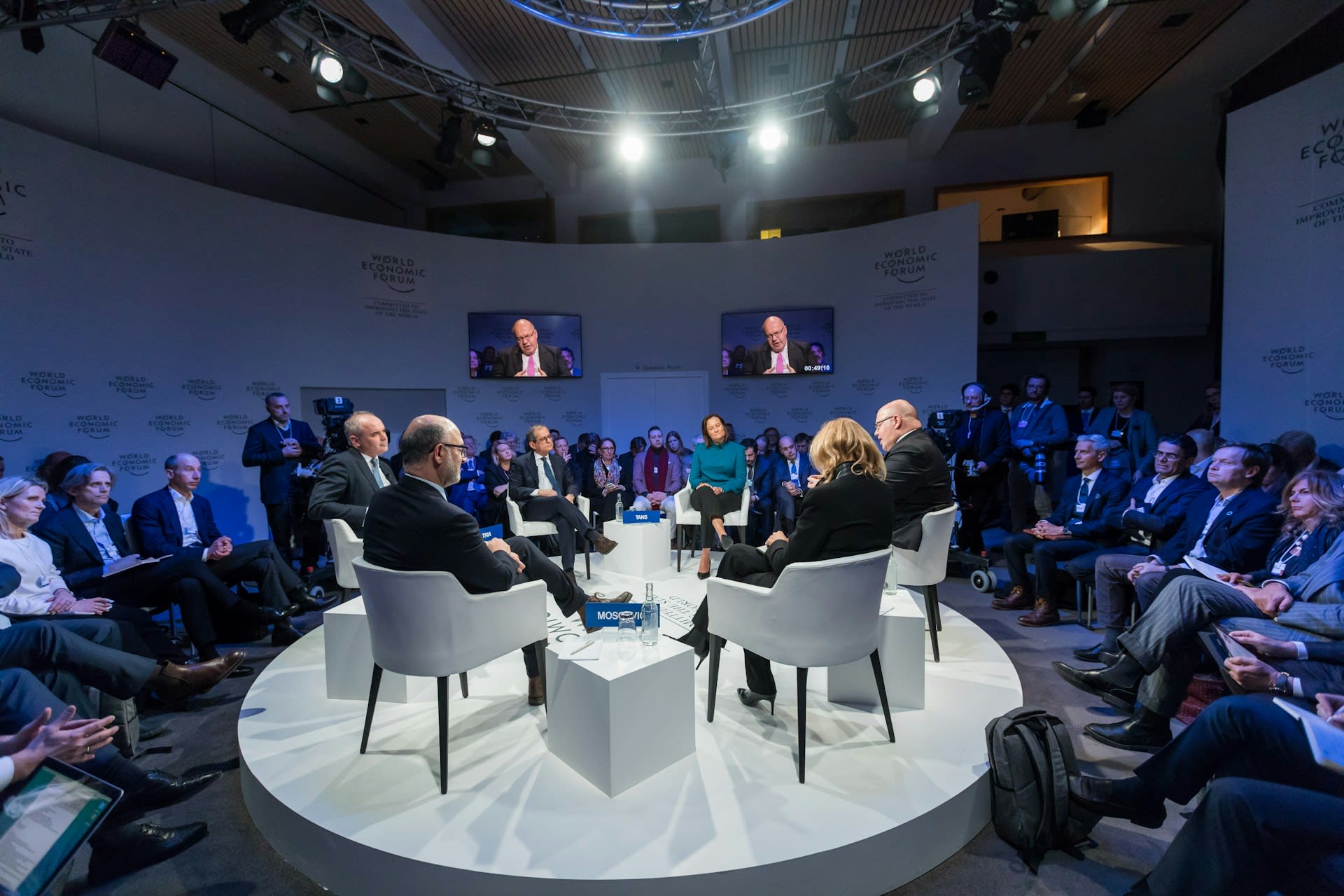
The early hybrid events were rough. Remember when planners were all frantically combining virtual connections to traditional in-person events. Then all the “tools” showed up. Hosting, connecting, engaging with guests online… whew. Those early hybrid events didn’t always make a good first impression. They kind of felt like an awkward afterthought that companies were forced to do. It would be a random livestream link thrown at the bottom of a marketing post. There were vague promises about content. Then, the actual streaming experience was blurry, laggy, and disjointed.
Of course, since then, you’ve sharpened your event production strategy. You probably honed the best-fit tools. And if you’re smart, you’re still weaving them into your portfolio as an added value, events-elevated touch.
Hybrid Has Moved Past Attendance Math
There was a point when success for hybrid events was measured almost entirely by numbers. How many people showed up in person? How many are logged in online? Whether the remote audience felt it was “worth it” given the effort involved. That framing feels increasingly out of step with how brands are thinking now.
NYC corporate brands are less focused on headcount and more focused on influence. An in-person event might be limited by venue size, budget, or sheer logistical sanity, but hybrid formats remove those constraints. They allow brands to include people who would never get on a plane for a two-hour program, while still preserving the value of being in the room for those who do.
Not every guest needs the same experience, either. And planners are finally designing with that reality in mind instead of fighting it.
The Strategy Lives in the Split Experience
Hybrid events that land well rarely try to make the remote audience feel like they’re having the same experience as the in-person guests. That usually backfires, and planners have the scars to prove it.
Instead, brands are building two experiences that are connected but not identical. The in-person side leans into what physical presence does best: energy, atmosphere, spontaneous conversation, and the kind of relationship-building that doesn’t translate cleanly to a screen. The remote side is designed with more structure, clearer pacing, and a stronger focus on content that holds attention without relying on the room’s energy to carry it.
When those two experiences are designed intentionally, rather than forced into alignment, hybrid stops feeling like a compromise and starts functioning as an advantage.
Time Is the Pressure Everyone Is Responding To
If there’s one consistent driver behind the rise of hybrid as a strategy in NYC, it’s time, or more accurately, the lack of it.
People want to participate, but they’re selective about how much of themselves they’re willing to give. Hybrid formats let brands lower the commitment barrier without lowering expectations. Someone can attend a single segment, catch a replay later, or engage briefly without feeling like they failed the event by not staying for the full run-of-show.
That flexibility doesn’t dilute the experience. In many cases, it makes participation more realistic, which often leads to broader and more meaningful engagement overall.
Hybrid Forces Brands to Get Serious About Content
One of the side effects of hybrid events is that weak content has nowhere to hide. Once an event is being streamed, recorded, or repurposed, every rambling panel and unfocused segment becomes much more obvious. That pressure is forcing brands to sharpen their messaging, tighten moderation, and think more carefully about what actually deserves airtime.
Interestingly, this tends to improve the live experience as well. When content is designed to hold up beyond the room, it usually becomes more intentional in the room, too. If something isn’t worth watching back, it probably wasn’t worth sitting through in the first place.
Control Is Part of the Appeal, Even If No One Says It Out Loud
Hybrid formats also give brands more control over how their message travels, and that matters in a city where perception is everything.
Instead of relying solely on what guests remember or what surfaces organically on social media, brands can frame conversations before the event, reinforce them afterward, and decide which moments to amplify. The event becomes part of a larger narrative rather than a single, self-contained moment.
This isn’t about overproducing or scripting everything. It’s about being intentional with how meaning is created and shared, especially when the stakes are high.
Planners Are Being Pulled Further Into Strategy
Hybrid events are expanding the planner’s role, whether that expansion is formalized or not. You’re thinking about flow on two levels at once. You’re considering how transitions feel both in the room and on screen. You’re anticipating where attention might drift and how to bring it back without forcing it.
That doesn’t mean planners need to become technical directors. But it does mean that if you already understand pacing, human behavior, and audience psychology, you’re finding those instincts increasingly valuable in hybrid formats.
Selectivity Is What Makes Hybrid Work
One of the smarter shifts happening right now is that brands are being more selective about what gets hybridized.
Not every moment benefits from being streamed or shared. Some conversations are better left private. Some experiences lose their impact once they’re flattened into content. Recognizing that difference is part of what makes a hybrid feel intentional instead of obligatory.
Hybrid works best when it’s applied where it adds value, not everywhere by default.
Venues Making Changes
Top NYC event venues are taking notice of the shift in strategy and making their own changes. Many venues are upgrading their technology. They are improving their infrastructure to support outside systems, knowing that event planners will be flocking to those hotspots with all the right gear. With more reliable power and internet, they can better support hybrid strategies.

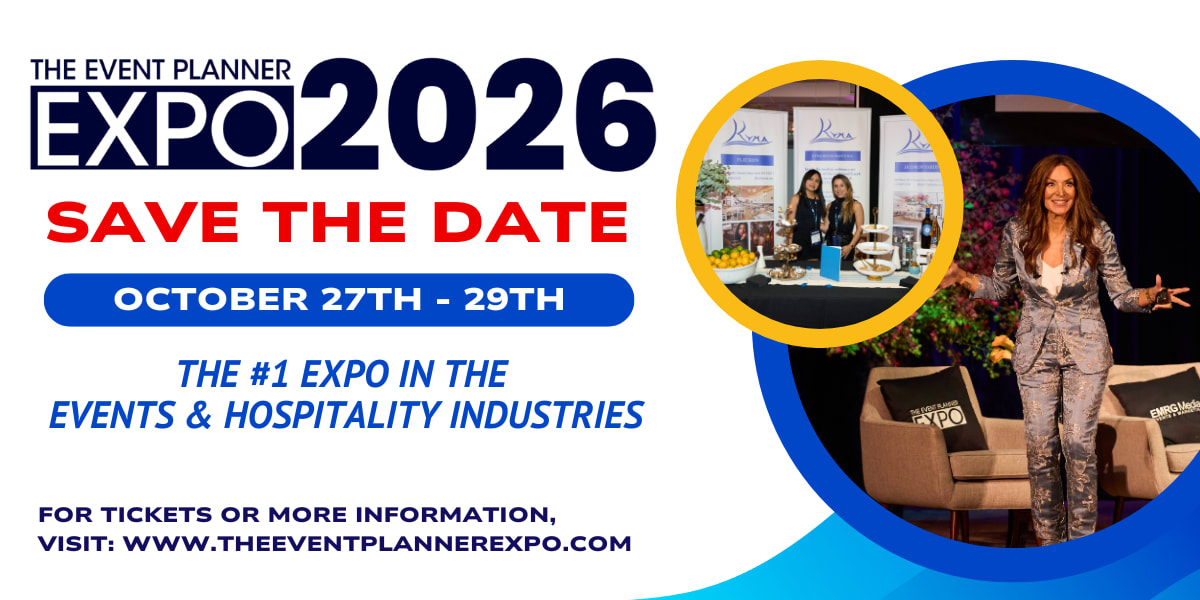
Learn More About Hybrid Events at The Event Planner Expo
The hybrid approach to events is becoming the new normal. Top NYC event planners, clients, and venues are all working together to create seamless experiences. You can see the magic of a hybrid event in action, too, when you attend The Event Planner Expo. (And you don’t want to miss this year’s lineup!)
Claim your booth today and position your brand at the center of the event planning industry. It’s the one place you’ll definitely want to be this October.