Corporate Event Planning Trends 2026 for NYC
NYC corporate events in 2026 cannot justify a budget with beautiful rooms alone. Leadership teams want clearer outcomes, stronger relationships, better data, and vendor choices that help every gathering work harder. That is why corporate event planning trends 2026 are moving toward strategy, not spectacle.
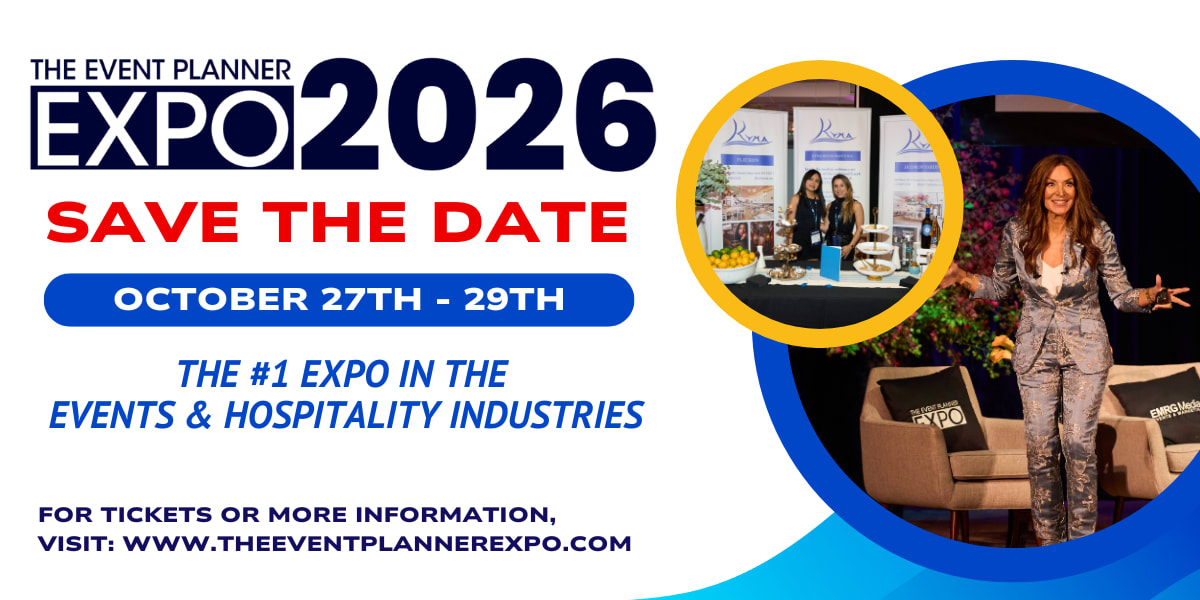
Ready to compare ideas in person? Explore tickets for The Event Planner Expo and connect with speakers, exhibitors, and event partners in New York City.
This guide is built for corporate event planners, marketing directors, executive teams, and brand leaders planning meetings, conferences, product launches, client experiences, and activations. Use it to shape better briefs, choose smarter venues, and bring your 2026 plans into sharper focus.
Corporate event planning trends 2026: strategy, ROI, and NYC execution
The biggest change for corporate teams is the role of the event itself. In 2026, events are less likely to be treated as isolated calendar moments. They are expected to support sales, brand trust, client retention, employee engagement, sponsor value, and executive alignment.
A business case before the mood board
Creative direction still matters, but it now follows the business case. Before teams discuss decor, entertainment, or menu style, they need to define the job of the event. That job may be pipeline acceleration, product education, executive relationship building, recruitment, press visibility, or partner enablement.
Clear goals improve every later choice. A planner can match room layout to conversation goals, choose content formats that fit the audience, and build reporting around outcomes that executives understand. This approach also protects the budget when costs rise.
Relationships as a measurable outcome
Relationship quality is becoming a central planning metric. A packed guest list may look impressive, but leaders want to know whether the right people met, what conversations moved forward, and what follow-up actions were created.
That shift favors hosted introductions, curated tables, executive lounges, smaller breakout rooms, and structured networking. It also favors events that give attendees enough time to talk. Shorter sessions and longer breaks can be more valuable than a crowded program with no room for connection.
NYC planning requires sharper decisions
New York City gives corporate teams access to premium venues, media energy, Fortune 1000 decision-makers, and experienced event vendors. It also demands careful planning around transportation, load-in, guest flow, security, production, and timing.
Teams planning for 2026 should connect the trend conversation to practical NYC decisions. If the event needs executive privacy, choose a setting that supports it. If the event needs brand impact, choose a venue with production flexibility. If the event needs education and vendor discovery, attend industry gatherings where those resources are concentrated.
How is AI changing corporate event planning in 2026?
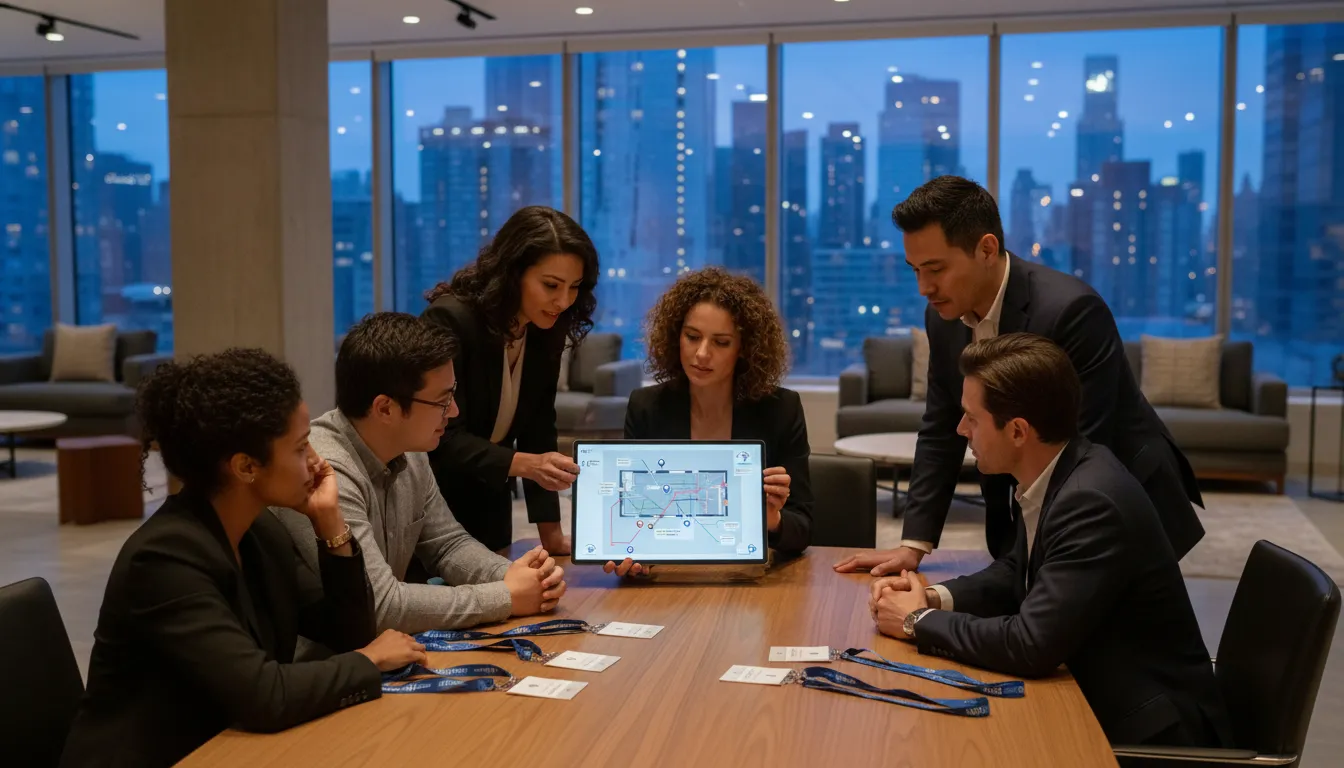
AI is one of the most visible event planning trends, but the strongest teams treat it as a planning assistant. It can speed up research, registration workflows, content planning, survey analysis, and personalization. It should not replace human judgment, hospitality, or relationship-building.
AI as a workflow tool
Corporate planners can use AI to summarize stakeholder notes, draft run-of-show documents, compare vendor proposals, segment attendee lists, and identify common questions from registration data. These uses save time before the event and reduce manual work after it.
AI can also support content operations. Teams can repurpose session topics into email themes, social copy, speaker briefs, and recap outlines. This helps a conference or meeting live longer than the event day itself.
Personalization with guardrails
In 2026, attendees expect more relevant experiences. AI can help planners recommend sessions, build audience segments, and tailor follow-up based on interests. The risk is over-automation. Guests should feel recognized, not tracked.
The right guardrails include clean data practices, human review, clear consent, and messaging that sounds useful rather than invasive. For more perspective, The Event Planner Expo has a related guide on AI tools in event planning.
The human touch still wins
AI cannot read the room like a skilled producer, calm a nervous executive, repair a vendor issue with grace, or make a high-value introduction feel natural. Corporate events still depend on trust, taste, timing, and hospitality.
The teams that win in 2026 will use AI to remove friction. Then they will invest the saved time in stronger briefs, better guest care, and more useful conversations.
Smaller, experiential formats are replacing one-size-fits-all agendas
Large conferences are not disappearing. They are being redesigned. The strongest corporate programs now include smaller moments inside the larger experience, including hosted buyer meetings, VIP dinners, leadership roundtables, product labs, sponsor salons, and interactive demos.
Fewer seats, clearer purpose
Smaller formats work because they give each guest a clearer reason to attend. A CFO roundtable, client advisory session, or executive breakfast can serve a sharper purpose than a broad ballroom presentation.
This does not mean every event should shrink. It means the audience design should be more intentional. A 500-person conference can include 50-person peer groups, private sponsor meetings, or small product demos that create better value.
Agenda design built for participation
Shorter programming supports more active rooms. Teams can test 20- to 30-minute talks, then provide longer breaks for introductions, demos, or guided discussion. The point is not to make the day shorter. It is to use time for the exchanges guests came to have.
| Agenda element | Traditional format | 2026 experiential format |
|---|---|---|
| Audience. | Broad guest mix. | Shared role or client need. |
| Sessions. | Long presentation blocks. | Focused talks with discussion. |
| Breaks. | Brief transitions. | Time for useful conversation. |
| Brand contact. | Passive signage. | Hands-on activation or demo. |
| Follow-up. | General recap. | Next step tied to each group. |
An interactive brand activation works best when it serves a defined guest need. A live product trial, problem-solving station, or hosted tasting gives people something to do and discuss. For related planning ideas, explore these experiential marketing trends.
What should NYC teams prioritize when choosing 2026 venues?
Venue choice is no longer a backdrop decision. For NYC teams, it shapes arrival, production, sponsor value, and how guests move through the day. As teams track corporate event planning trends 2026, they should judge every site by function before finish.
Use a working brief during site visits
Venue visits should happen with a working brief in hand. Note attendance range, agenda types, catering periods, sponsor needs, recording needs, approvals, and accessibility requirements. A polished ballroom may fail if service corridors, power, or reset times conflict with the program.
-
Map arrival and departure: Ask about curb access, loading rules, entry capacity, coat check flow, and transit options.
-
Test room flexibility: Look for rooms that shift from keynotes to breakouts, meetings, networking, and sponsor moments.
-
Review production needs: Confirm power, rigging, internet, sound limits, lighting, recording, and vendor access.
-
Check brand fit: Choose a space that supports the message instead of fighting it.
-
Score sustainability: Ask about waste, catering, transport, energy, and reuse policies.
Connect venue strategy to guest experience
The guest journey starts before registration. Subway access, hotel proximity, ride-share flow, step-free routes, quiet areas, and clear signage all shape the experience. These practical details decide whether a guest arrives focused or frustrated.
If your team is comparing neighborhoods and formats, the customer library includes a useful guide to NYC corporate event venues 2026.
Sustainability, sponsor value, and ROI are becoming planning requirements
Sustainability is no longer a nice-to-have line in the recap. It affects venue choice, catering, materials, transportation, waste, and brand reputation. At the same time, sponsors and finance teams want clearer proof that an event produced value.
Practical sustainability choices
Corporate teams do not need to make vague claims. They can choose local vendors, reduce printed materials, reuse scenic elements, improve food planning, offer plant-forward menus, and select venues with responsible operations.
Health and wellness choices also matter. The CDC recommends workplace food options that include fruits and vegetables prepared without high amounts of added fats, sugars, or sodium. That guidance can support better catering decisions for long event days.
Sponsorship that proves value
Sponsor value in 2026 is less about logo placement and more about useful access. Sponsors want conversations, demos, meetings, content, and measurable engagement. Planners should build sponsor packages around moments that help attendees solve real problems.
For example, a sponsor can host a small workshop, lead a demo lounge, support a networking breakfast, or contribute to a learning track. Each option gives the sponsor a reason to interact with the right audience.
A measurement plan for budget review
ROI measurement should be defined before the event. Useful metrics can include meetings booked, qualified leads, account engagement, attendee satisfaction, session attendance, content downloads, sponsor scans, and post-event follow-up activity.
Teams planning under budget pressure can also use The Event Planner Expo guide on planning a corporate event with smarter cost controls.
Hybrid and content strategy still matter in 2026
Hybrid events are no longer the emergency solution they were several years ago. In 2026, hybrid strategy is about access, content reach, executive convenience, and post-event value. The best hybrid plans are designed early, not added at the last minute.
Design for two audiences
A remote viewer is not simply an in-room guest watching from a different seat. Remote audiences need clear audio, strong visuals, concise sessions, moderated questions, and easy access to recordings. If they feel like an afterthought, they will disengage.
In-person guests need a different value promise. They attend for access, energy, networking, product interaction, and the live feel of the room. A good hybrid plan gives each audience a strong reason to participate.
Turn events into content engines
Corporate teams should plan content capture before the event starts. Keynotes, panel highlights, expert interviews, sponsor demos, attendee insights, and behind-the-scenes footage can support months of marketing after the room closes.
If your team is refining this model, review the customer guide to hybrid event strategies.
How can The Event Planner Expo help teams plan for 2026?
The Event Planner Expo gives NYC event professionals a concentrated way to see what is changing. The event brings education, networking, and vendor discovery together in one setting, which helps teams compare ideas faster than they could through online research alone.
A live view of planning choices
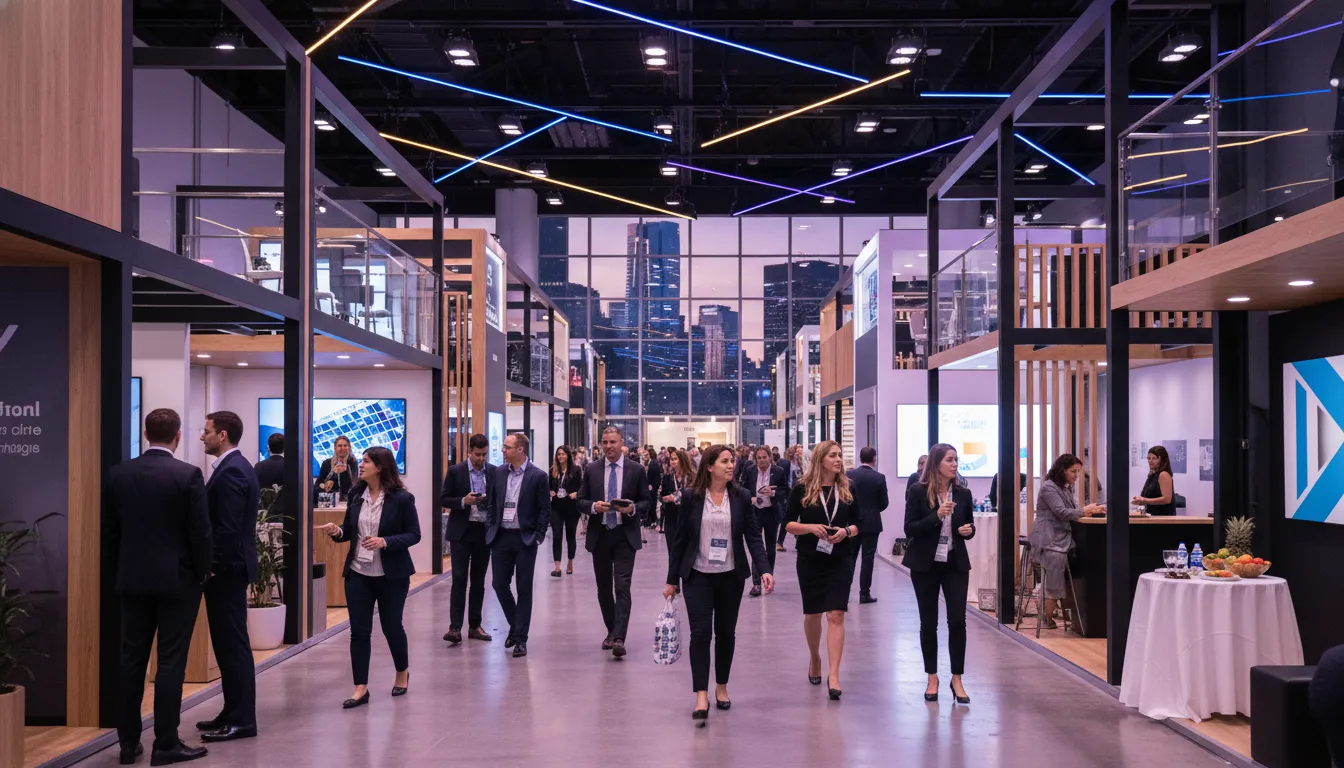
Corporate teams can use the Expo to explore event technology, production resources, venues, design partners, catering ideas, experiential vendors, and service providers. With 150+ exhibitors, the show floor can help planners compare options for 2026 programs.
The value is not only vendor discovery. It is also the chance to ask questions, see how partners explain their services, and identify which resources fit a corporate brief.
Education that supports the brief
Keynote education and speaker sessions can help teams connect broad trends to practical next steps. Use the sessions to listen for ideas that affect your event goals, budget structure, guest experience, and internal reporting.
Bring a list of questions before you attend. Ask what each trend means for your audience, your venue needs, your sponsor model, and your follow-up plan.
Connections that move plans forward
For NYC teams, the strongest reason to attend is access. The Expo creates a setting where planners, executives, marketers, and event partners can start conversations that may shape future meetings, launches, conferences, and activations.
Planning for 2026 now? Visit The Event Planner Expo learn-more page to explore the event, then get tickets when you are ready to attend.
Frequently asked questions
What are the top corporate event planning trends for 2026?
The top trends include AI-supported planning, smaller experiential formats, stronger ROI measurement, sustainability, smarter venue strategy, hybrid content planning, and more intentional networking. Together, these trends show a move away from generic events and toward programs built around business outcomes.
How is AI changing corporate event planning in 2026?
AI is helping teams work faster on research, audience segmentation, registration support, survey analysis, content planning, and follow-up. The best use is operational support. Human planners still lead strategy, guest experience, relationship-building, and final creative judgment.
Why are smaller events more popular than large conferences in 2026?
Smaller formats can create better conversation, clearer audience fit, and more focused follow-up. Many teams still run large events, but they are adding VIP dinners, roundtables, hosted meetings, and interactive activations to make the experience more personal.
What role does sustainability play in 2026 event strategy?
Sustainability affects venue choice, catering, transportation, signage, waste, materials, and brand reputation. Corporate teams should choose practical actions they can explain clearly, then avoid vague claims that are not supported by the event plan.
How can corporate events deliver measurable business impact?
Teams should define success before the event. Useful metrics include qualified leads, meetings booked, executive conversations, attendee satisfaction, sponsor engagement, session attendance, content use, and post-event follow-up activity.
Get ready for corporate event planning trends 2026 in NYC
The strongest 2026 corporate events will be intentional, measurable, and built around meaningful human connection. If your team is planning meetings, conferences, launches, or brand activations, use these trends to sharpen the brief before the budget is locked.
Get tickets for The Event Planner Expo to explore ideas, meet vendors, and gather insight for your next corporate event strategy.