How to Choose an Event Trade Show to Attend
With hundreds of event industry trade shows happening every year, picking the right one can feel overwhelming. Attend the wrong show, and you waste days away from your business, blow through your travel budget, and come home with nothing but a tote bag full of brochures. Attend the right one, and you walk away with vendor relationships that save you thousands, fresh ideas that set your events apart, and connections that turn into long-term partnerships.
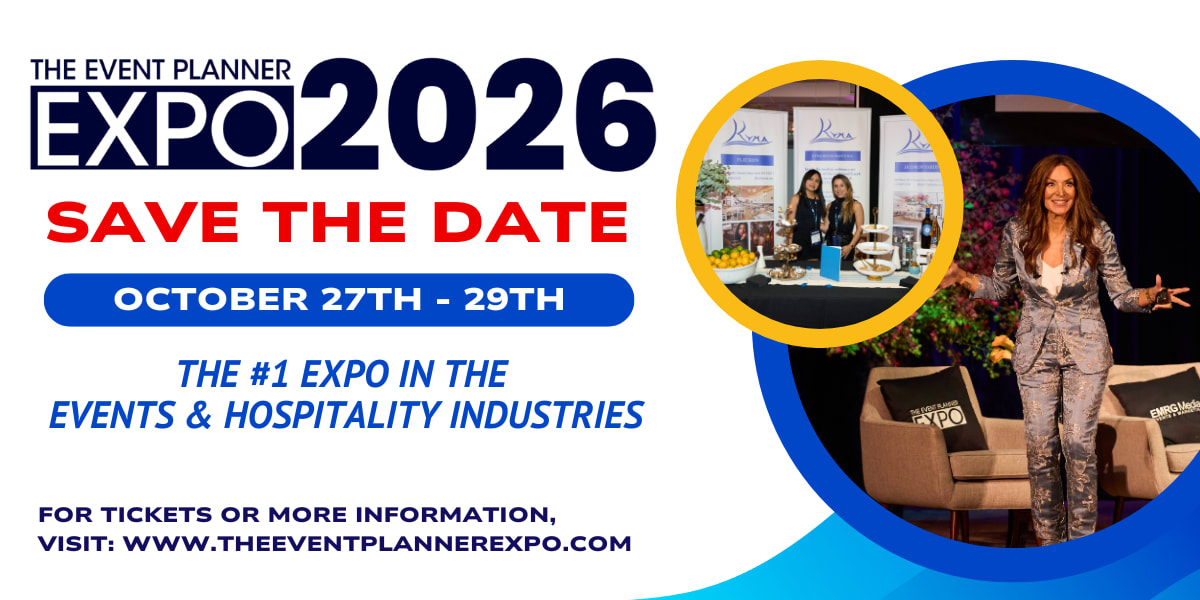
Get your tickets to The Event Planner Expo 2026 and experience three days of keynote speakers, 150+ exhibitors, and high-level networking in New York City.
This guide gives you a practical framework for evaluating trade shows before you register. Whether you are a corporate event planner managing a seven-figure budget or an independent planner growing your business, the criteria below will help you spend your time and money where they count.
Why Attending the Right Trade Show Matters for Event Planners
Trade show attendance is an investment. Between registration fees, flights, hotels, meals, and time away from clients, a single conference can cost $2,000 to $5,000 or more. According to the Center for Exhibition Industry Research (CEIR), 81% of trade show attendees have buying authority, which means the right show puts you in a room with decision-makers. But the wrong show puts you in a room with people who have nothing to do with your goals.
The cost of choosing poorly goes beyond dollars. You lose momentum on active projects, miss deadlines, and burn through limited PTO or staff bandwidth. For independent planners, every day away from client work is a day without revenue. That is why a structured evaluation process matters more than gut instinct or flashy marketing.
The good news? A little research upfront can help you identify expos that are essential for event planner growth and filter out those that are not worth the trip.
Define Your Goals Before You Browse
Before you start comparing trade shows, get clear on what you want from the experience. Different shows serve different purposes, and your goals should drive every decision from here forward.
Here are the five most common reasons event professionals attend trade shows:
- Vendor sourcing: You need to find new caterers, AV companies, venues, or technology partners. Look for shows with large exhibitor floors and product demos.
- Education and skill building: You want to learn new techniques, get certified, or hear from industry leaders. Prioritize shows with full-day speaker programs and workshop tracks.
- Networking and partnerships: You want to meet peers, find collaborators, or land corporate clients. Seek out shows with structured networking events, roundtables, and intimate group sizes.
- Trend scouting: You want to stay ahead of industry shifts in technology, design, and client expectations. Target shows that feature innovation showcases and keynotes from forward-thinking leaders.
- Brand visibility: You want to position your business in front of potential clients or partners. Consider shows that offer exhibitor opportunities or speaking slots.
Write down your top two goals. If a trade show does not directly serve at least one of them, cross it off your list. This single step will cut your options in half and save hours of comparison shopping.
How to Evaluate a Trade Show Before Registering
Once you know your goals, run every candidate show through this checklist. A strong trade show should score well on most of these factors.
1. Attendee Profile
Who else will be in the room? A show designed for wedding florists will not help a corporate event manager sourcing AV equipment. Check the event website for attendee demographics, company sizes represented, and job titles. The best shows publish this data openly. If they do not, ask the organizers directly.
2. Exhibitor Quality and Relevance
Review the exhibitor list before registering. Are these vendors you would actually consider hiring? A show with 150+ exhibitors covering venues, catering, technology, entertainment, and decor gives you a one-stop vendor discovery experience. Compare that to smaller shows with 30 exhibitors in a narrow niche.
3. Speaker Lineup and Education Tracks
Look beyond the headliner names. Are the session topics relevant to your work? Do they cover advanced strategies or just surface-level introductions? Check whether sessions are led by working professionals or sponsored product pitches disguised as education.
4. Past Attendee Reviews
Search for reviews, social media posts, and recap articles from previous years. Look for specific praise (“I found three new vendors”) rather than vague enthusiasm (“It was great!”). Red flags include complaints about disorganization, low turnout, or irrelevant content.
5. Networking Opportunities
The hallway conversations at a trade show are often more valuable than the scheduled sessions. Look for events that include cocktail receptions, matchmaking apps, VIP dinners, or roundtable discussions. Shows with strong networking strategies for event professionals build these opportunities into the schedule rather than leaving them to chance.
6. Show Format and Schedule
Consider the structure. Is it a one-day expo or a multi-day conference? Multi-day formats with staggered programming (education one day, trade show floor the next) let you absorb more without burnout. Also check for virtual attendance options if travel is a concern.
Learn more about The Event Planner Expo to see how a three-day format combines keynote speakers, an exhibitor trade show floor, and exclusive networking events.
Budgeting for Trade Show Attendance
Knowing the full cost of attendance helps you compare shows on an apples-to-apples basis. Registration is just the starting point. Here is a breakdown of what to budget for:
| Expense | Typical Range | Notes |
|---|---|---|
| Registration/Tickets | $65 – $999 | Varies by access level and event tier |
| Airfare | $200 – $800 | Book early for better rates |
| Hotel (2-3 nights) | $400 – $1,200 | Check for group discount codes |
| Meals and Transport | $150 – $400 | Per diem based on city |
| Time Away from Work | 2-4 days | Factor in opportunity cost |
A practical way to evaluate trade show ROI as an attendee: estimate the value of one new vendor relationship or one new client lead, then compare it to your total cost. If attending a $500 conference helps you find a vendor that saves $5,000 on your next event, the math works. If you cannot draw a clear line from attendance to value, reconsider.
Some shows offer tiered pricing that lets you control costs. General admission passes give you trade show floor access at a lower price, while premium passes add education sessions, VIP networking, and speaker access. Choose the tier that matches your goals. You can learn more about different ticket options by reviewing this guide to conference tickets for event managers.
What Makes Networking Opportunities Worth Your Time?
Not all networking is created equal. Standing in a crowded expo hall swapping business cards is not the same as sitting at a curated roundtable with 12 other corporate planners discussing vendor management challenges.
When evaluating a trade show’s networking value, look for these features:
- Structured events: Opening parties, VIP luncheons, after-parties, and dedicated networking hours give you specific times and places to connect.
- Curated matchmaking: Some shows use apps or concierge services to match attendees with complementary interests.
- Intimate group sizes: Roundtable discussions, masterclasses, and breakout sessions create deeper conversations than a 2,000-person keynote.
- Attendee contact lists: Premium ticket tiers at some events include a contact list of fellow attendees, letting you follow up after the show.
- Multi-day format: The longer you are in the same space with the same people, the more natural and productive the conversations become.
Events that understand how industry expos elevate your brand build networking into every part of the schedule, not just a single cocktail hour at the end.
Red Flags That a Trade Show Is Not Worth Your Time
Just as important as knowing what to look for is knowing what to avoid. Watch for these warning signs:
- No published attendee or exhibitor data: If the organizer cannot or will not share who attends and who exhibits, that is a transparency problem.
- Declining attendance: Check whether the show is growing or shrinking year over year. A shrinking show usually means vendors and speakers are losing interest too.
- No education component: A trade show with only an exhibit hall and no speakers, panels, or workshops is a glorified vendor marketplace. It might be worth a few hours, but probably not a multi-day trip.
- Heavy pay-to-play content: If most “education” sessions are sponsored product demos, you are watching commercials, not learning.
- Poor post-event follow-up: Shows that go silent after the event miss the point. The best organizers send attendee directories, session recordings, and follow-up resources.
- Irrelevant industry focus: A general marketing expo will have some event content, but it will not go deep enough to move the needle for a professional event planner. Seek out trade shows with an event industry focus that speak directly to your profession.
Explore ticket options for The Event Planner Expo 2026, where 2,500+ event professionals, 150+ exhibitors, and celebrity keynote speakers come together in NYC.
Top Trade Shows for Event Planners in 2026
To put this framework into practice, here are some of the leading trade shows that event planners should consider for 2026:
- The Event Planner Expo (New York City, October 2026): A three-day conference featuring celebrity speakers like Daymond John and Martha Stewart, 150+ exhibitors, VIP networking events, and an education series. Built specifically for event planners, corporate executives, and event industry professionals. Tickets range from $65 General Admission to $999 Corporate All Access. Learn more and get tickets here.
- IMEX America (Las Vegas, October 2026): One of the largest global meetings and events trade shows, with thousands of exhibitors focused on group travel, meetings, and incentive events. Best for planners in the meetings and incentive space.
- BizBash Live (various locations): Known for experiential marketing and creative event design, BizBash events attract planners looking for the latest in decor, entertainment, and immersive experiences.
- Catersource + The Special Event (various locations): The go-to for planners focused on catering, design, and production. Strong education tracks on event operations.
- MPI World Education Congress: Ideal for meeting professionals seeking formal education credits and leadership development. Strong international networking component.
Each of these serves a different segment of the event planning industry. Use the evaluation criteria above to match the right show to your specific goals and budget.
Your Trade Show Selection Checklist
Before you register for any trade show, run it through this quick checklist:
- Goal alignment: Does this show directly serve my top two priorities (vendor sourcing, education, networking, trend scouting, or brand visibility)?
- Attendee fit: Are the attendees my peers, potential clients, or potential partners?
- Exhibitor relevance: Would I hire at least 10% of the vendors on the exhibitor list?
- Education quality: Are sessions led by practitioners, not just sponsors?
- Networking structure: Does the schedule include dedicated networking events beyond the expo floor?
- Budget math: Can I draw a clear line from the total cost to a specific business outcome?
- Track record: Do past attendee reviews confirm the show delivers on its promises?
- Red flag check: Does the show publish attendee data, grow year over year, and follow up after the event?
If a show checks six or more of these boxes, it is worth serious consideration. Fewer than four? Keep looking.
Frequently Asked Questions
How many trade shows should an event planner attend per year?
Most event planners benefit from attending one to three trade shows annually. Quality matters more than quantity. Choose one large industry conference for broad networking and vendor discovery, then one or two niche shows that align with your specialty, whether that is corporate events, weddings, or experiential marketing.
What is the difference between a trade show and a conference?
A trade show centers on an exhibitor floor where vendors display products and services. A conference centers on educational sessions, keynotes, and panels. Many events, like The Event Planner Expo, combine both formats into a hybrid experience with dedicated days for education and trade show exploration.
Is it worth attending a trade show as a solo event planner?
Yes. Solo planners often get the highest ROI from trade shows because every connection and vendor relationship directly impacts their business. Prioritize shows with structured networking and attendee directories so you can maximize your time and follow up efficiently after the event.
How do I measure ROI from attending a trade show?
Track three metrics: new vendor relationships established, potential client leads collected, and actionable ideas implemented within 90 days. Compare the estimated dollar value of those outcomes to your total cost (registration, travel, lodging, and time). A strong trade show should deliver at least 3x your total investment in value over the following year.
When should I register for event industry trade shows?
Register early. Most trade shows offer early-bird pricing that can save 20-30% on registration fees. Booking three to six months ahead also gives you better hotel rates and flight options. Many popular shows, including conferences with sponsorship packages, sell out VIP and premium tiers months in advance.
Make Your Next Trade Show Count
Choosing the right trade show is not about finding the biggest event or the flashiest speakers. It is about matching a show’s strengths to your specific goals, budget, and career stage. Use the framework in this guide to evaluate your options, and you will spend less time at events that waste your energy and more time at events that move your business forward.
The event industry is built on relationships, and the right trade show is where those relationships start. Take the time to choose wisely, and every show you attend will pay for itself.
Get your tickets to The Event Planner Expo 2026 in New York City. Three days of keynote speakers, 150+ exhibitors, exclusive networking events, and the connections that grow your business.