How to Plan a Corporate Event on a Budget
Planning an unforgettable corporate event does not have to come with an eye-watering price tag. Whether you are organizing a company conference for 500 or an executive offsite for 25, corporate event planning on a budget is one of the most valuable skills you can sharpen as a professional planner. Smart budget management impresses stakeholders, maximizes ROI, and gives you the creative freedom to focus on what truly matters: the attendee experience.
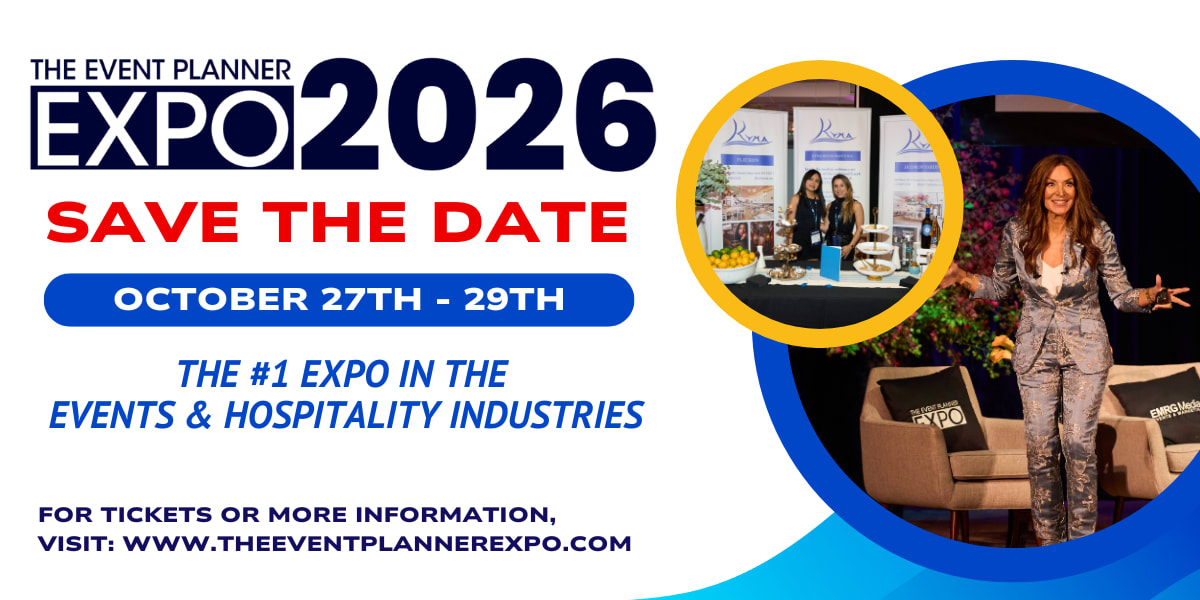
This step-by-step guide covers everything you need — from setting a realistic budget to negotiating vendor contracts — so you can deliver a high-impact event without blowing your bottom line. Ready to discover cost-effective vendors, tools, and strategies all in one place? Attend The Event Planner Expo and connect with 150+ exhibitors offering solutions built for every budget.
Step 1: Set a Realistic Corporate Event Budget
The foundation of every successful budget-conscious event is a clear, honest financial picture from day one. Too many planners rush to book a venue before they know what they can actually afford, and that single misstep can cascade into overspend across every line item.
Start With Total Available Funds
Get final sign-off from your finance contact or executive sponsor before you book a single vendor. Ask for the total envelope — not a “ballpark” — and clarify whether that number includes tax and gratuity or excludes them. Many corporate event disasters begin when a planner assumes a $50,000 budget means $50,000 in purchasing power, only to discover 25% of it evaporates into taxes, service fees, and mandatory gratuity.
Allocate by Category Using the 40/30/20/10 Framework
A workable starting split for most mid-size corporate events looks like this:
- 40% Venue and Catering — Your two biggest line items. Treat these as a single negotiation opportunity.
- 30% AV and Production — Lighting, sound, staging, streaming. Never cut corners here — bad AV ruins attendee experience faster than anything else.
- 20% Programming and Speakers — Keynotes, entertainment, facilitators, and breakout sessions.
- 10% Contingency — Non-negotiable. Events always surface unexpected costs.
Adjust these percentages based on your event type. A purely internal team offsite may trim the programming line and redirect funds toward food and beverage. A client-facing product launch may flip the allocation toward production quality and speaker caliber.
Build a Line-Item Budget Spreadsheet
Do not manage your event budget in your head or across a string of email threads. Build a single master spreadsheet with columns for: estimated cost, negotiated cost, deposit paid, balance due, and payment date. Maintain it as a living document, updated after every vendor conversation. Below is a simplified template outline you can adapt immediately:
| Category | Item | Estimated | Negotiated | Status |
|---|---|---|---|---|
| Venue | Room rental | $8,000 | $6,500 | Deposit paid |
| Catering | Lunch buffet (per head) | $55 | $45 | Confirmed |
| AV | Full day AV package | $5,000 | $4,200 | Pending deposit |
| Speaker | Keynote fee | $3,500 | $3,000 | Contract sent |
| Contingency | Reserve | $2,000 | — | Hold |
Step 2: Slash Venue and Catering Costs Without Sacrificing Quality
Venue and catering routinely consume 40 to 60 percent of a corporate event budget, making them your highest-leverage cost-saving opportunity. The difference between a planner who accepts the first quote and one who negotiates is often thousands of dollars.
Choose Off-Peak Dates and Times
Venue pricing is driven by demand. Booking your event on a Tuesday or Wednesday rather than Friday, or scheduling a morning start instead of evening, can cut rental fees by 20 to 35 percent at the same venue. The same principle applies to the time of year: January through March and late August are typically slower booking months for most corporate venues, which means you have real negotiating power.
Consider Non-Traditional Venues
Hotel ballrooms and convention centers are often the most expensive option. Explore these alternatives that frequently offer better value:
- University event spaces — Modern AV infrastructure, ample parking, and flexible catering policies at a fraction of hotel rates.
- Private club dining rooms — Intimate, high-end aesthetic without the full hotel overhead.
- Art galleries and museums — Unique atmospheres that reduce your decor spend significantly.
- Co-working space event floors — Flexible layouts, built-in tech, and short lead times.
- Corporate rooftops — Companies with large corporate HQs often rent their event floors or rooftops at below-market rates.
Negotiate Catering as a Bundle
When venue and catering are bundled through the same vendor, you have one contract to negotiate rather than two. Ask for a per-head reduction of 10 to 15 percent in exchange for a guaranteed minimum headcount. Request that a full beverage package be included at cost or offered at a flat fee rather than consumption-based billing — open bars on consumption are a budget killer. If the venue allows outside catering, get three bids and let vendors compete.
Always request that leftover food be donated to a local food bank or charity. It is good for the community, it removes removal fees from your contract, and it is a meaningful corporate social responsibility talking point for post-event communications.
Discover hundreds of vetted vendors at The Event Planner Expo — including caterers, venue partners, and AV companies offering exclusive deals to attendees.
Step 3: Reduce AV Spend With Smart Tech Decisions
Audiovisual production is where the most unnecessary spend hides. Many planners over-order out of fear of technical failure — a reasonable concern with an unreasonable solution. The fix is not to overspend; it is to clarify exactly what you need and eliminate what you do not.
Define Your AV Must-Haves
Before calling a single AV company, build a technical requirements document. For each session on your agenda, specify: the number of microphones, the screen and projector setup, whether you need a livestream, and whether you need a dedicated AV technician on-site versus a venue-managed system. Vague requests get inflated quotes. Specific requests get competitive bids.
Use Venue-Owned Equipment Where Possible
Many mid-to-large venues own projectors, screens, and basic sound systems that are included in the rental fee or available at a minimal surcharge. Bringing in an outside AV company to use their own equipment on top of venue equipment doubles your cost. Ask the venue what is already in the room before you engage an AV vendor.
Leverage Streaming Technology to Reduce Physical Headcount
Every in-person seat costs you money in catering, venue space, and logistics. For company-wide events where some attendees are primarily watching speakers rather than participating in networking, consider a hybrid format: a smaller in-person audience for key participants, with a high-quality livestream for everyone else. The reduction in per-head cost often funds the entire streaming setup.
Step 4: Promote Your Event Through Free and Low-Cost Channels
Marketing is where budget-conscious corporate event planners often overspend on paid media when highly effective free channels go unused. Before allocating any budget to paid promotion, maximize the following zero-cost channels.
Internal Channels First
For company events, your internal communication stack is your most powerful promotional tool. Email newsletters, Slack or Teams channels, intranet posts, and calendar invitations from leadership carry far more authority than external advertising. Work with your internal communications team to get leadership to send a personal invitation — a message from the CEO or division head will outperform any paid ad for driving registrations from employees.
LinkedIn for Corporate Events
LinkedIn remains the most effective social platform for reaching corporate event audiences. Create an event page on LinkedIn and have every team member share it from their personal profiles. Post a series of short-form content pieces in the weeks leading up to the event: speaker spotlights, behind-the-scenes planning updates, and registration countdowns. LinkedIn’s organic reach for event content remains strong when paired with genuine personal engagement.
Partner and Exhibitor Co-Marketing
If your event includes sponsors or exhibitors, require them to promote the event to their own mailing lists as part of their participation agreement. This is standard practice in the trade show industry and gives you access to audiences far beyond your own list at no cost. Draft the language for them — a pre-written email template removes all friction and dramatically increases the percentage of partners who actually follow through.
Industry Associations and Newsletters
Most industry associations offer free or low-cost event listing options for member organizations. Associations such as MPI, ILEA, and PCMA have active member newsletters and event calendars that reach exactly the professional audience you want to attract. A single listing can generate meaningful registrations from a pre-qualified audience.
Step 5: Negotiate Vendor Contracts Like a Pro
Negotiating vendor contracts is the highest-return skill in the corporate event planner toolkit. Even a modest 10% reduction across your vendor agreements can free up tens of thousands of dollars in annual event budget.
Always Get Three Bids
Competition is your most powerful negotiating tool. For every major vendor category — catering, AV, photography, transportation — obtain at least three written quotes before engaging in any negotiation. Let each vendor know you are evaluating multiple options. This single step consistently produces better initial offers and more flexibility in negotiations.
Identify the Vendor’s Real Priorities
Price is rarely the only variable on the table. Experienced planners negotiate across multiple dimensions:
- Payment terms — Vendors often reduce price in exchange for faster payment or a larger deposit. Ask what their preferred payment schedule looks like.
- Exclusivity — Agreeing to use a vendor for multiple events or refer them to colleagues can unlock meaningful discounts.
- Off-peak scheduling — Even within an agreed event date, shifting setup or teardown times to periods more convenient for the vendor can yield cost reductions.
- Scope reduction — Ask whether a stripped-down version of their service is available. Many vendors are happy to offer a leaner package at a lower price point.
Review Every Contract Line by Line
Corporate event contracts frequently contain charges that were never discussed verbally: mandatory gratuity, overtime fees, additional setup hours, parking, and early-access fees. Read every line of every contract before signing. Request removal or reduction of any fee that was not part of the original negotiation. Most vendors will negotiate these out rather than lose the booking.
Include Force Majeure and Cancellation Protections
Budget planning extends to risk management. Every vendor contract should include a clear force majeure clause and a defined cancellation policy with specific refund tiers based on notice period. This is not standard boilerplate — negotiate it explicitly. A well-structured cancellation policy protects your budget from unplanned external disruptions and from the very real cost of a vendor who cannot perform.
Step 6: Discover Cost-Effective Solutions at The Event Planner Expo
Finding the right vendors, technologies, and strategies for corporate event planning on a budget is significantly easier when you have access to the industry’s most concentrated marketplace. The Event Planner Expo brings together 150+ world-class exhibitors and 2,500+ event professionals in NYC for three days of networking, education, and vendor discovery — all under one roof.
Attendees consistently report that a single connection made on the expo floor leads to vendor relationships that save them thousands annually. Whether you are sourcing a new catering partner, evaluating event technology platforms, or looking for fresh inspiration from industry leaders, the Expo delivers ROI that extends well beyond the event itself.
As an exhibitor, your brand gets direct access to pre-qualified corporate decision-makers actively looking for solutions. If your company offers services relevant to the corporate events market, exhibiting at the Expo puts you in the room with your ideal clients. Explore 2026 exhibitor opportunities here.
Frequently Asked Questions About Corporate Event Planning on a Budget
What is a realistic per-person budget for a corporate event?
Per-person budgets vary significantly by event type. A working lunch or half-day meeting might run $75 to $150 per person. A full-day conference with catering and AV typically ranges from $200 to $500 per person. Multi-day events with evening programming, hotel room blocks, and keynote speakers can reach $1,000 to $2,500+ per attendee. Use your per-head estimate multiplied by expected attendance as your first budget sanity check before locking in a venue.
How far in advance should I start planning a corporate event?
For events with more than 100 attendees, begin planning 6 to 12 months in advance. This lead time gives you maximum leverage in venue negotiations, access to the best vendor availability, and enough runway to build registration through free marketing channels. Shorter lead times mean fewer vendor options, less negotiating power, and higher prices across the board.
What is the single biggest waste of corporate event budget?
Overordering on food and beverage is consistently the top budget waste in corporate events. Caterers incentivize over-ordering because they charge per head on the actual count. Accurately forecast attendance using registration data and historical no-show rates (typically 10 to 20% for corporate events). Order for your realistic expected count, not your optimistic maximum.
How can I demonstrate event ROI to leadership?
Define your success metrics before the event, not after. Common ROI metrics for corporate events include: attendee satisfaction scores (post-event survey), lead generation numbers (for external events), sales pipeline influenced by event conversations, media coverage value, and employee engagement scores. Build a one-page post-event report that maps spend against each metric. This creates a repeatable framework for future budget conversations.
Are virtual or hybrid events actually cheaper than in-person?
Virtual events eliminate venue, catering, and travel costs but introduce technology, production, and engagement challenges that carry their own price tags. A well-produced virtual event with professional streaming, interactive elements, and strong speaker content costs less than a comparable in-person event but more than most planners initially expect. Hybrid events tend to cost more than either pure format because you are running two events simultaneously. The right format depends on your goals, not your budget alone.
Join thousands of corporate event professionals at The Event Planner Expo — where the best ideas, vendors, and connections in the industry come together every year in New York City. Whether you are looking to stretch your event budget further or discover the next great vendor partnership, the Expo is where it all happens.