The Follow-Up Gap: Why Great Event Leads Go Cold After the First Conversation
You had a great call. They have an event coming up. The budget sounds workable. They liked your ideas. You wrapped with some version of, “I’ll send you a few things.”
Then three days pass.
By the time you circle back, that hot event lead has cooled considerably. Maybe another planner responded faster. Maybe the client got pulled into 14 other priorities. Maybe they’re still interested, but you’ve lost the momentum you had when they were actively thinking about their event.
That space between a promising conversation and your next meaningful move is the follow-up gap. And it can eat away at an event planner’s sales pipeline.
Follow Up While the Conversation Is Still Fresh
Speed still counts in 2026. HubSpot recommends reducing lead response times to under 30 minutes for new inquiries, while its current sales guidance emphasizes structured follow-up instead of relying on someone to remember to send another email.
For an event planner, that doesn’t mean firing off a proposal 12 minutes after a discovery call.
It means keeping things moving.
If someone submits an inquiry, respond quickly. After a call, send the promised venue list, portfolio examples, pricing information, or next steps when you said you would. If you need several days to build a custom proposal, tell the prospect exactly when it’s coming.
Silence creates room for somebody else to become easier to hire.
End Every Conversation With a Next Move
“I’ll be in touch” is where good leads go to die.
Before you hang up, figure out what happens next. Are you sending a proposal Thursday? Are they confirming the guest count? Are you reconnecting after their budget meeting Tuesday? Put an actual next step on the calendar whenever you can.
This also saves you from the dreaded follow-up email that says nothing except, “Just checking in.”
You have something real to talk about instead.
Give Them a Reason to Open Your Follow-Up
Your prospect has already told you things. Use them.
If they’re worried about finding a venue that can handle 400 guests, send two relevant venue examples. If they want an executive dinner that doesn’t feel stuffy, show them an event where you solved a similar creative problem. If their CEO is worried about AV, make production part of your next conversation.
Generic follow-up is getting easier to ignore. HubSpot’s 2026 prospecting guidance points to personalization as increasingly important as buyers do more research on their own and arrive at sales conversations better informed.
So skip the five-paragraph “checking in to see if you had any questions” email. Bring something useful back to the conversation.
Don’t Quit Because They Didn’t Answer Once
Event planners know how busy clients get because you’re busy, too. An unanswered email on Friday doesn’t necessarily mean they hired someone else by Monday.
Follow up again.
And don’t make every touch identical. Email today. Call when appropriate. Connect on LinkedIn. Send a useful idea a week later. Reach out when you find something directly relevant to their event.
Current sales research continues to support multiple follow-ups rather than a one-and-done approach, and 2026 prospecting strategies increasingly combine email, phone, and social outreach instead of betting everything on one channel.
Persistent doesn’t have to mean annoying. There’s a big difference between “Any updates?” six times and showing up with a reason to continue the conversation.
Stop Keeping Your Pipeline in Your Head
You can remember five active leads. Twenty-five gets dicey.
Use a CRM or whatever lead-tracking system you’ll actually maintain. Every active prospect should have a status, last-contact date, next action, and follow-up date. Automate reminders where they help, but keep the relationship human.
Once a week, look specifically for leads with no next action attached. Those are your danger zone.
Work the Leads You Already Have
Landing more event clients doesn’t always require finding another hundred people to market to. There may be business sitting inside the conversations you’ve already started.
Revisit the proposal that went quiet. Check on the corporate client who said Q4 was more likely. Reconnect with last year’s holiday party contact. Pull up the lead who loved your work but wasn’t ready to commit six months ago.
Then keep filling the top of that pipeline.
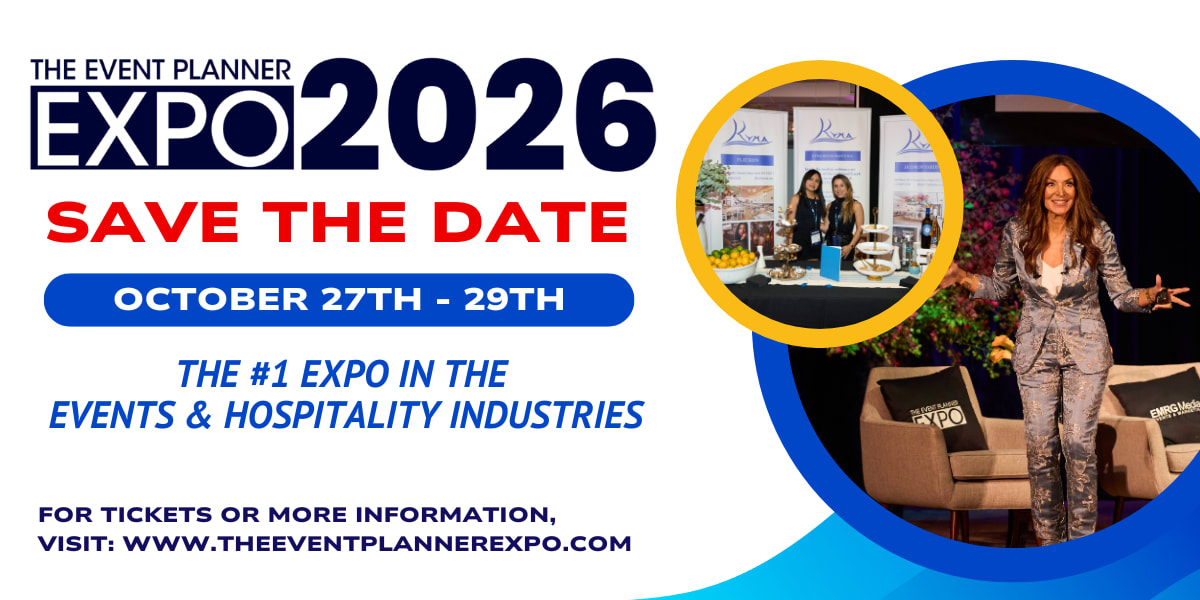
The Event Planner Expo 2026, October 27–29 in New York City, puts event planners in the room with industry professionals, potential partners, decision-makers, and new connections. Go ready to network, but have your follow-up plan ready, too.
Because collecting leads feels productive.
Following through is what gives them a chance to become clients.
Still need tickets? Get them here, and be sure to go All Access so you don’t miss Ed Mylet!
The post The Follow-Up Gap: Why Great Event Leads Go Cold After the First Conversation appeared first on The Event Planner Expo.