The Ultimate Guide: Marketing and Promotion in Event Management
There’s a palpable energy in a room full of engaged attendees—the buzz of conversation, the excitement of new connections, the shared focus on a powerful speaker. That atmosphere doesn’t happen by accident. It’s the direct result of a well-executed marketing strategy that attracted the right people and set the stage for a memorable experience. The difference between a quiet, half-empty venue and a vibrant, sold-out event almost always comes down to the plan you build beforehand. Effective marketing and promotion in event management is your tool for creating that energy, turning passive interest into active participation and ensuring your event delivers on its promise from start to finish.
Key Takeaways
- Define Your Audience First: Before you write a single post, get crystal clear on who your ideal attendee is. Understanding their goals and challenges is the key to crafting a message that resonates and ensures you attract the right people to your event.
- Create a Consistent, Multi-Channel Buzz: A successful promotion uses a strategic mix of email, social media, and partnerships to build excitement over time. Keep your messaging consistent across all platforms to build a strong, recognizable brand that gets people talking.
- Measure and Follow Up to Build for the Future: The work isn’t done when the doors close. Track key metrics to prove your event’s ROI and use post-event surveys and content to engage attendees, gather valuable feedback, and turn them into a loyal community for next year.
What Is Event Marketing and Promotion?
Event marketing is how you connect your event with the right people. It’s a two-sided coin: on one side, you’re using marketing tactics to tell everyone about your upcoming event. On the other, you’re using the event itself as a powerful platform to market your company, mission, or products. It’s the engine that drives awareness, ticket sales, and overall success. Without a solid marketing plan, even the most incredible event can go unnoticed.
It’s about creating a story that resonates with your target audience and makes them feel like they have to be there. This is where you build the foundation for a memorable experience that starts long before the doors open and continues long after they close. A great event marketing strategy ensures you not only fill the room but also achieve your broader business goals. You can learn more about how top-tier events create these unforgettable experiences and drive real results for attendees and exhibitors alike.
Marketing vs. Promotion: What’s the Difference?
People often use “marketing” and “promotion” interchangeably, but they aren’t the same thing. Think of it this way: marketing is your entire game plan, while promotion is one of the key plays you run. Promotion includes all the specific actions you take to advertise your event—like running social media ads, sending email blasts, and sharing press releases.
Marketing is the bigger picture. It covers everything from event branding and market research to analyzing data and measuring your results. Your promotional activities should always align with your overall marketing strategy to be effective.
Key Elements of Event Promotion
A successful promotional push doesn’t happen by accident; it requires a clear, structured approach. First, set specific goals. What do you want to achieve? Is it selling a certain number of tickets or attracting specific sponsors? Next, figure out where your target audience spends their time. Once you know your channels, get all your materials ready before you start promoting. This means having your keynote speakers confirmed and your messaging finalized. Then, you can start sharing teasers and information across your chosen channels. Finally, keep a close eye on your results and be ready to adjust your plan as you go.
Why Marketing Is Crucial for Your Event’s Success
You can plan the most incredible event in the world, with game-changing speakers and unparalleled networking opportunities, but if no one knows about it, your venue will be empty. That’s where marketing comes in. It’s not just about selling tickets; it’s the engine that drives your event’s entire lifecycle, from the first announcement to the final follow-up email. A strong marketing strategy is what transforms a great idea into a must-attend experience that generates buzz and delivers real business results.
Think of marketing as the bridge connecting your event to the people who need to be there. It’s how you communicate your event’s value, build a community, and create a sense of urgency that encourages people to register. Without a clear plan, you’re essentially hoping people will stumble upon your event by chance. But with strategic marketing, you take control of the narrative. You can carefully craft your message to attract the right attendees, secure valuable sponsorships, and build a reputation that carries you forward to your next event. It’s the foundation for creating memorable experiences and achieving your goals, whether that’s generating leads, increasing brand awareness, or driving sales.
Build Anticipation and Excitement
Long before the doors open, your marketing should be building a steady drumbeat of excitement. This is your chance to create a sense of FOMO (fear of missing out) and get people talking. A content marketing strategy focused on pre-event engagement is essential for building this momentum. Share behind-the-scenes glimpses of the planning process, announce your powerhouse speakers one by one, and release teaser content that hints at the value attendees will receive. By giving your audience a taste of what’s to come, you turn passive observers into eager participants who are counting down the days until your event.
Attract Your Ideal Attendees
Effective marketing isn’t about shouting your message to the largest possible crowd; it’s about whispering it to the right people. The success of your event depends on filling the room with attendees who will truly benefit from the experience and contribute to the atmosphere. This starts with understanding your audience on a deep level. Who are they? What are their professional challenges? What motivates them? When you know the answers, you can tailor your messaging and choose marketing channels that speak directly to them, ensuring your event attracts a high-quality audience that is engaged and ready to connect.
Maximize Your Return on Investment
Every event has goals, and marketing is the primary tool for achieving them. Whether you need to sell tickets, attract high-caliber sponsors, or generate qualified leads, a targeted marketing plan is what makes it happen. Companies invest a significant portion of their budgets into event marketing because it delivers tangible results. By tracking key metrics like ticket revenue, sponsorship dollars, and lead acquisition, you can directly measure your return on investment. This data not only proves your event’s success but also provides valuable insights to make your next one even more profitable.
How to Identify and Understand Your Target Audience
Before you send a single email or post on social media, you need to know exactly who you’re talking to. A successful event isn’t about getting the most people in the room; it’s about getting the right people in the room. When you deeply understand your ideal attendee, every marketing decision becomes easier and more effective. You’ll know which channels to use, what messages will resonate, and what value propositions will make them eager to register. This is the strategic work that happens long before you think about taglines or hashtags.
Identifying your target audience is the foundation of your entire promotional strategy. It prevents you from wasting time and money on marketing that doesn’t connect. Instead of shouting into the void, you can have meaningful conversations with the people who will benefit most from your event. This focused approach not only helps you sell more tickets but also ensures your attendees, sponsors, and exhibitors have a valuable experience, making them more likely to return year after year.
Segment Your Audience Effectively
The first step is to break down your potential market into smaller, more manageable groups. You can’t create a message that speaks to everyone, so don’t try. Instead, focus on specific segments. You might group people by industry, job title, company size, geographic location, or even their past interactions with your events. For example, are you targeting corporate event planners from Fortune 500 companies, or are you aiming for independent planners who specialize in weddings? Each group has different needs and pain points. Effective audience segmentation allows you to tailor your messaging, making each person feel like you’re speaking directly to them.
Find Behavioral Insights That Matter
Once you’ve segmented your audience, it’s time to dig into the “why.” What truly motivates someone to attend an event? For some, it’s the opportunity to network with industry peers. For others, it’s hearing from powerhouse keynote speakers or discovering innovative new vendors. Understanding these core drivers is essential. You can gather these insights through surveys, by analyzing data from past events, or by simply talking to people in your target market. When you know what your audience is looking for, you can highlight the specific aspects of your event that meet those needs, making your promotional efforts far more persuasive.
Create Detailed Attendee Personas
Now, bring your research to life by creating detailed attendee personas. A persona is a semi-fictional profile of your ideal attendee, complete with a name, job title, goals, challenges, and motivations. For example, you might create “Corporate Carla,” a senior marketing executive who needs to find new event technologies and is motivated by educational content that gives her a competitive edge. Or “Freelance Frank,” an independent planner looking to make connections that will lead to new clients. Creating two or three distinct attendee personas helps you visualize your audience, ensuring your marketing content, event programming, and overall experience are perfectly aligned with the people you want to attract.
Event Promotion Strategies That Actually Work
Once you know who you’re talking to, it’s time to get the word out. A great event promotion plan uses a mix of channels and tactics to build momentum and drive registrations. The key is to create a cohesive strategy where each element supports the others, ensuring your message reaches your ideal attendees wherever they are. Here are a few proven strategies to build a promotional plan that delivers results.
Use Digital Marketing Channels
Your digital marketing efforts are the foundation of your promotional plan. Start by sharing updates, speaker announcements, and behind-the-scenes content on social media platforms like LinkedIn, Instagram, and Facebook to engage your community. While organic posts are great for keeping your followers informed, don’t overlook the power of paid advertising. A targeted ad campaign can significantly expand your reach, connecting you with potential attendees who fit your ideal persona but aren’t yet following you. This approach gets your event in front of a highly relevant audience, making every dollar you spend more effective.
Develop a Content Marketing Plan
A strong content marketing strategy does more than just announce your event; it builds a narrative that gets people excited to attend. Think beyond simple “buy tickets” posts. Create valuable content that showcases the experience you’re offering. This could include blog posts with industry insights from your speakers, video interviews with key participants, or sneak peeks of the venue. By providing useful and engaging content, you establish your event as a must-attend affair. This approach not only drives ticket sales but also builds a community around your brand long before the doors open.
Find Strategic Partners and Collaborators
You don’t have to promote your event alone. Strategic partnerships can amplify your message and lend credibility to your event. Think about brands, organizations, or influencers who share your target audience. Event sponsorships are a classic example, providing both funding and access to the sponsor’s network. You can also collaborate with media partners for press coverage or work with your speakers to have them promote their sessions to their own followers. These collaborations create a powerful ripple effect, introducing your event to new audiences through trusted sources.
Don’t Forget Traditional Marketing Methods
While digital is dominant, traditional marketing still has its place. Securing media coverage through press releases and local outreach can generate significant buzz and build authority. It’s also worth your time to submit your event to relevant online calendars and event listing sites. People often check these platforms when actively looking for things to do, putting your event directly in their path. Integrating these methods with your digital strategy creates a well-rounded promotional campaign that covers all your bases and maximizes your visibility.
Using Social Media and Email to Promote Your Event
Social media and email are the one-two punch of modern event promotion. Think of them as your direct line to potential attendees, allowing you to build a community long before the doors open. While social media is perfect for creating buzz and engaging with a broad audience, email marketing lets you nurture leads with more personalized, direct communication. When used together, they create a powerful feedback loop: you can use social media to grow your email list and use email to drive deeper engagement on your social channels.
The key is to create a cohesive strategy where both channels work in harmony. Your messaging, branding, and tone should be consistent, whether someone is seeing an Instagram post or opening an email. This approach helps build brand recognition and trust. Instead of just blasting out promotional messages, focus on providing value. Share behind-the-scenes content, introduce your incredible speakers, and create conversations that get people excited. This isn’t just about selling tickets; it’s about building a vibrant community that feels connected to your event’s mission and can’t wait to be a part of the experience.
Tailor Your Social Media Strategy
Your social media plan shouldn’t be a one-size-fits-all approach. Start by identifying which platforms your ideal attendees use most. Corporate decision-makers and professionals are likely active on LinkedIn, while a more visual, creative crowd might be on Instagram. Create a unique and memorable hashtag for your event and use it in every post to centralize the conversation. Encourage your speakers, sponsors, and past attendees to use it, too. Keep your audience engaged by posting consistently with a mix of content, from speaker announcements to behind-the-scenes peeks. Don’t just post and ghost—respond to comments, answer questions, and make your followers feel seen and heard.
Craft a Pre-Event Email Sequence
A well-planned email sequence is your secret weapon for turning interest into registrations. Instead of sending random, one-off emails, map out a series of messages that build anticipation over time. Start with a big announcement, then follow up with emails that reveal speakers, highlight key sessions, and offer early-bird discounts. Segment your email list to send more relevant content. For example, you can send a special offer to past attendees or target a specific industry with sessions that match their interests. Each email should have a clear call to action, making it easy for subscribers to buy a ticket or learn more.
Create Content People Want to Share
The best promotion doesn’t feel like an advertisement. Focus on creating high-value content that your audience will genuinely want to share with their networks. This could be a blog post summarizing key industry trends, a short video interview with a keynote speaker, or an eye-catching infographic with compelling event stats. Think beyond static posts. Host a live Q&A with one of your featured speakers on Instagram or create interactive polls on LinkedIn to get people talking. When you provide content that educates, entertains, or inspires, you empower your audience to become your best marketers.
Use Personalization to Connect
Personalization is more than just adding a first name to your email subject line. It’s about making each potential attendee feel like you understand their specific needs and interests. Use the data you have to tailor your communications. Did someone attend a tech-focused breakout session last year? Send them an email highlighting the new tech exhibitors for this year’s event. This level of detail shows you’re paying attention and helps you build a genuine, long-term connection. By moving from a mass-marketing mindset to a personalized one, you treat attendees as valued community members, not just ticket numbers.
How to Handle Common Event Marketing Challenges
Even the most seasoned event planners run into challenges. From tight budgets to last-minute tech glitches, things can and do go wrong. The key isn’t avoiding problems altogether—it’s about anticipating them and having a solid plan in place. A proactive approach allows you to manage hurdles with confidence instead of reacting in a panic. Here’s how you can handle some of the most common event marketing hurdles and keep your event on track for success.
Work Within Your Budget
Rising costs and tight budgets are a reality for almost every event marketer. The best way to manage this is to create a clear and detailed event budget plan from the very beginning. Prioritize your spending on the elements that will have the biggest impact on your goals, whether that’s securing a keynote speaker or investing in targeted digital ads. Track every expense so you know exactly where your money is going. A limited budget can also be a great motivator for creativity, pushing you to focus on high-impact, low-cost strategies like organic social media engagement, content marketing, and building a strong email list.
Manage Staff and Resource Limits
Feeling like you don’t have enough hands on deck is a common problem, especially for smaller teams. To avoid being understaffed, talk to your key stakeholders early on to understand exactly what support they’ll need on the event days. Define clear roles and responsibilities for every team member to prevent overlap and confusion. You can also use technology to your advantage by automating repetitive tasks like sending email reminders or scheduling social media posts. This frees up your team to focus on more strategic work that requires a human touch, ensuring you get the most out of your limited resources.
Prepare for Technical Difficulties
From a faulty microphone to a Wi-Fi outage, technical failures can happen at the worst possible moments. The best defense is a good offense: have contingency plans in place for anything that might go wrong. Run a full tech rehearsal with all your equipment and speakers before the event begins. Have backup equipment ready to go, and make sure your team knows how to troubleshoot common issues. It’s also wise to have a plan for non-tech problems, like a last-minute speaker cancellation. Having a backup speaker on call or a pre-planned session to fill the slot can turn a potential disaster into a minor hiccup.
Stand Out in a Competitive Market
In a crowded market, it can be tough to make your event’s message heard. The first step is to define your unique value proposition. What makes your event different from all the others? Is it your lineup of powerhouse speakers, your exclusive networking opportunities, or your focus on a specific niche? Once you know what makes you special, ensure that message is clear and consistent across all your marketing channels, from your website copy to your social media posts. A strong, unified message will help you attract the right audience and build a brand that people remember long after the event is over.
Which Metrics Should You Track for Success?
Once your event is over, it’s easy to breathe a sigh of relief and move on. But if you want to grow, you need to look at the data. Measuring your event’s performance isn’t just about proving it was a success; it’s about understanding why it was a success and what you can do even better next time. Tracking the right metrics gives you concrete evidence to show stakeholders, justify your budget, and refine your strategy for future events. Think of it as your roadmap for improvement.
By focusing on a few key areas, you can get a clear picture of what worked and what didn’t. We’re not talking about getting lost in spreadsheets full of meaningless numbers. Instead, we’ll focus on the data that truly matters: how many people came, how engaged they were with your content, whether the event was financially sound, and what attendees really thought about the experience. These insights are the foundation for planning smarter, more impactful events year after year. At The Event Planner Expo, we rely on data to make sure every conference is more valuable than the last for our speakers, sponsors, and attendees.
Track Registrations and Attendance
The first and most straightforward metric is attendance. It’s essential to track not just how many people registered, but how many actually showed up. The difference between these two numbers gives you your attendee conversion rate, or “show-up rate.” A low rate might indicate that your pre-event communication wasn’t engaging enough to keep the excitement alive, or that there was a barrier to entry on the day of the event. A high rate, on the other hand, shows your marketing and follow-up efforts were effective. This simple comparison helps you understand the true reach of your event and provides a baseline for future goals.
Measure Engagement Across Channels
How much buzz did your event generate? Engagement metrics tell you how well your message resonated with your audience before, during, and after the event. Look at your social media channels: track likes, shares, comments, and the usage of your event hashtag. For email, monitor your open and click-through rates. These numbers are direct indicators of how interested people are in your content. Strong engagement shows that you’re not just reaching people, but you’re also connecting with them in a meaningful way. Using online tools to engage your audience effectively is key to building a community around your event.
Calculate Revenue and ROI
Events are an investment, and you need to know if that investment paid off. Start by calculating your total revenue from all sources, including ticket sales, sponsorships, and exhibitor fees. Then, compare that to your total expenses to determine your return on investment (ROI). But don’t stop there. For many events, a major goal is generating leads. Track how many new potential customers you acquired and their potential value to your business. This gives you a more complete picture of the event’s financial impact and helps justify the budget for your next one.
Analyze Post-Event Performance
The work isn’t done when the last guest leaves. This is your best opportunity to gather honest feedback and assess your overall performance. Send out post-event surveys to ask attendees what they loved and what could be improved. This direct feedback is invaluable. Internally, it’s also time for a final debrief. This involves everything from finishing up with staff and suppliers to reviewing the budget against actual spending. Combining attendee feedback with your team’s observations creates a powerful feedback loop that ensures your next event is even more successful.
How to Use Modern Trends in Your Event Promotion
The event landscape is always changing, and your promotion strategies should, too. Staying current with modern trends isn’t about chasing every new fad; it’s about using powerful tools and approaches to connect with your audience more effectively. By embracing new technologies and communication styles, you can create a marketing plan that feels fresh, relevant, and gets results. Here are a few key trends to focus on for your next event.
Market Your Hybrid Event
Offering both in-person and virtual attendance options is a fantastic way to grow your audience. A hybrid model removes common barriers like travel costs and scheduling conflicts, making your event accessible to a global audience. When promoting a hybrid event, make sure you market both experiences clearly. Your social media campaigns, email newsletters, and sponsor collaborations should highlight the unique benefits of attending in person and online. For example, you can showcase the networking opportunities available on-site while also promoting the flexibility and convenience of the virtual experience. This dual approach ensures everyone feels included and understands the value they’ll receive, no matter how they choose to attend.
Integrate the Right Technology
Your marketing and event management tools should work together seamlessly. Instead of juggling separate platforms for ticketing, email, and social media, consider an integrated event management platform. This approach centralizes your operations, allowing you to manage everything from initial promotion to day-of logistics and post-event reporting in one place. A unified system not only saves you time but also provides a smoother experience for your attendees. When everything is connected, it’s easier to track registrations, send automated reminders, and build a detailed event schedule that attendees can access easily, keeping them informed and engaged from the moment they sign up.
Use Data to Personalize Your Message
Generic, one-size-fits-all marketing messages rarely capture attention. The key to breaking through the noise is personalization. Use the data you have about your audience—past attendance, industry, interests—to tailor your communication. Segment your email lists to send highly relevant content. For instance, you can send a special message to past attendees with an exclusive “welcome back” offer or notify subscribers about speakers relevant to their specific industry. When you learn more about what your audience truly wants, you can craft messages that resonate on a personal level and drive registrations. This targeted approach shows you understand their needs and value their time.
Partner with Influencers and Use Attendee Content
Your most powerful marketing assets are often the people who already love your event. Partner with industry influencers, thought leaders, and even loyal past attendees who have an active social media presence. Their endorsement can provide powerful social proof and introduce your event to new, relevant audiences. The speakers at your event are often your best advocates. Also, encourage attendees to share their own content using a specific event hashtag. Reposting their photos and testimonials builds a sense of community and shows potential attendees what they’re missing. This user-generated content feels authentic and trustworthy, making it incredibly effective.
Common Event Marketing Mistakes to Avoid
Even the most seasoned event professionals can fall into common traps that undermine their marketing efforts. Knowing what these pitfalls are ahead of time is the best way to sidestep them. From starting too late to forgetting the follow-up, these mistakes can lead to empty seats and missed opportunities. The good news is that they are entirely avoidable with a bit of planning and foresight. Let’s walk through some of the most frequent missteps in event marketing and how you can ensure your strategy stays on track for a sold-out event. By focusing on a clear timeline, a specific audience, and consistent communication, you can build a campaign that generates real results.
Starting Your Promotion Too Late
One of the most critical errors you can make is waiting too long to start promoting your event. Building momentum takes time, and a last-minute marketing blitz rarely works. Even the most incredible event won’t succeed if no one knows about it. A well-timed promotional strategy ensures your audience knows the “what, when, where, and how,” giving them plenty of time to get excited and commit. Start your marketing efforts months in advance, especially for larger events like industry conferences. This gives you a long runway to build awareness, nurture leads, and convert interest into registrations. Create a detailed timeline and begin teasing announcements early to capture attention from day one.
Targeting an Audience That’s Too Broad
Trying to be everything to everyone is a surefire way to connect with no one. A common mistake is casting your marketing net too wide instead of focusing on a specific group of people. To be effective, you need to know exactly who you’re trying to reach. This involves market segmentation—dividing your potential audience into smaller, more defined groups. Who is your ideal attendee? What are their pain points? What motivates them to attend an event? By creating detailed attendee personas, you can tailor your messaging and promotional channels to resonate deeply with the people who will get the most value from your event, ensuring your marketing budget is spent effectively.
Forgetting Post-Event Follow-Up
The event might be over, but your marketing job isn’t. A huge missed opportunity is failing to engage with attendees after they’ve gone home. The connections and excitement generated during your event are valuable assets for future marketing. Your post-event strategy should include sending thank-you emails, sharing photo galleries and session recordings, and asking for feedback through surveys. This not only shows appreciation but also keeps the conversation going. Use the content and testimonials you gather to build social proof and promote your next event. Nurturing these relationships turns one-time attendees into a loyal community that will come back year after year.
Sending Inconsistent Messages
Your event’s message should be clear, compelling, and consistent across every channel. When your emails, social media posts, and website are all saying slightly different things, it creates confusion and weakens your brand. A frequent challenge is a lack of alignment between internal teams on what the core message should be. Before you launch your campaign, establish a clear brand voice and key talking points. Create a simple messaging guide that everyone involved in promotion can reference. This ensures that whether an attendee interacts with a Facebook ad, a partner email, or one of your keynote speakers, they receive a cohesive and professional experience that builds trust.
How to Create Your Event Marketing Timeline
A solid timeline is the backbone of any successful event marketing plan. It turns your strategy into a series of clear, manageable steps, ensuring you hit every promotional beat at just the right moment. Think of it as your roadmap from the initial announcement to the post-event thank-you email. Breaking down your marketing activities into phases—pre-launch, execution, final push, and follow-up—keeps your team aligned and your message consistent. This structured approach helps build momentum, drive registrations, and create an unforgettable experience long before the doors even open.
Plan Your Pre-Launch
Before you shout about your event from the rooftops, you need to get your story straight. This foundational phase is all about defining the core details that will shape your entire marketing campaign. Start by nailing down the essentials: your event’s name, its core purpose, and exactly who you want to attend. From there, you can establish your key performance indicators (KPIs) to measure success later on. This is also the time to get creative with your event’s theme, tagline, and brand colors. Getting these elements right ensures every piece of marketing material that follows is cohesive and compelling.
Execute Your Promotion Strategy
With your foundation set, it’s time to start building buzz. Begin sharing teasers and key information across all your planned channels. This is where you roll out your social media campaigns, complete with a unique event hashtag, and launch your email marketing efforts. Don’t just blast the same message to everyone; use your email tools to segment your lists and send targeted messages to different groups based on their interests. Announcing your powerhouse lineup of keynote speakers or sharing a sneak peek of the schedule can create a huge wave of early interest and drive initial registrations.
Make a Final Push
As your event date approaches, it’s time to ramp up the intensity. In the final weeks and days, your goal is to create a sense of urgency and excitement. Use countdowns, last-chance offers, and behind-the-scenes content to capture the attention of anyone still on the fence. Don’t stop promoting once the event begins; live-tweeting, sharing photos, and posting video clips can engage your virtual audience and create serious FOMO for next year. Throughout this phase, keep a close eye on your analytics. See which promotions are driving the most ticket sales and be ready to adjust your plan, putting more resources into what’s working.
Engage and Follow Up After the Event
Your marketing job isn’t over when the last guest leaves. The post-event phase is a golden opportunity to solidify relationships and build momentum for future events. Start by sending a thank-you email to all attendees, sponsors, and partners. Share high-quality photos, videos, and session recordings to keep the conversation going and provide lasting value. This is also the perfect time to request feedback through a survey to understand what attendees loved and what you can improve. Use this content and the connections you made to nurture your community and start teasing what’s next.
Related Articles
- event marketing strategies – The Event Planner Expo
- 10 Social Media Marketing Strategies for Your Events Business – The Event Planner Expo
- Strategies for Attracting and Retaining Event Sponsors in 2024 – The Event Planner Expo
- marketing strategy – The Event Planner Expo
- Maximize Event Reach with Online Advertising Strategies | The Event Planner Expo
Frequently Asked Questions
When is the best time to start marketing my event? There’s no single magic number, but a good rule of thumb for a large conference is to start your promotional efforts at least four to six months in advance. This gives you enough time to build a steady drumbeat of excitement, from early-bird announcements to speaker reveals, without overwhelming your audience. The goal is to create a long runway for awareness and give people plenty of time to fit your event into their schedules and budgets.
My marketing budget is tight. What are the most effective low-cost strategies? If your budget is limited, focus your energy on efforts that deliver the most impact for the lowest cost. Your email list is your most valuable asset, so concentrate on growing it and sending out valuable, engaging content. You should also lean into organic social media by creating shareable content like speaker interviews or behind-the-scenes videos. Finally, don’t underestimate the power of strategic partnerships with speakers or sponsors who can promote the event to their own networks.
How can I convince my speakers and sponsors to help with promotion? The key is to make it incredibly easy for them. Prepare a simple promotional kit that includes everything they need: pre-written social media posts, high-quality graphics, key event details, and your official hashtag. You can also provide them with a unique discount code to share with their followers. When you do the heavy lifting for them, they are far more likely to share and become some of your most effective advocates.
With so much data, which success metric is the most important to focus on? The most important metric really depends on your event’s primary goal. If your main objective is to make a profit, then your return on investment (ROI) is king. However, if your goal is to build brand awareness, you should focus more on social media engagement and press mentions. For lead generation, the number of qualified leads captured is your key metric. Start by defining what success looks like for you, and then choose the one or two metrics that best reflect that goal.
What’s the first step in identifying my target audience if I’m starting from scratch? If you don’t have data from past events, start by looking at the audiences of similar, successful events in your industry. See who is attending, what their job titles are, and what they’re talking about online. You can also create a simple profile of your ideal attendee. Think about their professional challenges and what they would hope to gain from your event. This initial sketch will give you a clear direction for all your marketing messages.
Marketing Magic to Booth Domination: Get Seen by the Planners Who Actually Book You!
You now have the complete event marketing playbook: laser-focused audience targeting, multi-channel buzz that actually builds FOMO, content people can’t stop sharing, data that proves ROI, and post-event follow-up that turns one-time attendees into lifelong fans. No more guessing, no more half-empty rooms, no more events that feel amazing but deliver zero business results.
The only thing left? Put your own marketing skills on display where the exact planners you want to work with are walking the floor, comparing options, and making shortlists for their next events.
Your next long-term client could be walking the floor right now, comparing options and making shortlists. Make sure your brand is part of that conversation.
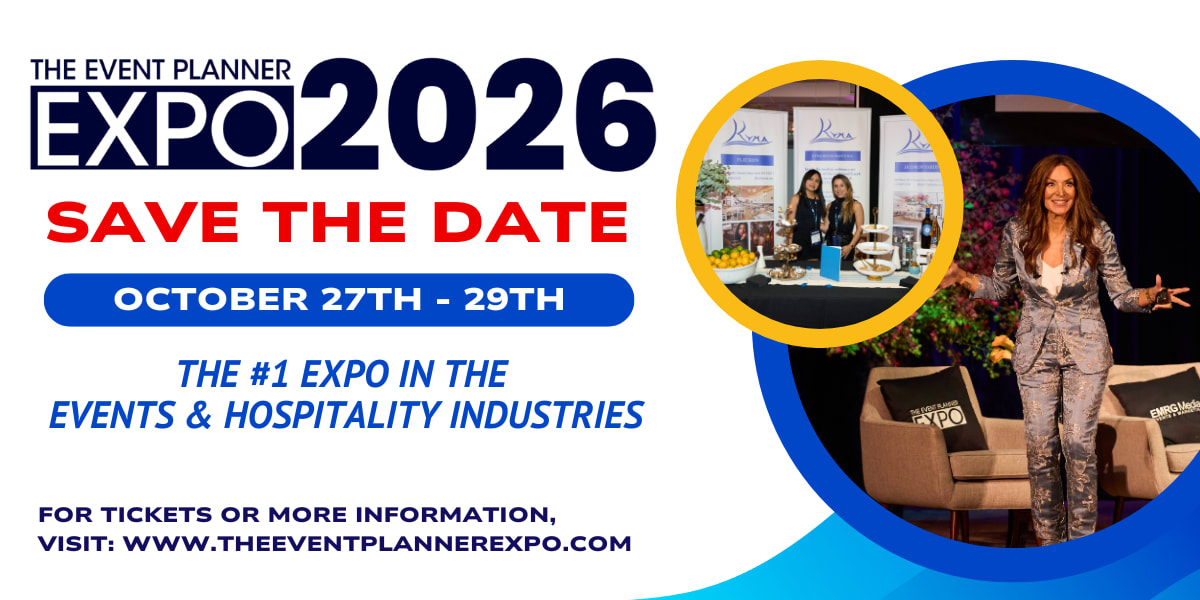
Reserve your booth to showcase your brand at The Event Planner Expo and turn exposure into opportunity.