Event Management and PR: A Powerful Combination
It’s a common mistake to treat event planning and public relations as two separate functions handled by different teams. The event team focuses on venues and vendors, while the PR team focuses on press releases and pitches. The result? A beautifully executed event that no one hears about, or a PR push with no real story to back it up. The most impactful brand moments happen when these two worlds collide. When you master the art of combining event management and PR, you create a cohesive experience that captivates your audience and generates authentic excitement, turning a simple gathering into a major brand statement.
Key Takeaways
- Integrate PR into Your Event from Day One: Don’t treat public relations as an afterthought. Weave your PR objectives and messaging into the event planning process from the very beginning to create a cohesive brand story that generates authentic buzz.
- Set Specific PR Goals to Measure Real Impact: Move beyond vague objectives like “raising awareness.” Define clear, measurable KPIs—such as media placements, social media sentiment, or qualified leads—to prove your event’s value and justify its budget.
- Capitalize on Post-Event Momentum: The work isn’t over when the guests leave. Use strategic follow-ups and a thorough data analysis to solidify new relationships, reinforce your message, and gather insights that will make your next event even more successful.
How Do Event Management and Public Relations Work Together?
Think of event management and public relations as two sides of the same coin. While they are distinct disciplines, they are most powerful when they work in sync. Event management builds the stage, and public relations shines the spotlight on it, making sure the right people are in the audience. A flawlessly executed event can fall flat without a PR strategy to build buzz and attract attendees. Likewise, a brilliant PR campaign needs a compelling story to share—and that’s often an event. When you align these two functions, you create a powerful engine for building your brand, engaging your audience, and achieving your business goals. This synergy is where the real magic happens, turning a simple gathering into a headline-worthy experience that drives results.
What is Event Management?
At its core, event management is the art and science of bringing a vision to life. It involves the meticulous planning, coordination, and execution of events to meet specific objectives. This is the logistical backbone of any gathering, whether it’s a massive industry conference like The Event Planner Expo, an intimate product launch, or a corporate gala. Event managers are the masters of detail, handling everything from budgeting and venue selection to vendor negotiations and on-site logistics. Their job is to ensure every element runs smoothly, creating a seamless and memorable experience for attendees from the moment they arrive until the last guest leaves.
What is Public Relations?
Public relations is all about reputation. The main goal of PR is to build and maintain a positive relationship between an organization and its public, which includes customers, investors, employees, and the media. PR professionals are expert storytellers who shape public perception and manage communications to build trust and credibility. They do this through media relations, press releases, social media campaigns, and strategic messaging. A strong PR strategy ensures your brand’s message is heard, understood, and well-received. This is essential for attracting not just attendees, but also the high-profile sponsors who can add significant value to your event.
Where Events and PR Meet
Events are one of the most effective tools in a PR professional’s arsenal. They provide the perfect platform to tell a brand’s story in a tangible, experiential way. A well-planned event creates something newsworthy for the public and media to talk about, generating organic buzz that a simple press release can’t match. This is where the two fields merge. A PR event is specifically designed to showcase a company, product, or service to attract customers and media attention. By working together, event managers execute the flawless experience while PR professionals ensure that experience—and the world-class exhibitors involved—reaches the widest, most relevant audience possible.
How Can Events Improve Your PR?
Events are one of the most powerful tools in your public relations toolkit. They move your brand from a two-dimensional concept on a screen into a three-dimensional, interactive experience. When you host or participate in an event, you’re not just gathering people in a room; you’re creating a controlled environment where you can shape perceptions, tell your story, and build genuine connections. It’s a chance to show your audience who you are, rather than just telling them.
A strategic event can achieve multiple PR objectives at once. It can make your brand more visible, build a positive image, attract valuable partners, and even introduce new products to an engaged audience. Think of it as a live-action press release that people can see, touch, and feel. By bringing your community together, you create a focal point for conversation and media attention. The energy and excitement generated can ripple outward, reaching a much wider audience than the people physically present. At The Event Planner Expo, you can connect with world-class exhibitors and learn from top-tier speakers who understand how to create these impactful moments.
Create Memorable Brand Experiences
An event is your opportunity to bring your brand’s personality to life. It’s where your audience can step into your world and experience your values firsthand. Instead of just reading about your company culture or mission, they can feel it in the atmosphere, see it in the decor, and hear it from your team. This kind of immersive experience creates a strong emotional connection that a digital ad or social media post simply can’t replicate. Whether you’re launching a new product or celebrating a milestone, an event makes your brand tangible and, most importantly, memorable.
Generate Media Coverage and Buzz
A well-planned event is inherently newsworthy. It gives journalists, influencers, and bloggers a compelling reason to talk about your brand. By creating a unique experience, featuring influential guests, or making a significant announcement, you provide the media with fresh content for their audiences. Securing high-profile media coverage can help you reach your business goals and stand out in a crowded market. The buzz generated before, during, and after your event can significantly extend its reach, turning a one-day gathering into a weeks-long conversation that puts your brand in the spotlight.
Build Stronger Relationships
Public relations is all about managing reputation and building relationships, and events provide the perfect setting for both. They offer valuable face-to-face time with customers, partners, investors, and the media. Shaking hands and having a real conversation builds a level of trust and rapport that emails and phone calls can’t match. These personal interactions help you understand your stakeholders on a deeper level and turn casual contacts into loyal brand advocates. Events create a shared experience that strengthens your community and fosters long-term connections.
Amplify Your Brand Message
Your event is a stage to broadcast your core message loud and clear. Every element, from the keynote speeches to the breakout sessions, can be designed to reinforce what your brand stands for. It’s a chance to guide the narrative and ensure your story is told exactly the way you want. By blending traditional media outreach with innovative digital tactics, you can create a cohesive campaign that resonates with a broad audience. Live-streaming sessions, sharing behind-the-scenes content, and encouraging user-generated posts all help amplify your message far beyond the venue walls.
What Makes a PR Event Successful?
A successful PR event is more than just a great party with good lighting and an open bar. It’s a strategic tool designed to shape perception, build relationships, and generate buzz. While a flawless guest experience is crucial, the real success is measured by what happens after the event ends. Did you get the media placements you wanted? Did you connect with the right influencers? Did you change how people see your brand? This is where the real value lies—in tangible outcomes that move your business forward.
The difference between a forgettable function and a game-changing PR event comes down to a solid foundation built on four key pillars: clear goals, a deep understanding of your audience, smart budgeting, and seamless coordination. Mastering these fundamentals is what separates the amateurs from the pros. The industry leaders you see speaking at The Event Planner Expo have built their careers on executing these elements perfectly, turning simple gatherings into powerful brand statements. Let’s break down how you can do the same and ensure your next event delivers measurable results.
Set Clear PR Goals
Before you book a venue or send a single invitation, you need to define what success looks like. Always know what you’re promoting, who you’re trying to reach, and why you’re holding the event. Are you launching a new product and aiming for 20 unique media mentions? Are you trying to reposition your brand and need to build relationships with key industry analysts? Or maybe you’re managing a crisis and need to restore public trust. Your goals will guide every decision you make, from the guest list to the messaging. Vague objectives like “generating buzz” aren’t enough. Get specific and set measurable KPIs so you can prove your event’s ROI later.
Know Your Target Audience
Once you know your “why,” you need to focus on your “who.” Who do you need in that room to achieve your goals? Figure out who you want to come to your event. What do they like? What makes them want to buy your product or attend? Understanding your audience is about more than just demographics; it’s about psychographics. What are their interests? What kind of experiences do they value? This insight will help you create an event they genuinely want to attend. The right atmosphere, entertainment, and even catering can make all the difference in making your guests feel seen and valued, which in turn makes them more receptive to your message.
Plan Your Budget and Resources
Let’s talk money. PR events can be expensive, so you need a detailed budget from the start. Plan how much money you’ll spend, and be realistic. These events often require significant investment in promotion, media outreach, and special guests, on top of standard costs like the venue, food, and security. Your budget is your roadmap. It helps you allocate funds effectively to the areas that will have the biggest impact on your PR goals. If media coverage is your top priority, you might allocate more funds to creating a press-worthy moment or providing top-tier press kits and experiences for journalists.
Coordinate Your Timeline and Team
A great strategy is nothing without flawless execution, and that requires meticulous planning. Decide when everything needs to happen, from the initial planning stages to the day of the event and post-event follow-up. Create a master timeline with key deadlines and assign clear roles and responsibilities to every member of your team. Everyone should know exactly what they are responsible for and when it needs to be done. This level of coordination ensures a smooth, professional execution, which is critical for a PR event where your brand’s reputation is on full display. A well-run event reflects a well-run company.
Strategies for Engaging Your Audience
An engaged audience is the lifeblood of a successful PR event. When attendees are actively participating instead of passively observing, they form a stronger connection with your brand. This transforms them from simple guests into enthusiastic advocates who will share their positive experiences long after the event ends. The key is to create an environment that invites interaction and makes participation feel natural and rewarding. These strategies move beyond simple presentations to build a dynamic, two-way conversation with your audience.
Use Interactive and Immersive Tech
Technology can be a powerful tool for creating unforgettable moments. Think beyond basic registration software and consider how you can build an immersive environment. Interactive touch screens, virtual reality (VR) stations, or augmented reality (AR) experiences can captivate your audience and give them something exciting to talk about. The right event technology helps you manage logistics while also providing a truly engaging experience for attendees. When you give people a novel way to interact with your brand, you create a memory that sticks and generates organic buzz.
Incorporate Live Polls and Q&As
Make your audience part of the show by giving them a voice. Live polls and Q&A sessions are fantastic for breaking down the barrier between the speaker and the attendees. Using an event app or a simple tool like Slido, you can ask questions, gather real-time feedback, and let guests submit their own questions for panelists. This simple act of inclusion makes people feel valued and heard. It also provides you with valuable insights into what your audience is thinking, turning a one-way presentation into a dynamic, collaborative conversation.
Add Gamification and Contests
A little friendly competition can go a long way. Gamification involves adding game-like elements to your event to encourage participation and specific behaviors. You could create a digital scavenger hunt that guides attendees to different exhibitor booths, or set up a leaderboard that tracks social media engagement. Offering prizes for the most active participants adds an extra layer of motivation. These activities create a fun, energetic atmosphere and are a great way to ensure your guests explore everything your event has to offer, all while generating excitement.
Integrate Social Media and Hashtags
Extend your event’s reach far beyond the venue walls by making social media a core part of the experience. Create a short, unique, and memorable event hashtag and promote it everywhere—on screens, in print materials, and from the stage. Set up Instagram-worthy photo booths or a live social media wall that displays posts using your hashtag. By encouraging attendees to share their experiences online, you empower them to become your brand storytellers. This user-generated content provides authentic promotion and helps you integrate social media directly into your PR strategy.
How to Measure the Success of Your PR Event
After the last guest leaves and the cleanup crew arrives, your work isn’t over. The real test of a successful PR event lies in the data. Measuring your event’s performance is how you prove its value, justify your budget, and get smarter for the next one. It’s about moving beyond gut feelings and focusing on concrete results that show the impact on your brand and business goals. Let’s break down the key metrics you should be tracking to get a full picture of your event’s success.
Track Attendance and Engagement
Attendance is more than just a headcount; it’s your first indicator of success. Comparing your RSVPs to the actual number of attendees shows how effective your pre-event marketing was. But don’t stop there. Look at engagement during the event. How long did people stay? Did they participate in Q&As or interactive sessions? High attendance and active participation signal that you successfully captured your audience’s interest. This data is invaluable for understanding who your audience is and what kind of content truly connects with them, helping you plan even better future events.
Analyze Media Coverage and Sentiment
The buzz your event creates is a powerful measure of its reach. Start by tracking all media mentions, from articles in major publications to features on industry blogs. But quantity is only half the story. You also need to analyze the sentiment of the coverage. Was the press positive and enthusiastic, or was it neutral or critical? Positive media coverage directly enhances your brand’s reputation and credibility. Using media monitoring tools can help you gather this information efficiently, giving you a clear view of how the public perceives your brand after the event.
Monitor Social Media Reach
Social media offers a real-time pulse on your event’s impact. The key is to monitor metrics that show both reach and engagement. Track the usage of your event hashtag, the number of shares and likes your posts received, and the overall impressions across platforms. This gives you a clear picture of your event’s online footprint. Pay special attention to user-generated content—when attendees are excited enough to post their own photos and videos, you know you’ve created a memorable experience. This organic buzz is one of the most authentic and powerful forms of promotion you can get.
Measure Leads and New Relationships
Ultimately, a PR event needs to contribute to your business objectives. This is where you measure the tangible return on your investment. Track the number of qualified leads generated, sales meetings scheduled, and new partnerships formed as a direct result of your event. Can you connect a spike in sales or inquiries to your event’s timeline? These are the metrics that demonstrate clear business impact. Presenting this data to stakeholders proves the event’s value and helps secure budget for future initiatives, connecting your efforts directly to the company’s business growth.
Overcoming Common Event & PR Challenges
Even the most seasoned professionals run into roadblocks when merging event management and public relations. The key isn’t to avoid challenges altogether—it’s to anticipate them and have a solid plan in place. From mismatched goals to last-minute emergencies, a proactive approach will keep your strategy on track and your stress levels down. By understanding the common pitfalls, you can build a more resilient plan that ensures both your event and your PR campaign deliver outstanding results. Let’s walk through some of the most frequent hurdles and how you can clear them with confidence.
Misaligned Goals and Poor Communication
It’s easy for wires to get crossed when your event team is focused on logistics and your PR team is focused on messaging. Companies often confuse the roles, but an event management agency is zeroed in on planning and execution for a specific date, while a PR agency manages long-term reputation. To fix this, hold a joint kickoff meeting before any major planning begins. Use this time to define clear roles, establish shared KPIs, and create a unified brief that outlines what success looks like for everyone. This simple step ensures both teams are working toward the same finish line from day one.
Budget and Resource Constraints
A successful PR event requires more than just a budget for a venue and catering. You also need to account for PR-specific costs like media outreach, influencer partnerships, press kits, and creating that perfect photo opportunity. These expenses can add up quickly if they aren’t planned for. Create a detailed, line-item budget that separates event production costs from PR and promotional expenses. This clarity helps you allocate funds effectively and make smart decisions about where to invest. If resources are tight, prioritize the elements that will have the biggest impact on your PR event planning goals.
Tight Timelines and Lack of Contingency Plans
In the world of events, if something can go wrong, it often will. A tight timeline without any room for error is a recipe for disaster. The solution is to always build buffer time into your project plan and, most importantly, have backup plans. Don’t just have a vague “Plan B.” Actively brainstorm potential issues—a keynote speaker cancels, the Wi-Fi goes down, a storm rolls in—and document a specific response for each scenario. Having a clear contingency plan ready to go means you can handle hiccups smoothly without derailing the entire event and maintain a professional front for your attendees and the media.
Conflicting Stakeholder Expectations
Your event has many stakeholders: company executives, sponsors, partners, and attendees. Each group has its own definition of success, and managing these expectations is critical. A sponsor might want lead generation, while an executive is focused on brand image. Start by identifying every stakeholder and their primary goals for the event. Communicate with them early and often, providing regular updates on progress. Being transparent about what’s achievable helps align everyone’s expectations and fosters a collaborative environment, which is a hallmark of successful campaigns.
Tools to Connect Your Event and PR Efforts
To truly sync your event and PR strategies, you need the right tech stack. The right tools don’t just make your life easier; they create a seamless flow of information between your teams and your audience. From planning and promotion to execution and analysis, these platforms are essential for creating a cohesive brand experience and proving your event’s impact. Here are the key types of tools that will help you connect your efforts.
Integrated Event Management Platforms
Think of this as your event’s central nervous system. Integrated event management software handles everything from registration and ticketing to attendee check-in and session scheduling. When the logistics run smoothly, it creates a positive experience that attendees will remember and share. A seamless check-in process, instant badge printing, and real-time updates via a mobile app all contribute to a professional atmosphere. This operational excellence is a PR asset, as it ensures the story is about your brand’s message, not about long lines or technical glitches.
Social Media Management Tools
Your event doesn’t just happen within the venue walls; it lives online. Social media management tools like Hootsuite or Sprout Social are critical for managing this digital conversation. Your PR team can use them to schedule promotional content leading up to the event, monitor brand mentions and relevant hashtags in real-time, and engage directly with attendees. After the event, these platforms provide detailed analytics on reach, engagement, and sentiment, giving you concrete data on the social media buzz you generated. This allows you to streamline your PR workflows and keep your messaging consistent across all channels.
Email and Media Outreach Platforms
Effective communication is at the heart of public relations, and specialized platforms are essential for managing it at scale. Tools like Cision, Muck Rack, or Meltwater help your PR team build media lists, distribute press releases, and send personalized pitches to journalists and influencers. For attendee communication, email marketing platforms allow you to send targeted updates, reminders, and post-event follow-ups. The ability to segment your audiences—from VIP guests to media contacts—and track engagement ensures your message reaches the right people at the right time, making your PR tool integration a core part of your strategy.
Analytics and Performance Trackers
How do you prove your event was a PR success? With data. Analytics and performance trackers are essential for measuring your impact. These tools monitor media mentions, track the sentiment of coverage, and measure your share of voice in the industry conversation. You can also use them to track website traffic from event-related promotions and monitor social media engagement metrics. By gathering this quantitative data, you can clearly demonstrate the event’s ROI in terms of brand awareness, media value, and audience growth. This is the event technology that turns great experiences into measurable business results.
How to Successfully Integrate Your Event and PR Strategies
Bringing your event and public relations strategies together is about more than just sending a press release before your event. A truly successful integration means your teams are working in sync from the very beginning, creating a unified experience that resonates long after the last guest has left. When your event logistics and your public relations narrative support each other, you create a powerful feedback loop that generates buzz, builds relationships, and delivers measurable results. This alignment ensures every element, from the initial invitation to the post-event follow-up, tells the same compelling story. By focusing on collaboration, consistent messaging, and thoughtful analysis, you can turn any event into a cornerstone of your brand’s public image. Here are four key strategies to make that happen.
Encourage Team Collaboration
Your event and PR teams should not operate in separate worlds. True integration starts with breaking down silos and establishing a single, unified team with shared goals. From the earliest planning stages, both teams need a seat at the table to align on objectives, key messages, and target audiences. This ensures that the event’s structure supports the PR narrative and that the PR efforts accurately reflect the event experience. Using shared project management tools can be a game-changer, creating a central hub for timelines, tasks, and communication. As one expert notes, “Event planning apps are invaluable tools for planners and organizers… to streamline the planning process,” and this is especially true when coordinating between different departments. When everyone is on the same page, you can move quickly and cohesively.
Maintain Consistent Brand Messaging
Your event is a living, breathing extension of your brand. That’s why your messaging must be consistent across every touchpoint, from the initial media pitch to the signage at the venue. This consistency builds trust and reinforces your brand identity. Successful integrated public relations campaigns blend “traditional media strategies with innovative digital tactics to create cohesive and engaging experiences.” Your event should be the centerpiece of this experience. The language used in your press releases, social media updates, email invitations, and speaker introductions should all echo the same core themes and value propositions. This creates a seamless narrative that helps your audience understand who you are and what you stand for, making your brand more memorable and impactful.
Follow Up After the Event
The conversation doesn’t end when the event is over. In fact, the post-event period is a critical opportunity to solidify the relationships and goodwill you’ve generated. A strategic follow-up plan is essential for capitalizing on your event’s momentum. This includes sending personalized thank-you messages to attendees, speakers, sponsors, and media contacts. It also means sharing valuable post-event content, like photo galleries, session recordings, and key takeaways. Leveraging technology can make this process smoother and more effective. For instance, an event technology manager can help you use interactive tools to gather feedback and maintain engagement, ensuring your event leaves a lasting positive impression and provides a foundation for future communication.
Analyze and Refine Your Strategy
To ensure your integrated strategy continues to improve, you need to measure what worked and what didn’t. After each event, bring your event and PR teams together to conduct a thorough post-mortem analysis. Look at a combination of metrics: event attendance, audience engagement, media mentions, social media reach, sentiment analysis, and lead generation. Understanding the “why” behind your results is crucial. As highlighted in successful public affairs strategies, success is often attributed to a combination of tactics and reputation. By digging into your data, you can identify which elements of your strategy had the biggest impact. These insights will become the foundation for refining your approach and making your next event even more successful.
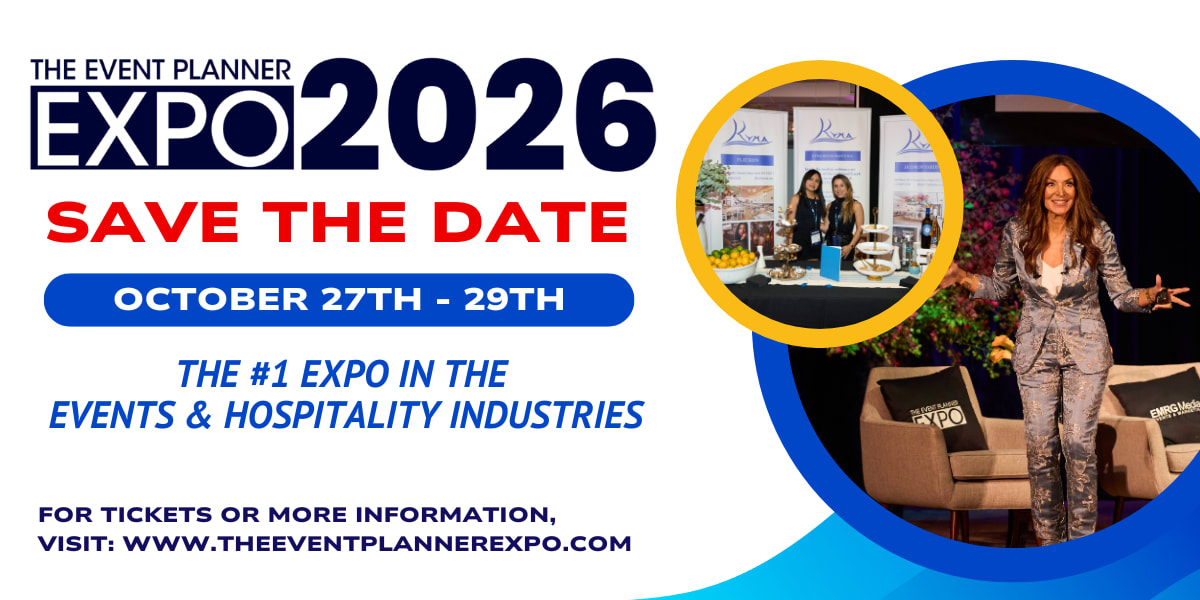
If you’re serious about positioning your brand in front of decision-makers who value this level of thinking, reserve your exhibitor booth at The Event Planner Expo 2026. Claim your exhibitor space for The Event Planner Expo 2026.
Frequently Asked Questions
What’s the very first step I should take to combine my event and PR efforts? Before you book a venue or draft a press release, get your event and PR teams in the same room for a kickoff meeting. The single most important step is to agree on one primary goal for the event. Is it to generate media coverage for a new product? To build relationships with key industry influencers? When both teams are aligned on the same definition of success from day one, every decision that follows—from the guest list to the decor—will be more strategic and effective.
How is a PR event different from a regular marketing event? The main difference comes down to the primary goal. A marketing event is often focused on generating direct leads or sales. Its success is measured in clear, quantifiable business conversions. A PR event, on the other hand, is designed to shape public perception and build relationships. Its goal is to generate positive media coverage, strengthen your brand’s reputation, and tell your company’s story. While it can certainly lead to new business, its immediate focus is on building credibility and buzz.
My budget is limited. Should I prioritize the guest experience or the media outreach? This is a classic challenge, but it’s a bit of a false choice because one can’t succeed without the other. A fantastic event that no one hears about is a missed opportunity, and a huge media push for a lackluster event can backfire. If your budget is tight, it’s better to scale both elements down together. Instead of a huge, elaborate party, create a smaller, more intimate gathering with one incredible, “wow” moment. This gives your guests a memorable experience and provides your PR team with a compelling, newsworthy angle to pitch.
How can I make sure my event is actually newsworthy? Journalists and influencers are invited to events all the time, so you need a strong “hook” to cut through the noise. A newsworthy event offers something exclusive, timely, or unique. This could be a major company announcement, the launch of a groundbreaking product, the release of new industry data, or a panel with high-profile speakers. Think about what story you are giving the media to tell. A free bar and good music aren’t a story; a genuine point of interest is.
What’s the most important metric to track to prove my PR event was a success? The most important metric is the one that ties directly back to the specific goal you set at the very beginning. If your goal was to increase brand awareness, then you should focus on media mentions, social media reach, and website traffic. If the goal was to establish your CEO as a thought leader, you’d track secured interviews or quotes in top-tier publications. Don’t get lost in a sea of data; focus on the one or two key performance indicators that clearly demonstrate you achieved what you set out to do.
Get your tickets to The Event Planner Expo 2026 and start building relationships with the NYC venues, guests can’t stop talking about.