5 Top Conferences for Corporate Event Managers
Walking into a massive expo hall can be both exhilarating and overwhelming. Without a clear strategy, it’s easy to get lost in the crowd, collecting brochures but missing out on the meaningful connections and insights you came for. To make your investment count, you need a game plan. This guide is your playbook for transforming a busy conference trip into a pivotal moment for your career. We’ll cover everything from setting clear goals before you go to choosing the right sessions and following up effectively. The first step is finding the right event, and we’ll help you identify the ideal conference for corporate event managers to achieve your specific professional objectives.
Key Takeaways
- Define your goals before you go: A successful conference experience starts with a clear plan. Identify your top objectives, whether it’s finding new vendors or mastering a specific skill, and use them to guide your session choices and networking efforts.
- Prioritize quality connections over quantity: Instead of trying to meet everyone, focus on building a few genuine relationships. Ask meaningful questions, listen actively, and follow up with a personalized note to transform a simple handshake into a lasting professional contact.
- Put your new knowledge into practice immediately: The real return on investment comes from applying what you learned. Schedule a debrief with your team, share your key takeaways, and commit to implementing at least one new strategy or tool within the first week back.
What Makes a Conference a Must-Attend?
With so many professional events to choose from, how do you decide which ones are truly worth your time and budget? A must-attend conference is more than just a few days out of the office. It’s an investment in your career that pays dividends through new skills, powerful connections, and fresh inspiration. The best events are carefully designed to deliver tangible value, leaving you with actionable strategies you can implement right away.
It all comes down to two key factors: the fundamental features of the event and the relevance of its content. A great conference excels in both, creating an experience that helps you grow professionally and stay ahead in a dynamic industry. Let’s look at what separates a good conference from a game-changing one.
Key Features of a Great Conference
A top-tier conference provides a platform for professional growth that you can’t get anywhere else. It’s where you can learn directly from powerhouse speakers who are shaping the future of the industry. These events are also designed to help you stay current with the latest trends and technologies, giving you a competitive edge. Beyond the educational sessions, the real magic often happens in the connections you make. You get the chance to meet like-minded peers, share challenges and solutions, and build a network of contacts you can rely on for years to come. Plus, a vibrant expo floor introduces you to innovative exhibitors and potential partners who can help you execute your next event flawlessly.
The Importance of Industry-Specific Content
General business advice is fine, but as an event professional, you need content that speaks your language. The best conferences offer a schedule packed with sessions tailored to the specific challenges and opportunities you face every day. Whether it’s mastering event marketing, managing complex budgets, or incorporating sustainable practices, industry-specific content ensures you walk away with practical, relevant knowledge. When a conference agenda addresses the nuances of your role, you’re not just learning theories; you’re gaining actionable strategies. This focus allows you to connect with peers who truly understand your world, leading to more meaningful conversations and collaborations that can directly impact your work and career trajectory.
Top Conferences for Corporate Event Managers
Choosing the right conference can be a game-changer for your career. It’s where you discover fresh ideas, meet potential partners, and get re-energized for the year ahead. But with so many options, how do you pick the one that’s truly worth your time and investment? I’ve put together a list of the top conferences that consistently deliver for corporate event managers. These events are known for their powerful speaker lineups, incredible networking opportunities, and content that addresses the real-world challenges you face every day. Let’s find the perfect fit for you.
The Event Planner Expo
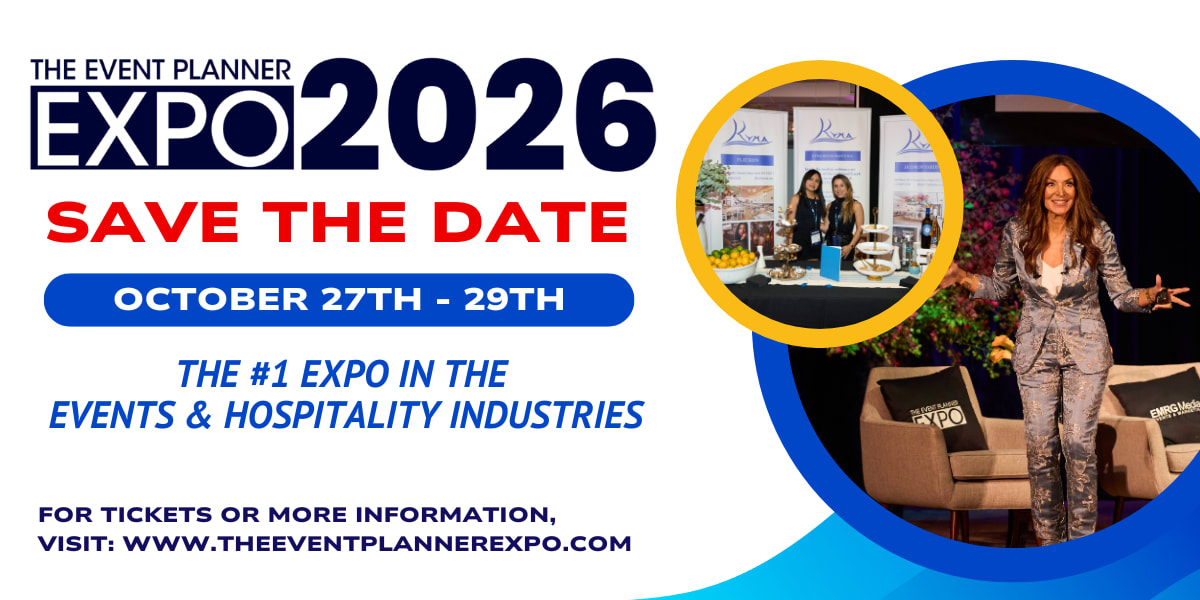
If you want to be at the center of the action, The Event Planner Expo is the place to be. Held in New York City from October 27th to 29th, this event is a powerhouse gathering for the events, marketing, and hospitality industries. With over 2,500 attendees and more than 50 speakers, it’s an unmatched opportunity to connect with decision-makers and top brands. The expo floor is always buzzing with innovation, and the educational sessions are led by true titans of business and marketing. It’s the perfect environment to forge game-changing partnerships, learn new strategies, and get inspired by the best in the business.
PCMA Convening Leaders
For those in leadership roles, PCMA Convening Leaders is a must. Taking place in Philadelphia from January 11-14, 2026, this conference is designed specifically for leaders within the business events world. The focus here is on high-level learning and strategic networking. You’ll find workshops and sessions filled with innovative ideas that you can directly apply to your own event strategies and execution. It’s less about the basics and more about the future of the industry. It’s a key event for anyone looking to sharpen their leadership skills and stay ahead of the curve in a competitive market.
MPI World Education Congress
Ready for a conference experience that feels different? The MPI World Education Congress, happening in San Antonio from June 2-4, 2026, breaks the mold with its “festival-inspired” approach. This event is all about interactive learning and creating genuine connections. Instead of sitting in stuffy rooms all day, you can explore various learning tracks on topics ranging from leadership to creativity. This format encourages you to customize your experience and engage with content in a more dynamic way. It’s an excellent choice for corporate event managers who want to improve their planning skills through hands-on programs and find fresh, creative inspiration for their own events.
Cvent CONNECT
If technology is a key part of your role, Cvent CONNECT should be on your calendar. Scheduled for July 13-16, 2026, in Nashville, this conference is the go-to event for everything related to event tech. It’s designed for professionals across meetings, events, and hospitality who want to get hands-on training with the latest tools. Cvent CONNECT is widely recognized as one of the top conferences for learning about new trends and software that can streamline your workflow and enhance your events. You’ll leave with practical skills and a clear understanding of how technology can solve your biggest event management challenges.
ASAE Annual Meeting & Exposition
For corporate event managers who work with or for associations, the ASAE Annual Meeting & Exposition is an invaluable resource. Taking place in Indianapolis from August 15-18, 2026, this event brings together professionals from associations and their partners for a few days of focused networking and knowledge sharing. It’s an ideal setting to connect with peers who understand the unique challenges of the association world. You can exchange ideas, learn new strategies for member engagement, and build relationships that will support you throughout the year. It’s a highly targeted conference that delivers real value for this specific sector of the events industry.
Which Educational Sessions Should You Attend?
A conference agenda can feel like a choose-your-own-adventure book, and picking the right path is key to getting the most out of your experience. The educational sessions are where the real magic happens. This is your chance to step away from your daily to-do list and gain fresh insights that can reshape your entire approach to event planning. The best conferences offer a curriculum that goes far beyond basic logistics, covering the critical topics that define modern events, from cutting-edge technology to crisis preparedness.
When you’re scanning the conference schedule, look for sessions that challenge your current thinking and address your biggest professional hurdles. Are you trying to integrate new technology? Do you want to make your events more sustainable and inclusive? Are you prepared for a potential crisis? The right workshops and keynotes will give you practical, actionable strategies to take back to your team. Think of these sessions as an investment in your skills and your career. By choosing wisely, you’ll leave not just inspired, but equipped with the tools you need to create safer, smarter, and more impactful events. It’s about finding those game-changing ideas that will stick with you long after the conference ends.
Event Technology and Software
Event technology is no longer a “nice-to-have,” it’s the engine that powers modern experiences. Sessions focused on tech and software are essential for staying current. Look for workshops that offer more than just a sales pitch. The best ones provide hands-on training and show you how to apply tools in real-world scenarios. You can find sessions covering everything from event management platforms that streamline registration to mobile apps that drive attendee engagement. Learning how to effectively use these tools can help you gather better data, create more personalized experiences, and prove your event’s ROI. Prioritize sessions that match your skill level, whether you’re a beginner or a seasoned tech user.
Sustainable and Eco-Friendly Practices
More and more, attendees and stakeholders expect events to be environmentally responsible. Sessions on sustainability give you the playbook to make it happen. These workshops cover practical strategies for reducing your event’s carbon footprint, from minimizing waste and sourcing from local vendors to choosing green venues. It’s not just about being eco-friendly; it’s about aligning your events with corporate values and building a positive brand reputation. Attending a session on sustainable event planning can give you simple, effective ideas that often lead to cost savings while making a significant positive impact. This is your chance to learn how to plan events that are good for business and the planet.
Diversity and Inclusion in Events
Creating an event where everyone feels welcome isn’t just the right thing to do, it’s a business imperative. Educational sessions on diversity and inclusion (D&I) provide the tools to make your events truly accessible to all. These workshops explore topics like crafting inclusive marketing messages, selecting diverse speaker panels, designing physically accessible spaces, and accommodating various dietary needs. By focusing on D&I, you broaden your event’s appeal and create a richer, more engaging experience for every single attendee. These sessions will help you move beyond good intentions and implement concrete strategies for inclusive events that reflect the world we live in.
Crisis Management and Preparedness
No one likes to think about what could go wrong, but every great event planner has a plan for it. Crisis management sessions are your opportunity to learn from experts and prepare for the unexpected. Whether it’s a sudden venue change, a tech failure, or a security concern, being prepared is what separates the pros. These workshops provide frameworks for risk assessment, communication plans, and on-the-ground response tactics. Walking through potential scenarios in a learning environment gives you the confidence to handle any challenge with calm and professionalism. This knowledge doesn’t just protect your attendees; it protects your brand’s reputation.
Health and Safety Protocols
The well-being of your attendees is your top priority. Sessions dedicated to health and safety protocols are more important than ever, as they help you build trust and show you’re a responsible planner. These workshops cover everything from crowd management and food safety standards to emergency medical plans and sanitation best practices. You’ll learn how to create a safe environment that allows guests to connect and engage without worry. In these sessions, you can gain fresh insights into new standards and technologies that make it easier to keep everyone safe. It’s a fundamental part of event planning that demonstrates care and professionalism.
How to Master Conference Networking
Attending a conference is a powerful way to learn and grow, but the connections you make are often the most valuable takeaway. Mastering conference networking isn’t about collecting the most business cards; it’s about building genuine, lasting relationships that can shape your career. It requires a thoughtful approach before, during, and after the event.
By preparing ahead of time, you can walk in with a clear plan for who you want to meet. During the conference, you can focus on quality conversations instead of just surface-level exchanges. And afterward, a solid follow-up strategy will turn those initial handshakes into a strong professional network. Let’s walk through how to make your networking efforts count.
Prep Your Social Media Before You Go
Your online presence is your digital handshake, so make sure it’s a firm one before you arrive. Start by polishing your LinkedIn profile. Does your headshot look professional and recent? Is your headline clear about what you do and the value you bring? With the right preparations, you can make social media compound your conference experience.
Once your profile is ready, start engaging with the conference online. Follow the event’s official social media pages and start connecting with confirmed speakers and sponsors. This gives you a head start on building familiarity and shows you’re invested in the community before you even step through the doors.
Use Event Hashtags to Engage
The official event hashtag is your key to the digital conversation happening around the conference. Organizers create a unique hashtag to centralize discussions, so find it and use it. Before the event, you can engage in pre-event networking by sharing your excitement, asking questions, or commenting on posts from other attendees.
During the conference, use the hashtag to share key takeaways from sessions, post photos, and give shout-outs to people you meet. This not only increases your visibility but also helps you connect with others who are sharing their experiences. It’s an easy way to find people with similar interests and start conversations that can continue offline.
Build Meaningful Professional Connections
When you’re at the event, prioritize quality over quantity. Instead of trying to talk to everyone, focus on having a few memorable conversations. Ask open-ended questions that go beyond “What do you do?” and listen intently to the answers. Look for common ground or shared challenges to build a real connection.
Sometimes, finding a “conference bestie” can help you break out of your usual social patterns and make networking feel more natural. You can attend sessions together, introduce each other to new people, and debrief at the end of the day. The goal is to leave with a handful of strong new contacts, not a pocketful of cards from people you barely remember.
Maintain Relationships After the Conference
The real work begins after the conference ends. Don’t let those new connections fizzle out. Within 48 hours, send a personalized follow-up note on LinkedIn. Reference a specific topic you discussed to jog their memory and show you were paying attention. A generic “Great to meet you” message is easy to ignore.
Continue the conversation by engaging with their content online. You can also track social media conversations using the event hashtag to share your final thoughts or see what others are saying. By putting in a little effort to maintain the relationship, you can turn a brief meeting into a valuable, long-term professional connection.
In-Person, Virtual, or Hybrid: Which Format is Best?
Deciding how to attend a conference is a big part of the planning process. The right format for you depends entirely on your goals, budget, and schedule. In-person events offer an energy and connection that’s hard to replicate, while virtual options provide incredible flexibility. The good news is that you often don’t have to choose just one.
Many of the best conferences now offer hybrid models, giving you the flexibility to participate in a way that works for you. For example, The Event Planner Expo combines a vibrant in-person experience in New York City with a virtual option for its Speaker Series, ensuring you can access top-tier insights no matter where you are. Understanding the unique benefits of each format will help you make the most of your conference experience and get the professional growth you’re looking for.
Comparing Conference Experiences
The classic in-person conference is an immersive experience. It’s where you can feel the buzz of the crowd, have spontaneous conversations that lead to major partnerships, and get hands-on with new technology. Attending in person is one of the best ways to learn new skills and get a real pulse on the latest industry trends.
On the other hand, virtual attendance offers unmatched convenience. If travel isn’t an option, you can still access valuable content and educational sessions from your home or office. This format makes it easier to fit professional development into a packed schedule. A well-planned social media strategy can also create a strong sense of community and dialogue, even for remote attendees.
Multi-Day Immersions vs. Focused Sessions
When you’re looking at the conference agenda, consider the length and depth of the event. Multi-day conferences are designed for deep immersion. They provide unparalleled opportunities to build relationships over several days, attend a wide variety of sessions, and truly disconnect from your daily routine to focus on growth. This format is ideal for gaining a comprehensive understanding of the industry landscape and making lasting connections.
Focused sessions or single-day events are perfect for targeted learning. If you need to get up to speed on a specific topic, like sustainable event practices or new marketing software, these shorter formats deliver concentrated knowledge efficiently. They are a great way to sharpen a particular skill or find a solution to a specific challenge without a significant time commitment.
The Benefits of Regional vs. National Events
The scope of a conference also plays a huge role in the experience. Regional events are fantastic for building a strong local network. You can connect with peers and vendors in your immediate market, discuss area-specific challenges, and build a community of local contacts. These events are often more intimate and can lead to powerful, localized business opportunities.
National events, like The Event Planner Expo, draw a diverse audience from across the country and even the world. This provides a broader perspective on industry trends and connects you with a wider range of professionals. You’ll have access to world-class keynote speakers and exhibitors you might not encounter otherwise, making it a prime opportunity for game-changing ideas and high-level networking.
Skills to Sharpen at Your Next Conference
Attending a conference is a fantastic investment in your professional growth. Beyond the networking and inspiration, these events are practical training grounds where you can sharpen the skills that define a successful corporate event manager. Think of it as a live-action masterclass. The educational sessions, workshops, and even casual conversations are opportunities to refine your craft, learn new techniques, and return to your role with a fresh, effective approach to planning and execution. By focusing on a few key areas, you can turn your next conference trip into a powerful tool for career development.
Event Marketing and Promotion
Keeping up with the latest event marketing trends is essential for driving attendance and engagement. Conferences are the perfect place to get fresh ideas and learn directly from industry leaders. You can find sessions dedicated to social media strategy, content marketing, and email campaigns that actually get opened. Attending a top-tier event like The Event Planner Expo gives you access to experts who share what’s working right now. You’ll learn how to build buzz, connect with your target audience, and use technology to extend your event’s reach far beyond the venue walls.
Vendor and Budget Management
Managing relationships and resources is at the heart of what you do. Conferences offer invaluable workshops on everything from negotiating vendor contracts to optimizing your event budget for maximum impact. These sessions provide practical frameworks for making smarter financial decisions. The exhibit hall is another huge asset. It’s your chance to meet hundreds of potential partners and suppliers in one place, allowing you to vet new vendors and strengthen relationships with current ones. This direct interaction helps you build a reliable network you can count on for future events.
Measuring Financial ROI
Proving the value of your events is crucial, especially in a corporate setting. You need to speak the language of business, and that means tracking metrics and demonstrating return on investment. Many conferences now offer sessions focused specifically on data and analytics. You can learn how to use event technology to gather meaningful data, identify the right key performance indicators (KPIs) for your goals, and create compelling post-event reports for stakeholders. A well-planned conference schedule will often include workshops that give you the tools to connect your event activities directly to business outcomes.
Leadership and Team Management
Executing a flawless event requires a motivated, coordinated team, and your leadership sets the tone. Conferences are a great place to work on the soft skills that make a good manager a great one. Look for sessions on team building, project management, and effective communication, especially when managing freelancers and volunteers. Hearing from influential keynote speakers can also offer powerful new perspectives on leadership and problem-solving. These insights will help you guide your team with confidence, handle pressure gracefully, and foster a collaborative environment that brings your event vision to life.
How to Choose the Right Conference for Your Goals
With so many conferences on the calendar, picking the right one can feel overwhelming. The key is to be strategic. Instead of just going to the biggest or closest event, think about which one will truly move the needle for your career. A great conference is an investment in yourself, so it’s worth doing a little homework to find an event that delivers new skills, powerful connections, and fresh inspiration.
Align the Agenda with Your Career Objectives
Before you look at the price, study the conference agenda. The schedule is your roadmap to what you’ll actually learn. Are you trying to master the latest event technology or sharpen your budget management skills? Look for conferences with sessions and workshops directly related to your professional goals. Attending the right conference is a fantastic way to learn new skills, get fresh ideas, and meet industry leaders. A strong speaker lineup is great, but the real value is in the actionable content you can bring back to your job.
Evaluate the Investment of Time and Money
Let’s talk numbers. Conferences require an investment of both time and money, so the potential payoff must be worth it. Think beyond the ticket price to factor in travel, lodging, and meals. More importantly, consider the time away from your desk. Conferences are crucial for professional growth in a fast-changing industry. Frame the cost as an investment in your career. Will the knowledge you gain help you secure a promotion? Will the people you meet become future partners? When you register for an event, you’re investing in opportunities you can’t get anywhere else.
Consider Location and Travel
A conference’s location does more than determine your travel plans; it shapes the entire experience. An event in a major business hub like New York City attracts a different crowd than one in a resort town. Think about who you want to meet. Major cities often draw top-tier executives and decision-makers from a wide range of industries, creating an environment ripe for high-stakes networking. The right location makes it easier to build connections and learn what’s new, giving you a strategic edge in your field.
Is Attending a Conference Virtually Worth It?
The big question for many of us is whether a virtual ticket can truly match the in-person experience. While different, attending a conference from your home or office offers its own unique advantages and can be incredibly valuable if you approach it with the right mindset. Many conferences now offer robust virtual tickets, allowing you to engage with amazing content and speakers from anywhere in the world. It’s all about making the most of the format.
The Perks of Virtual Participation
Let’s be real: the biggest perk of virtual attendance is convenience. You save time and money on travel, hotels, and meals, making it a budget-friendly way to access top-tier educational content. This format is perfect for absorbing new skills, getting fresh ideas, and hearing from industry leaders without leaving your desk. You can focus entirely on the sessions that matter most to you, re-watch key presentations, and take detailed notes without the usual hustle and bustle of a crowded conference hall. It’s a focused, flexible way to stay on top of the latest trends and technologies in event planning.
Networking Strategies for Hybrid Events
Networking from behind a screen requires a more proactive approach, but it can be just as effective. Start before the event by checking out the list of speakers and attendees. Connect with them on LinkedIn with a personalized note mentioning you’re both attending the conference. During the event, use the official hashtag on social media to share your thoughts and engage in conversations. Participate actively in session chats and Q&A forums. Many virtual platforms have dedicated networking lounges or features for scheduling one-on-one meetings. Don’t be shy about reaching out to someone for a quick virtual coffee chat to build a genuine connection.
Essential Technology and Setup
To get the most out of a virtual conference, you need to treat it like a real event. Block off your calendar and set up a dedicated, distraction-free workspace. A reliable internet connection is a must, so test your speed beforehand. If you can, use a second monitor to watch the sessions on one screen while taking notes or engaging in the chat on the other. Familiarize yourself with the event platform before the first session begins. Planning which talks you’ll attend from the conference schedule helps you create an intentional and immersive experience, ensuring you walk away with valuable insights.
Your Game Plan for Conference Success
Attending a major industry conference is a significant investment of your time and resources. To make it count, you need more than just a ticket and a hotel reservation; you need a strategy. Walking onto the expo floor without a plan is like starting a new event without a run-of-show. You might stumble upon some great moments, but you’ll miss out on the game-changing opportunities that strategic planning creates. A solid game plan ensures you leave with valuable connections, actionable insights, and a clear return on your investment. It transforms the experience from a few busy days out of the office into a pivotal moment for your career and business growth.
Set Clear Goals Before You Go
Before you even pack your bags, take some time to define what a successful conference looks like for you. Vague intentions like “networking” or “learning” won’t cut it. Get specific. Are you looking to find three new sustainable catering vendors? Do you want to connect with marketing VPs from the tech industry? Or maybe your goal is to master a new event software. Write down three to five clear, measurable goals. This focus will be your compass, guiding you through the packed agenda and crowded exhibition hall. When you know exactly what you’re looking for, you’re more likely to find it. Start by researching the list of exhibitors to identify your must-meet companies.
Choose Your Sessions Wisely
With so many incredible speakers and breakout sessions, it’s easy to get overwhelmed. Avoid conference FOMO by planning your agenda in advance. Review the full schedule and highlight the sessions that directly align with the goals you just set. Read the speaker bios and session descriptions to see which ones offer the most relevant insights for your work. Don’t forget to build in time for breaks and spontaneous conversations, as some of the best connections happen in the hallways between sessions. A well-planned agenda balances structured learning with flexible networking time, ensuring you get the most out of every moment without burning out.
Apply What You Learn Back at Work
The real value of a conference appears after you get home. Don’t let your notebook full of ideas sit on your desk untouched. The key is to translate inspiration into action. Within the first week of your return, schedule a meeting with your team to share your top takeaways. What new trends should you be watching? Is there a new technology you should pilot? Choose one or two concrete ideas and create a plan to implement them right away. This not only demonstrates the value of your attendance but also keeps the momentum going. Sharing what you’ve learned helps solidify the knowledge and sparks new ideas within your entire organization.
Measure the Impact on Your Career
How do you know if the conference was truly worth it? By measuring its impact. Revisit the goals you set before you left. If your goal was to find new vendors, track how many new partnerships you formed and the value they bring. If you wanted to generate leads, follow up and monitor the conversion rate. Beyond the numbers, consider the qualitative impact. Did you gain a new skill that makes you more efficient? Did a conversation with one of the speakers give you a new perspective on your career path? Document these wins. This process helps you justify future conference attendance and builds a strong case for your continued professional development.
Related Articles
- 11 Must-Attend Event Planning Conferences 2024 (October is a BIG one!)
- 6 Top Conferences Every Event Planner Needs to Exhibit at in 2025
- Top 19 Event Planner Conferences to Supercharge Your 2025
- event planner conference
- event planner conferences
Frequently Asked Questions
How do I choose the best conference for my specific career goals? Start by looking past the flashy keynote speakers and studying the actual session agenda. A conference is only a good fit if its educational content directly addresses the skills you want to build or the challenges you’re facing right now. Once you find an event with a relevant schedule, then you can weigh the other factors, like the investment of time and money and whether the location attracts the type of industry professionals you want to meet.
I’m not great at networking. What’s a simple strategy I can use to make real connections? Focus on quality over quantity. Instead of trying to meet everyone, set a goal to have just a few meaningful conversations each day. A great way to start is by using the event’s social media hashtag before you arrive. You can engage with speakers and other attendees online, which makes introducing yourself in person feel much more natural. Remember, the goal is to build a relationship, not just collect a business card.
How can I make sure what I learn at a conference actually gets used and doesn’t just get forgotten? The key is to create a plan for action before the inspiration fades. Within a few days of returning to work, schedule a short meeting with your team to share your biggest takeaways. From all your notes, choose just one or two high-impact ideas that you can realistically implement in the next month. By immediately translating your learning into a concrete next step, you ensure the value of the conference extends long after the event ends.
Is a virtual ticket really worth it if I can’t be there in person? Absolutely, especially if your main goal is learning. Virtual attendance gives you direct access to top-tier educational content without the cost and time of travel. You can focus completely on the sessions, re-watch presentations, and take detailed notes. While networking is different, you can still make great connections by actively participating in the event chat, engaging on social media, and sending personalized connection requests to speakers and fellow attendees.
What’s the best way to prepare in the week leading up to a conference? Use the final week to create a simple game plan. First, write down three specific, measurable goals you want to achieve, like finding a new vendor or learning a specific marketing technique. Next, review the schedule and map out your must-attend sessions. Finally, give your LinkedIn profile a quick polish so it’s ready for all the new connections you’re about to make. A little preparation ensures you spend your time at the event focused and effective.