6 Best Conferences for Corporate Meeting Professionals
Staying creative and ahead of the curve is a constant challenge when you’re managing back-to-back events. It’s easy to fall into a routine, using the same vendors and strategies because they’re familiar. But the most memorable events are born from fresh ideas and new connections. This is where industry conferences come in. They provide a dedicated space to solve your biggest challenges, whether it’s finding reliable tech partners, learning new sustainability practices, or simply getting inspired by industry leaders. The right conference for corporate meeting professionals can completely recharge your approach. This guide will walk you through the top events that deliver actionable solutions, powerful networking, and the creative spark you need to produce your best work yet.
Key Takeaways
- Focus on your goals first: Choose a conference that directly supports what you want to achieve, whether that’s finding new tech partners, learning leadership skills, or expanding your professional network.
- Make connections that count: Go beyond just attending by preparing beforehand, engaging in sessions, and following up afterward to build a strong, supportive professional network.
- Put your new knowledge to work: The real value of a conference is applying what you learned, so create a plan to implement new strategies, vendor relationships, and leadership skills as soon as you return.
Top Conferences for Corporate Meeting Professionals
Attending an industry conference is one of the best investments you can make in your career. It’s a chance to step away from your daily tasks, get inspired by new ideas, and connect with peers who understand your challenges. For corporate meeting professionals, these events are essential for staying ahead of trends, discovering new technologies, and building a network that can lead to powerful partnerships.
Choosing the right conference depends on your specific goals. Are you looking to sharpen your leadership skills, find innovative tech solutions, or connect with a specific niche of the industry? Each event offers a unique focus and community. To help you decide where to invest your time and budget, here’s a look at some of the top conferences designed for corporate meeting and event professionals.
The Event Planner Expo
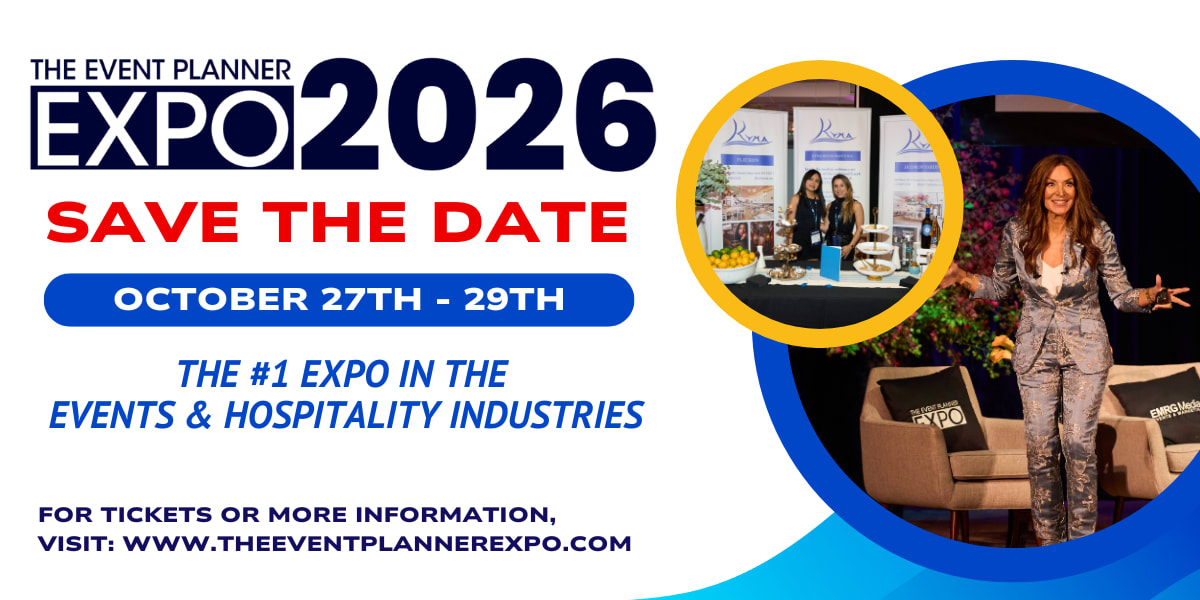
Held in the heart of New York City, The Event Planner Expo is a must-attend event for anyone serious about growing their business. This three-day conference brings together top corporate decision-makers, event planners, and marketers from Fortune 1000 companies. It’s a high-energy environment focused on making game-changing connections. You’ll have the chance to meet with over 150 world-class exhibitors and learn from powerhouse speakers like Daymond John and Martha Stewart. If your goal is to network with industry leaders and discover new strategies to fuel growth, this is the place to be.
PCMA Convening Leaders
PCMA Convening Leaders is built for leaders in the business events industry. The program is packed with high-level learning opportunities, workshops, and fresh ideas to bring back to your team. One of the standout features is the focus on small group discussions, which allow you to work through critical topics like budgeting and strategy with your peers. It’s an ideal event for professionals looking to engage in meaningful conversations and find innovative solutions. This conference is a great choice if you want to move beyond surface-level networking and have deeper, more impactful discussions.
MPI World Education Congress
If you’re focused on professional development, the MPI World Education Congress is designed to help you enhance your event planning skills. The conference is known for its engaging and interactive programming, which encourages you to be an active participant rather than a passive listener. With various learning tracks tailored to specific interests like leadership, creativity, and innovation, you can customize your experience to fit your career goals. This emphasis on interactivity makes it a dynamic environment for learning and connecting with other professionals who are passionate about their craft.
Cvent CONNECT
For those who want to get a handle on the latest event technology, Cvent CONNECT is the place to be. This conference gathers professionals from across the meetings, events, and hospitality industries. It features learning paths for all experience levels, from beginners to seasoned experts, along with plenty of networking opportunities. The event places a strong emphasis on technology, offering hands-on training and showing you practical ways to apply new tools. It’s an excellent opportunity to see the latest tech in action and learn how to integrate it into your own event strategy.
IMEX America
IMEX America is one of the largest trade shows in the industry, and it offers specialized experiences specifically for corporate event planners. The event features inspiring talks from industry leaders and provides customized education programs designed to address the unique challenges and opportunities that corporate planners face. If you’re looking for an event that truly understands your role and provides targeted education and networking, IMEX America is a fantastic option. The scale of the show also means you’ll have access to a massive range of suppliers and destinations all in one place.
ASAE Annual Meeting & Exposition
If you work with associations, the ASAE Annual Meeting & Exposition is the premier event for your niche. This conference attracts thousands of association professionals who come together to network, share knowledge, and find solutions to common challenges. It’s a great platform for building your network within the association world and learning new strategies that you can apply to your daily work. The sheer size of the event means you’ll have countless opportunities to connect with peers and potential partners, making it a valuable experience for anyone in this sector.
Why Attend? The Real Benefits of Industry Conferences
Attending an industry conference is more than just a break from the office; it’s a strategic investment in your career and your company. These events are designed to give you the tools, knowledge, and connections you need to succeed. By stepping away from your daily tasks, you create space to see the bigger picture, recharge your creativity, and focus on professional growth. It’s where you can learn directly from the people shaping the future of the events industry, discover groundbreaking ideas, and build relationships that can open doors you never knew existed. Think of it as a powerful combination of education, inspiration, and networking, all packed into a few high-impact days.
Develop Your Professional Skills
There’s a huge difference between reading about a new technique and learning it directly from an expert. Conferences offer workshops and educational sessions that provide practical, hands-on knowledge you can apply as soon as you’re back at your desk. You get to ask questions, participate in discussions, and gain insights from seasoned professionals who have faced the same challenges you have. It’s an incredible opportunity to sharpen your existing skills and develop new ones. Learning from the industry’s top speakers gives you a competitive edge and helps you produce more effective and memorable events for your clients and company.
Discover Industry Trends and Innovations
The events industry moves fast, and staying ahead of the curve is essential for creating experiences that feel fresh and engaging. Conferences are the best place to see what’s next. You can explore the latest event technology, learn about new sustainability practices, and hear about creative strategies for attendee engagement. Walking through an exhibit hall gives you a firsthand look at cutting-edge products and services from top-tier exhibitors. This exposure to new ideas and tools sparks creativity and ensures your events remain relevant and impactful, helping you create the kind of emotional connection with attendees that leaves a lasting impression.
Build Strategic Connections
While learning is key, the relationships you build at a conference are just as valuable. You’ll be surrounded by hundreds of peers, potential clients, and future collaborators who understand your world. These face-to-face interactions create a foundation of trust that’s hard to replicate online. Whether you’re sharing a coffee with a fellow planner or chatting with a vendor about a new partnership, you’re building a professional network that can support you throughout your career. These connections often lead to new business opportunities, collaborations, and even lifelong friendships. It’s a chance to learn more about the people behind the brands and build genuine relationships.
Find Opportunities to Advance Your Career
Conferences are a fantastic place to map out your next career move. You can identify skills you need to develop, discover new roles within the industry, and connect with leaders from top companies. Attending sessions on leadership and career development can give you the clarity and confidence to pursue your goals. It’s also a chance to get noticed. By actively participating and connecting with others, you establish yourself as a dedicated professional. Making an investment in your growth by choosing to register now for a conference can be the catalyst that takes your career to the next level, whether that means a promotion, a new job, or a game-changing project.
What You’ll Learn: A Look Inside Educational Sessions
The best industry conferences go far beyond basic panels and presentations. They offer a curriculum designed to address the real-world challenges and opportunities you face every day. The educational sessions are where you’ll find the actionable strategies and fresh perspectives that can reshape your approach to event planning. Expect to find workshops, keynotes, and deep-dive discussions led by true industry innovators who are ready to share what’s working right now. These sessions are your chance to learn directly from the experts, ask pressing questions, and walk away with a notebook full of ideas you can implement immediately. It’s about moving past theory and getting into the practical application of new skills and trends that will define the future of events.
Planning for Sustainability and Wellness
Modern events are about more than just logistics; they’re about impact. Sessions on sustainability and wellness teach you how to create events that are not only environmentally responsible but also genuinely restorative for attendees. You’ll learn practical ways to reduce your event’s carbon footprint, source from local and ethical vendors, and design itineraries that prioritize mental and physical well-being. The focus is on creating experiences that provide immediate comfort and leave a lasting positive impression, ensuring your events are both memorable and meaningful.
Integrating Tech and AI-Powered Solutions
Technology is constantly changing the event landscape, and educational sessions are the best place to keep up. You’ll get an inside look at how planners are using event management software to streamline operations and create more immersive, engaging experiences for attendees. These workshops often explore AI-powered tools for personalization, data analysis, and automation, giving you the skills to improve efficiency and deliver a higher return on investment. You can often meet the creators of these tools by visiting the conference exhibitors between sessions.
Managing Crisis and Assessing Risk
In an unpredictable world, being prepared is non-negotiable. Specialized sessions on crisis management and risk assessment are designed to equip you with the frameworks to handle any challenge. Topics often cover everything from navigating budget cuts to developing contingency plans for unforeseen disruptions. As attendee expectations grow, meeting professionals are feeling the pressure to deliver more with less. These sessions provide critical insights on how to manage cost constraints while still exceeding expectations and ensuring the safety and security of every participant.
Creating Personalized Attendee Experiences
The one-size-fits-all event model is a thing of the past. Today’s attendees crave personalized journeys that resonate with their individual interests and goals. Conference sessions will show you how to use data to customize content, create flexible agendas, and foster two-way engagement. You’ll learn how to move beyond generic programming and design events that reflect your brand’s values in an authentic way. The goal is to make every attendee feel seen and valued, turning passive viewers into active participants and loyal brand advocates who appreciate a personalized experience.
Sharpening Your Leadership Skills
Attending a conference is an investment in your career, and leadership-focused sessions deliver a powerful return. Led by powerhouse keynote speakers and industry veterans, these talks are designed to help you grow as a strategic thinker and effective leader. You’ll gain fresh perspectives on team management, client relations, negotiation, and business development. These sessions offer a unique opportunity to sharpen your skills and learn from the best, giving you the confidence and tools to take on bigger challenges and guide your team to success.
How to Network Like a Pro at Conferences
Attending a conference is a major investment of your time and resources, so it’s important to get the most out of it. While educational sessions are a huge draw, the connections you make can be just as valuable for your career. Networking at a conference is about more than just collecting business cards; it’s your chance to build strategic relationships with peers, mentors, and potential partners who can help you grow. A successful networking strategy starts long before you arrive and continues after the final session ends.
The key is to be intentional. Instead of wandering the expo floor hoping for a chance encounter, you can create your own opportunities by preparing ahead of time. Identify key speakers you want to meet, research companies you’d like to connect with, and think about what you hope to achieve. Whether you’re looking for a new vendor, seeking career advice, or hoping to find your next client, a little planning goes a long way. By connecting on social media beforehand, actively participating in sessions, and attending social mixers, you can turn a crowded conference hall into a space for meaningful conversations. The Event Planner Expo is designed to facilitate these game-changing connections.
Connect on Social Media Before You Go
Your networking should begin weeks before the conference. Start by following the event’s official social media pages and searching the event hashtag on platforms like LinkedIn and X (formerly Twitter). This is a great way to see who’s attending and what topics are already generating buzz. Make a list of key speakers, sponsors, and attendees you want to meet.
Once you’ve identified a few people, send a personalized connection request. Mention that you’re looking forward to seeing their session or that you’re interested in their company’s work. This simple step helps you stand out and turns a cold introduction into a warm one. When you finally meet in person, you’ll already have a foundation to build on.
Participate in Interactive Sessions and Workshops
Don’t just be a passive observer in educational sessions. Workshops and interactive panels are prime opportunities for networking. When you ask a thoughtful question or contribute a valuable insight to a group discussion, you become more visible to both the speaker and your fellow attendees. People will remember your contribution, making it easier to strike up a conversation later.
These sessions are designed to help you sharpen your skills and gain fresh insights, and they naturally bring together people with shared interests. Stick around after the session to talk to the speaker or introduce yourself to someone who asked a great question. It’s an easy way to connect with professionals who are passionate about the same topics you are.
Use the Conference App and Event Hashtags
Most modern conferences have a dedicated mobile app, and it’s one of your most powerful networking tools. Before the event, download the app and build out your profile. Use it to review the attendee list, send direct messages to people you want to meet, and schedule one-on-one meetings. The app can help you organize your time and ensure you connect with the right people.
During the conference, use the official event hashtag to share your key takeaways on social media. This not only establishes you as a thought leader but also connects you with other attendees who are following the conversation online. Engaging with the hashtag helps you reach people beyond your immediate circle, including those attending virtually.
Attend Official Networking Events and Mixers
Welcome receptions, happy hours, and closing parties are not just for fun; they are specifically designed for networking. These less formal settings provide a relaxed atmosphere where you can have more natural conversations. Make a point to attend these official events, even if you’re feeling tired after a long day of sessions. This is often where the most memorable connections are made.
If you’re not sure how to start a conversation, just ask someone which session they enjoyed the most or what they’re hoping to get out of the conference. Most people are happy to share their experiences. These mixers are a core part of the conference experience, created to help event organizers and planners connect with partners and suppliers.
Using Social Media to Make the Most of Your Conference
Your conference experience doesn’t have to be limited to the event days. Social media is a powerful tool that can help you prepare, engage, and follow up, turning a three-day event into a long-term opportunity for growth. By using platforms like LinkedIn and X (formerly Twitter) strategically, you can amplify your presence, build a stronger network, and get more value from your attendance. It’s all about extending the conversation beyond the conference walls.
Think of social media as your digital home base for the event. It’s where you can find key information, connect with peers who share your interests, and establish yourself as an active member of the industry community. A little planning before, during, and after the conference can make a huge difference in the quality of connections you make and the insights you bring back to your team.
Build Connections Before the Event Starts
Get a head start on networking by connecting with speakers and fellow attendees before you even arrive. Most conferences announce their speaker lineup well in advance. Look up these industry leaders on LinkedIn and follow them. You can also search the event hashtag on various platforms to find other registered attendees who are posting about their excitement.
Engaging with pre-event content is a simple way to get on people’s radar. Leave thoughtful comments on posts, introduce yourself, and mention what you’re looking forward to learning. This simple step helps you build familiarity, so when you meet someone in person, you already have a foundation for a meaningful conversation instead of just a cold introduction.
Share Real-Time Insights
During the conference, use your social media channels to share what you’re learning. Posting key takeaways, impactful quotes from a keynote, or a photo from a workshop establishes you as a knowledgeable professional. This not only reinforces your own learning but also provides value to your followers who couldn’t attend. It’s a great way to grow your audience and demonstrate your commitment to professional development.
Don’t just broadcast your thoughts; engage with others, too. If you see someone post an interesting point about a session you’re both in, reply with your own perspective. Live-tweeting or posting on LinkedIn during sessions can help you connect with other attendees in real time, creating an immediate sense of community and shared experience.
Join the Conversation Using Event Hashtags
The official event hashtag is your key to the wider conference conversation. Make sure you know what it is and use it in all your event-related posts. This organizes your content and makes it discoverable to anyone following the event, including organizers, speakers, and other attendees. It’s the digital equivalent of being in the main hall, where all the action is happening.
Beyond adding the hashtag to your own posts, actively search for it to see what others are saying. You can discover popular sessions you might have missed, find answers to questions, and connect with people discussing topics that interest you. Engaging with the event hashtag is one of the most effective ways to expand your network and get a pulse on the most important industry trends being discussed.
Nurture Relationships After the Conference
The follow-up is just as important as the initial connection. Within a few days of the event, go through the business cards you collected and the new profiles you engaged with online. Send personalized connection requests on LinkedIn, mentioning a specific conversation you had or a session you both enjoyed. This small detail makes your request stand out and reminds them of who you are.
Once you’re connected, continue to nurture these new relationships. Don’t let the conversation die. Comment on their posts, share articles you think they’d find interesting, and look for opportunities to collaborate. Strong professional networks are built over time, and a conference is often just the starting point. Organizations like Meeting Professionals International are built on this principle of creating lasting industry connections.
What to Expect from Exhibitors and Tech Showcases
The trade show floor is the heart of any great conference. It’s where you can move beyond theory and see innovation in action. At an event like The Event Planner Expo, you’ll find a dynamic space filled with industry leaders and groundbreaking companies ready to show you what’s next. This is your chance to connect with over 150 world-class exhibitors, from established brands to disruptive startups, all under one roof. The energy is palpable as professionals gather to explore, learn, and form meaningful business relationships that extend far beyond the conference walls.
Think of the exhibitor hall as a living catalog of the best services and technologies the industry has to offer. It’s an opportunity to ask direct questions, compare solutions side-by-side, and find the perfect partners to help you execute flawless events. Whether you’re looking for a new registration platform, unique venue options, or the latest in attendee engagement tools, you’ll find it here. This is where you can touch, test, and experience the tools that will shape your future projects and give you a competitive edge. It’s also a fantastic place to get inspired, see what your peers are excited about, and gather fresh ideas to bring back to your team.
Demos of the Latest Event Technology
One of the biggest advantages of the trade show floor is getting hands-on with new tools. Forget scrolling through websites; here, you can see live product demonstrations and get practical training on the latest event technology. These sessions let you test-drive software and hardware, giving you a real feel for how they can streamline your planning process. You can ask developers specific questions about your use case and see firsthand how a new platform could improve your attendee experience. It’s the most efficient way to vet new tech and find solutions that truly fit your needs.
Hybrid Event Solutions and Platforms
Hybrid events are here to stay, and exhibitors are showcasing incredible platforms to make them better than ever. You’ll find solutions focused on creating a single, unified experience for everyone, whether they’re in the room or tuning in from home. Expect to see technology that facilitates seamless interaction between virtual and in-person attendees, like coordinated breakout sessions and integrated networking tools. These hybrid event solutions are designed to ensure no one feels left out, making your events more inclusive and expanding your potential reach.
Opportunities for Service Provider Partnerships
The exhibitor hall is a goldmine for building your professional network. It’s specifically designed to connect event planners with top-tier partners and suppliers who can bring your vision to life. This is your chance to meet face-to-face with representatives from venues, catering companies, AV specialists, and more. These interactions can lead to powerful collaborations that enhance your event offerings. Many conferences even facilitate dedicated networking events to help you engage with industry leaders and find the right partners to help you succeed.
Previews from Innovation Labs and Product Launches
Want a glimpse into the future of events? Head to the tech showcases. This is where companies often unveil their latest creations and offer previews of what’s coming out of their innovation labs. You’ll get a first look at cutting-edge tools and strategies before they hit the mainstream market. For planners and marketers, these product launches are invaluable. They provide the insights you need to stay ahead of trends, adapt your strategies, and find new ways to create more engaging and memorable experiences for your attendees.
In-Person, Virtual, or Hybrid: Which Format Is Best for You?
Deciding how to attend a conference is a bigger decision than it used to be. With in-person, virtual, and hybrid options now standard, you can choose the format that best fits your goals, budget, and schedule. Each style offers unique benefits, and the right one for you depends on what you hope to achieve. Are you looking to immerse yourself in the energy of a live event and make spontaneous connections? Or do you need the flexibility to learn from industry leaders without the time and expense of travel?
Many of the best industry events, including The Event Planner Expo, recognize that professionals have different needs. By offering multiple ways to participate, these conferences make it possible for a wider audience to access valuable content and networking opportunities. Before you register for your next event, think about what you want to get out of the experience. Understanding the advantages of each format will help you make a choice that aligns perfectly with your professional objectives.
The Advantages of In-Person Networking
There’s a certain magic to being in the room where it happens. Attending a conference in person offers networking opportunities that are difficult to replicate online. It’s in the spontaneous conversations over coffee, the shared laugh during a keynote, and the handshake that seals a new partnership. Face-to-face interactions allow you to build rapport and trust more quickly. You can read body language, engage in deeper discussions, and create memorable connections that last long after the event ends. The immersive experience of a live conference, surrounded by peers and industry leaders, can spark creativity and lead to unexpected collaborations. If your primary goal is to build strong, personal relationships, attending in person is often the best investment.
The Benefits of Virtual Accessibility
Virtual events have opened doors for professionals everywhere. The biggest advantage is accessibility. You can join a world-class conference from your home or office, eliminating the costs and logistics of travel. This format makes it easier for those with tight budgets or busy schedules to participate and learn from top experts. Virtual platforms are designed for engagement, with features like live Q&A sessions, interactive polls, and dedicated chat rooms that allow you to connect with speakers and other attendees. Plus, many virtual events offer on-demand access to sessions, so you can revisit key presentations or catch up on anything you missed. For those who want to absorb knowledge efficiently, virtual tickets provide incredible value and flexibility.
The Opportunities of a Hybrid Experience
Why choose when you can have both? Hybrid events blend the best of in-person and virtual formats, creating a flexible and inclusive experience for everyone. This model extends the reach of a conference to a global audience while preserving the energy of a live gathering. For companies, it means you can send a core team to network on-site while others participate remotely, maximizing your team’s learning without stretching the budget. Hybrid events often feature integrated technology that allows virtual and in-person attendees to interact with each other, breaking down the barriers between the two experiences. By checking the event schedule, you can see how sessions are designed to engage both audiences, creating a unified and dynamic environment for all.
A Look at Resources from Meeting Professionals International
While conferences are incredible for intensive learning and networking, your professional growth continues all year long. That’s where organizations like Meeting Professionals International (MPI) come in. MPI is more than just the host of the World Education Congress; it’s a global community that provides continuous support, education, and connections for event professionals. Think of it as your career home base, offering the tools and community you need to succeed between major industry events. Whether you’re looking for a specific certification, peer advice, or the latest industry data, MPI offers a wealth of resources to help you create better experiences and advance your career.
MPI Academy Courses and Certifications
If you’re looking to sharpen your skills or add a formal credential to your resume, the MPI Academy is an excellent place to start. It offers a wide range of educational programs designed to give you practical, actionable knowledge you can apply immediately. You can find courses on everything from strategic event design and risk management to leadership and sustainability. For those seeking to formalize their expertise, MPI provides pathways to respected industry credentials, including the Certified Meeting Professional (CMP). These certifications not only deepen your understanding of the industry but also signal a high level of professionalism and commitment to clients and employers.
Professional Development Tools
Continuous learning is key to staying relevant in the events industry, and MPI provides tools that fit into your busy schedule. Beyond formal courses, you have access to a library of professional development resources, including webinars on emerging trends, on-demand content, and career planning guides. These tools are perfect for when you need to solve a specific problem, prepare for your next career move, or simply stay informed on the latest best practices. The resources are designed to help you transform both your own career and the experiences you create for your attendees, ensuring you always have the information you need right at your fingertips.
Networking Platforms and Community Access
One of the biggest benefits of MPI is the access it provides to a vibrant, global community of peers. The organization helps you build your professional network by connecting you with other event experts in your local area and around the world. You can join a local chapter to meet regularly with professionals near you, participate in online forums to ask questions and share advice, or attend global events to make international connections. This community becomes an invaluable source of support, offering fresh perspectives, potential collaborations, and a sense of camaraderie with others who understand the unique challenges and rewards of the events industry.
Industry Research and Insights
Making strategic decisions requires having access to reliable data and forward-thinking analysis. MPI is committed to providing its members with the latest industry research and insights to help them stay competitive. Through publications, trend reports, and market analysis, you can get a clear picture of where the industry is headed. This information is critical for everything from budgeting and forecasting to adopting new technologies and understanding attendee behavior. By using these resources, you can move beyond reacting to changes and start proactively shaping your event strategies based on solid, data-driven insights.
How to Choose the Right Conference for Your Goals
With so many industry events on the calendar, choosing the right one can feel overwhelming. The key is to be strategic. The best conference for you is the one that directly aligns with your specific career or business goals. Attending industry conferences is a fantastic way for meetings and events professionals to sharpen their skills, gain fresh insights, and network with leaders. Before you register for the next big event, take a moment to think through what you really want to accomplish. By evaluating a few key factors, you can ensure your investment of time and money delivers the best possible return and leaves you feeling inspired and ready for what’s next.
Assess Your Professional Objectives
First, get clear on what you want to achieve. Are you looking to learn a new skill, like how to integrate AI into your events? Do you need to find new partners or vendors for an upcoming project? Or is your main goal to expand your professional network? Make a short list of your top three objectives. This simple step will act as your guide, helping you filter through different conference agendas to find the one that speaks directly to your needs. A conference focused on technology might be perfect if you’re looking to innovate, while one with extensive networking sessions is ideal for building connections.
Consider Your Budget and Location
Let’s talk about the practical side of things: your budget. Conference costs go beyond the ticket price. You’ll need to account for travel, accommodations, meals, and even a little extra for those impromptu coffee meetings. Meeting professionals often identify cost constraints as a major challenge, so creating a detailed budget is essential. Location also plays a big role. Attending an event in a major hub like New York City can provide added value, giving you the chance to meet with clients or explore new venues while you’re in town. Weigh the total investment against the potential return for your business.
Review the Content and Speaker Quality
The heart of any great conference is its content. Take a close look at the event’s schedule, session topics, and workshops. Do they align with the objectives you set? Look for conferences that offer practical, hands-on training and real-world case studies, not just high-level theory. The quality of the speakers is another huge indicator of an event’s value. Are the presenters recognized leaders and innovators in the industry? A lineup of powerhouse speakers often means you’ll walk away with cutting-edge insights and actionable strategies you can implement right away.
Decide on Your Preferred Format and Time Commitment
Finally, consider the format and time commitment that works best for you. Do you thrive on the energy of in-person events, or does the flexibility of a virtual conference fit better with your schedule? Many events now offer a hybrid model, giving you the best of both worlds. Think about the duration, too. A three-day immersive experience offers deep learning and networking, while a one-day summit might be perfect for a quick dose of inspiration. Choose the format that matches your learning style and availability to make sure you can be fully present and get the most out of the experience.
Applying Conference Insights to Your Meeting Strategy
Attending a major industry conference is an incredible experience. You leave feeling energized, full of new ideas, and with a pocketful of business cards. But the real magic happens when you get back to the office and start turning that inspiration into action. The insights you gather from educational sessions, keynote speakers, and networking events can directly influence your meeting strategy, helping you create more impactful and memorable experiences. The key is to have a plan for how you’ll apply what you’ve learned. Let’s break down how you can translate conference takeaways into tangible improvements for your own events.
Gaining New Frameworks for Strategic Planning
It’s easy to get stuck in a routine, planning events the same way year after year. Conferences are the perfect way to break that cycle. Attending sessions led by industry trailblazers gives you a chance to see things from a different perspective. You’ll learn new frameworks for everything from budget allocation to attendee engagement. The top event planning conferences are a fantastic way for meetings and events professionals to sharpen their skills and gain fresh insights. Think of the powerhouse keynote speakers at The Event Planner Expo; their stories and strategies can spark ideas that completely reshape your approach to strategic planning, helping you build a more resilient and forward-thinking event program.
Building Stronger Vendor Relationships
The expo floor is more than just a marketplace; it’s a hub for collaboration. This is your opportunity to meet face-to-face with the partners and suppliers who can bring your vision to life. Instead of just collecting brochures, use this time to have meaningful conversations. Ask questions, share your challenges, and find vendors who truly understand your goals. Building a network of trusted exhibitors and partners is one of the most valuable outcomes of attending a conference. These relationships can lead to better pricing, more creative solutions, and a support system you can rely on for future events.
Developing Your Team and Leadership Skills
A great conference experience isn’t just about what you learn; it’s about how you grow. Many conferences offer dedicated tracks and workshops focused on professional development and leadership. These sessions provide actionable education that you can use to mentor your team and refine your own management style. You can learn new techniques for motivating your staff, managing complex projects, and communicating more effectively. By investing in your own leadership skills, you create a ripple effect that strengthens your entire team and improves the quality of every event you produce. Check out the event schedule to find sessions that align with your personal growth goals.
Implementing Emerging Trends and Innovations
From AI-powered matchmaking to immersive virtual reality experiences, event technology is constantly evolving. Conferences are the best place to see these innovations up close. You can get hands-on demos of new event management software, learn how to integrate new tech into your existing workflow, and discover creative formats that capture attendees’ attention. Corporate event planners have to be creative to create an all-important emotional connection with attendees. By staying on top of emerging trends, you can design more engaging, efficient, and memorable meetings that leave a lasting impression and deliver real results for your organization.
Related Articles
- Top 18 Corporate Event Trends for NYC Event Planners – The Event Planner Expo
- 14 Types of Corporate Events You Should Be Planning with Your Event Planning Business – The Event Planner Expo
- Conference Connect Pro – The Event Planner Expo
- 11 Must-Attend Event Planning Conferences 2024 (October is a BIG one!) – The Event Planner Expo
- 8 Great Ideas For Your Corporate Events – The Event Planner Expo
Frequently Asked Questions
How can I convince my manager to approve the budget for a conference?
The best way to get approval is to frame it as a strategic investment, not just a trip. Before you talk to your manager, outline your specific goals. Identify key sessions that address current company challenges, list the exhibitors you plan to meet to find new solutions, and explain how the networking opportunities could lead to valuable partnerships. Offer to prepare a post-conference report with actionable takeaways and share what you learned with the entire team.
I’m not naturally outgoing. Do you have any tips for networking that don’t feel forced? Of course. Networking doesn’t have to mean working a crowded room. Focus on quality over quantity. Use the conference app to schedule a few one-on-one coffee meetings with people who genuinely interest you. Prepare a couple of open-ended questions to get conversations started, like “What’s the most interesting thing you’ve learned so far?” or “What project are you most excited about right now?” This shifts the focus from selling yourself to simply having a good conversation.
How do I decide which sessions to attend when there are so many great options? It can be overwhelming, so a little planning goes a long way. Before you go, review the schedule and highlight the sessions that align with the professional goals you’ve already set. If you’re attending with colleagues, use a “divide and conquer” approach so your team can cover more ground. And remember, it’s perfectly fine to quietly leave a session if it isn’t what you expected and find one that’s a better fit for your time.
What’s the best way to follow up with new connections after the event? The key is to be prompt and personal. Within two days of the conference, send a personalized connection request on LinkedIn. Instead of the generic message, mention something specific you talked about or a session you both enjoyed. The goal is to continue the conversation, not just add a name to your network. A simple note shows you were paying attention and value the connection you made.
Is it better to attend a conference alone or with my team? Both approaches have their benefits, and the right choice depends on your goals. Attending alone allows you to create a highly personalized agenda and focus entirely on your own professional development without distractions. Going with your team lets you cover more sessions and meet more people collectively. It also gives you a built-in group to discuss ideas with, which can help you process what you’re learning in real time and bring a more comprehensive plan back to the office.
One great event can fuel a year of business. One smart booth can fuel your pipeline even longer. If you’re ready to be seen, remembered, and booked by NYC’s most active planners, it starts here. Reserve your booth while spaces are available at The Event Planner Expo and put your brand where decisions are made.