Your Guide to Corporate Event Planning Education
You’ve successfully managed events and know you have what it takes, but you’re ready for the next step in your career. Whether you want to move into a leadership role, launch your own agency, or attract higher-profile clients, a solid foundation can make all the difference. Relying on experience alone can leave gaps in your knowledge, especially when it comes to business strategy, contract negotiation, and new event technologies. A dedicated corporate event planning education is designed to fill those gaps, giving you the confidence and qualifications to pursue bigger opportunities. Let’s explore the educational paths that can advance your career and open doors to the roles you truly want.
Key Takeaways
- Invest in formal training to stand out: Earning a certification or completing a certificate program demonstrates your commitment, validates your skills for clients, and gives you a competitive edge in the industry.
- Find the right learning format for you: Your best educational path, whether it’s an industry conference, a university course, or an online program, should align with your career goals, budget, and personal schedule.
- Develop skills beyond basic coordination: A strong program will teach you strategic planning, financial management, virtual event production, and risk assessment, preparing you for a variety of high-impact roles in the events industry.
What is Corporate Event Planning Education?
Corporate event planning education is all about giving you the skills and knowledge to successfully manage events like product launches, conferences, and team-building retreats. Think of it as your roadmap to becoming a pro. These programs blend essential theory with practical, hands-on projects, so you’re not just learning concepts, you’re learning how to apply them in the real world. Whether you’re just starting out or looking to sharpen your existing skills, a formal education can provide the structure and expertise you need to plan and execute flawless corporate events that leave a lasting impression.
Explore Different Program Types
You have plenty of options when it comes to your education. Many universities offer certificate programs designed to help you start or grow your career. For example, you can find comprehensive programs that cover everything from communication and management to risk and marketing. If you need more flexibility, there are 100% online courses that allow you to become a Certified Corporate Event Planner from home. These programs typically feature a mix of required core classes and electives, letting you tailor your learning to your specific interests and career goals.
Master Core Event Planning Skills
The best programs equip you with a versatile toolkit. You’ll learn the fundamentals of marketing, budgeting, contracts, and event design. This means getting hands-on with the entire event lifecycle, from interviewing clients and setting budgets to choosing the perfect venue and managing vendors. You’ll also get a handle on creating timelines, handling risks, and ensuring everything runs smoothly on the big day. Many courses even cover the business side of things, teaching you how to charge for your services and build your own successful event planning company from the ground up.
Which Certifications Will Advance Your Career?
While hands-on experience is invaluable, earning a professional certification is a powerful way to validate your expertise and show your commitment to the industry. Think of it as a formal stamp of approval that tells clients and employers you have a deep understanding of event planning principles and best practices. Certifications can also open doors to a wider professional network and give you the confidence to take on more complex projects. Many of our own keynote speakers hold these top-tier credentials, demonstrating their dedication to excellence. In an industry built on trust and reputation, having those extra letters after your name can make a significant difference. It shows you’ve put in the work to master your craft and stay current with industry standards. Whether you’re looking to secure a promotion, attract higher-paying clients, or simply build your own confidence, a certification is a strategic investment in your career. It provides a structured learning path that can fill in any gaps in your knowledge and introduce you to new, innovative approaches. If you’re ready to formalize your skills and stand out in a competitive field, here are some of the most respected certifications to consider.
Certified Meeting Professional (CMP)
Think of the CMP as the gold standard for meeting and convention management. This globally recognized certification shows you have a comprehensive knowledge of industry best practices, from strategic planning and financial management to site selection and risk management. The CMP program has been setting the bar for decades, connecting more than 14,000 professionals worldwide. Earning this credential not only sharpens your skills but also plugs you into a massive community of peers, creating incredible networking opportunities. It’s an ideal choice for planners who want to prove their proficiency in managing a wide range of professional meetings and events.
Certified Special Events Professional (CSEP)
If your passion lies in creating unforgettable experiences like galas, festivals, and brand activations, the CSEP is for you. This certification focuses specifically on the unique demands of special events, emphasizing creativity, design, and production. It signals to the world that you have a high level of expertise in the art and science of event production. The CSEP designation demonstrates your commitment to the profession and your ability to manage the intricate details that make special events successful. It’s a fantastic way to distinguish yourself as a specialist in a dynamic and creative corner of the industry.
Digital Event Strategist (DES)
As virtual and hybrid events become a permanent part of the landscape, the DES certification is more relevant than ever. This credential is for professionals who want to master the strategy, production, and measurement of digital events. The program covers everything you need to design and execute engaging online experiences that deliver real results. To earn the DES certification, you’ll need to demonstrate your professional experience, complete an online learning program, and pass an exam. It’s the perfect way to future-proof your career and position yourself as a leader in the evolving world of digital gatherings.
Certified Exhibition Manager (CEM)
For professionals who specialize in managing trade shows and exhibitions, the CEM is the industry’s premier designation. This certification covers the A-to-Z of exhibition management, including floor plan design, logistics, marketing, and sales. It’s a comprehensive program designed to equip you with the skills needed to produce successful and profitable exhibitions. The CEM learning program is highly respected and shows that you have a deep understanding of the complexities involved in the exhibitions sector. If your career is focused on the trade show floor, this certification is an essential tool for professional growth.
Where Can You Find the Best Education Programs?
Once you know what you want to learn, the next step is finding the right place to learn it. Corporate event planning education comes in many forms, from immersive industry conferences to structured university courses. Each path offers unique benefits, whether you’re looking for practical insights from today’s leaders or a formal credential to add to your resume. The best choice depends on your career goals, learning style, and current commitments. Let’s explore some of the top options available to help you find the perfect fit.
The Event Planner Expo
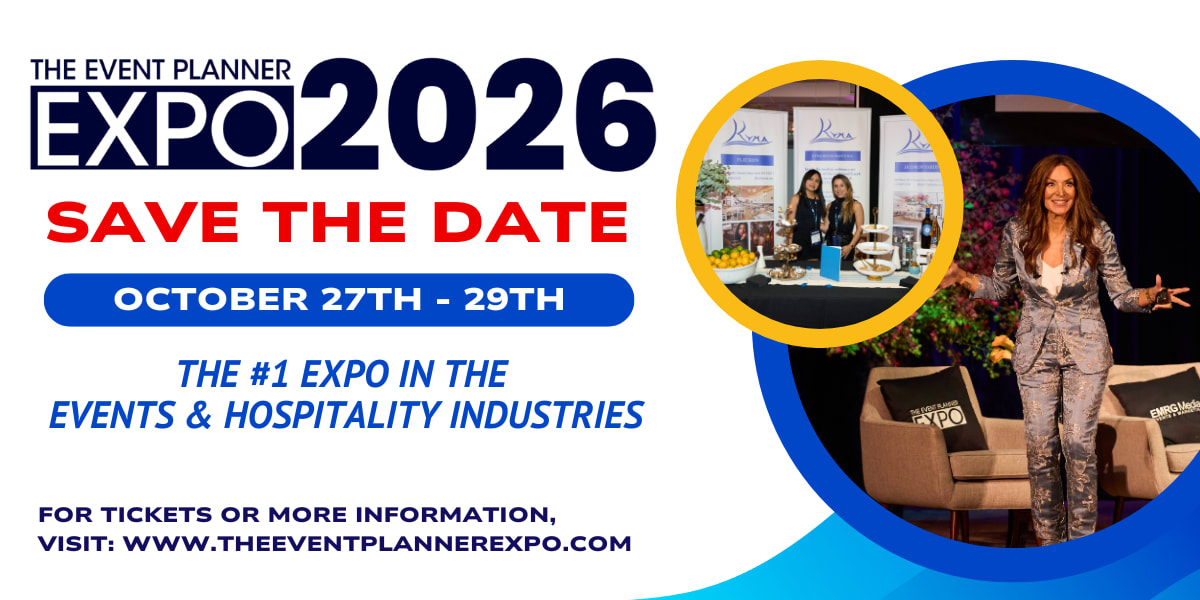
For a real-time, immersive learning experience, nothing beats a top-tier industry conference. Attending an event like The Event Planner Expo puts you in the room with the people shaping the future of the industry. You get direct access to educational sessions led by powerhouse keynote speakers, discover cutting-edge event technology from exhibitors, and learn from your peers through invaluable networking opportunities. It’s a dynamic environment where you can get a pulse on the market, hear directly from potential clients, and absorb practical strategies you can apply to your work immediately. This is where theory meets practice, giving you a powerful dose of inspiration and actionable knowledge.
University Certificate Programs
If you’re seeking a structured curriculum and a formal credential, a university certificate program is an excellent choice. These programs are designed to provide a comprehensive foundation in event management, covering everything from logistics and budgeting to marketing and risk management. Institutions like UNC Charlotte offer programs tailored to the needs of the industry, making them ideal for those new to the field or professionals looking to formalize their existing experience. A university certificate can add significant weight to your resume and demonstrate a serious commitment to your career development, giving you the confidence and qualifications to take on more complex projects.
Online Courses
For ultimate flexibility, online courses offer a convenient way to gain new skills on your own schedule. These programs are perfect for busy professionals who need to balance their education with work and other responsibilities. You can find courses that cover the entire spectrum of event planning or focus on specialized areas like virtual events or sustainable practices. For example, some universities offer a 100% online path to become a Certified Corporate Event Planner, allowing you to start anytime and learn at your own pace. This accessibility makes it easier than ever to stay current with industry trends and continuously build your expertise.
Professional Association Training
Professional associations are hubs for industry knowledge and offer training that leads to highly respected credentials. Certifications like the Certified Meeting Professional (CMP) are recognized globally and signify a high level of expertise and professionalism. These programs are focused on standardizing industry best practices, ensuring you’re learning skills that are relevant and valued by employers and clients. Pursuing event planning certifications through an association not only deepens your knowledge but also connects you with a network of dedicated professionals. It’s a powerful way to build credibility and demonstrate your leadership in the field.
What Skills Will You Learn?
A great corporate event planning education gives you a versatile set of skills that are part business strategist, part creative director, and part master organizer. You’ll learn to see an event not just as a standalone occasion, but as a powerful tool for achieving business goals, whether that’s launching a product, training a team, or celebrating a major milestone.
The right program will give you a comprehensive toolkit to handle any challenge. You’ll move from simply coordinating logistics to designing strategic experiences that leave a lasting impact on attendees and deliver real value for your clients. These programs are designed to build your confidence and competence, turning your passion for events into a structured, professional, and highly sought-after expertise. From managing large budgets to pivoting to a virtual format at a moment’s notice, you’ll be prepared for the realities of the modern event industry.
Strategic Planning & Client Management
At its core, corporate event planning is about turning a client’s vision into a flawless reality. You’ll learn how to help organizations plan and execute everything from large-scale conferences to intimate executive meetings. This involves mastering the entire event lifecycle, from initial concept development and venue sourcing to managing guest lists and creating detailed event schedules. A key part of this is client management, which means truly understanding your client’s goals. By identifying their underlying needs, you can design events and craft marketing messages that resonate deeply, turning potential leads into loyal partners.
Budgeting & Vendor Coordination
Every successful event is built on a solid financial foundation. You’ll develop critical skills in creating and managing budgets, negotiating contracts, and coordinating with a wide range of vendors, from caterers and AV technicians to decorators and entertainers. This is where your business acumen shines. Education programs teach you how to track expenses meticulously, find cost-effective solutions without sacrificing quality, and ensure a positive return on investment for your client. Mastering budgeting and contracts is essential for building trust and proving your value as a planner who can deliver exceptional results while respecting the bottom line.
Tech & Virtual Event Management
Technology is no longer just an add-on; it’s central to the event experience. You’ll learn to use event management software to streamline registration, marketing, and on-site logistics. More importantly, you’ll gain expertise in producing engaging virtual and hybrid events. This includes understanding the different platforms, creating interactive content for a remote audience, and ensuring a seamless technical experience for all participants. This skill set allows you to expand your event’s reach, accommodate global audiences, and offer flexible attendance options that meet the demands of the modern workplace.
Risk & Crisis Management
The best event planners are always prepared for the unexpected. A crucial part of your training will focus on risk and crisis management, teaching you how to anticipate potential problems and develop contingency plans. This involves everything from weather-related disruptions and technical failures to medical emergencies and security concerns. You’ll learn how to conduct risk assessments, create emergency response protocols, and communicate clearly and calmly under pressure. By managing risks effectively, you ensure the safety and security of all attendees, protecting your client’s reputation and guaranteeing that the event runs smoothly no matter what happens behind the scenes.
Sustainability & Accessibility Planning
Today’s events are expected to be both inclusive and responsible. You’ll learn how to incorporate sustainability practices into your planning, such as reducing waste, sourcing local and ethical products, and minimizing the event’s carbon footprint. At the same time, you’ll master the principles of accessibility to ensure that all guests, regardless of ability, can fully participate and enjoy the experience. This includes considering physical access, providing accommodations like sign language interpreters, and using inclusive language in all communications. These skills are not just good for the planet and society; they show clients you are a forward-thinking planner who can create events that reflect modern values.
What Career Paths Can You Pursue?
Once you have the right education and skills, a whole world of opportunities opens up. An education in corporate event planning doesn’t just lead to one job; it prepares you for a variety of dynamic roles where you can make a real impact. Whether you thrive in a structured corporate environment or prefer the freedom of running your own business, your skills are in high demand. Let’s look at some of the most popular and rewarding career paths you can follow. Each one uses the core principles of event management in a unique way, allowing you to find the perfect fit for your talents and ambitions.
Corporate Event Manager
As a corporate event manager, you’ll work in-house for a single company, becoming the go-to expert for all their events. This could include everything from large-scale sales conferences and product launches to internal team-building retreats and holiday parties. This path offers stability and the chance to deeply understand a brand’s culture and goals. You’ll use your strategic planning skills to create experiences that align with the company’s mission, working closely with leadership and different departments. It’s a high-impact role where you can see your work directly contribute to business growth and employee morale.
Marketing & Brand Activation
If you love the creative side of events, a career in marketing and brand activation could be a great fit. In this role, you use events as a powerful marketing tool to create memorable experiences that connect consumers with a brand. Think pop-up shops, experiential installations, and product sampling tours. You’ll transform your operational event skills into strategic communication expertise, helping shape public perception and build brand loyalty. This path allows you to be at the forefront of what’s new and exciting, creating the kind of buzz that gets people talking. Many of the sponsors and exhibitors at industry events are masters of brand activation.
Venue Management
For those who love logistics and operations, venue management is an excellent career choice. As a venue manager, you are the expert of a specific space, whether it’s a hotel ballroom, a convention center, or a unique off-site location. You’ll work with countless planners to bring their visions to life within your venue, handling everything from scheduling and staffing to catering and audiovisual needs. This role requires incredible attention to detail and spatial coordination skills. You become the crucial partner that event planners rely on to execute a flawless event, making you an indispensable part of the industry.
Freelance Event Planner
Ready to be your own boss? As a freelance event planner, you can build your own business and work with a diverse range of corporate clients. This path offers ultimate flexibility, allowing you to choose the projects you’re passionate about and set your own schedule. You’ll handle everything from client acquisition and proposal writing to budget management and on-site execution. It requires discipline and a strong entrepreneurial spirit, but the reward is building a brand that is entirely your own. Attending events like The Event Planner Expo is key for freelancers to network and find new clients.
Salary Expectations
Your earning potential in the event planning industry can vary widely based on your career path, location, experience, and specialization. According to the U.S. Bureau of Labor Statistics, the median annual salary for meeting, convention, and event planners is around $52,560. Corporate event managers in major cities often earn significantly more, while freelance income depends on your client base and the scale of events you manage. As you gain experience and certifications, your value and earning potential will continue to grow, especially as you build a strong professional network and portfolio.
How to Choose the Right Program for You
With so many options available, finding the right educational program can feel like a big decision. The best choice for you will depend on your career goals, current schedule, and budget. Think of this as an investment in yourself and your future in the events industry. To make a confident choice, focus on a few key areas: the course content, the instructors’ backgrounds, the financial and time commitment, and the career support you’ll receive. Breaking it down this way helps you compare programs and find the one that truly aligns with what you want to achieve.
Evaluate the Curriculum and Format
A great program should offer a curriculum that reflects the dynamic nature of the events industry. Look for courses that cover a wide range of event types, from corporate meetings and fundraisers to large-scale festivals. Some certificate programs are specifically designed for our fast-changing industry, ensuring you learn relevant and current skills. The format is just as important. Do you learn best in person, online, or through a hybrid model? Choose a program structure that fits your life and learning style, so you can get the most out of the experience without feeling overwhelmed.
Check Instructor Credentials
Who you learn from matters. The best programs are taught by instructors with deep, real-world experience in event planning. When you research a course, look into the instructors’ backgrounds. Are they industry veterans with a track record of success? For instance, some courses are led by founders of planning institutes who have been featured in major publications and on TV. Learning from someone with this level of professional expertise gives you valuable insights and practical knowledge that you just can’t get from a textbook.
Consider the Cost and Time Commitment
Event planning programs can vary significantly in price and duration, so it’s important to find one that fits your budget and schedule. Some institutions offer flexible payment options, like paying for all courses at once for a discount or a “pay as you go” approach to spread out the cost. Be realistic about how much time you can dedicate each week. Whether you’re looking for a quick certification or a more in-depth course, understanding the full financial and time commitment upfront will help you stay on track and avoid any surprises down the road.
Look for Networking and Career Support
Your education should do more than just teach you skills; it should help you build your career. Look for programs that offer strong networking opportunities and career support. Some institutes provide access to internships, which are fantastic for gaining hands-on experience at major events and can even lead to job offers. These real-world opportunities are where you’ll build connections and apply what you’ve learned. A program that actively helps you connect with the industry is a clear sign that they are invested in your long-term success.
How to Overcome Common Challenges
Pursuing education in corporate event planning is a powerful move for your career, but it’s natural to wonder how you’ll fit it all in. Juggling work, life, and learning requires a solid plan. The good news is that these challenges are common, and plenty of resources are available to help you succeed. With the right approach, you can manage your commitments, find the necessary funding, and gain the experience you need to get ahead. Let’s walk through some practical strategies to handle the most frequent hurdles you might face on your educational path.
Balancing Your Education with Work
One of the biggest concerns for aspiring students is how to manage a demanding job while going back to school. Thankfully, many event planning programs are specifically designed for working professionals. You’ll find flexible options like online, hybrid, or evening classes that can fit around your schedule. Many programs also require practicum hours, giving you a structured way to apply what you learn outside of your day job. To make it work, treat your study time like any other important appointment. Block it out on your calendar, communicate your schedule with your family and employer, and look for opportunities to apply your new skills directly to your current role.
Managing Costs and Finding Funding
Investing in your education can feel like a significant financial step, but there are many ways to manage the cost. Before you enroll, research all your options. Some institutions offer a discount if you pay for a full program upfront, while others provide flexible “pay as you go” plans that let you cover the cost of one course at a time. Don’t forget to check if your employer offers tuition assistance; many companies are willing to invest in their employees’ professional development. You can also look for scholarships and grants offered by professional organizations in the events industry. Think of it as an investment that will pay dividends throughout your career.
Keeping Up with Industry Trends
The event industry moves fast. New technologies, sustainability practices, and attendee expectations are always emerging, and staying current is essential for success. A great education program will ground you in the fundamentals while also covering the latest trends. Beyond the classroom, make it a habit to read industry publications and follow thought leaders online. Attending conferences like The Event Planner Expo is one of the best ways to learn from top experts, discover new vendors, and see innovation in action. Truly understanding your target audience means staying on top of what motivates them, and that requires a commitment to continuous learning.
Gaining Hands-On Experience
Theoretical knowledge is important, but nothing replaces real-world experience. In event planning, your ability to manage budgets, coordinate with vendors, and handle unexpected issues is what sets you apart. If you’re new to the field, look for every opportunity to get involved. Volunteer at local festivals or non-profit fundraisers, offer to help a seasoned planner, or take on an internship. Many certificate programs incorporate practical projects that allow you to build a portfolio. This hands-on work is not just for your resume; it’s where you’ll build the confidence and connections needed to manage events successfully.
Related Articles
- How to Grow a Successful Career as a Corporate Event Planner – The Event Planner Expo
- 4 Ways to Sharpen Your Event Planning Skills Right Now – The Event Planner Expo
- What Are the Different Event Planning Jobs? – The Event Planner Expo
- 6 Event Planning Skills You Can Always Be Sharpening – The Event Planner Expo
- New York Corporate Event Growth: Strategies for More Clients | The Event Planner Expo
Frequently Asked Questions
Do I really need a formal degree or certificate to become a corporate event planner? While some successful planners build their careers on experience alone, a formal education gives you a significant advantage. It provides a structured foundation in essential areas like budgeting, contract negotiation, and risk management, which can take years to learn on the job. Think of it as a career accelerator; it proves to clients and employers that you have a comprehensive skill set and are serious about your profession.
Which certification should I pursue first? The best first certification depends on your specific career goals. If you plan to manage a wide variety of professional meetings and conventions, the Certified Meeting Professional (CMP) is a fantastic, globally recognized starting point. However, if your passion is in creative brand experiences and galas, the Certified Special Events Professional (CSEP) might be a better fit. Consider the types of events you want to plan and choose the credential that aligns most closely with that vision.
How can I get hands-on experience while I’m still studying? Gaining practical experience is crucial, and you can start right away. Offer to help plan events for local non-profits or community organizations, as they often need skilled volunteers. You can also reach out to established planners and ask about internship opportunities or the chance to assist on event days. Many educational programs also include internships or practicum requirements, which are perfect for building your portfolio and professional network before you even graduate.
What’s the difference between attending a conference and taking a formal course? Both are valuable, but they serve different purposes. A formal course provides a deep, structured education on the fundamentals of event planning, leading to a credential that validates your knowledge. A conference, like The Event Planner Expo, offers a dynamic, real-time learning experience. It’s where you connect with industry leaders, discover the latest trends and technologies, and build powerful professional relationships. The best approach is to combine both: use formal courses to build your foundation and attend conferences to stay current and connected.
How do I know if an online program is reputable? When evaluating an online program, look for a few key indicators of quality. First, check the credentials of the instructors; they should be experienced industry professionals with a proven track record. Second, review the curriculum to ensure it covers current topics like virtual event production and sustainability. Finally, look for programs that are affiliated with accredited universities or respected professional associations, as this signals a high standard of education.