7 “Anti-Trend” Event Ideas That Stand Out Because They Break the Rules
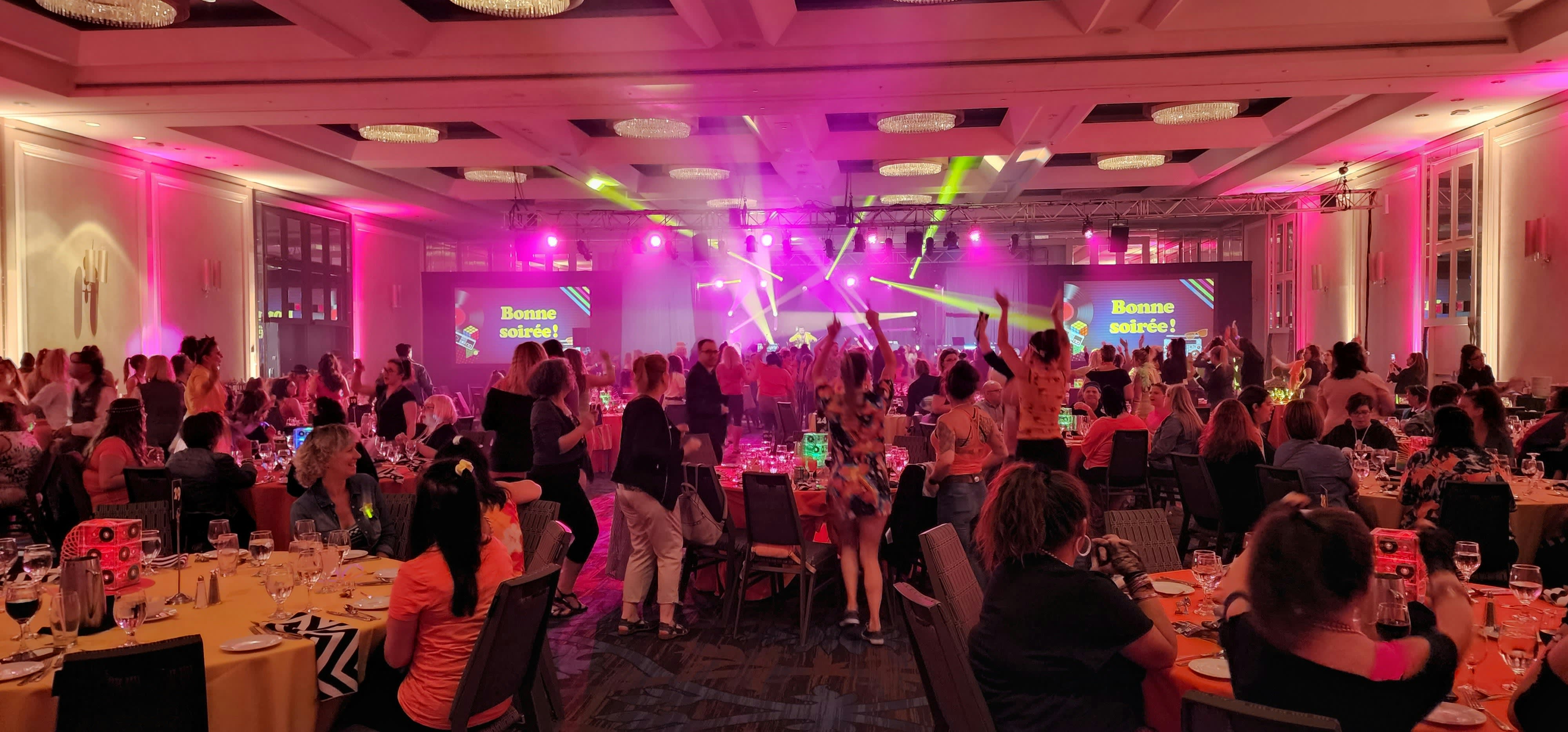
There is a point where following trends stops working, not because trends fail but because they become predictable. Once an idea is familiar, it loses tension and stops holding attention, and that is when events start to feel familiar instead of immersive. Clients are starting to respond to that shift, even if they do not name it directly. They want something distinct, intentional, and less reliant on repetition, which is pushing a quiet move toward doing things differently on purpose rather than doing more.
1. Eliminate the Grand Entrance Moment
The event planning industry has spent years perfecting the grand entrance. There's the big reveal, strong visual impact, and breathtaking moment that make guests pause in awe. It's in the grand entrance that guests understand the full scale and direction of the event. The reason the grand entrance is so popular is that it's effective.
The anti-trend approach to entrances removes the grand part entirely. This is no longer a defining moment. Instead, guests enter smoothly and quietly. There isn't a clearly defined "you have arrived" moment. Guests are free to explore on their own. The event then reveals itself in layers. This is a different type of engagement. It's less performative, more experiential.
2. Intentionally Design the Space to be Under-Style
There is a growing resistance to environments that feel over-composed.
Perfect tables. Fully styled surfaces. Every detail accounted for.
Anti-trend events pull back.
They leave space intentionally unresolved. They allow certain areas to feel minimal. In some cases, slightly unexpected in their simplicity.
This is not about doing less work. It is about choosing where the work shows.
When everything is styled, nothing stands out. When restraint is used strategically, the elements that are present carry more weight.
A single material repeated without interruption. A table left without excess layering. A lounge that feels grounded instead of decorated.
Guests notice what is there because of what is not.
The environment feels more confident because it is not trying to prove anything.
3. Remove Clear Zones
Most events are structured around defined zones.
Cocktail hour in one space. Dining in another. Lounge separated from bar. Clear transitions between each stage of the event.
Guests understand this structure without needing to think about it.
Anti-trend design removes those boundaries.
Instead of distinct zones, spaces begin to overlap. Functions mix. Guests are not directed as strongly from one experience to the next.
A lounge blends into dining. A bar becomes part of circulation. Seating exists without a defined label.
This creates a more fluid environment.
Guests move based on instinct instead of instruction. Conversations form in places that were not explicitly designed for them. Energy shifts naturally instead of being scheduled.
It can feel less controlled on the surface.
But when executed correctly, it creates a more organic experience.
The event feels continuous instead of segmented.
4. Break the Timeline
Most events follow a familiar sequence.
Arrival. Cocktail hour. Transition. Main moment. Close.
Guests recognize this pattern even if they are not actively thinking about it.
Anti-trend events disrupt that structure.
Key moments happen earlier than expected. Transitions occur without announcement. The pacing shifts in ways that are not immediately predictable.
A performance begins while guests are still arriving. A major moment happens before dinner instead of after. A transition happens subtly without signaling a shift.
This keeps guests engaged.
They cannot rely on the timeline. They have to stay present.
It also creates a sense of spontaneity.
Even when everything is planned, the event feels less scheduled and more alive.
5. Reduce Visual Stimuli
Competition is fierce in New York City for event planners. It's also competitive for clients who want to have the latest and best events. Both of these drive a more-is-better approach to event planning. Have more lighting. Add more decor. Arrange more activation points. At some point, more on top of more becomes detrimental.
The anti-trend approach steps away from this sensory overload treadmill. Instead of adding, focus on reducing lighting, installations, decor, and activation points. This creates visual clarity. With less clutter, guests can focus on the more important elements without distraction. Their attention is guided without being forced.
6. Designing for Stillness
Events are often designed around movement.
Keep guests engaged. Keep the energy high. Avoid any moment where nothing is happening.
Anti-trend thinking introduces stillness.
Moments where there is no programmed activity. No transition. No announcement.
Just space.
At first, this can feel uncomfortable.
But that discomfort often turns into deeper engagement.
Guests settle into conversations that last longer. They become more aware of the environment. They experience the event instead of moving through it.
Stillness creates contrast.
When the next moment does happen, it carries more weight.
It also allows guests to choose how they engage, rather than being constantly directed.
7. Remove Obvious Branding
This one can be controversial for some. Branding is the bread and butter of many events. It could be the client's branding or the sponsor's branding. Either way, these companies want to see their presence at the event. However, top event planners know how to balance branding with event design.
The anti-trend approach is to make the branding more subtle. Embed it in the event's design. For example, the materials chosen can reflect the brand's values. The color palette can align with the brand's colors while not exactly matching them. The design choices made will reflect the brand's personality, whether that's sleek and sophisticated, edgy, or more relaxed. Guests feel and experience the brand without being directly told to.
Letting Guests “Miss” Things on Purpose
Clients typically want every guest to get the full experience. In reality, this doesn't happen. So embrace it. Have multiple experiences happening at the same time. Don't stop the event to announce everything that's happening. Place some experiences outside the direct centralized location.
While guests will miss out on some things, they will also experience others. The result is a more personalized experience. It also creates a reason to interact and engage with other guests. They tell each other about what they experienced that the other did not. There is a sense of FOMO that motivates guests to attend the next event.
The Risk and the Responsibility
It can be risky to go against the grain and do the opposite of the trends. On the one hand, your events could be seen as "breaking the mold" and innovative. On the other hand, they could be seen as out of touch and not what the client wants. To make an anti-trend approach successful, it must be done with intention and precision. It requires confidence in decision-making and clarity in execution.

Learn More About “Anti-Trend” Event Ideas at The Event Planner Expo
Clients in NYC are sensitive to trends. They are around all of us every day. As event planners, we need to know the trends and how to navigate around them. Following every trend all fo the time can lead to events that get lost in the noise. Instead, taking the anti-trend approach can be the solution.
At The Event Planner Expo 2026, the focus is not on following what works, but on understanding why it works and when it no longer does. Because the goal is not to break rules for attention. It is to create something that holds attention without relying on what everyone else is doing. That is what makes an event stand out now.
Get your tickets to The Event Planner Expo 2026 and experience what’s next in event planning.