AI for Event Planners: Keep the Human Touch
AI for Event Planners: Keep the Human Touch
AI for event planners is no longer a future trend sitting somewhere on the horizon. It is already helping planners draft agendas, compare vendors, personalize attendee journeys, summarize event feedback, and turn one live experience into weeks of marketing content. The real question is not whether event professionals should use AI. The question is how to use it without making the event feel automated, generic, or disconnected from the people in the room.
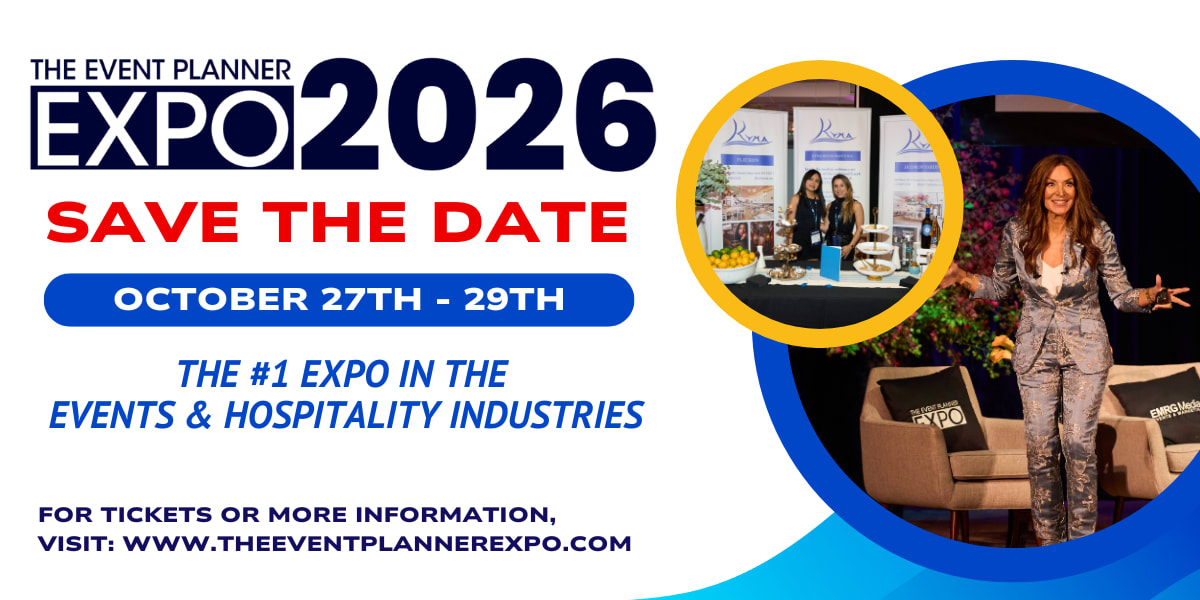
Want to see how leading event professionals are using emerging event technology in real time? Learn more about The Event Planner Expo and join the planners, marketers, executives, and vendors shaping what comes next.
The best event planning AI tools do not replace judgment, taste, relationships, or emotional intelligence. They remove friction. They organize the messy first draft. They help teams see patterns faster. They make it easier to move from blank page to workable plan. But the planner still decides what matters, what feels right for the audience, which vendor can be trusted, and when a human conversation is more valuable than another automated workflow.
For corporate planners, agency owners, and event entrepreneurs, that distinction matters. A tool can suggest a session order. It cannot read the energy of a room. A platform can segment attendees. It cannot understand the politics behind a VIP seating request. AI can help you move faster, but human judgment is what protects the guest experience, the brand reputation, and the business outcome.
What AI Can Actually Do for Event Planners
Event planning is a constant flow of decisions. You are balancing budgets, timelines, stakeholders, sponsors, speakers, attendees, venues, menus, AV, weather, staffing, and post-event reporting. AI is useful because it can process large amounts of information, generate options, and spot patterns faster than a person working manually.
That makes AI especially valuable in the early and middle stages of planning, when teams are gathering inputs, organizing ideas, comparing options, and pressure-testing scenarios. It can help you move from scattered notes to a clear framework. It can turn a long transcript into decisions and action items. It can draft first-pass copy for invitations, sponsorship decks, or post-event recaps. It can help you personalize communications for different attendee groups without starting from scratch every time.
The mistake is treating AI output as final. In events, details carry emotional weight. The difference between a useful agenda and a memorable agenda is not just efficiency. It is rhythm, pacing, audience awareness, and a strong sense of why people are gathering in the first place.
Use AI to Build Smarter Agendas, Then Add Human Pacing
Agenda planning is one of the clearest use cases for AI. A planner can feed an AI tool details about the audience, event goals, speaker topics, session length, room count, meal breaks, sponsor commitments, and networking windows. The tool can quickly generate multiple agenda options, flag potential scheduling conflicts, and suggest ways to group sessions by theme.
For a corporate conference, that might mean building tracks for leadership, operations, marketing, and customer success. For a trade show, it might mean spacing education sessions around peak exhibitor traffic. For an agency owner planning a client event, it could mean mapping high-energy moments early and leaving space for organic connection later.
AI can also help create session descriptions, speaker introductions, attendee reminders, and recap notes tied to each agenda block. That is a major time saver when your team is juggling multiple stakeholders and constant revisions.
But the planner has to own the pacing. A technically efficient agenda can still feel exhausting. Too many back-to-back panels will flatten the room. Too little transition time will frustrate attendees. A networking break placed at the wrong moment can feel forced. AI can generate the structure, but planners should review it through a human lens:
- Where will attendees need a mental reset?
- Which sessions deserve prime energy, not leftover attention?
- Where should sponsors or exhibitors get natural visibility?
- Which audience segments need separate tracks, and which moments should bring everyone together?
- What parts of the day need flexibility in case a session runs long?
That final pass is where experience shows. Great planners use AI to create options faster, then use intuition and audience knowledge to make the agenda feel intentional.
Use AI for Vendor Research Without Outsourcing Trust
Vendor research can drain enormous time from an event team. AI can help summarize vendor websites, compare service categories, organize proposal details, and create shortlists based on budget, location, capacity, specialties, and past performance notes. It can also help planners build better RFP questions by identifying what information is missing from a proposal.
For example, if you are comparing AV partners for a multi-day conference, AI can help you build a matrix of services, staffing, equipment, rehearsal support, livestream options, and pricing notes. If you are reviewing venues, it can help organize capacity, layout, load-in details, accessibility considerations, neighborhood logistics, and food and beverage requirements.
That is useful. It is not enough.
Vendor selection is built on trust, responsiveness, problem-solving, and fit. AI cannot tell you how a vendor handles pressure at 6:00 a.m. on load-in day. It cannot feel whether a sales team is overpromising. It cannot replace a reference call with another planner who has worked with that partner during a high-stakes event.
This is why live industry access still matters. Meeting vendors face to face, asking direct questions, seeing their work, and reading how they communicate under pressure gives planners information that does not always appear in a spreadsheet. At The Event Planner Expo exhibitor showcase, planners can compare a wide range of event partners in one environment, which is exactly the kind of real-world context AI cannot fully replicate.
Use AI to narrow the field. Use human conversations to make the call.
Use AI to Personalize Attendee Experiences at Scale
Personalization is one of the strongest arguments for event planning AI tools. Attendees expect experiences that feel relevant to their role, interests, location, budget, and goals. That is difficult to manage manually when a guest list includes executives, sponsors, vendors, speakers, media, internal teams, and first-time attendees.
AI can help segment attendees based on registration answers, past attendance, ticket type, job function, stated interests, or engagement history. From there, planners can create more relevant communications and recommendations. A corporate event planner may send different session suggestions to finance leaders than to marketing directors. A trade show organizer may recommend exhibitor categories based on attendee goals. An agency owner may personalize follow-up emails based on which breakout session a prospect attended.
Planning your own professional development around event technology? Review the Expo schedule and look for sessions, conversations, and networking moments that connect directly to your business goals.
AI can also support attendee service before and during the event. Chatbots can answer basic questions about location, timing, parking, check-in, and agenda details. Recommendation engines can suggest sessions or networking opportunities. Automated surveys can route feedback into themes instead of leaving teams to read hundreds of individual responses from scratch.
The risk is over-personalization that feels cold or intrusive. Just because you can segment an attendee does not mean every message should sound hyper-targeted. People notice when communication feels like a machine stitched together a few data points. The best approach is practical personalization, not performative personalization.
Use AI to help people find what is relevant. Keep the language warm, useful, and respectful. Give attendees control when possible. Most importantly, make sure your team can step in when a real person needs help.
Use AI to Repurpose Event Content Faster
Every event creates more content than most teams use. Keynote moments, panel insights, attendee questions, sponsor activations, exhibitor demos, networking conversations, social clips, survey responses, and behind-the-scenes lessons can all become useful marketing assets. AI can help planners capture and repurpose that content before momentum fades.
After an event, AI can turn transcripts into blog outlines, summarize speaker takeaways, draft email recaps, identify strong social media quotes, and organize video clip ideas by theme. It can help a small team produce more follow-up content without spending weeks sorting through raw material.
This is especially valuable for event businesses that need to prove ROI. Sponsors want recap reports. Executives want key outcomes. Sales teams want follow-up angles. Marketing teams want usable content. AI can speed up the first draft of all of it.
Still, event content should not sound like a transcript summary. The strongest recaps have perspective. They explain why a moment mattered, what the audience responded to, and what the brand learned. A planner or marketer should review AI-generated content for tone, accuracy, permissions, and strategic emphasis before anything goes public.
For independent event agency owners, this is a major growth opportunity. A single successful event can become case studies, client nurture emails, speaker clips, blog content, sales enablement, and social proof. AI can help produce the raw materials faster, but your point of view is what makes the content persuasive.
Where Human Judgment Still Matters Most
The more AI enters the planning process, the more valuable human judgment becomes. Events are not just projects. They are live environments where people bring expectations, emotions, status, anxiety, excitement, and business pressure into the same space.
Here are the areas where planners should be especially careful about handing too much control to automation.
Brand voice and emotional tone
AI can draft copy, but it may miss the nuance of a brand, a founder, a nonprofit mission, or a sensitive audience. Invitations, speaker notes, sponsor language, crisis updates, and VIP communication should always be reviewed by someone who understands the relationship behind the message.
Guest experience and accessibility
AI can suggest layouts and flows, but planners must think through mobility, sensory needs, dietary restrictions, language access, wayfinding, crowding, and comfort. Accessibility is not a box to check. It is part of hospitality.
Vendor accountability
AI can organize proposals, but it cannot replace reference checks, contract review, insurance confirmation, site visits, and direct operational conversations. A polished proposal does not guarantee great execution.
Risk, safety, and reputation
AI can help brainstorm contingency plans, but it cannot take responsibility for safety decisions. Weather calls, emergency plans, security needs, crowd control, and sensitive stakeholder issues require experienced human leadership.
Original creative direction
AI can generate theme ideas, mood boards, and sample copy. But memorable events need taste. They need choices that feel specific to the audience, the city, the venue, and the business goal. If every planner uses the same prompts, the results start to feel the same. Human creativity is the differentiator.
How to Evaluate Event Planning AI Tools
The event technology market is moving quickly, and not every tool deserves a place in your workflow. Before adopting a new platform, start with the problem you need to solve. Do not buy AI because it sounds impressive. Buy or test it because it removes a real bottleneck.
Use this simple evaluation framework:
- Workflow fit: Does the tool connect to your registration, CRM, project management, email, or event platform?
- Data protection: What attendee, client, vendor, or sponsor information will the tool process?
- Accuracy: Can your team easily review and correct output before it reaches attendees?
- Time savings: Does it remove meaningful work, or does it create another system to manage?
- Team adoption: Will planners, marketers, and operations staff actually use it?
- Human override: Can your team step in quickly when the tool gets something wrong?
It is also smart to pilot AI in lower-risk areas first. Start with internal summaries, agenda drafts, brainstorming, transcript cleanup, or post-event content outlines. Once the team understands the tool’s strengths and weak spots, you can move into more visible attendee-facing use cases.
If you want to compare event technology with other professionals, exhibitors, and decision-makers, industry gatherings are still one of the most efficient ways to do it. Explore the speakers and thought leaders connected to The Event Planner Expo to see how education, innovation, and business growth come together in one place.
A Practical AI Workflow for Event Teams
To keep AI useful without letting it take over the event, build a clear workflow. The goal is not to automate everything. The goal is to decide where AI supports the team and where human review is required.
A strong workflow might look like this:
- Define the event goal. Clarify the business objective, audience, success metrics, and stakeholder priorities before using any AI tool.
- Use AI for first drafts. Generate agenda options, vendor comparison tables, audience segments, content outlines, or recap summaries.
- Review through a planner’s lens. Check feasibility, tone, logistics, budget, brand fit, accessibility, and risk.
- Validate with people. Confirm details with vendors, speakers, internal stakeholders, legal teams, and on-site operations leads.
- Use AI again for speed. Turn approved decisions into checklists, communication drafts, run-of-show notes, and follow-up content.
- Measure and improve. Feed post-event results into future planning, but keep strategic interpretation in human hands.
This keeps AI in the right role. It becomes a planning assistant, not the planner. It helps the team move faster while preserving accountability where it belongs.
The Future Belongs to Planners Who Can Blend Tech and Taste
AI will continue changing the event industry. The planners who benefit most will not be the ones who use the most tools. They will be the ones who know when to use them, when to ignore them, and how to translate faster information into better live experiences.
Corporate planners can use AI to make complex programs easier to manage. Independent agency owners can use it to operate with more speed and polish. Marketing teams can use it to extend the life of every event through smarter content. Vendors and sponsors can use it to understand audience needs more clearly.
But the human touch remains the reason events work. People attend events to learn, connect, discover, celebrate, negotiate, be inspired, and feel part of something that cannot happen the same way on a screen. AI can support that mission. It cannot replace it.
If you want to stay ahead of event planning AI tools, emerging event technology, and the business strategies shaping the industry, attend The Event Planner Expo. It is where event professionals come to discover new ideas, meet the right partners, and build the relationships that technology alone cannot create.
Reading about trends is helpful. Seeing them executed live is better. If you want inspiration, you can translate it into real client wins. Don’t miss what’s happening on the Expo floor.
Get your tickets and experience The Event Planner Expo in person.